
Imagine gliding down a picturesque trail on your bike. The wind is in your hair, and your heart races with excitement.
But wait—have you thought about your safety? As a cyclist, you understand the thrill of riding, but you also know that safety comes first. That’s where your helmet steps in, offering protection without compromising comfort. You might think of a helmet as just another piece of gear, but it’s much more than that.
It’s your safeguard, your peace of mind, and sometimes, your lifesaver. Dive into this article to discover how choosing the right helmet can enhance your cycling experience and keep you safe on every adventure. Your journey to safer rides starts here.
Importance Of Wearing A Helmet
Cycling helmets protect your head from injuries during accidents. They reduce the risk of serious head trauma. Safety should always be your top priority while cycling. Wearing a helmet can save lives and prevent long-term damage.
Cycling is a fantastic way to stay fit, enjoy the outdoors, and reduce your carbon footprint. However, safety should always be your top priority. Wearing a helmet is not just a suggestion; it’s a crucial step in protecting your head and preventing serious injuries. When you hop on your bike, you’re exposed to various risks, from unexpected falls to collisions with vehicles. A helmet acts as a protective shield, absorbing the impact and reducing the risk of head injuries. Have you ever thought about what would happen if you fell off your bike without a helmet? It’s a scary thought, but this possibility makes wearing a helmet all the more essential.Why Helmets Matter
Helmets are designed to protect your skull during a crash. They distribute the force of impact over a larger area, reducing the chance of a severe injury. Even at low speeds, accidents can happen. A simple slip on wet pavement can lead to a dangerous fall. Choosing to wear a helmet is choosing to protect your most vital organ—your brain. Do you really want to take that risk?The Statistics Speak For Themselves
Studies show that helmets can reduce the risk of head injury by up to 85%. This statistic alone is a compelling reason to make helmet-wearing a habit. In accidents involving cyclists, those without helmets are far more likely to suffer life-threatening injuries. Think about the consequences of not wearing one. Is saving a few seconds worth compromising your safety?Personal Experience With Helmet Safety
I once underestimated the importance of wearing a helmet during a short ride to the grocery store. I took a tumble, and my helmet took the brunt of the fall. Without it, I might have ended up in the hospital. This incident reinforced my commitment to wearing a helmet every time I ride. Have you had an experience that changed your view on helmet safety? It’s time to share your story and inspire others.Encouraging Helmet Use Among Friends And Family
Your actions can influence others. When your friends and family see you consistently wearing a helmet, they are more likely to follow suit. Start conversations about the importance of helmet safety. Share statistics and personal experiences. Have you considered organizing a group ride where everyone wears a helmet? It could be a fun and safe way to spread awareness. A helmet should fit snugly but comfortably. It shouldn’t wobble or slide when you move your head. Look for helmets that meet safety standards. They offer the best protection and peace of mind. Consider the style and color too. Would a bright helmet make you more visible to drivers?
Credit: www.bikeradar.com
Choosing The Right Helmet
Choosing the right helmet for cycling is crucial for your safety and comfort. With a myriad of options available, selecting the perfect helmet can be overwhelming. However, understanding the different types, ensuring a proper fit, and knowing the materials used will make the decision easier.
Helmet Types
The variety of helmets can be surprising. You have road helmets designed for speed and aerodynamics. These are lightweight, with plenty of ventilation to keep your head cool. On the other hand, mountain bike helmets offer more coverage and protection, especially around the back of the head. They often have visors to shield your eyes from sun and debris. Then there are urban helmets, which focus on style and everyday practicality. Ever tried choosing between these types? It can feel like picking the perfect flavor of ice cream.
Size And Fit
Did you know that a helmet won’t protect you well if it doesn’t fit properly? It should sit snugly without pressing painfully. To find your perfect size, measure your head’s circumference with a tape measure. Then compare it with the sizes offered by manufacturers. Many helmets have adjustable straps and pads to refine the fit. Have you ever worn a helmet that wobbles? That’s a sign it’s not the right fit.
Material And Construction
The materials and construction of a helmet play a significant role in its durability and effectiveness. Most helmets use expanded polystyrene foam, which absorbs impact during a fall. The outer shell, usually made of polycarbonate, protects against minor bumps and scratches. Some advanced helmets use materials like MIPS technology for added protection against rotational forces. Consider this: Would you trust a flimsy umbrella in a storm? The same logic applies to helmet construction.
Choosing the right helmet is not just about ticking boxes. It’s about ensuring your safety every time you hop on your bike. What features matter most to you in a helmet? Your choice can make all the difference between a safe ride and a risky one.
Safety Standards And Certifications
Cycling helmets must meet strict safety standards and certifications to ensure protection. These guidelines help reduce head injuries. Always check for certification labels before purchasing.
Cycling is an exhilarating experience, offering freedom and a sense of adventure. Yet, safety is paramount, and wearing a helmet is crucial. But not just any helmet will do; it must meet specific safety standards and certifications to ensure maximum protection. Understanding these standards can make all the difference in choosing the right helmet for your ride.Understanding Safety Standards
When you buy a helmet, look for safety certifications. These standards are established to test helmets for impact resistance and durability. Without these certifications, helmets might not offer adequate protection in case of a fall or collision. Popular certifications include the CPSC (Consumer Product Safety Commission) in the U.S., CE EN 1078 in Europe, and AS/NZS 2063 in Australia and New Zealand. Each has its own testing methods and safety requirements. Make sure your helmet has one or more of these labels.Why Certifications Matter
Imagine riding downhill at high speed. Suddenly, you face an unexpected obstacle. In such moments, your helmet’s ability to protect you from injury is crucial. Certified helmets are rigorously tested to withstand impacts and provide protection. These certifications indicate that the helmet has undergone tests simulating real-world conditions. Helmets without certifications may not have the same level of safety assurance. Would you risk your safety for a helmet that hasn’t proven its worth? Finding the right helmet is not just about style or comfort; it’s about safety. Check for certifications, but also consider fit and ventilation. A well-fitting helmet will stay securely on your head and provide better protection. Ventilation is also important, especially during long rides in hot weather. Look for helmets that balance safety with comfort features. Comfort doesn’t have to compromise safety if you choose wisely.Questions To Ask Before Buying
Before purchasing a helmet, ask yourself: Does it have the necessary certifications? Does it fit well? Is it comfortable for long rides? Answering these questions ensures you choose a helmet that meets safety standards while also being practical for your needs. Would you ever compromise on safety for the sake of style? Consider what’s truly important when choosing your helmet. Remember, a certified helmet is not just a purchase; it’s an investment in your safety.Helmet Features For Enhanced Safety
When you’re cycling, safety should be your top priority, and a helmet is your first line of defense. But not all helmets are created equal. Some offer advanced features that can significantly enhance your safety on the road. Understanding these features can help you choose a helmet that not only fits well but also provides maximum protection. Let’s dive into some key features that make a helmet safer for your cycling adventures.
Ventilation And Cooling
Ever felt like your head was about to overheat during a long ride? Good ventilation can make a world of difference. Helmets with strategically placed vents allow air to flow through, keeping you cool and comfortable.
Consider a helmet with adjustable vents. This feature lets you control airflow based on the weather. Next time you’re climbing a steep hill, you’ll appreciate the fresh air keeping your head cool.
Visibility And Reflective Elements
Your safety doesn’t stop at impact protection. Being visible to others is crucial, especially in low-light conditions. Helmets with reflective elements enhance your visibility to drivers and other cyclists.
Look for helmets with built-in LED lights or reflective strips. These features can be lifesavers during early morning or evening rides. Would you trust just your clothing to make you seen?
Impact Protection Technology
A helmet’s primary job is to protect your head during a crash. Modern helmets use advanced technologies to absorb impact better. One such technology is MIPS (Multi-directional Impact Protection System).
This system reduces rotational forces on the brain during angled impacts. Choosing a helmet with such technology can provide an extra layer of safety. Investing in a helmet with these features can give you peace of mind and protect you in critical moments.
Remember, a helmet is more than just a piece of gear. It’s your partner in safety on every ride. What features matter most to you when choosing a helmet?
Stylish Helmet Designs
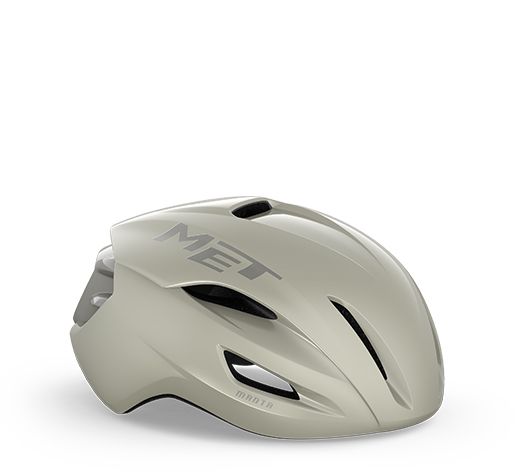
Imagine cycling through the city with a helmet that not only keeps you safe but also makes you look stylish. Stylish helmet designs have transformed the way we view cycling gear. They are not just about safety anymore; they’re a part of your fashion statement.
Have you ever picked a helmet that matches your personality? With the myriad of designs available, you can express yourself while pedaling around. Let’s dive into the chic world of helmet designs where safety meets style.
Trendy Colors And Patterns
Colors can speak volumes about your personality. Helmets now come in vibrant hues like neon green, electric blue, and fiery red.
Patterns add an extra layer of flair. From geometric shapes to abstract art, there’s a design for every taste.
Picture yourself wearing a helmet with a splash of vivid colors as you ride past onlookers. It’s not just a piece of gear; it’s an extension of your style.
Customizable Options
Want a helmet that’s uniquely yours? Customizable helmets are the way to go. You can add stickers, decals, or even paint your own designs.
Consider getting a helmet with interchangeable visors or straps. These options let you adapt your helmet to different weather conditions or outfits.
Why settle for a standard look when you can personalize your helmet? Craft a design that resonates with your cycling adventures and makes heads turn.
Choosing a stylish helmet is more than just picking a safety accessory; it’s about expressing who you are. So, what does your helmet say about you?
Credit: www.met-helmets.com
Maintaining Your Helmet
Cycling helmets protect your head from serious injury. Regular maintenance ensures it remains effective. A clean and well-maintained helmet offers comfort and safety. Follow these simple steps to keep your helmet in top condition.
Cleaning Tips
Dirt and sweat can accumulate inside your helmet. Use mild soap and water for cleaning. Gently scrub the padding and straps. Avoid harsh chemicals. They can damage the materials. Rinse thoroughly with clean water. Let the helmet air dry completely. Avoid direct sunlight when drying. Sun can weaken the helmet material. For stubborn dirt, use a soft brush. Keep your helmet fresh and clean.
When To Replace Your Helmet
Helmets don’t last forever. Replace your helmet after any impact. Even small cracks reduce its protection. Check for visible damage regularly. Look for faded colors or worn straps. These are signs of wear and tear. Most manufacturers suggest replacing helmets every 3-5 years. This ensures optimal safety. Keep track of your helmet’s age. Write the purchase date inside the helmet. Stay safe by using a helmet in good condition.
Common Myths About Helmets
Cycling helmets often face misconceptions, like they are uncomfortable or unnecessary for short rides. These myths overlook the critical role helmets play in protecting cyclists from head injuries. Prioritizing safety with a well-fitted helmet can significantly reduce risk during cycling activities.
Cycling helmets are a crucial safety tool for every rider, yet several myths often cloud their importance. These misconceptions can lead to dangerous choices, putting cyclists at unnecessary risk. Understanding and debunking these myths is essential to ensure your safety and peace of mind during every ride.Myth 1: Helmets Are Only Necessary For Kids
Many adults believe they don’t need a helmet because they are experienced riders. But accidents can happen to anyone, regardless of age or expertise. A helmet can be a lifesaver, offering protection from unexpected falls or collisions.Myth 2: Helmets Are Uncomfortable And Hot
Some cyclists avoid helmets, thinking they are too hot or uncomfortable. Modern helmets are designed with ventilation and lightweight materials to ensure comfort. You might be surprised at how well a good helmet can balance safety and comfort.Myth 3: Helmets Look Uncool
The idea that helmets are uncool is outdated. Many brands now offer stylish designs that cater to different tastes. Plus, the confidence of knowing you’re protected is a style in itself.Myth 4: Helmets Don’t Really Protect You
A common misconception is that helmets don’t offer real protection. However, studies show that helmets can significantly reduce the risk of head injury. A friend of mine once shared how a helmet saved him during a minor crash, underscoring their effectiveness.Myth 5: Helmets Are Expensive
While some helmets can be pricey, there are affordable options that still meet safety standards. Investing in a helmet is investing in your safety. Consider how much you value your well-being when weighing the cost. When you think about these myths, do any of them resonate with you? Challenging these beliefs could be the difference between a safe ride and a dangerous accident. Make informed choices and protect yourself each time you hop on your bike.
Credit: www.cyclist.co.uk
Frequently Asked Questions
What Are The Benefits Of Wearing A Cycling Helmet?
Wearing a cycling helmet protects your head during accidents. It reduces the risk of serious injuries significantly. Helmets also improve visibility on the road, making you more noticeable to others. Additionally, many helmets come with ventilation features for comfort during long rides.
How Do I Choose The Right Helmet Size?
To choose the right helmet size, measure your head’s circumference. Use a tape measure and wrap it around your head just above your eyebrows. Refer to the helmet manufacturer’s size chart to find the corresponding size. Ensure the helmet fits snugly, but not too tight.
Are All Cycling Helmets The Same?
Not all cycling helmets are the same; they vary in design, features, and price. Some are optimized for road cycling, while others are designed for mountain biking. Features like aerodynamics, ventilation, and weight differ among models. Choose a helmet that suits your cycling style and needs.
How Often Should I Replace My Cycling Helmet?
Replace your cycling helmet every 3 to 5 years, or after a crash. Regular use can degrade helmet materials, reducing effectiveness. Inspect your helmet for cracks or damage frequently. If you notice any damage, replace it immediately to ensure maximum protection.
Conclusion
Choosing the right helmet is crucial for safe cycling. It protects your head. A good helmet fits well and feels comfortable. Look for helmets with ventilation. This keeps your head cool during rides. Don’t forget to check safety certifications. They ensure quality protection.
Style is a bonus, but safety comes first. Invest in a reliable helmet. It’s a smart decision for every cyclist. Remember, safety starts with a helmet. Enjoy your rides with peace of mind. Stay safe. Happy cycling!
