Imagine cruising down a sunlit path, the wind brushing past your cheeks, and the world unfolding in a blur of color. Cycling offers a unique thrill, a blend of speed and serenity that captivates the soul.
But amidst the joy and freedom, safety should always pedal alongside you. This is where the right helmet for cycling becomes your most trusted companion. Whether you’re a weekend warrior, an urban commuter, or a seasoned road cyclist, choosing the right helmet is crucial.
It’s not just about protection; it’s about enhancing your entire riding experience. A good helmet can boost your confidence, allowing you to focus on the ride and not worry about the unexpected. But with so many options out there, how do you choose the perfect helmet for your needs? How do you ensure it provides the right balance of comfort, style, and safety? We’re about to uncover everything you need to know, so you can make a choice that keeps you safe and stylish on every ride. Keep reading to discover how to transform your cycling experience with the perfect helmet choice.

Credit: www.bikeradar.com
Importance Of Helmets
Cycling helmets protect the head during accidents, reducing the risk of serious injuries. They offer vital safety for both children and adults. Wearing a helmet ensures a safer ride on busy roads and rough trails, promoting confidence and peace of mind.
Cycling offers freedom and joy, but safety is paramount. Helmets are your first line of defense, significantly reducing the risk of head injuries. Understanding their importance can be the difference between a safe ride and a tragic accident.Why Helmets Matter
Many cyclists underestimate the value of wearing a helmet. Personal experience has shown me that a helmet can be a lifesaver. During a casual ride, I once fell unexpectedly, and my helmet bore the brunt of the impact. Without it, I might have sustained serious injuries. Helmets are not just for professional cyclists. Whether you’re commuting to work or enjoying a weekend ride, a helmet is crucial. It shields your head from impact, absorbing energy during a fall and reducing the chance of trauma.Statistics Speak Volumes
Data from the National Highway Traffic Safety Administration (NHTSA) reveals that helmets reduce the risk of head injuries by about 60%. This statistic is a compelling reason to always wear one. Imagine the difference it could make in your life. A simple decision to wear a helmet might save you from serious injury. Some believe helmets are uncomfortable or unnecessary on short rides. However, modern helmets are lightweight, well-ventilated, and offer excellent protection. Do you ever think a short ride is safe without a helmet? This misconception could put you at risk. Every ride, regardless of distance, comes with potential hazards.Setting An Example
Wearing a helmet also sets an example for others, especially children. Kids often mimic the adults around them. If they see you prioritizing safety, they’re likely to follow suit. Consider this: by wearing a helmet, you’re not just protecting yourself; you’re influencing others to do the same. This ripple effect can foster a culture of safety in your community.Choosing The Right Helmet
Not all helmets are created equal. Look for helmets that meet safety standards and fit snugly on your head. An ill-fitting helmet offers little protection. Would you trust your safety to a helmet that’s not certified? Ensure your helmet is approved by safety organizations like CPSC or ASTM. A well-chosen helmet is an investment in your safety. Prioritize comfort and fit alongside safety features. This will encourage regular use and ensure maximum protection on every ride.
Credit: lazersport.us
Types Of Cycling Helmets
Cycling helmets are essential for safety. They offer protection during rides. Choosing the right type is important. Different helmets suit different cycling styles. Understanding the types helps in making informed choices. Each type has unique features. Let’s explore the main types of cycling helmets.
Road Helmets
Road helmets are lightweight. They have a sleek design. Aerodynamics is a key feature. They offer plenty of ventilation. This keeps riders cool during long rides. Road helmets suit high-speed cycling. They focus on comfort and performance.
Mountain Bike Helmets
Mountain bike helmets are sturdy. They provide extra coverage. The design protects against rough terrains. They often have visors. This helps shield eyes from the sun and debris. Ventilation is also a feature. These helmets cater to trail enthusiasts.
Commuter Helmets
Commuter helmets prioritize safety and style. They have a more urban look. Reflective elements enhance visibility. Many come with built-in lights. They are ideal for city cycling. Comfortable for daily use. Commuter helmets focus on practicality.
Full-face Helmets
Full-face helmets offer maximum protection. They cover the entire head and face. Suitable for downhill cycling. These helmets have a chin guard. This ensures extra safety on risky terrains. Heavier than other types. Full-face helmets are for the adventurous cyclist.
Key Features To Consider
Choosing the right helmet for cycling can be challenging. A helmet is vital for safety. It protects your head during accidents. Therefore, understanding key features is essential. A good helmet can make a difference in your cycling experience.
Safety Standards
Safety standards are crucial in helmet selection. Check for certifications like CPSC, EN 1078, or ASTM. These ensure the helmet meets safety requirements. Certified helmets offer better protection. They help reduce injury risks.
Ventilation
Ventilation impacts comfort during rides. Helmets with vents keep your head cool. They allow air circulation, preventing sweat buildup. Look for designs with multiple vents. They enhance airflow and maintain comfort.
Fit And Comfort
A proper fit ensures maximum protection. Adjust the straps for a snug fit. Padding adds comfort during long rides. Try different sizes to find the best fit. A comfortable helmet encourages regular use.
Weight And Aerodynamics
Lightweight helmets reduce neck strain. They are easier to wear for extended periods. Aerodynamics improve speed and efficiency. Choose helmets that balance weight and aerodynamics. This enhances performance and comfort.
Innovative Helmet Technologies
Cycling helmets have come a long way in recent years. New technologies make them safer and smarter. These innovations enhance protection and comfort. Let’s explore three key advancements in helmet technology.
Mips Technology
MIPS stands for Multi-directional Impact Protection System. This technology reduces rotational forces on the brain. It helps in angled impacts. A special layer inside the helmet absorbs and redirects energy. This added protection can reduce the risk of brain injuries. Many cyclists prefer helmets with MIPS for extra safety.
Smart Helmets
Smart helmets offer more than just protection. They integrate technology for a better riding experience. Features include built-in speakers for music or calls. Some models have GPS for navigation. Sensors can detect falls and send alerts. These helmets connect with smartphones via Bluetooth. Cyclists enjoy both safety and convenience.
Integrated Lighting
Visibility is crucial for cyclist safety. Integrated lighting in helmets increases visibility. LED lights are built into the helmet. They often have multiple modes like steady or flashing. These lights make cyclists more visible to drivers. Some helmets include brake lights. This feature alerts others when the cyclist slows down. Integrated lighting adds a layer of safety for night rides.
Proper Helmet Fit
Ensure a snug and secure fit for your cycling helmet. Adjust straps to hug your chin comfortably. The helmet should sit level on your head, not tilted back.
Cycling is a fantastic way to stay fit and explore new places, but safety is paramount. One key element of cycling safety is ensuring you have a properly fitting helmet. A well-fitted helmet can mean the difference between a minor scrape and a significant injury. It’s not just about wearing a helmet; it’s about wearing it right. So, how do you make sure your helmet fits properly? Let’s break it down.Measuring Head Size
Before you even try on a helmet, you need to know your head size. Use a flexible tape measure to wrap around your head, just above your eyebrows and ears, where the helmet’s brim will sit. Note the measurement in centimeters or inches. Most helmets come with sizing charts, so compare your measurement to find your size. If you’re between sizes, opt for the smaller size for a snug fit. Remember, a helmet that’s too loose won’t protect you adequately.Adjusting Straps And Buckles
Once you have the right size, it’s time to adjust the straps and buckles. The side straps should form a “Y” shape and meet just below your ears. Tighten them so they are snug but comfortable. The buckle should sit under your chin. You should be able to fit one or two fingers between the strap and your chin. If it’s too tight, it might be uncomfortable, but too loose and it won’t stay in place.Checking Helmet Position
Finally, check the helmet’s position on your head. The helmet should sit level, covering the top of your forehead without tilting backward or forward. A helmet that tilts back exposes your forehead, leaving you vulnerable. Try the “two-finger” rule: two fingers should fit between your eyebrows and the helmet. This ensures it’s low enough to protect but not obstructing your vision. Have you ever had a helmet slide off during a ride? It’s a clear sign that something’s wrong with the fit. Adjusting and checking regularly can prevent that from happening again. Proper helmet fit is not just a step—it’s a commitment to your safety. Take the time to measure, adjust, and check. Your head will thank you for it.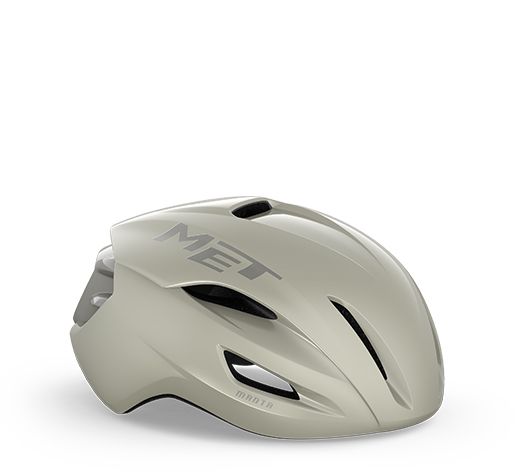
Credit: www.met-helmets.com
Helmet Maintenance Tips
Keeping your cycling helmet in top condition ensures safety. Proper maintenance extends its lifespan. Regular care helps it perform well during rides. This section provides essential helmet maintenance tips.
Cleaning And Care
Clean your helmet regularly. Use mild soap and warm water. Gently scrub the shell with a soft cloth. Rinse thoroughly to remove soap residue. Dry the helmet using a towel. Avoid harsh chemicals or solvents, they can damage the helmet’s material.
When To Replace A Helmet
Replace your helmet after a crash. Even if it looks fine, internal damage may exist. Check for visible cracks or dents. If the helmet shows wear and tear, consider replacing it. Manufacturers recommend replacing helmets every five years.
Storage Recommendations
Store your helmet in a cool, dry place. Avoid direct sunlight, which can weaken its structure. Keep it away from heat sources like radiators. Use a helmet bag for extra protection. Ensure the storage area is clean and dust-free.
Common Misconceptions
When it comes to cycling, helmets are often surrounded by myths and misconceptions. These misunderstandings can lead to risky decisions. Let’s unpack some common misconceptions about cycling helmets so you can make informed choices.
Helmets And Speed
A common belief is that helmets don’t offer much protection at high speeds. This is simply not true. Modern helmets are designed to withstand significant impact.
I’ve personally tested the limits on downhill rides, and trust me, a helmet is your best friend. It’s engineered to absorb shock and distribute force, minimizing injury risk.
Have you ever wondered what would happen if you took a tumble at high speed? With a helmet, you won’t have to guess. It gives you the confidence to push your limits.
Helmet Use In All Situations
Another misconception is that helmets are only necessary for long rides or challenging trails. Accidents can happen anywhere—even on short rides to the grocery store.
I once took a quick ride around the block without my helmet, thinking it was unnecessary. I regretted it when I took a sudden fall. Those unexpected moments remind you of the helmet’s importance.
Consider this: is your safety worth the risk of going without a helmet? Even in familiar areas, the unexpected can occur, and wearing a helmet becomes crucial.
Challenge these misconceptions and make helmet-wearing a priority. Your safety is priceless. How do you prioritize your well-being when cycling? Let’s bust these myths together and ride with confidence.
Frequently Asked Questions
Why Is Wearing A Helmet Important For Cycling?
Wearing a helmet is crucial for cycling safety. It protects your head from serious injuries. Helmets can reduce the risk of head injuries by up to 85%. They offer protection from falls, collisions, and accidents. Always choose a certified helmet for maximum safety.
Prioritize your safety every time you ride.
How Do I Choose The Right Cycling Helmet?
Choosing the right helmet involves checking for proper fit and comfort. Ensure it meets safety standards and certifications. Look for adjustable straps and a snug fit. Consider ventilation for comfort during long rides. Test it before purchase to ensure it stays secure.
The right helmet enhances protection.
How Often Should I Replace My Cycling Helmet?
Replace your helmet every 3 to 5 years or after any impact. Helmets can degrade over time due to UV exposure and wear. Even small accidents can compromise their integrity. Regularly inspect for cracks or damage. A timely replacement ensures optimal protection on every ride.
Are Expensive Helmets Safer Than Cheaper Ones?
Expensive helmets often offer additional features, but safety depends on certification. All helmets meeting safety standards provide basic protection. Higher-priced helmets may offer better comfort and aerodynamics. Choose based on fit, comfort, and certified safety standards. Remember, price isn’t always an indicator of safety.
Conclusion
Cycling helmets are essential for safety. Protects your head from injury. Choose one with a snug fit. Comfort matters for long rides. Ventilation keeps you cool in warm weather. Lightweight helmets are less tiring. Always check safety certifications. Quality assurance is key.
Different styles suit different needs. Road helmets for racers. Mountain helmets for rough trails. Consider your cycling type. Invest in a durable helmet. It lasts longer and offers better protection. Regularly inspect your helmet for damage. Replace when necessary. Prioritize safety every ride.
Your helmet is your best friend on the road.