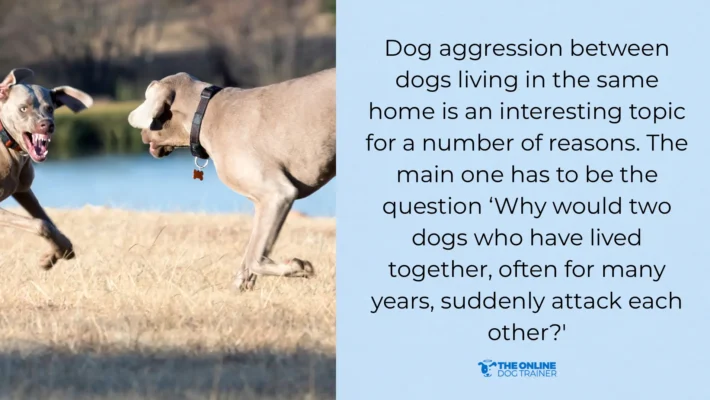

Is your dog showing signs of aggressive behavior? It can be scary and stressful to deal with a pet that snaps, growls, or acts unpredictably.
But you’re not alone, and there are clear steps you can take to help your dog become calmer and safer around you and others. You’ll discover simple, effective ways to stop aggressive behavior in dogs. By understanding why your dog acts this way and learning how to respond, you can build a stronger, more peaceful bond.
Keep reading—your dog’s well-being and your peace of mind depend on it.
Causes Of Aggression
Aggression in dogs can be puzzling and even frightening. Understanding the root causes is your first step to managing and reducing this behavior effectively. Aggression rarely appears without reason; it often signals deeper issues that need your attention.
Genetic Factors
Some dogs inherit aggressive traits from their parents. Certain breeds may be more prone to aggression due to their genetic makeup. However, genetics alone don’t determine behavior—you have a role in shaping how your dog acts.
Have you noticed how some dogs stay calm even in stressful situations, while others react sharply? This difference often traces back to their genes combined with upbringing. Recognizing your dog’s natural tendencies helps you tailor your training approach.
Environmental Triggers
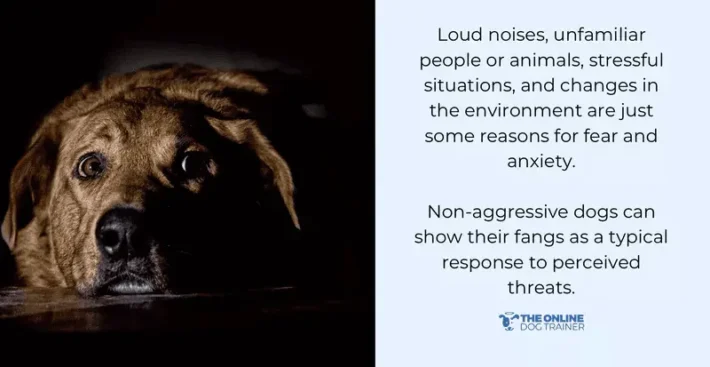
Your dog’s surroundings significantly impact its behavior. Loud noises, unfamiliar people, or other animals can provoke aggressive responses. Dogs often act aggressively when they feel threatened or scared.
Think about your dog’s daily routine and environment. Are there moments when they seem on edge? Maybe a particular place or person triggers this. Identifying these triggers lets you work on gradual desensitization and positive reinforcement.
- Changes in household dynamics
- Presence of strangers or other pets
- Lack of socialization during puppyhood
Health Issues
Physical pain or illness can make a normally calm dog aggressive. Conditions like arthritis, dental pain, or neurological problems affect their mood and tolerance. Dogs can’t tell you when they hurt, so aggression might be their way of saying something is wrong.
If your dog suddenly becomes aggressive without clear reasons, a vet visit is essential. Have you ruled out health problems as a cause of your dog’s behavior? Addressing medical issues often reduces aggressive tendencies significantly.
Recognizing Warning Signs
Recognizing warning signs is vital to prevent aggressive behavior in dogs. Early detection helps manage situations calmly and safely. Dogs show signs through their body, sounds, and habits. Understanding these signals allows owners to act before aggression escalates.
Body Language
Dogs use their bodies to express feelings. Watch for stiff posture or raised hackles. A fixed stare or direct eye contact can mean tension. Ears pinned back or standing tall suggest discomfort or alertness. Tail position matters too; a low tail shows fear, while a high, stiff tail signals dominance.
Vocal Cues
Sounds give clues about a dog’s mood. Growling often warns of a threat. Snarling or showing teeth signals potential attack. Barking can mean excitement or warning, depending on tone. Whining or whimpering shows stress or fear. Listen carefully to changes in pitch and volume.
Behavioral Patterns
Repeated actions can indicate rising aggression. Avoiding eye contact or hiding are signs of fear. Lunging or snapping at people or animals shows poor control. Guarding food, toys, or spaces suggests possessiveness. Sudden changes in behavior require attention and care.
Preventing Aggressive Outbursts
Stopping aggressive behavior in dogs begins with understanding their triggers and staying calm. Consistent training and positive reinforcement help replace bad habits with good ones. Early socialization and clear boundaries reduce the chances of outbursts.
Preventing aggressive outbursts in dogs is crucial for ensuring the safety of both your pet and those around them. Understanding the root causes of aggression and taking proactive steps can make all the difference. Let’s explore some practical strategies you can implement today.Early Socialization
Early socialization plays a vital role in a dog’s development. Introducing your dog to various environments, people, and other animals can help them become well-adjusted and less prone to aggression. Imagine taking your dog to a park where they meet different breeds and play in a safe setting—this exposure helps them understand social cues and reduces fear-based aggression.Consistent Training
Consistency in training is key to managing and preventing aggressive behavior. Set clear boundaries and reinforce positive behavior with rewards. Have you ever noticed how dogs respond eagerly when they know a treat is coming? Use this to your advantage by rewarding calm and friendly interactions, creating a positive association with desirable behavior.Safe Environment Setup
Creating a safe environment is essential to minimizing aggression. Ensure your dog has a designated space where they feel secure and relaxed. Consider using baby gates or crates as a safe haven, especially if your dog gets overwhelmed by too much activity. Think about the last time you felt stressed—did a quiet room help you calm down? Your dog might appreciate the same kind of retreat. Incorporating these strategies can significantly reduce the likelihood of aggressive outbursts. It’s all about understanding your dog’s needs and providing a nurturing environment. What changes can you make in your routine to support your dog’s well-being today?Effective Training Techniques
Training plays a crucial role in stopping aggressive behavior in dogs. Using the right techniques helps build trust and respect. It also teaches dogs how to behave calmly in different situations. Patience and consistency make these methods effective. Here are some key training techniques to consider.
Positive Reinforcement
Positive reinforcement rewards good behavior with treats, praise, or play. This encourages dogs to repeat calm and friendly actions. Avoid punishment, as it can increase fear and aggression. Reward your dog immediately after the desired behavior. Keep training sessions short and fun to maintain interest. This method strengthens your bond and promotes a positive learning environment.
Desensitization Methods
Desensitization helps dogs get used to triggers that cause aggression. Start by exposing your dog to the trigger at a low level. Gradually increase the intensity while keeping the dog relaxed. Use treats and calm praise to reward calm responses. This process can take weeks or months. Consistency and patience are essential to success. It reduces fear and helps your dog stay calm in real situations.
Redirecting Focus
Redirecting focus shifts your dog’s attention from aggressive triggers to something positive. Use toys, commands, or treats to distract your dog. Teach basic commands like “sit” or “look at me” to regain control. This technique helps interrupt aggressive thoughts and behaviors. Practice redirecting during calm moments first. It builds a habit your dog can use during stressful situations.
Managing Aggression During Walks
Managing aggression during walks is crucial for both your dog’s safety and your peace of mind. Walks should be a positive experience, not a stressful one. Proper management helps reduce aggressive reactions and makes outings more enjoyable.
Understanding your dog’s triggers and using control techniques can prevent aggressive behavior. Training and patience play key roles in calming your dog during walks.
Leash Control Tips
- Use a sturdy leash to maintain control at all times.
- Hold the leash firmly but avoid pulling harshly.
- Keep the leash short near busy areas to prevent lunging.
- Practice walking calmly before entering crowded places.
- Train your dog to walk beside you without pulling.
Avoiding Triggers
- Identify situations or objects that cause your dog to react.
- Plan your route to steer clear of these triggers.
- Walk during quieter times to reduce encounters with other dogs.
- Stay alert to surroundings and change direction if needed.
- Avoid crowded parks or noisy streets if these cause stress.
Using Distractions
- Carry treats to reward calm behavior during walks.
- Use toys or favorite objects to redirect your dog’s attention.
- Give commands like “sit” or “look” to shift focus.
- Practice quick games to keep your dog engaged and relaxed.
- Praise your dog often to encourage positive reactions.
Credit: theonlinedogtrainer.com
When To Seek Professional Help
Recognizing when your dog’s aggressive behavior needs professional help is crucial for both your safety and your dog’s well-being. Aggression can escalate quickly, and tackling it early with expert guidance can prevent serious incidents. If your efforts to manage your dog’s behavior aren’t working or if the aggression worsens, it’s time to reach out to professionals who understand these challenges deeply.
Choosing A Trainer
Finding the right trainer can make all the difference. Look for someone certified in positive reinforcement techniques rather than punishment-based methods. Trainers with experience in aggression cases know how to safely modify your dog’s behavior without increasing stress or fear.
Ask about their approach and success stories. Does the trainer work with aggressive dogs regularly? It’s okay to interview a few before deciding. Your goal is to find a patient expert who builds trust with both you and your dog.
Behavioral Therapy Options
Sometimes, aggression stems from anxiety or trauma. A behaviorist can assess your dog’s emotional triggers and design a personalized plan. Techniques might include desensitization and counter-conditioning to change how your dog reacts to certain stimuli.
Behavioral therapy often involves you as the primary trainer, with the expert guiding you step-by-step. This partnership helps your dog learn calm responses over time. Have you noticed if your dog’s aggression spikes in specific environments or around certain people? Identifying these patterns is the first step in therapy.
Veterinary Intervention
Medical issues can cause or worsen aggression. Pain, neurological problems, or hormone imbalances might be underlying factors. A thorough veterinary exam can rule out or treat these conditions, which may improve your dog’s behavior significantly.
In some cases, vets recommend medication alongside training to help manage anxiety or irritability. Don’t hesitate to discuss this option if your dog’s aggression seems linked to health problems. Your vet’s insight is key in creating a comprehensive treatment plan.
Maintaining Long-term Calmness
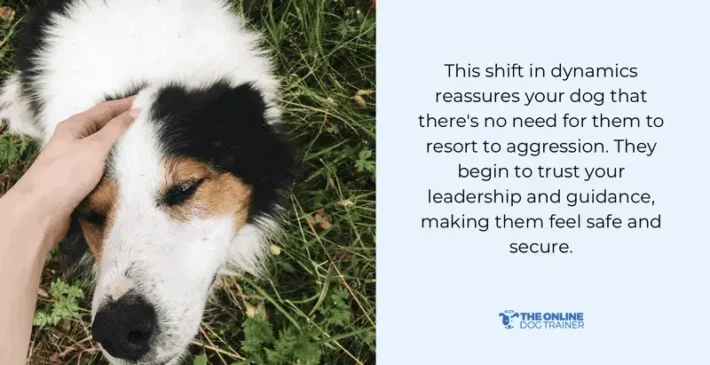
Maintaining long-term calmness in dogs helps reduce aggressive behavior. Calm dogs feel safer and less stressed. Creating a steady routine supports their emotional health. Consistent care builds trust and lowers anxiety. These habits keep your dog relaxed every day.
Regular Exercise
Exercise burns energy that might cause aggression. Walks, runs, or play sessions help release tension. Physical activity improves mood and behavior. Aim for at least 30 minutes daily. Choose activities your dog enjoys to keep them happy.
Mental Stimulation
Keeping your dog’s mind active prevents boredom. Puzzles, training, and new commands challenge their brain. Mental work reduces frustration and destructive habits. Rotate toys and games to keep interest high. A busy mind leads to a calm dog.
Routine Health Checks
Health issues can increase irritability in dogs. Regular vet visits catch problems early. Check for pain, allergies, or infections that affect behavior. A healthy dog feels more comfortable and peaceful. Schedule exams at least twice a year to stay ahead.
Credit: theonlinedogtrainer.com
Credit: theonlinedogtrainer.com
Frequently Asked Questions
How Can I Identify Aggressive Behavior In Dogs?
Aggressive behavior includes growling, snapping, biting, and stiff body posture. Watch for raised hackles, prolonged staring, or snarling. Early recognition helps prevent escalation and ensures timely intervention for safety.
What Causes Dogs To Become Aggressive?
Aggression can stem from fear, pain, territorial instincts, or lack of socialization. Poor training or traumatic experiences also contribute. Understanding triggers helps manage and reduce aggressive tendencies effectively.
How Do I Safely Stop My Dog’s Aggression?
Stay calm, avoid punishment, and use positive reinforcement. Redirect attention with commands and reward good behavior. Consult a professional trainer or vet for persistent aggression to ensure safety.
Can Neutering Reduce Aggressive Behavior In Dogs?
Neutering can lower aggression linked to hormones, especially in males. However, it’s not a guaranteed solution. Combine neutering with training for best results in managing aggression.
Conclusion
Stopping aggressive behavior in dogs takes time and patience. Consistent training helps your dog learn good habits. Stay calm and firm during every interaction. Reward positive behavior to encourage kindness. Avoid harsh punishments that can cause fear or anger. Seek help from a professional trainer if needed.
Understanding your dog’s needs improves your bond. Safe, happy dogs create peaceful homes. Keep working on trust and respect every day. Small steps lead to big changes over time.