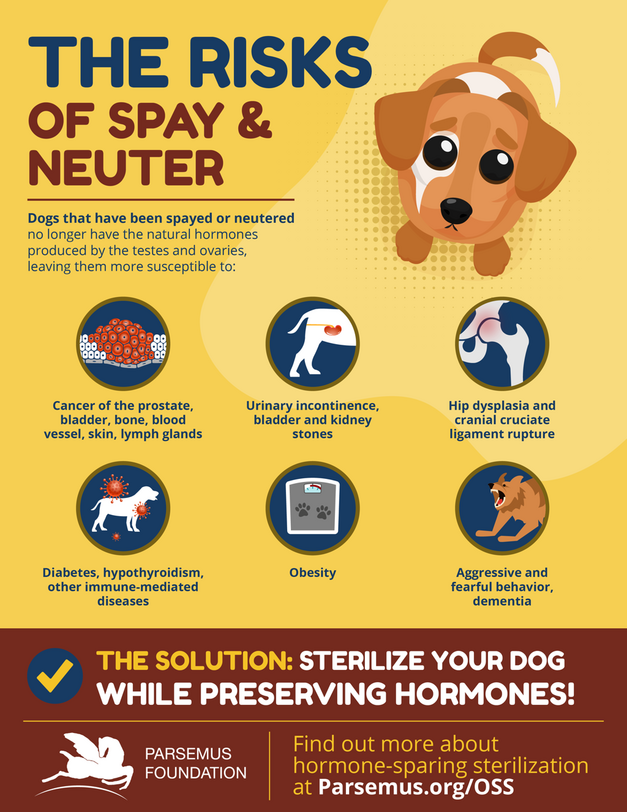

If you’ve recently had your dog neutered or are thinking about it, you might be wondering how this surgery will affect your furry friend’s behavior. Changes in mood, energy, or habits can be confusing if you’re not prepared.
Understanding what to expect after neutering can help you support your dog better and strengthen your bond. You’ll discover the common behavior shifts, why they happen, and how you can help your dog adjust smoothly. Keep reading to learn what’s normal and what you should watch out for.
Behavior Changes Post-neutering
Neutering is a common procedure that can lead to noticeable shifts in your dog’s behavior. Understanding these changes helps you manage expectations and support your furry friend through the transition. Let’s look at what you might see and when these changes typically occur.
Common Behavioral Shifts
After neutering, many dogs show reduced aggression and less dominance-driven behavior. You may notice a drop in mounting, marking territory, and roaming instincts. Some dogs become calmer and more relaxed, while others might seem a bit more withdrawn or tired.
It’s important to observe changes in energy levels and social interactions. Your dog might be less interested in chasing other dogs or reacting to triggers that once caused excitement. Have you seen your dog become more affectionate or simply more content spending quiet time with you?
Timeline Of Changes
Behavior changes usually don’t happen overnight. Most shifts start to appear within a few weeks after surgery. For example, decreased marking and roaming often begin within two to four weeks.
Calming effects might take longer, sometimes up to two months. Watch for gradual reductions in hyperactivity or aggression. Patience is key—your dog’s personality will adjust at its own pace.
Individual Variations
No two dogs respond the same way. Breed, age, and pre-existing behavior play big roles in how your dog changes after neutering. Younger dogs often adapt more quickly than older ones.
Some dogs show almost no behavioral change, especially if their previous behavior wasn’t hormone-driven. Think about your dog’s unique traits—how might they influence the way neutering affects them? Keeping a journal of your dog’s behavior can help you notice subtle shifts over time.
Aggression And Temperament
Neutering can change a dog’s behavior in many ways, especially in aggression and temperament. Understanding these changes helps owners support their pets better. Each dog reacts differently, but some common patterns appear after neutering.
Reduction In Aggressive Behavior
Neutering often lowers aggression in male dogs. It reduces testosterone, which can cause dominance and territorial fights. Many dogs become calmer and less likely to bite or growl. This change helps dogs feel more relaxed around people and other animals.
Dogs that showed aggression due to hormones may become friendlier. Yet, neutering does not fix all aggressive behavior. Training and socialization still play a big role in good manners.
Possible Anxiety Or Fear
Some dogs feel more anxious or scared after neutering. This happens because of hormonal shifts and surgery stress. They may hide, bark more, or avoid people. Anxiety can last for days or weeks but usually improves with care.
Owners should watch their dog’s mood and provide comfort. Creating a safe, quiet space helps reduce fear. Gentle interaction encourages confidence to return slowly.
Impact On Social Interactions
Neutered dogs often show better social skills. Less aggression means easier playtime and fewer fights. They may be more willing to share space with other dogs and people.
However, some dogs might feel unsure or shy at first. Patience and positive experiences help them adjust. Regular walks and social meetings build trust and friendliness over time.
Energy Levels And Activity
Neutering a dog can influence its energy levels and activity. The procedure often brings changes that affect behavior and overall energy. Understanding these changes helps manage your dog’s health and happiness.
Decrease In Hyperactivity
After neutering, many dogs show a decrease in hyperactivity. They might become calmer and less prone to sudden bursts of energy. This change can make handling and training easier.
Changes In Playfulness
Neutering can also affect a dog’s playfulness. Some dogs may show reduced interest in playing all the time. They might prefer more relaxed activities instead of constant running or jumping.
Exercise Needs After Neutering
Exercise remains important even after neutering. Dogs still need regular activity to stay healthy and fit. Adjust the intensity and duration of exercise to match their new energy levels. Short walks or gentle games can keep them engaged and active.
Credit: www.dwdogtraining.com
Marking And Territorial Behavior
Marking and territorial behavior often puzzles dog owners, especially after their pet has been neutered. These behaviors are closely tied to hormones, but they don’t always disappear overnight. Understanding what changes to expect can help you manage your dog’s behavior effectively and maintain a peaceful home.
Reduction In Urine Marking
Neutering usually leads to a noticeable drop in urine marking. This is because testosterone drives this behavior, and neutering lowers its levels significantly.
Many owners report that their dogs stop marking inside the house within weeks after the procedure. However, some dogs may continue marking if the habit was deeply established before neutering.
If your dog keeps marking, consider adding extra walks and attention to distract and discourage this behavior. You might also want to clean marked areas thoroughly to remove lingering scents that encourage repeat marking.
Territorial Aggression Changes
Territorial aggression often decreases after neutering, but the change isn’t always immediate or complete. Your dog’s personality and environment also play big roles.
Neutering can reduce the urge to defend territory aggressively, making social interactions calmer. Still, if your dog is highly protective, training and socialization remain essential.
Have you noticed your dog being less aggressive toward visitors or other dogs after neutering? Monitoring these changes can guide you on when to introduce new social experiences safely.
Training And Obedience
Training and obedience often change after your dog is neutered. This is a crucial time to focus on guiding your dog’s behavior with patience and consistency. You might notice shifts in energy and attention, which can impact how your dog learns new commands or follows rules.
Improved Focus And Learning
Neutering can reduce distractions caused by hormones, making your dog more attentive during training sessions. You might find your dog is less interested in roaming or marking territory, which allows for better concentration.
With fewer hormonal urges, your dog can respond more quickly to commands. This can speed up the learning process and help reinforce positive behaviors more effectively.
Behavioral Training Tips Post-neutering
- Keep sessions short and consistent.Your dog may have less energy at first, so brief, frequent training works best.
- Use positive reinforcement.Treats, praise, and affection motivate your dog to repeat good behavior.
- Be patient.Changes after neutering can be gradual. Avoid pushing too hard too fast.
- Focus on impulse control.Practice commands like “stay” and “leave it” to help manage any lingering urges.
- Maintain a routine.Predictable schedules provide comfort and structure, which supports learning.
Have you noticed your dog’s behavior shifting after neutering? How have you adjusted your training approach? Sharing your experience might help others facing the same challenges.
Credit: southeastoakvillevet.ca
Health Impacts On Behavior
Neutering can bring significant changes to your dog’s behavior, many of which are rooted in health shifts. Understanding these impacts helps you better manage your pet’s well-being after surgery. Let’s look closely at how health influences behavior post-neutering.
Hormonal Influences
Neutering reduces testosterone levels, which directly affects behaviors linked to hormones, like aggression and roaming. You might notice your dog becoming calmer and less territorial after the procedure. However, some dogs show little change because behavior is also shaped by environment and training.
Have you observed your dog’s mood shift after neutering? This change often comes from the drop in hormone-driven impulses, which can make training and socializing easier.
Weight Gain And Its Effects
Many dogs gain weight after neutering due to a slower metabolism and decreased activity. Extra weight can lead to discomfort, joint problems, and lower energy, which may make your dog less playful or more irritable.
To keep your dog healthy, adjust feeding portions and encourage daily exercise. Think about this: Could changes in your dog’s behavior actually be a sign of health issues related to weight?
Long-term Behavioral Outcomes
Over time, neutered dogs often develop more stable and predictable behavior patterns. Reduced hormone levels typically lower the chances of aggression and marking. Yet, some behaviors, like anxiety or fear, might need extra attention and training after neutering.
How will you support your dog’s emotional health as these long-term changes take place? Consistent routines and positive reinforcement can make a big difference in helping your dog adjust comfortably.
Owner Responsibilities
After neutering, dogs often show changes in behavior and health. Owners must take active roles to support their pets. Understanding these changes helps provide the best care. Attention and patience are key during this period.
Monitoring Behavior Changes
Watch your dog closely for any new habits or moods. Some dogs may become calmer or less aggressive. Others might show signs of confusion or restlessness. Keep notes on these behaviors to track patterns. Early detection of unusual actions helps prevent problems.
Adjusting Care And Routine
Neutered dogs often need less food due to slower metabolism. Adjust meal portions to avoid weight gain. Exercise routines should be gentle at first, then increase gradually. Maintain regular bathroom breaks and playtime to support mental health. Create a calm environment to reduce stress and anxiety.
When To Consult A Vet Or Trainer
Seek professional advice if behavior changes seem extreme or harmful. Signs like aggression, withdrawal, or loss of appetite need attention. A vet can check for medical issues after surgery. Trainers help manage new behaviors with positive methods. Early help ensures a smooth transition for your dog.

Credit: www.dwdogtraining.com
Frequently Asked Questions
How Does Neutering Affect Dog Behavior Long-term?
Neutering often reduces aggression and territorial marking in dogs. It can also decrease roaming and dominance behaviors. However, individual results vary, and training remains essential. Overall, neutering promotes calmer, more sociable behavior over time, benefiting both dogs and owners.
Will My Dog Become Less Active After Neutering?
Neutering may slightly reduce your dog’s activity levels due to hormonal changes. Some dogs become more relaxed, while others maintain their energy. Regular exercise and mental stimulation remain important to keep your dog healthy and happy after surgery.
Can Neutering Change My Dog’s Temperament?
Yes, neutering can positively influence temperament by lowering aggression and anxiety. Dogs often become calmer and more affectionate. However, personality traits are also shaped by genetics and environment, so changes may not be drastic.
How Soon After Neutering Do Behavior Changes Appear?
Behavioral changes can start within days to weeks after neutering. Hormonal shifts reduce mating instincts and related behaviors quickly. Full behavioral adjustment may take several months, depending on the dog’s age and personality.
Conclusion
Neutering can change your dog’s behavior in many ways. Some dogs become calmer and less aggressive. Others may feel less restless and more relaxed. These changes usually happen slowly over weeks or months. Watch your dog closely during this time.
Give plenty of love and patience. Remember, each dog reacts differently. Neutering helps with health and behavior in the long run. Caring owners make the biggest difference. Your dog will thank you with trust and happiness.