
Traveling on a plane with your dog can feel exciting and overwhelming at the same time. You want your furry friend to be safe and comfortable, but there’s so much to think about—rules, packing, and keeping your dog calm.
What if you could make the whole trip easier for both of you? You’ll discover simple tips and must-know advice that will help you breeze through every step of flying with your dog. Keep reading to make your next flight a smooth, stress-free experience for you and your best friend.
Preparing Your Dog For Air Travel
Getting your dog ready for air travel takes more than just packing their favorite toy. It involves careful preparation to ensure their comfort and safety throughout the journey. Taking time to prepare your dog helps reduce stress for both of you and can make the travel experience much smoother.
Health Check And Vaccinations
Your dog’s health is the top priority before flying. Schedule a vet visit to confirm they are fit to travel and up-to-date on vaccinations. Some airlines require a health certificate issued within 10 days of your flight, so check those rules early.
Ask your vet about any concerns like motion sickness or anxiety. Sometimes, a mild sedative or natural calming aids can make a big difference. Remember, a healthy dog is a happy traveler.
Choosing The Right Carrier
Not all carriers are created equal, and the right one depends on your dog’s size and temperament. It should be well-ventilated, sturdy, and approved by the airline. Measure your dog carefully to ensure they can stand, turn, and lie down comfortably inside.
Look for carriers with easy access doors and secure locks. If your dog has a favorite blanket or toy, make room for those inside to provide comfort. What carrier features matter most to your dog’s personality?
Acclimating Your Dog To The Carrier
Introduce the carrier as a safe space well before your trip. Place treats, toys, or meals inside to encourage your dog to explore it voluntarily. Short, positive sessions help build a good association with the carrier.
Practice closing the door for brief periods while staying nearby to reassure your dog. Gradually increase the time they spend inside to build confidence. You’ll both feel more relaxed when the day of travel arrives.
Booking Your Flight
Booking a flight for you and your dog requires special care. Choosing the right flight ensures comfort and safety for your pet. Planning ahead helps avoid last-minute problems.
Selecting Pet-friendly Airlines
Not all airlines allow pets on board. Some have better pet policies than others. Look for airlines with good reviews on pet travel. Check their rules about pet size and carrier requirements. Airlines may offer in-cabin or cargo options for your dog. Pick one that fits your dog’s needs and your budget.
Direct Flights Vs. Layovers
Direct flights reduce stress for your dog. No need to change planes or wait long periods. Layovers may cause confusion and discomfort for pets. Long layovers can mean extended time in carriers. Choose direct flights when possible to keep your dog calm. If layovers are necessary, select shorter ones and plan carefully.
Informing The Airline About Your Dog
Always notify the airline about your dog during booking. Airlines have limits on the number of pets per flight. Informing them early secures a spot for your dog. Provide details like breed, weight, and carrier size. Some airlines require a health certificate or vaccination proof. Confirm all pet travel rules with the airline before your flight.
Packing Essentials For Your Dog
Packing for your dog’s plane trip means thinking beyond just the basics. Your furry friend needs items that keep them comfortable, hydrated, and secure throughout the journey. Missing something essential can turn a smooth flight into a stressful experience for both of you.
Food And Water Supplies
Bring enough food for the entire trip, plus a little extra in case of delays. Dry kibble is easier to pack and less messy than wet food. Don’t forget a portable water bowl and enough water to keep your dog hydrated before, during, and after the flight.
Have you considered how long your dog can comfortably go without eating or drinking? Planning your feeding times around the flight schedule helps avoid discomfort or accidents. Some dogs prefer familiar treats—pack those to help them stay calm and happy.
Comfort Items And Toys
Familiar items can reduce your dog’s anxiety in a strange environment. Bring their favorite blanket or a small bed to create a cozy space. A well-loved toy can distract your dog during the flight and provide comfort.
Think about what relaxes your dog most. Is it a chew toy or a soft plush? Including these items can make a big difference in how they handle travel stress. Avoid anything noisy or bulky that might bother other passengers.
Necessary Documentation
Keep all important papers handy, including your dog’s health certificate, vaccination records, and any required travel permits. Airlines often have strict rules about pet documentation, so double-check before you fly. Having these documents organized saves time and prevents last-minute hassles.
Do you know the specific regulations of your airline and destination? Some places require microchip information or proof of rabies vaccination. Carrying physical and digital copies ensures you’re prepared for any checkpoint or inquiry.
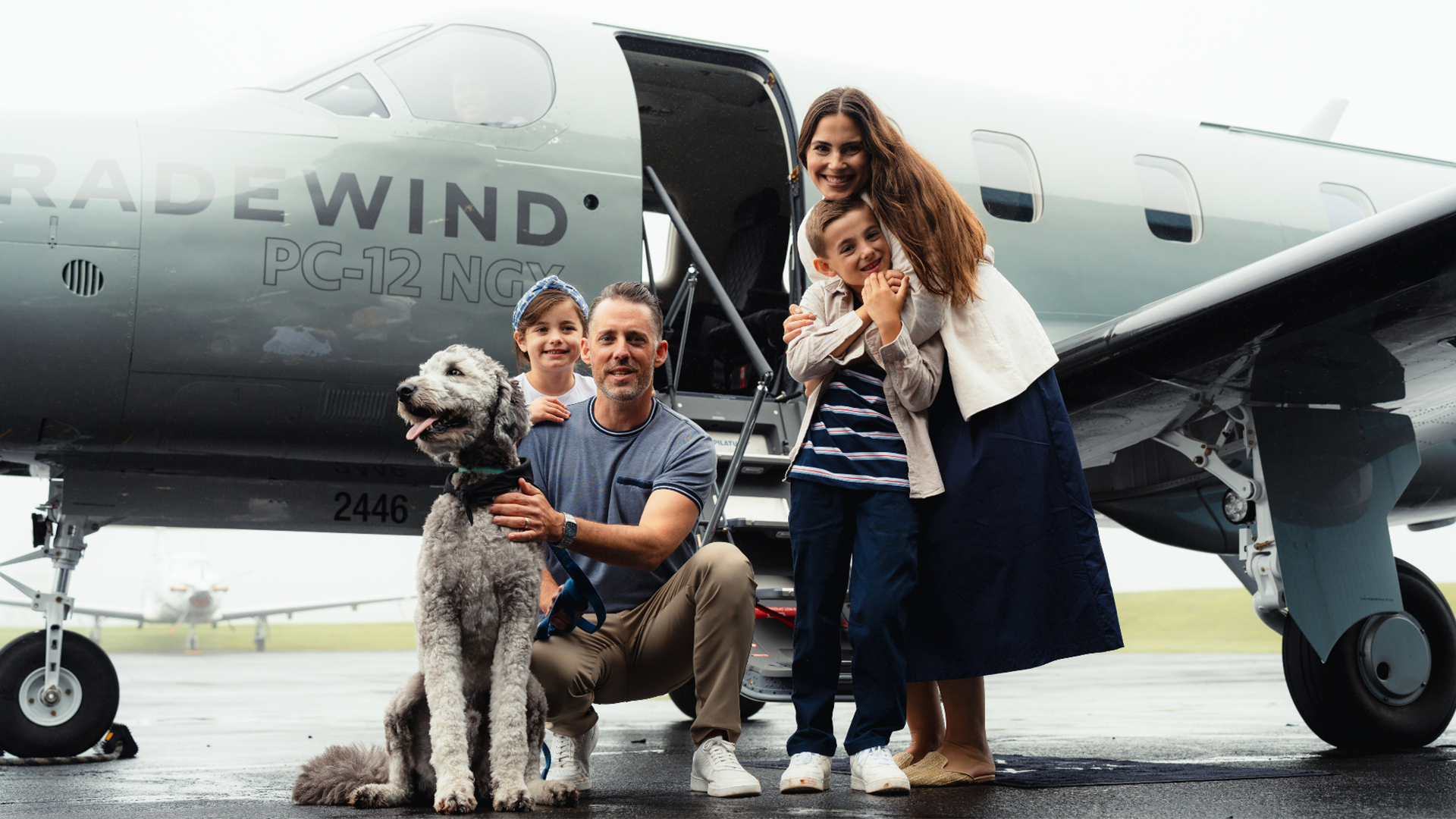
Credit: www.flytradewind.com
Airport Procedures With Your Dog
Airport security requires your dog to be calm and in a proper carrier during screening. Always check airline rules for pet travel and keep important documents ready. Arriving early helps reduce stress for both you and your dog.
Traveling with your dog can be a rewarding experience, but navigating airport procedures requires some preparation. Understanding the steps involved can ensure a smoother journey for both you and your furry friend. From security checkpoints to waiting times, being well-prepared can alleviate stress and make the experience more enjoyable.Security Checkpoints
Approaching security checkpoints with your dog can be daunting, but knowing what to expect can ease anxiety. You’ll need to remove your dog from its carrier and carry or lead them through the metal detector while the carrier passes through the X-ray machine. Consider practicing this at home to ensure your dog is comfortable with the process. Remember, TSA agents are usually pet-friendly, so don’t hesitate to ask for assistance if needed.Pet Relief Areas
Finding pet relief areas is essential, especially for longer flights. Most airports offer designated areas where your dog can stretch and relieve itself. These areas can often be found near gates or terminals, sometimes even pre-security. Familiarize yourself with the airport layout beforehand to easily locate these spots. Keep a leash handy and carry waste bags to maintain cleanliness and adhere to airport rules.Managing Waiting Times
Waiting times can be challenging, but with a few tricks, you can keep your dog calm. Bring along toys or treats to occupy your pet during long waits. A favorite blanket or toy can provide comfort and a sense of familiarity. Consider finding a quiet spot away from crowds where your dog can relax. How do you ensure your dog remains calm and content during extended waits? Being prepared and attentive to your dog’s needs can make all the difference.During The Flight
Flying with your dog can be a unique experience, filled with both excitement and challenges. The time during the flight is crucial for your pet’s comfort and safety. How you manage this period can make a big difference in your dog’s behavior and well-being.
Keeping Your Dog Calm
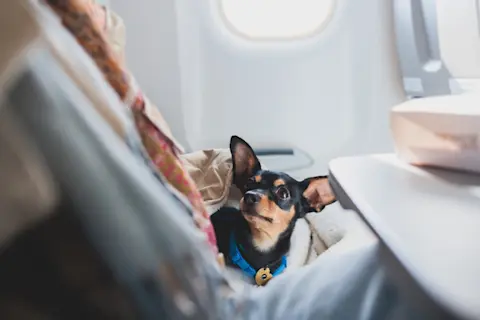
Dogs can sense your emotions, so staying calm yourself is key. Speak softly to your dog and avoid sudden movements that might startle them. A favorite toy or blanket can provide comfort and a sense of familiarity.
Try gentle petting or soothing words to help ease anxiety. If your dog tends to get nervous, consider using calming sprays or pheromone collars approved by your vet. Keep in mind, a relaxed dog makes the flight easier for everyone.
Feeding And Hydration
It’s best to feed your dog a light meal a few hours before the flight to prevent nausea. Avoid giving large amounts of food right before takeoff. Small, frequent sips of water help keep your dog hydrated without causing discomfort.
Bring a collapsible water bowl for convenience and offer water during quieter moments. Avoid giving treats that could upset their stomach. Staying hydrated keeps your dog alert and comfortable throughout the journey.
Handling Emergencies
Prepare for unexpected situations by packing a small first aid kit for your dog. Include items like bandages, antiseptic wipes, and any medications your pet needs. Knowing the location of the nearest vet at your destination can save precious time.
If your dog shows signs of distress, try to calm them first and assess the situation calmly. Alert the flight crew if you need assistance; they are trained to help with pet-related emergencies. Being ready helps you respond quickly and protects your dog’s health.

Credit: www.aol.com
Post-flight Care
After your dog’s flight, the care you provide is just as important as the preparation before takeoff. The journey can be stressful for your furry friend, so a calm and attentive approach will help them adjust quickly. Paying close attention to their needs ensures a smooth transition from travel mode to relaxation and exploration.
Settling Your Dog After Arrival
Once you’ve landed, find a quiet spot where your dog can relax away from crowds and noise. Offer water immediately to help them rehydrate after the flight. Allow your dog to stretch their legs gently and sniff around to get familiar with the new environment.
Keep your tone soft and reassuring. Your calmness can help ease their anxiety. If your dog has a favorite blanket or toy, bring it out to create a sense of comfort and familiarity.
Monitoring For Stress Or Illness
Watch your dog closely for signs of stress or sickness. Symptoms like excessive panting, vomiting, diarrhea, or lethargy can indicate that your dog needs attention. Sometimes, subtle signs like restlessness or whining point to discomfort or anxiety.
Take notes on their behavior over the first 24 hours. Has your dog eaten normally? Are they drinking water? Are they sleeping well? These details will help you decide if a vet visit is necessary.
Finding Local Vets And Services
Before you travel, research local vets near your destination. Save their contact information in your phone for quick access. Knowing where to go if an emergency arises offers peace of mind for both you and your dog.
Look for pet services like groomers or pet supply stores too. They can be lifesavers if you need food, medication, or a quick grooming session after your trip. Would you feel more confident traveling if you had a local pet care network ready?

Credit: www.aol.com
Frequently Asked Questions
What Are The Rules For Flying With Dogs On Planes?
Airlines require pets to have proper documentation and health certificates. Dogs must be in approved carriers. Check specific airline policies before booking to ensure compliance and a smooth travel experience.
How To Prepare My Dog For Plane Travel?
Acclimate your dog to their carrier weeks before the trip. Provide exercise and avoid feeding right before flying. Bring familiar items like toys to reduce stress during the flight.
Can Small Dogs Fly In The Cabin With Owners?
Many airlines allow small dogs in the cabin if they fit under the seat. Confirm size and weight limits with the airline. Book early as in-cabin pet spots are limited.
What Are The Best Dog Carriers For Air Travel?
Choose carriers that meet airline size and ventilation requirements. Soft-sided carriers are ideal for cabin travel. Ensure the carrier is comfortable and secure for your dog’s safety.
Conclusion
Traveling by plane with your dog takes some planning and care. Keep your pet calm and comfortable during the trip. Check all airline rules before you book your flight. Bring necessary documents and pack your dog’s favorite items. Stay patient and give your dog plenty of breaks.
A happy pet makes the journey easier for both of you. Enjoy your adventure together and make great memories. Safe travels with your furry friend!