
Traveling with your dog in the car can be a fun and rewarding experience, but it also comes with its own set of challenges. You want your furry friend to be safe, comfortable, and happy throughout the trip.
Whether it’s a short drive to the park or a long road trip, knowing how to prepare and what to expect makes all the difference. In this guide, you’ll discover simple tips and tricks that will turn your car rides with your dog into smooth, stress-free adventures you both will enjoy.
Ready to make every mile memorable? Let’s dive in.
Preparing Your Dog For Car Travel
Traveling by car with your dog can be a joyful experience if you prepare well. Your dog’s comfort and safety should be a top priority before hitting the road. Taking time to prepare your dog helps reduce stress and makes the journey smoother for both of you.
Choosing The Right Carrier Or Restraint
Choosing the right carrier or restraint is crucial for your dog’s safety. A well-ventilated carrier that fits your dog comfortably can prevent injuries during sudden stops. If your dog is larger, consider a harness that attaches to the seatbelt to keep them secure but relaxed.
Think about your dog’s size and temperament. Some dogs feel safer in enclosed spaces, while others prefer being able to look around. Have you tested different options to see what your dog prefers? Your dog’s behavior during short drives can give you useful clues.
Getting Your Dog Comfortable With The Car
Before the trip, spend time helping your dog get used to the car. Start with short rides around the block to build positive associations. Bring along their favorite toy or blanket to create a familiar environment inside the car.
If your dog shows signs of anxiety, try calming techniques like gentle petting or soothing music. Sometimes, a few practice trips make a huge difference in how your dog reacts. Have you noticed your dog’s unique ways to relax? Use those insights to make car rides enjoyable.
Packing Essentials For Your Dog
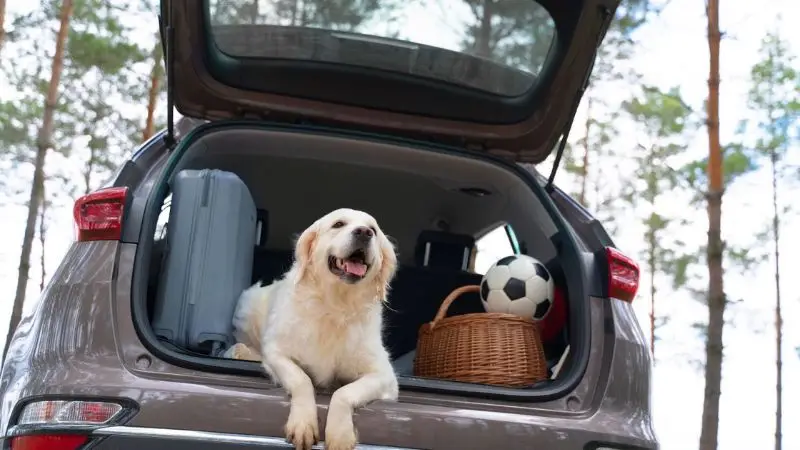
Packing the right items can make your trip hassle-free. Include essentials such as water, a travel bowl, poop bags, and a leash for pit stops. Don’t forget any medication your dog needs, along with a first-aid kit designed for pets.
Keep some treats handy to reward good behavior during the trip. Also, bring a towel or mat for your dog to sit on, especially if the car seat is slippery or hot. What small items have you found make a big difference when traveling with your dog?
Safety Measures On The Road
Traveling by car with your dog requires careful safety planning. Dogs can get restless or scared during trips. Proper safety measures help protect your dog and everyone in the car. These tips ensure a smooth, safe journey for your furry friend.
Proper Securing Techniques
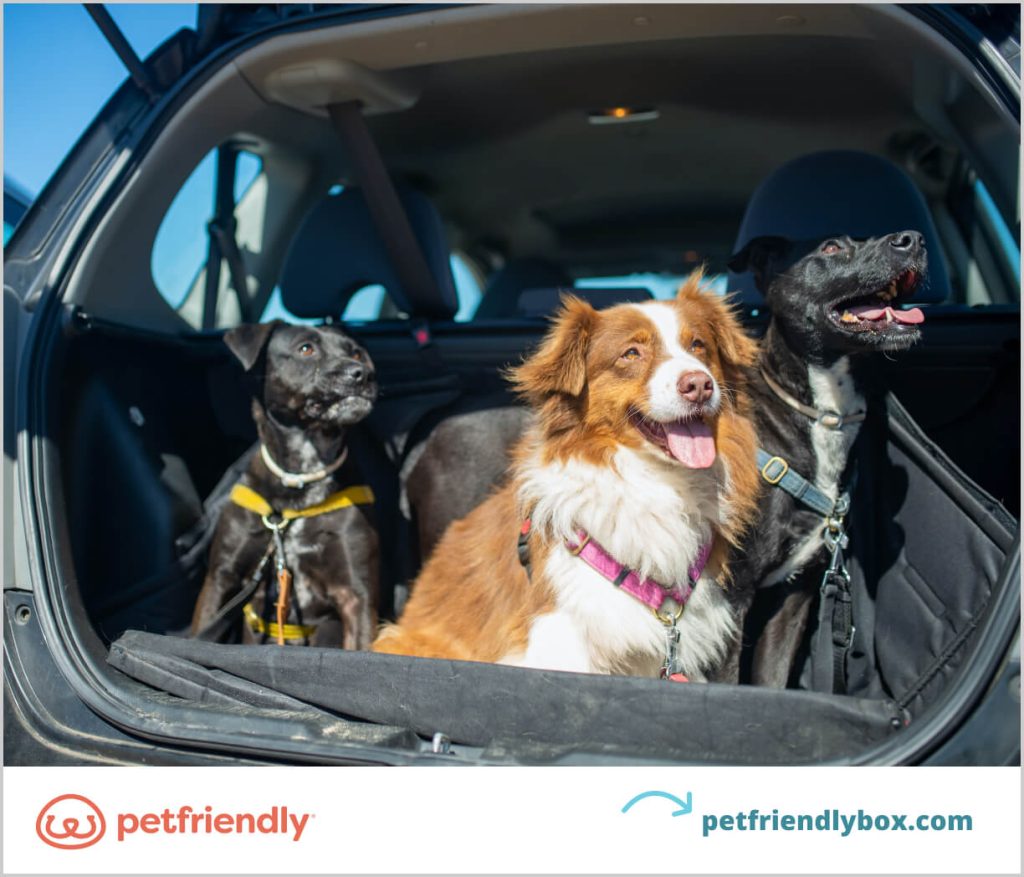
Always secure your dog to prevent sudden movements. Use a harness attached to a seatbelt or a pet seatbelt. Crates are also a safe option for car travel. Make sure the crate is well-ventilated and large enough for your dog to stand and turn around.
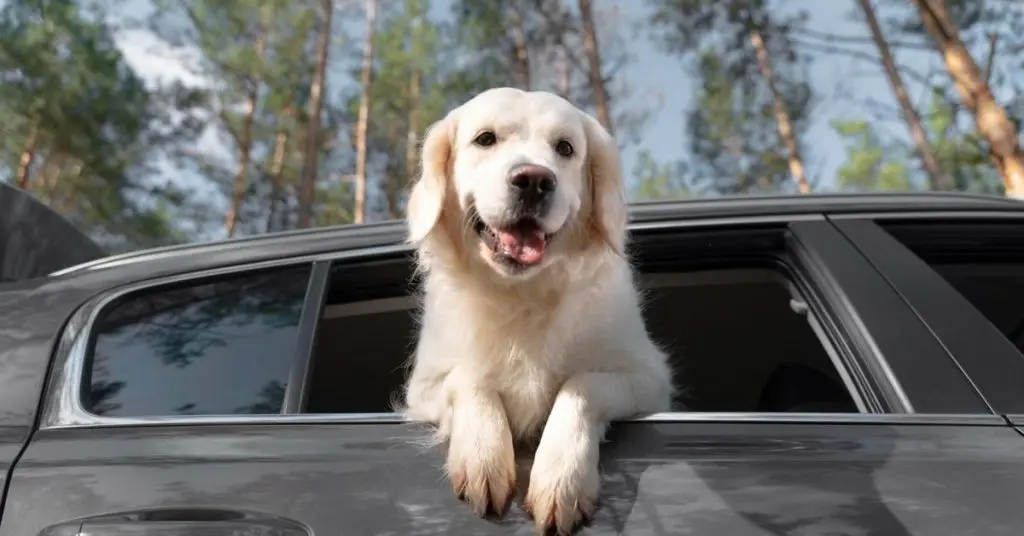
Never let your dog ride with its head outside the window. This can cause injury from debris or sudden stops. Keep your dog in the back seat to avoid airbags that may harm them during an accident.
Avoiding Common Travel Hazards
Keep the car temperature comfortable. Avoid leaving your dog alone in a parked car. Even a short time in heat can be dangerous. Remove any sharp objects or choking hazards from the car. Secure loose items that could fall and hurt your dog during sudden stops.
Plan for frequent stops to let your dog stretch and relieve itself. Avoid feeding your dog right before the trip to reduce car sickness.
Monitoring Your Dog’s Behavior
Watch for signs of stress like panting, whining, or restlessness. Take breaks if your dog seems anxious or uncomfortable. Offer water regularly to keep your dog hydrated.
Talk softly to calm your dog during the drive. Use familiar toys or blankets to provide comfort. Stay alert to your dog’s needs throughout the trip for a safe experience.
Managing Health And Comfort
Keeping your dog calm and hydrated during car trips ensures a safe and pleasant journey. Regular breaks help avoid stress and discomfort for your furry friend. Comfortable space and proper ventilation support your dog’s well-being on the road.
Managing Health and Comfort Traveling with a dog in your car can be a joyful experience. Ensuring their health and comfort is key for a smooth journey. Dogs have unique needs while traveling. Addressing these needs can make the trip enjoyable for both of you.Preventing Motion Sickness
Dogs, like humans, can suffer from motion sickness. To prevent this, avoid feeding your dog right before departure. Offer light meals a few hours before the trip. Ginger treats can help soothe their stomach. Keep the car well-ventilated for fresh air.Keeping Your Dog Hydrated And Fed
Hydration is crucial during travel. Offer small amounts of water regularly. A collapsible water bowl is handy for this. Feeding should be light and spaced out. Opt for small snacks instead of full meals. This prevents stomach upset during the trip.Taking Breaks And Exercise Stops
Regular breaks are essential for your dog’s comfort. Plan stops every two hours for bathroom breaks. Use this time for short walks. Stretching helps relieve their muscles. It also reduces anxiety and boredom. Consider dog-friendly rest areas for exercise.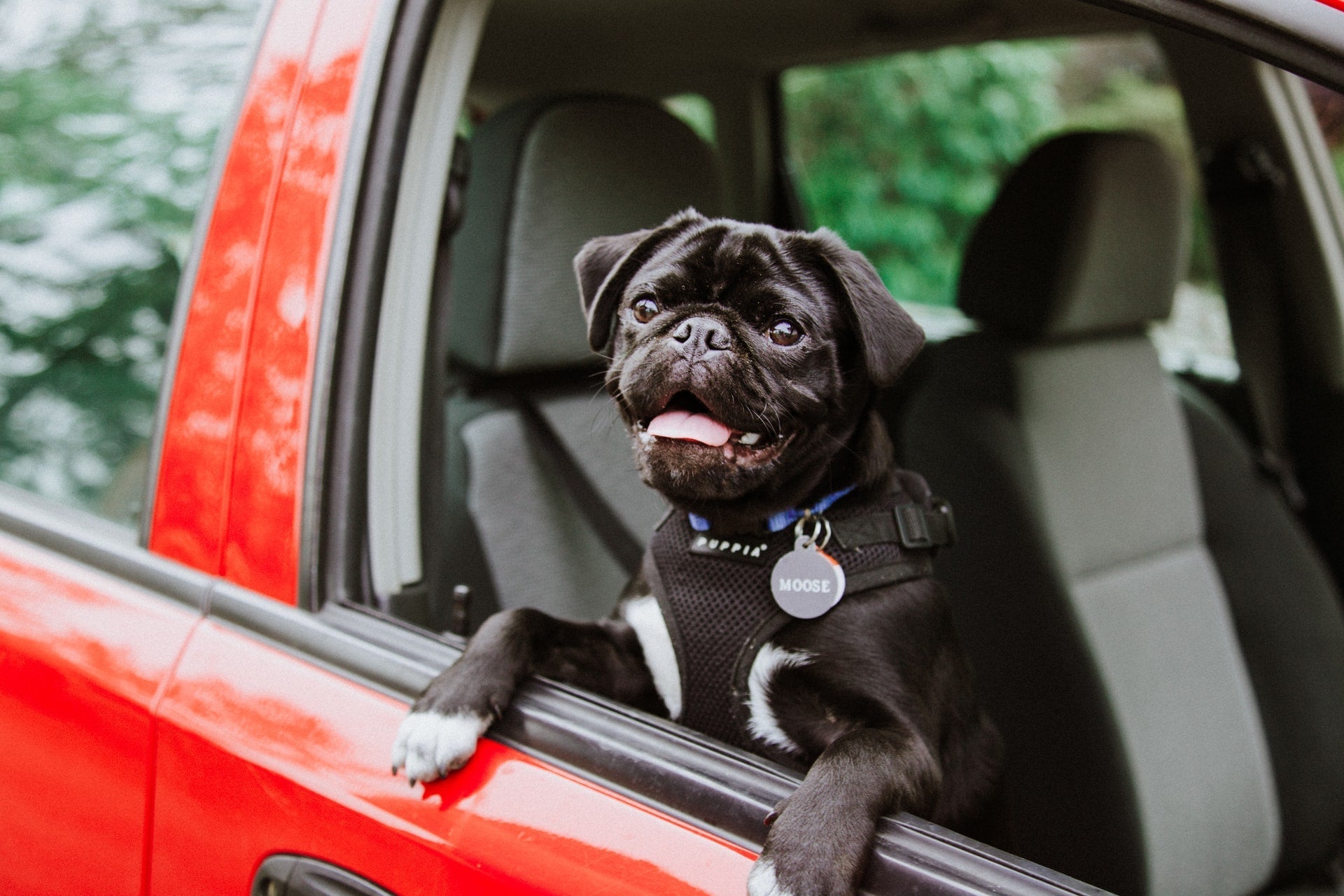
Credit: www.pethonesty.com
Planning Your Route And Stops
Planning your route and stops is key to a smooth trip with your dog. It helps keep your pet comfortable and safe during the drive. Careful planning reduces stress for both of you. It also ensures your dog gets regular breaks for exercise and bathroom needs.
Finding Dog-friendly Rest Areas
Locate rest areas that welcome dogs along your route. Choose spots with grassy areas for your dog to stretch and relieve itself. Some rest stops offer dog parks or fenced spaces for safe play. Use apps and websites that list pet-friendly rest areas. This helps avoid long waits at unsuitable stops.
Scheduling Travel Times
Pick travel times that suit your dog’s routine. Early mornings or late evenings usually have less traffic and cooler temperatures. Avoid the hottest part of the day to prevent overheating. Plan breaks every 1 to 2 hours for water and exercise. Consistent stops keep your dog calm and happy during the trip.
Preparing For Emergency Situations
Carry a first aid kit designed for pets. Include bandages, antiseptic wipes, and any medications your dog needs. Know the locations of nearby veterinary clinics along your route. Keep your dog’s medical records and vaccination info handy. Having a plan in place helps you act quickly if emergencies happen.
Post-trip Care For Your Dog
After a road trip with your dog, the journey doesn’t end when you park the car. Your furry friend needs care to recover and feel comfortable again. Paying attention to their physical and emotional needs helps maintain their health and makes future travels smoother for both of you.
Checking For Stress And Fatigue
Travel can be tiring and overwhelming for dogs. Watch for signs like excessive panting, drooling, or restlessness. Your dog might also seem quieter or more withdrawn than usual.
Take time to let your dog rest in a calm area. Offer fresh water and gentle pets to reassure them. Have you noticed if your dog acts differently after a trip? Identifying stress early helps prevent bigger health issues.
Cleaning And Grooming After Travel
Road trips often mean dirt, dust, and sometimes even bugs hitch a ride on your dog’s coat. A thorough brushing removes loose hair and debris. Wipe their paws and fur with a damp cloth to clear off any grime.
If your dog enjoys baths, a gentle wash can refresh them and reduce irritation. Don’t forget to check their ears and between their toes for any trapped dirt or ticks. Keeping your dog clean after travel avoids skin problems and discomfort.
Rewarding Good Travel Behavior
Positive reinforcement helps your dog associate car trips with good experiences. Give treats, praise, or playtime after the journey to show you appreciate their calmness and patience. This encourages them to behave well in future travels.
Think about what motivates your dog most—is it food, toys, or affection? Use those rewards consistently. How do you celebrate your dog’s good behavior after a trip? A little recognition goes a long way in building trust and cooperation.
Credit: www.vevor.com
Credit: www.vevor.com
Frequently Asked Questions
How To Keep My Dog Safe In The Car?
Use a dog seat belt, harness, or crate to secure your dog. Avoid letting your dog roam freely. Keep windows partially open for ventilation but not enough to let your dog jump out.
What Essentials Should I Pack For Dog Car Travel?
Bring water, food, a leash, waste bags, and your dog’s favorite toys. Also carry a first-aid kit and any medications your dog needs. Frequent breaks are important for bathroom and exercise.
How To Calm A Nervous Dog During Car Rides?
Try calming treats, pheromone sprays, or a favorite blanket. Speak softly and play soothing music. Start with short trips to build comfort and gradually increase travel time.
Can Dogs Travel In The Front Seat Of A Car?
It’s safer to keep dogs in the back seat. Front airbags can injure pets during accidents. Use proper restraints to protect your dog regardless of seating.
Conclusion
Traveling with your dog in the car can be fun and safe. Plan breaks for your dog to stretch and drink water. Use a seatbelt or crate to keep your dog secure. Bring favorite toys and treats to keep your dog calm.
Watch for signs of stress or discomfort during the trip. A happy dog means a happier journey for you. Enjoy the time together and make great memories on the road. Safe travel starts with good preparation and care for your pet.