
Are you planning a trip and want to bring your dog along for the ride? Traveling with your dog in the car can be a fun and rewarding experience, but it also comes with its own set of challenges.
How do you keep your furry friend safe and comfortable? What should you pack to make the journey smooth? You’ll discover simple tips and clever tricks that make car trips with your dog easier and more enjoyable for both of you.
Keep reading to learn how to turn your next drive into a happy adventure for your best companion.
Preparing Your Dog For The Trip
Preparing your dog for a car trip is key to a smooth journey. Comfort and safety must come first. A calm dog makes travel easier for everyone.
Start preparation well before the trip date. Let your dog get used to the car environment slowly. This helps reduce stress and anxiety during travel.
Choosing The Right Gear
Select gear that keeps your dog safe and comfortable. Use a sturdy harness or a travel crate. Both prevent sudden movements and keep your dog secure.
Invest in a non-slip mat for the crate or car seat. This stops sliding and keeps your dog steady. Choose a collar with an ID tag. It is important in case of emergencies.
Training For Car Rides
Help your dog enjoy car rides through training. Start with short trips around the block. Gradually increase the length of rides to build tolerance.
Reward calm behavior with treats and praise. Teach your dog to stay seated or lie down during the trip. This reduces distractions and keeps everyone safe.
Packing Essentials
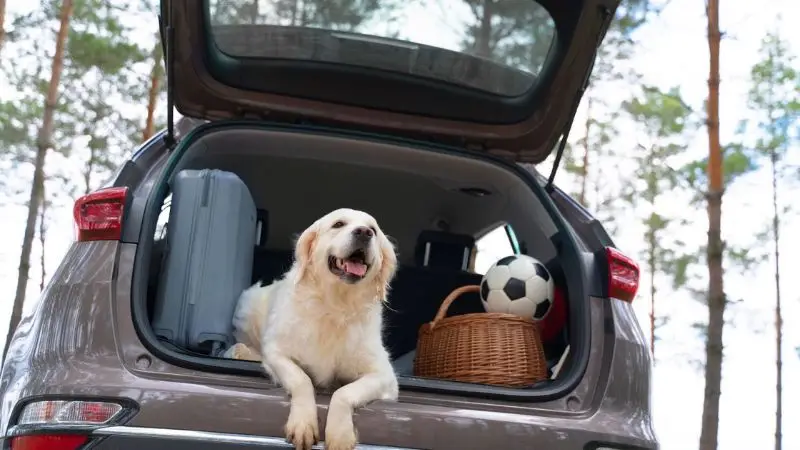
Pack items your dog will need during the trip. Include water, food, and bowls for easy feeding. Bring a leash for stops and potty breaks.
Don’t forget waste bags to clean up after your dog. Pack a favorite toy or blanket for comfort. Keep any medications handy and note emergency contacts.
Credit: www.vevor.com
Car Safety Tips For Dogs
Keeping your dog safe during car trips is essential for a stress-free journey. Dogs can get hurt or cause distractions if they aren’t properly secured. Let’s look at some practical tips that protect your furry friend and keep your drive smooth.
Using Restraints And Carriers
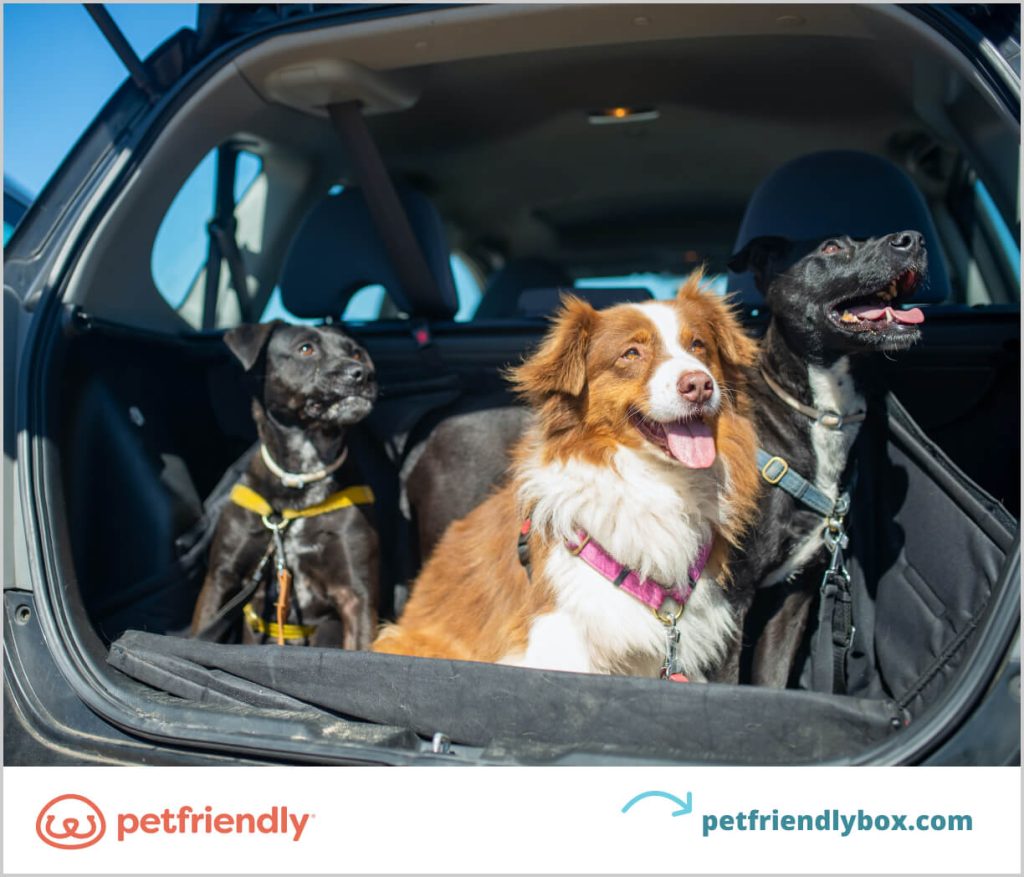
Using a proper restraint or carrier keeps your dog secure and prevents sudden movements. Harnesses that attach to seat belts limit your dog’s motion while allowing comfort. Choose carriers that are well-ventilated and fit your dog’s size to avoid discomfort during longer rides.
I once forgot to buckle my dog in, and a sharp brake sent him flying into the front seat. That experience taught me to never skip restraints, no matter how short the trip.
- Use a crash-tested harness or a secured crate.
- Ensure the restraint fits snugly but doesn’t restrict breathing or movement.
- Test your setup before hitting the road to make sure your dog feels comfortable.
Securing The Vehicle Environment
Loose objects can become dangerous projectiles during sudden stops. Keep the back seat or cargo area clear of bags, toys, or other items that could harm your dog. Window guards or slightly lowered windows can provide fresh air without risking escape.
Have you noticed how dogs sometimes try to jump out of open windows? Securing the environment stops these risky moments before they start.
- Lock windows or use window guards to prevent your dog from sticking its head out too far.
- Remove or secure loose items in the car to avoid injuries.
- Use pet barriers if your dog rides in the back to keep them from distracting the driver.
Preventing Motion Sickness
Motion sickness can make car rides miserable for dogs and owners alike. Avoid feeding your dog a large meal right before travel to reduce nausea. Open windows slightly for fresh air, and take frequent breaks to give your dog a chance to stretch and hydrate.
Once, I noticed my dog panting heavily and drooling during a trip. A quick stop and some fresh air helped her recover fast. This showed me how important it is to watch for early signs of motion sickness.
- Keep your dog’s stomach light before the trip.
- Ensure good ventilation inside the car.
- Offer water during breaks but avoid overhydration to prevent upset stomach.
- Consider consulting your vet about anti-nausea medication if your dog is prone to motion sickness.
Planning The Route And Stops
Traveling with your dog in the car can be a joyful experience. To ensure a smooth journey, planning the route and stops is essential. This helps keep your furry friend happy and comfortable. Consider the needs of your dog and plan accordingly. Here are some tips to make your travel more enjoyable.
Scheduling Breaks For Exercise And Relief
Dogs need regular breaks during long journeys. Plan stops every two to three hours. Allow your dog to stretch and relieve itself. Short walks help reduce stress and keep them calm. It also gives them a chance to explore new surroundings.
Finding Dog-friendly Rest Areas
Not all rest areas welcome dogs. Research dog-friendly stops along your route. Many offer grassy areas for your pet to play. Check online reviews or apps to find the best spots. This ensures you have a welcoming place to pause and refresh.
Keeping Hydration And Snacks Handy
Always have water available for your dog. Traveling can make them thirsty. Carry a portable water bowl for convenience. Pack healthy snacks to keep their energy up. Avoid feeding heavy meals during travel to prevent motion sickness.
Credit: www.vevor.com
Comfort And Entertainment
Keeping your dog comfortable and entertained during car trips makes the journey better for both of you. Dogs can get restless or anxious in a moving vehicle, so thoughtful preparation helps keep them calm and happy. Focusing on temperature, familiar items, and calming techniques ensures your furry friend enjoys the ride as much as the destination.
Maintaining A Comfortable Temperature
Temperature control is crucial for your dog’s comfort and safety in the car. Make sure the air conditioner or heater is set to a mild, steady temperature—avoid extremes that can stress your dog.
Watch for signs of overheating like heavy panting or drooling. If your dog seems cold, provide a warm blanket or pause for a quick stretch break. Have you checked your car’s rear window shades? They can help block harsh sunlight and keep the cabin cooler.
Bringing Familiar Toys And Blankets
Familiar toys and blankets act as comfort anchors for your dog during travel. They provide a sense of security by bringing a piece of home on the road.
Choose favorite chew toys or soft blankets that smell like your home. This can reduce stress and prevent boredom. Have you noticed how your dog curls up with their blanket when feeling nervous? Bringing these items can recreate that feeling in the car.
Calming Techniques For Anxious Dogs
If your dog shows signs of anxiety, simple calming techniques can make a big difference. Gentle petting or talking softly can soothe your pet during the ride.
- Try using a calming vest or wrap designed to reduce anxiety.
- Play soft, calming music or white noise to mask road sounds.
- Consider short breaks for walks to release excess energy.
Have you tried these methods before, or noticed what calms your dog most? Tailoring your approach based on your dog’s reactions can turn travel stress into a smooth experience.
Health And Emergency Preparedness
Traveling with your dog means more than packing toys and treats. You must be ready for health needs and unexpected emergencies on the road. Having a plan can keep your furry friend safe and comfortable, even far from home.
Carrying Medical Records And Supplies
Always carry your dog’s medical records. These include vaccination history, allergies, and any ongoing treatments. Having this information handy can save precious time in an emergency.
Pack a small first-aid kit with essentials like bandages, antiseptic wipes, tweezers, and any prescribed medications. Don’t forget a copy of your vet’s contact details and a recent photo of your dog. These items make a big difference if your dog gets hurt or sick during the trip.
Knowing Nearby Veterinary Clinics
Before you hit the road, research veterinary clinics along your route and near your destination. Store their addresses and phone numbers in your phone and write them down on paper. This helps if your phone battery dies or there’s no signal.
Check clinic hours and emergency services offered. Some places might not have 24/7 care, so knowing alternatives is crucial. Have you ever tried to find a vet in a new town under stress? Planning ahead avoids that panic.
Recognizing Signs Of Stress And Illness
Dogs can’t tell you when something is wrong, but their behavior gives clues. Watch for excessive panting, drooling, shaking, or hiding. These might indicate stress or illness.
Look for changes in appetite, vomiting, diarrhea, or unusual lethargy. Early detection lets you act fast and prevent serious issues. How well do you know your dog’s normal behavior? Paying close attention can save their life on the road.
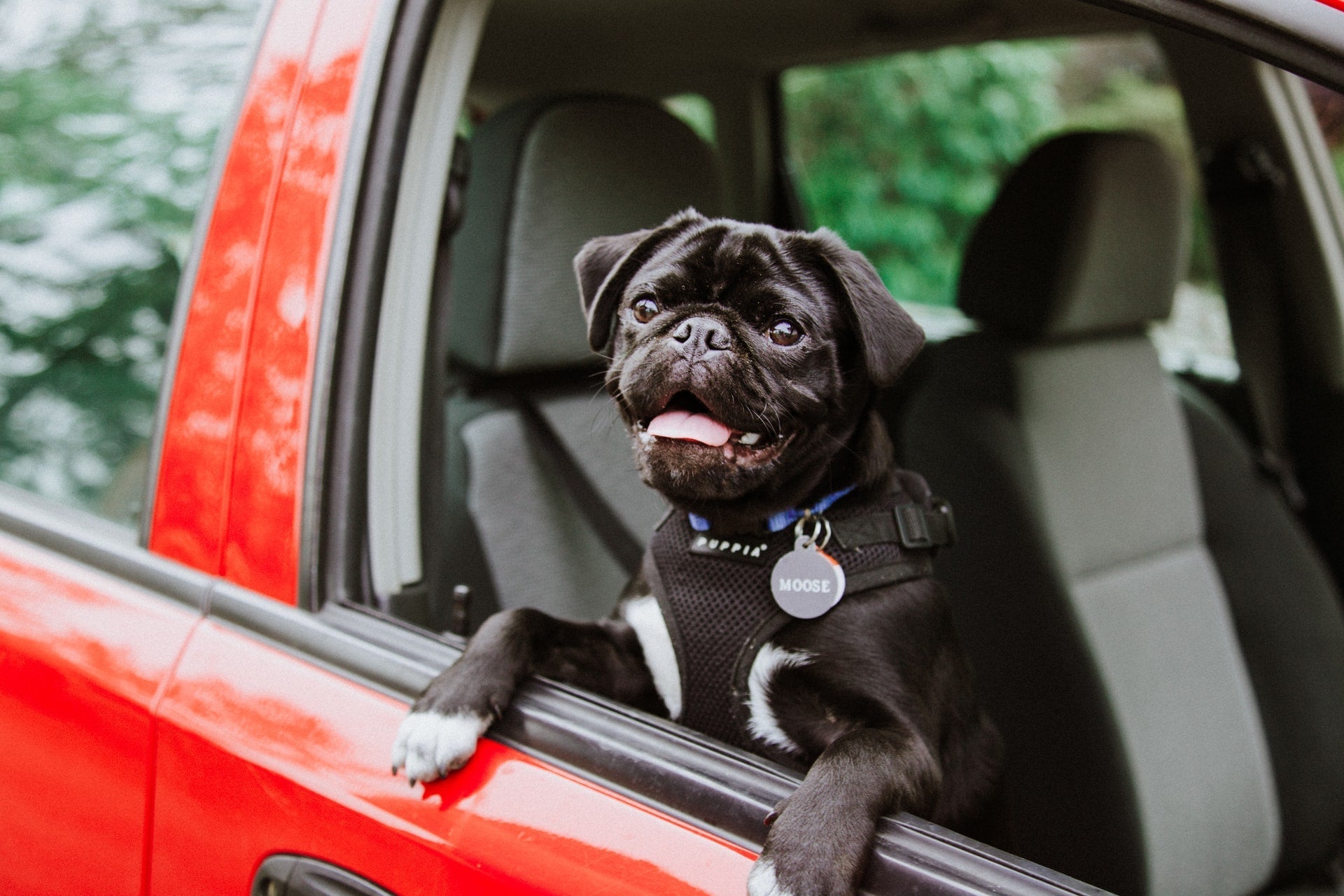
Credit: www.pethonesty.com
Frequently Asked Questions
How To Keep My Dog Safe In The Car?
Use a well-fitted dog seat belt or a secured crate. Never let your dog ride with their head out the window. Always keep them in the back seat to avoid distractions and injuries during sudden stops.
What Essentials Should I Pack For Dog Car Travel?
Bring water, a bowl, leash, waste bags, and your dog’s favorite toys. Pack some treats and a blanket for comfort. Also, carry any necessary medications and a first aid kit for emergencies.
How To Prepare My Dog For A Long Car Trip?
Gradually acclimate your dog to car rides with short trips first. Ensure they are well-exercised before the journey to reduce anxiety. Take regular breaks for bathroom and water to keep your dog comfortable.
Can Dogs Get Car Sick, And How To Prevent It?
Yes, dogs can experience motion sickness. Feed them a light meal a few hours before travel. Keep the car cool and well-ventilated. Consult your vet for anti-nausea medication if needed.
Conclusion
Traveling with your dog in the car can be fun and safe. Plan ahead to keep your pet comfortable and calm. Use proper restraints to protect both of you. Take breaks for water and bathroom stops. Keep the car cool and bring favorite toys.
These steps make the trip more enjoyable. Your dog will thank you with happy, wagging tails. Enjoy every moment of your journey together. Safe travels!