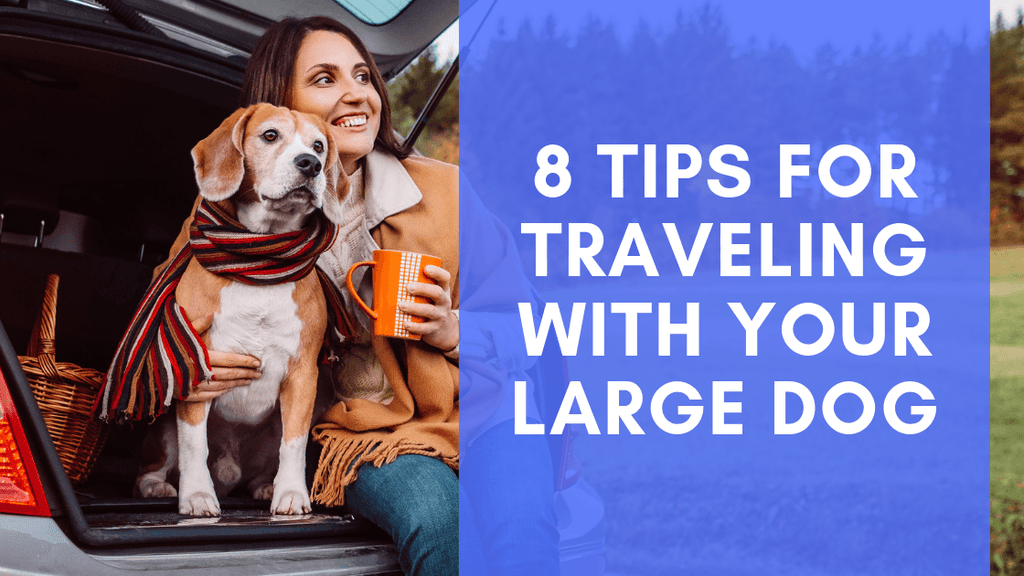

Traveling with your large dog can be an exciting adventure, but it also comes with unique challenges. You want to make sure your furry friend is comfortable, safe, and happy throughout the trip.
Whether you’re planning a road trip, a flight, or a stay at a pet-friendly hotel, there are important tips you need to know. Keep reading, and you’ll discover how to make your travel experience smooth and enjoyable—for both you and your big companion.
Credit: www.amazon.ca
Preparing Your Dog For Travel
Preparing your large dog for travel ensures a smooth and safe journey. It helps reduce stress for both you and your pet. Careful preparation can prevent common problems during trips.
Start early to give your dog time to adjust. Planning ahead creates a positive travel experience. Focus on health, behavior, and packing essentials for your dog.
Health Check And Vaccinations
Visit the vet before traveling. A full health check confirms your dog is fit to travel. Ask the vet about any travel-specific vaccines.
Keep vaccination records handy. Some places require proof of vaccinations. Treat any health issues before the trip.
Discuss flea and tick prevention. These pests can cause problems during travel. Ask about motion sickness remedies if your dog is prone to it.
Training For Travel Behavior
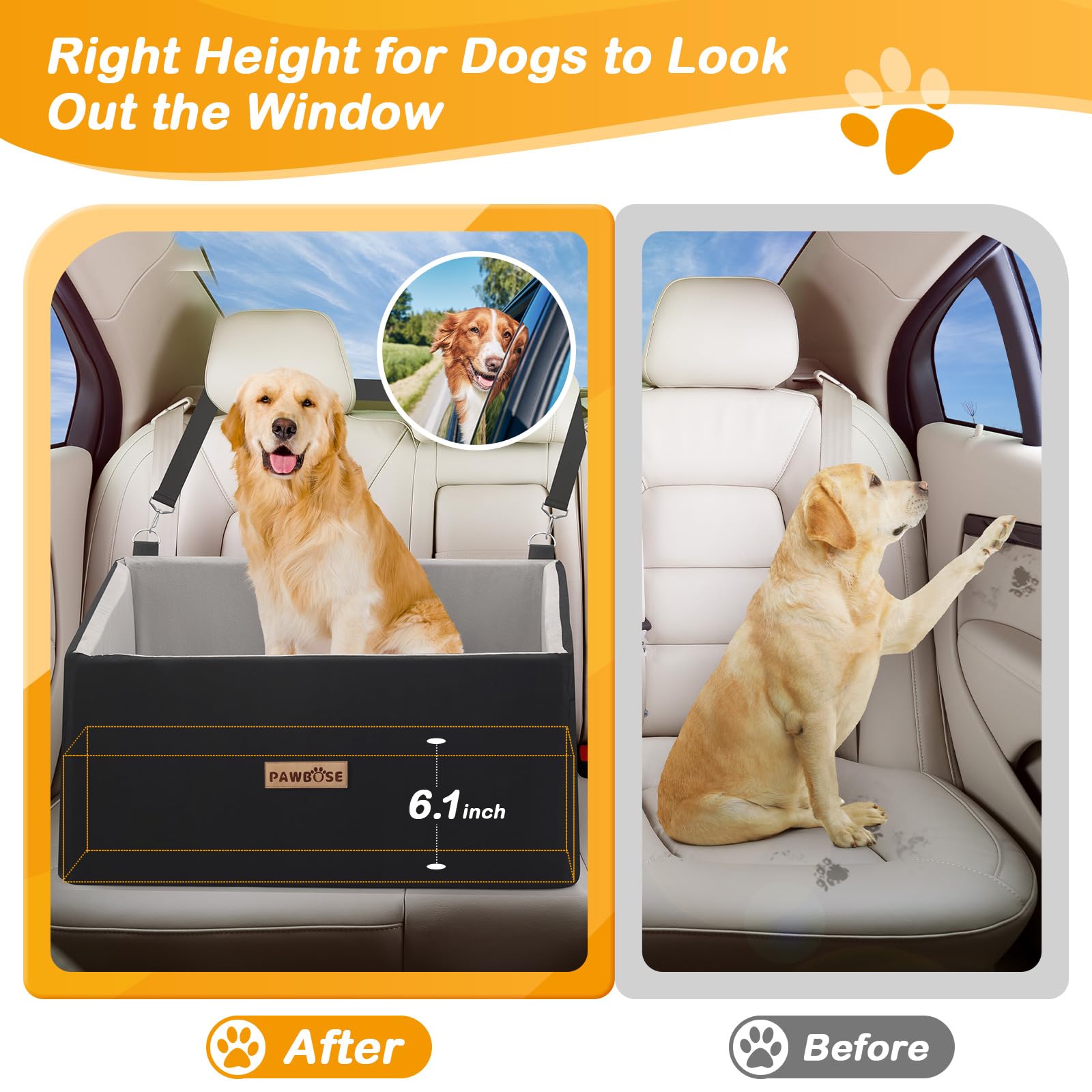
Train your dog to stay calm in new settings. Practice sitting and lying down during car rides. Use a crate or seat belt harness for safety.
Teach your dog to accept being handled. This helps during security checks and vet visits. Reward calm behavior with treats and praise.
Introduce short trips first. Gradually increase travel time. This helps your dog get used to the motion and environment.
Packing Essentials For Your Dog
Bring familiar items to comfort your dog. Include a favorite blanket or toy. Pack enough food and water for the entire trip.
Don’t forget bowls for food and water. Carry waste bags and cleaning supplies. Include a leash and collar with ID tags.
Prepare a small first-aid kit. Include bandages, antiseptic wipes, and any medication your dog needs. Having these ready avoids last-minute problems.
Credit: www.temu.com
Choosing The Right Travel Method
Choosing how to travel with your large dog depends on several factors like distance, your dog’s temperament, and comfort. Each mode of travel has its own challenges and perks. Understanding these can help you pick the best option to keep your furry friend safe and happy throughout the journey.
Car Travel Tips
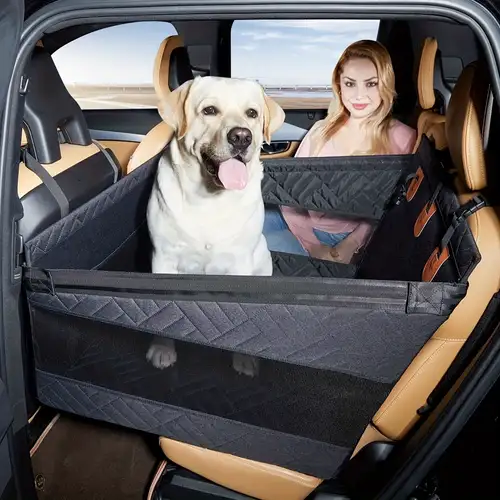
Traveling by car offers flexibility and control over your dog’s environment. Make sure your dog has a secure harness or a well-ventilated crate to prevent distractions while driving.
Plan for regular breaks every two hours to let your dog stretch and relieve itself. Bring plenty of water and some favorite toys to keep your dog calm and engaged.
If your dog gets car sick, try feeding smaller meals before travel and consult your vet about possible remedies. Have you noticed how your dog reacts to long car rides? Adjust your plans accordingly to reduce stress.
Flying With Large Dogs
Flying can be stressful but sometimes necessary for longer trips. Airlines usually require large dogs to travel in the cargo hold, so check the airline’s pet policies before booking.
Invest in an airline-approved crate that is sturdy and spacious enough for your dog to stand, turn, and lie down comfortably. Label the crate clearly with your contact details and your dog’s information.
Consider your dog’s health and temperament; some dogs handle flying better than others. Would your dog stay calm in a noisy, unfamiliar environment? If not, it might be worth exploring other travel methods.
Public Transportation Options
Public transport like buses and trains can be convenient, but not all allow large dogs onboard. Always verify pet policies before you travel to avoid surprises.
If allowed, keep your dog leashed or in a suitable carrier and ensure they remain calm during the ride. Bring treats and familiar items to comfort your dog.
Think about the duration and crowd level of your route. Is your dog comfortable around strangers and noise? Your dog’s behavior will determine how smooth this travel experience is for both of you.
Ensuring Safety On The Road
Traveling with a large dog requires secure restraints to keep both pet and driver safe. Using a harness or crate helps prevent distractions and accidents on the road. Planning frequent breaks ensures comfort and reduces stress for your dog during long trips.
Traveling with a large dog can be a joyful adventure, but ensuring their safety on the road is crucial. As you prepare for a road trip with your furry friend, consider various aspects that contribute to their well-being and comfort. From securing them properly in the vehicle to managing their anxiety, every detail counts in making the journey pleasant for both you and your dog.Securing Your Dog In Vehicles
Ensuring your dog is safely secured in the vehicle is a priority. Use a crash-tested harness or a pet seatbelt to keep them in place. Alternatively, a well-ventilated crate can provide a secure and comfortable space for your dog. Avoid letting your dog roam freely in the car as it can be distracting and dangerous. A sudden stop or sharp turn can cause injury if they are not properly restrained. Choose a restraint that suits your dog’s size and comfort, ensuring they can sit and lie down easily.Frequent Breaks And Exercise
Long hours in the car can be tiresome for your dog. Plan regular stops every couple of hours to allow them to stretch, relieve themselves, and explore a bit. These breaks are not just for exercise but also help in reducing restlessness. Choose pet-friendly rest stops where your dog can safely walk around. Bring a leash to keep them secure during these outings. These breaks are also an excellent opportunity for you to bond and make the journey more enjoyable.Managing Anxiety And Motion Sickness
Travel can sometimes make dogs anxious or cause motion sickness. Keep their favorite toys or blankets in the car to provide comfort and familiarity. Aromatherapy with calming scents like lavender can also help soothe nerves. For dogs prone to motion sickness, avoid feeding them right before the trip. Consult your vet about anti-nausea medication if necessary. Observing your dog’s behavior will help you understand their needs and adjust accordingly. How do you ensure your dog’s comfort and safety during road trips? Share your tips and experiences in the comments below!
Credit: deemeed.com
Finding Dog-friendly Accommodations
Finding the right place to stay is key when traveling with a large dog. Not all accommodations accept pets, and some have size limits. Knowing where to find dog-friendly options helps avoid stress and keeps your trip smooth. This section covers various places that welcome big dogs and important rules to follow.
Hotels And Rentals That Welcome Pets
Many hotels now allow pets, but rules vary by location. Some hotels have special pet rooms or floors. Rentals like cabins or apartments often welcome large dogs too. Always check pet policies before booking. Look for places that offer:
- Spacious rooms or yards
- Easy access to outdoor areas
- Pet amenities like beds or bowls
Booking early helps secure spots in popular pet-friendly places.
Camping With Large Dogs
Camping can be a great way to enjoy nature with your dog. Many campgrounds allow large dogs on leash. Some even have dog parks or trails nearby. Bring enough water and shade for your pet. Check if the campsite has rules about:
- Leash length and control
- Waste disposal requirements
- Quiet hours to respect other campers
Prepare for weather changes and bugs to keep your dog safe.
Local Regulations And Restrictions
Rules for large dogs differ by city and state. Some places require special permits or breed restrictions. Always research local laws before traveling. Pay attention to:
- Leash laws and designated pet areas
- Vaccination and health certificate requirements
- Noise and behavior rules
Following these rules helps avoid fines and ensures a good experience.
Maintaining Your Dog’s Comfort
Traveling with a large dog comes with unique challenges, especially when it comes to keeping your furry friend comfortable. Comfort isn’t just about physical space; it includes their diet, temperature, and the environment around them. Paying attention to these details can make the journey enjoyable for both you and your dog.
Feeding And Hydration Tips
Keeping your dog well-fed and hydrated during travel is crucial. Avoid feeding large meals right before or during the trip to prevent discomfort or nausea. Instead, offer smaller, frequent meals and always carry fresh water.
Using a spill-proof water bowl can save you from messes. You might also want to freeze some water in a bottle for slow melting, which keeps water cool and fresh for longer. Have treats handy to reward good behavior and keep your dog engaged.
Keeping Your Dog Cool Or Warm
Temperature control can make or break your dog’s comfort on the road. In warm weather, provide shade and ventilation, and never leave your dog alone in a parked car. Cooling mats or damp towels can help lower their body temperature.
In colder climates, pack a cozy blanket or dog jacket. Large dogs often have thick fur, but they still need extra warmth during chilly stops. Pay attention to signs like shivering or restlessness, which indicate your dog might be too cold or hot.
Creating A Familiar Environment
Your dog feels safest with familiar scents and items. Bring along their favorite blanket, bed, or toys to create a little home away from home. This helps reduce anxiety and makes rest stops more relaxing.
Try to maintain your dog’s usual routine as much as possible. Feeding, walking, and resting at regular intervals signals security and normalcy. Have you noticed how your dog reacts differently to new places? Familiar items can be the calming factor they need.
Handling Emergencies On The Go
Traveling with a large dog can bring unexpected challenges. Emergencies can happen anytime during your trip. Being ready for these moments keeps your dog safe and calm. Preparation helps you handle urgent situations without panic. Knowing basic first aid, finding vets quickly, and having travel insurance are key steps. These prepare you well to face emergencies on the go.
First Aid Basics For Dogs
Learn simple first aid skills for your dog. Carry a pet first aid kit with you. Include items like:
- Gauze pads and bandages
- Antiseptic wipes
- Tweezers for removing splinters or ticks
- Digital thermometer
- Hydrogen peroxide (to induce vomiting if advised)
- Disposable gloves
Know how to stop bleeding and perform CPR. Check your dog’s breathing and pulse regularly. Practice gentle handling to avoid worsening injuries. Learn signs of heatstroke, allergic reactions, and choking.
Locating Vets And Clinics
Identify vets and emergency clinics along your route. Use apps or websites for quick searches. Save contact numbers and addresses on your phone. Ask locals or pet-friendly hotels for recommendations. Know the hours and services offered by clinics. Plan stops near veterinary care in unfamiliar areas. Keep a printed list in case your phone battery dies.
Travel Insurance Considerations
Check if your pet insurance covers travel emergencies. Choose plans that include veterinary care on the road. Understand what situations the insurance covers. Keep all insurance documents accessible during travel. Consider additional travel insurance for your dog. This reduces costs during unexpected medical visits. Review the policy’s claim process beforehand.
Frequently Asked Questions
What Essentials Should I Pack For Traveling With A Large Dog?
Pack food, water, leash, waste bags, and a comfy bed for your large dog. Include any medications and vaccination records. Bring toys and treats to keep them calm during travel. Always carry a first-aid kit designed for pets.
How Can I Keep My Large Dog Safe During Car Trips?
Use a sturdy crate or a dog seat belt to secure your pet. Never let your dog ride with their head outside the window. Take regular breaks for exercise and bathroom needs to keep them comfortable and calm.
Are There Special Airline Rules For Traveling With Large Dogs?
Yes, airlines often require large dogs to travel in the cargo hold. Check airline policies for crate size, weight limits, and health certificates. Book your pet’s spot early, as some flights have limited space for animals.
How Do I Find Dog-friendly Accommodations For Large Dogs?
Look for hotels and rentals that explicitly allow large dogs. Use pet-friendly travel websites and apps to find suitable lodging. Always confirm pet policies before booking to avoid surprises. Bring your dog’s bedding to make them feel at home.
Conclusion
Traveling with a large dog takes planning and care. Choose the right gear for comfort and safety. Keep your dog calm with familiar toys and treats. Take breaks often to let your dog stretch and relax. Always check pet-friendly places before you go.
Enjoy the journey and create great memories together. Traveling can be fun and smooth with your big furry friend. Stay patient and flexible. Your dog will appreciate the adventure as much as you do.