
Traveling with your dog can be an amazing experience, but it also comes with its own set of challenges. You want your furry friend to be comfortable and safe, while you enjoy every moment of the trip without stress.
Imagine knowing exactly what to pack, how to prepare, and what to expect at every step. This guide will give you simple, practical tips to make your journey smooth and fun for both you and your dog. Ready to discover how easy and rewarding traveling together can be?
Keep reading, and you’ll be all set for your next adventure.
Choosing Dog-friendly Destinations
Choosing destinations that welcome your dog can make or break your trip. It’s not just about finding places that allow pets but those that make your furry friend feel comfortable and happy too. Think about spots where your dog can safely roam, explore, and enjoy new experiences alongside you.
Researching Pet Policies
Start by checking the pet policies of the places you’re interested in. Some cities or parks have strict leash laws, while others offer off-leash areas or dog parks. You might be surprised how different rules can be from one place to another.
Look for local regulations on dog vaccinations, breed restrictions, and even seasonal rules. Websites, travel forums, and local government pages are great sources for this info. Asking locals or pet owners who’ve visited can save you from unexpected hassles.
Finding Dog-friendly Accommodations
Finding a place to stay that welcomes dogs is crucial. Many hotels and vacation rentals now offer pet-friendly rooms, but their rules vary—some limit size or charge extra fees. Check reviews specifically mentioning pets to get the real picture.
Consider alternatives like cabins, campgrounds, or even pet-friendly B&Bs. These options often provide more space and a relaxed environment for your dog. Don’t forget to ask about nearby walking areas or dog amenities that can make your stay smoother.
Selecting Outdoor Activities For Dogs
Choose activities that suit your dog’s energy and temperament. If your dog loves water, look for beaches or lakes where dogs are allowed to swim. For active pups, hiking trails with dog-friendly paths can be perfect.
Remember to plan for breaks and bring water and waste bags. Think about how your dog reacts to crowds, noise, or new environments—will they enjoy a bustling farmers market, or would a quiet nature walk be better?

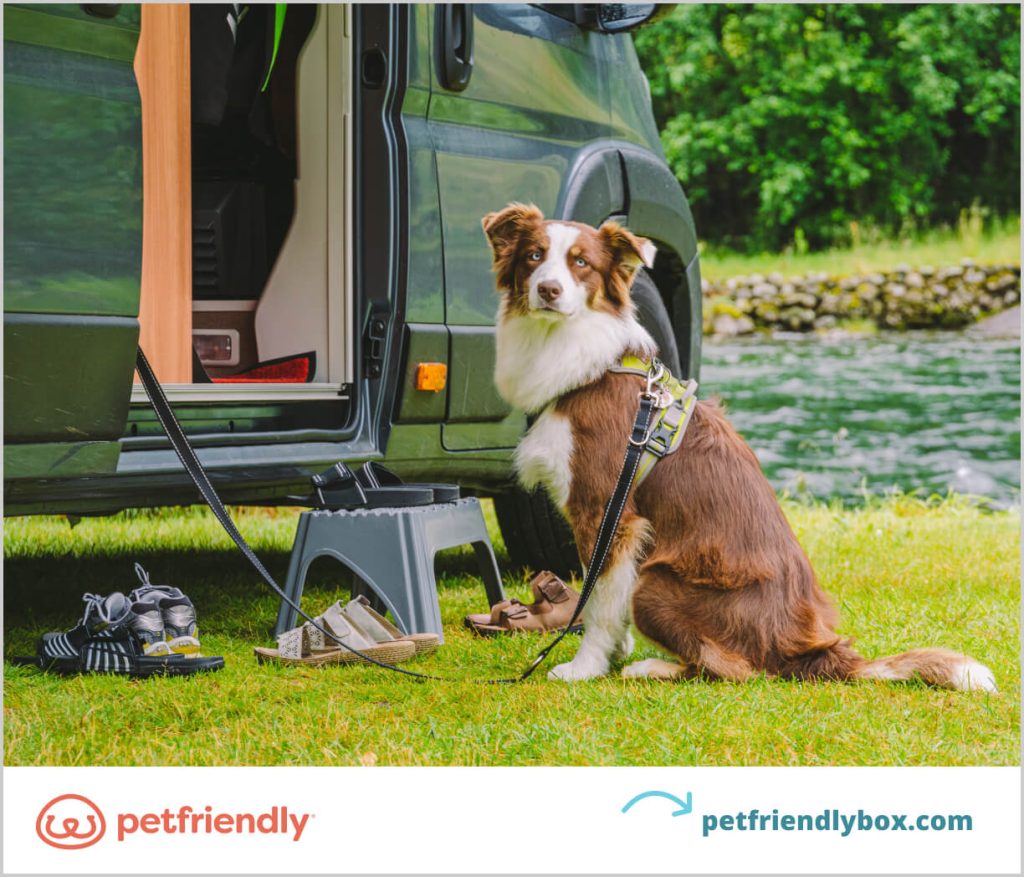
Credit: petfriendlybox.com
Preparing Your Dog For Travel
Getting your dog ready for a trip means more than just packing their favorite toys. It involves careful preparation to keep your furry friend safe, comfortable, and happy on the road. You want to make sure your dog can handle the journey without stress or health issues.
Health Checkups And Vaccinations
Before traveling, schedule a vet visit to ensure your dog is healthy enough for the trip. Ask about any vaccinations or booster shots needed, especially if you’re crossing state lines or traveling internationally.
Discuss preventive measures for parasites, like ticks and fleas, which can be more common in new environments. Also, get a copy of your dog’s health records and any medication instructions. Have you checked if your destination requires specific vaccines or health certificates?
Packing Essentials For Your Dog
Packing for your dog is about covering all the basics to keep them comfortable and safe. Bring enough food and water for the entire trip, plus a little extra in case of delays.
Don’t forget items like:
- Collar with ID tags and a leash
- Comfortable crate or carrier
- Favorite toys and a blanket
- Waste bags for clean-up
- Any medications or supplements
Think about what keeps your dog calm and happy. A familiar blanket or chew toy can reduce anxiety during travel.
Training For Travel Behavior
Travel can be overwhelming for a dog who isn’t used to it. Start training your dog to get comfortable with the carrier or car rides well before your trip.
Practice short trips and gradually increase the duration to help your dog adjust. Reward calm behavior with treats and praise to reinforce positive associations.
Consider teaching your dog simple commands like “sit” and “stay” to maintain control during stops or busy areas. How does your dog usually react to new environments? Preparing their behavior can make all the difference on the road.
Traveling By Car With A Dog
Traveling with a dog requires careful planning to keep your pet safe and comfortable. Bring water, snacks, and take regular breaks for exercise and bathroom needs. Use a secure harness or crate to prevent distractions while driving.
Traveling by car with a dog can be a delightful adventure if done right. Your furry friend can make a great travel companion, providing company and entertainment on long drives. However, ensuring their safety and comfort is crucial to make the journey enjoyable for both you and your pet.Safety Measures And Restraints
Ensuring your dog’s safety during the car ride is paramount. Using a pet seatbelt or a secured crate can prevent accidents and injuries. Never allow your dog to roam freely in the car—it can be dangerous for both of you. Consider installing a pet barrier if you drive an SUV. This helps keep your dog in a designated area and minimizes distractions. Have you thought about how a sudden stop might impact your pet?Planning Rest Stops
Regular rest stops are essential for your dog’s well-being. Plan to take a break every two to three hours. This gives your dog a chance to stretch their legs, relieve themselves, and drink water. Find pet-friendly rest areas along your route. Some even have designated dog parks where your furry friend can run around. How do you think a bored dog behaves on a long ride? A quick play session can work wonders.Managing Motion Sickness
Motion sickness can turn a fun trip into a nightmare for your dog. If your pet is prone to nausea, consider feeding them a light meal a few hours before the journey. Avoid feeding them right before you hit the road. Consult your vet for suitable medications if your dog struggles with severe motion sickness. You could also try using natural remedies like ginger treats. Keeping a window slightly open for fresh air might help too. Have you ever noticed how your dog reacts to the changing scenery?
Credit: petsfit.com
Flying With Your Dog
Flying with your dog can be a smooth experience if you plan carefully. It demands attention to airline rules, your pet’s comfort, and necessary documents. Preparing well ensures both you and your furry friend arrive happy and stress-free.
Booking Pet-friendly Flights
Start by choosing airlines that welcome pets. Some carriers allow small dogs in the cabin, while others require larger pets to travel in cargo. Check the airline’s pet policies before booking to avoid surprises at the airport.
Consider flight times too. Early morning or late evening flights are often less crowded and cooler, which is better for your dog’s comfort. You might also want to pick direct flights to minimize stressful layovers.
Airport Procedures And Documentation
Arrive at the airport early to give yourself extra time for pet check-in. You’ll need health certificates and vaccination records ready—airlines typically require these documents for your dog.
Security screening can be tricky. Usually, you’ll carry your dog through the metal detector while their carrier passes separately. Make sure your dog is used to the carrier beforehand to keep them calm during this process.
In-cabin Vs Cargo Travel
Deciding whether your dog flies in the cabin or cargo depends on their size and temperament. Small dogs usually fly with you in a carrier under the seat, which allows you to keep an eye on them.
Larger dogs must travel in climate-controlled cargo holds. This option feels risky for many owners, but choosing airlines with good pet handling reputations helps reduce worry.
How well does your dog handle separation and new environments? This question will guide your choice and ensure a safer, more comfortable journey for your pet.
Keeping Your Dog Comfortable On The Go
Traveling with your dog can be a joyful experience, but keeping them comfortable on the go requires attention and care. Your dog’s well-being influences the entire trip, so small efforts can make a big difference. Let’s look at practical ways to ensure your dog stays happy and relaxed throughout your journey.
Maintaining Hydration And Nutrition
Dehydration is a common risk during travel, especially in warm weather or long drives. Always carry fresh water and a portable bowl to encourage regular drinking. Avoid letting your dog drink from unfamiliar sources like roadside puddles, which might carry bacteria.
Feeding schedules can get disrupted, but sticking to your dog’s usual diet helps prevent tummy troubles. Pack your dog’s regular food and treats rather than trying new snacks on the road. If you plan long trips, break meals into smaller portions to avoid motion sickness.
Handling Anxiety And Stress
Travel can be stressful for dogs, even those who love new experiences. Watch for signs like panting, whining, or restlessness, which indicate anxiety. Bringing a favorite blanket or toy can provide comfort and a sense of familiarity.
If your dog is prone to anxiety, consider calming aids such as anxiety wraps or pheromone sprays. Have you tried gentle massage techniques during stops? They can help soothe your dog and build positive travel associations.
Providing Entertainment And Exercise
Boredom and pent-up energy can make your dog restless and unhappy during travel. Plan regular breaks to let your dog stretch, walk, and explore safely. Simple games like fetch or tug-of-war during stops can keep their mind and body active.
Bring along puzzle toys or chew items to keep your dog entertained in the car or hotel. Does your dog enjoy watching the world outside? Position their seat near a window for a natural distraction. Keeping your dog engaged reduces stress and makes the trip enjoyable for both of you.

Credit: www.latimes.com
Post-travel Care
After a journey with your dog, the adventure doesn’t end at your destination or upon returning home. Post-travel care is essential to ensure your furry friend recovers well and stays healthy. Paying attention to their physical and emotional state after travel can prevent minor issues from becoming serious problems.
Checking For Travel-related Health Issues
Look closely at your dog’s body for any signs of discomfort or injury. Check paws for cuts or irritation from walking on unfamiliar surfaces. Watch for unusual behaviors like excessive licking, limping, or lethargy.
Digestive upset is common after travel, so monitor your dog’s appetite and stool. If vomiting or diarrhea lasts more than a day, contact your vet. Remember, even subtle signs like scratching or shaking can indicate stress or allergies triggered by the trip.
Settling Back At Home
Give your dog a quiet, comfortable space to relax once you’re back. Familiar smells and favorite toys help them feel secure. Re-establish their normal routine gradually, including feeding times and walks.
Spend extra time together to ease any anxiety from the change in environment. Your calm presence reassures them that everything is safe. Have you noticed your dog needing extra cuddles or behaving differently after travel?
Planning For Future Trips
Reflect on what worked well and what caused stress during your trip. Maybe your dog preferred certain travel gear or needed more frequent breaks. Use these insights to improve your next adventure.
Keep a travel journal or checklist to track health notes, packing essentials, and accommodations that welcome pets. This preparation can make future travel smoother for both you and your dog. How can you make your next trip less tiring and more fun for your furry companion?
Frequently Asked Questions
How Do I Prepare My Dog For Travel?
Start with a vet check to ensure health. Pack essentials like water, food, and a leash. Familiarize your dog with travel crates or car rides before the trip. Plan regular breaks for exercise and bathroom needs.
What Are The Best Dog Travel Carriers?
Choose carriers that are well-ventilated, durable, and airline-approved if flying. Size matters; it should allow your dog to stand and turn comfortably. Soft-sided carriers offer flexibility, while hard-sided provide more protection.
Can I Travel With My Dog On A Plane?
Yes, but check airline policies first. Small dogs may fly in the cabin; larger dogs usually go in cargo. Prepare required documents like health certificates and vaccinations. Always book in advance and use an appropriate travel crate.
How To Keep My Dog Calm During Travel?
Use calming aids like pheromone sprays or anxiety wraps if needed. Keep a consistent routine with feeding and walking times. Talk to your dog in soothing tones and offer favorite toys or treats to reduce stress.
Conclusion
Traveling with your dog can be fun and safe. Plan ahead to avoid stress for both of you. Bring all essentials like water, food, and toys. Keep your dog comfortable during the trip. Always check pet rules for your destination.
Enjoy the journey and create happy memories. Your dog will love the adventure with you. Simple steps make traveling easier for every pet owner. Stay calm and patient throughout your travels. Safe travels and happy tails!