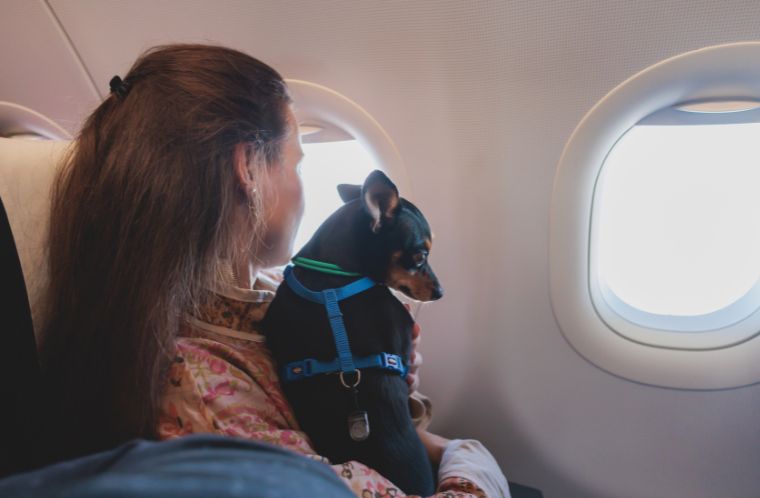

Planning to take your dog on an international trip? It’s exciting but can also feel overwhelming.
You want your furry friend to be safe, comfortable, and ready for new adventures just like you. This guide will help you understand everything you need to know before you pack your bags and leash. From paperwork to travel tips, you’ll discover how to make your journey smooth and stress-free—for both you and your dog.
Keep reading to unlock the secrets to hassle-free international travel with your best companion.
Preparing Your Dog For Travel
Preparing your dog for international travel takes careful planning. Your dog’s comfort and safety depend on how well you prepare. Start early to avoid last-minute stress. This helps your dog adjust to the travel routine.
Health Checks And Vaccinations
Visit your vet before traveling. A full health check is essential. Ensure your dog is fit to travel. Vaccinations must be up to date for the destination country. Common shots include rabies and distemper. Ask your vet about required vaccines. Keep records of all vaccinations and health checks. Some countries need a health certificate issued shortly before travel.
Pet Passport And Documentation
Many countries require a pet passport. This document shows your dog’s identity and health status. Check the rules for your destination. The passport usually includes:
- Microchip number
- Vaccination details
- Health certificates
- Treatment records (like flea and tick control)
Keep all papers organized and accessible. Carry extra copies during travel. This speeds up border checks and avoids delays.
Choosing The Right Carrier
Select a carrier that fits airline rules. It should be well-ventilated and secure. Your dog must have enough space to stand and turn. Soft-sided carriers offer flexibility but check airline allowances. Hard-sided carriers provide more protection. Add a familiar blanket or toy inside. This helps your dog feel safe during the trip. Label the carrier clearly with your contact information.

Credit: www.tsa.gov
Booking Flights And Accommodations
Booking flights and accommodations for international travel with your dog requires careful planning. Every airline and hotel has different rules about pets, so it’s important to research ahead. This ensures a smoother trip and keeps your furry friend comfortable and safe.
Airlines That Accept Pets
Not all airlines allow pets on board, and those that do often have specific policies. Some airlines let small dogs travel in the cabin, while others require them to be checked as cargo. Checking the airline’s pet policy early helps you avoid surprises at the airport.
Popular pet-friendly airlines include:
- American Airlines
- Delta Air Lines
- JetBlue
- Lufthansa
- Air Canada
Keep in mind that many airlines limit the number of pets per flight, so booking your dog’s spot as soon as possible is key. Have you ever faced last-minute issues with pet bookings? Planning ahead saves you that stress.
Pet-friendly Hotels And Rentals
Finding a place to stay that welcomes dogs can be tricky but worth the effort. Websites like BringFido and Airbnb offer filters to find pet-friendly accommodations that suit your needs. Always confirm pet policies directly with the property before booking.
Look for hotels that offer:
- Pet beds or bowls
- Designated walking areas
- No extra fees or reasonable pet charges
Sometimes a cozy rental home can be better than a hotel, giving your dog more space to relax. Have you noticed how your dog behaves differently in a hotel room versus a rental? Choosing the right stay can make a big difference in your dog’s comfort.
Direct Flights Vs Layovers
Choosing between direct flights and ones with layovers impacts your dog’s travel experience. Direct flights minimize stress by reducing travel time and avoiding extra handling. Layovers, on the other hand, might give you a chance to break up the trip but increase the risk of your dog getting lost or stressed.
If you must have a layover, try to keep it short and in a pet-friendly airport. Ask yourself: is the cost saving worth the extra hassle for your dog? Sometimes paying a bit more for a direct flight pays off in peace of mind for both you and your pet.
Packing Essentials For Your Dog
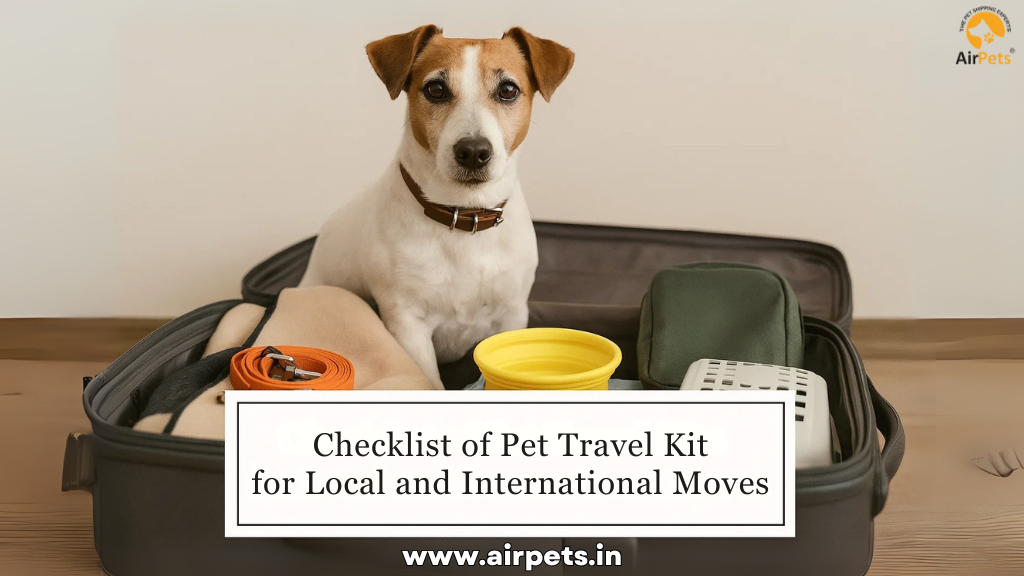
Essentials like a sturdy leash, travel-friendly food, and a comfortable crate keep your dog safe and happy abroad. Don’t forget health records and favorite toys for a smooth journey.
Packing for international travel with your dog requires careful consideration. Ensuring your furry friend has everything they need will make the journey smoother and more enjoyable for both of you. Let’s dive into the must-have items to pack for your dog, covering essentials like food, comfort items, and emergency supplies.Food And Water Supplies
Bringing the right food and water supplies is crucial. Pack enough of your dog’s regular food to last the entire trip. Sudden changes in diet can upset their stomach, especially in a new environment. Don’t forget a collapsible water bowl. It’s lightweight and fits easily in your bag. Keeping your dog hydrated during travel is as important as it is for you. Consider bringing bottled water to avoid any adverse reactions from different water sources.Toys And Comfort Items
Travel can be stressful for dogs. Familiar toys and comfort items can make a big difference. Pack their favorite chew toy or a blanket that smells like home. These items provide a sense of security and can help keep them calm during the journey. Remember, a relaxed dog makes for a more peaceful trip.Medical Kit And Emergency Supplies
A well-stocked medical kit is essential. Include basic first-aid supplies like bandages and antiseptic wipes. Be prepared for minor injuries or issues that may arise. Don’t forget any prescribed medications your dog needs, along with a copy of their vaccination records. It’s also wise to have contact information for local vets at your destination. This ensures you’re ready for any unexpected situations that may occur. Preparing these essentials can make a world of difference. What unique items do you pack for your dog when traveling internationally?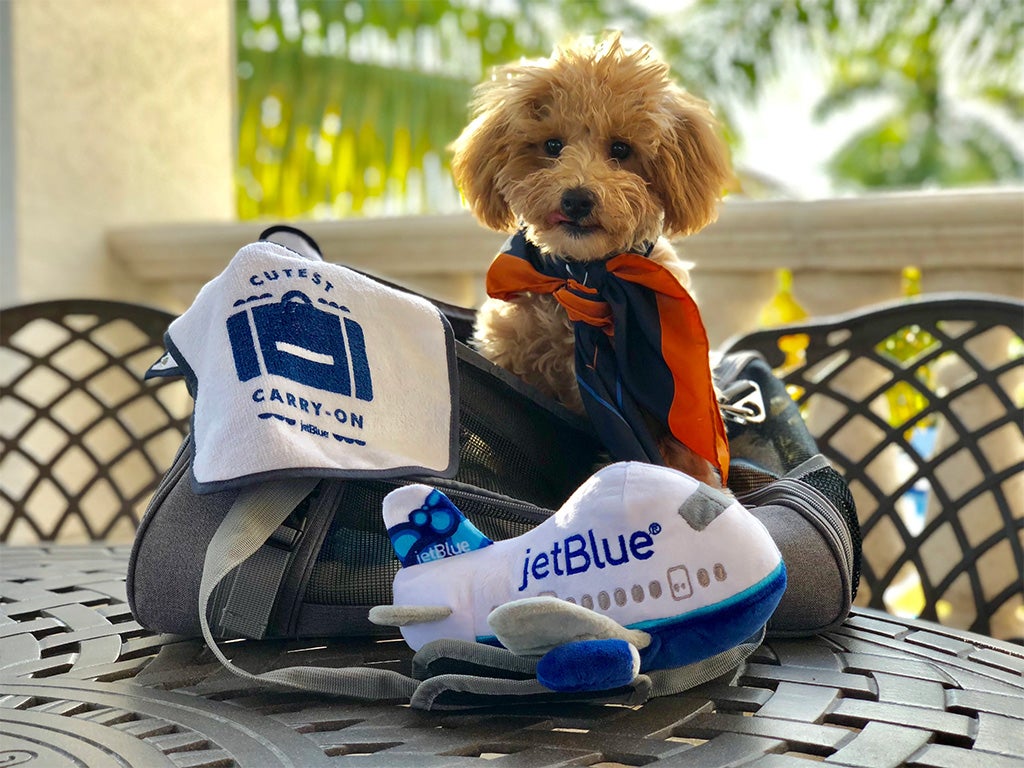
Credit: www.jetblue.com
Airport Procedures With Your Dog
Traveling internationally with your dog requires careful attention to airport procedures. Each step demands preparation to ensure a smooth experience for both you and your furry companion. Understanding what to expect at the airport can ease stress and make your journey more enjoyable.
Check-in Process
Start by confirming your airline’s pet policies well before your flight. Some airlines need advance notice or special paperwork for pets traveling in the cabin or cargo hold.
Arrive early to give yourself extra time for check-in. Keep your dog in a secure carrier that meets airline size requirements and has proper ventilation.
Have all necessary documents ready, such as vaccination records and health certificates. Staff may want to inspect these before issuing boarding passes.
Security Screening Tips
At security, you’ll need to remove your dog from the carrier and carry them through the metal detector. The carrier itself will go through the X-ray machine.
Consider using a leash or harness to keep your dog close and calm during screening. This helps prevent sudden movements that might alarm security staff or other passengers.
Bring treats or a favorite toy to distract your dog if they seem nervous. Staying relaxed yourself can also help keep your pet calm in this busy environment.
Handling Layovers And Delays
Layovers can be challenging, especially if your dog needs bathroom breaks or exercise. Research pet relief areas in the airport before your trip to know where you can stop.
Pack extra water, food, and waste bags to cover unexpected delays. These essentials keep your dog comfortable and hydrated during long waits.
If your layover is lengthy, consider booking a pet-friendly lounge or quiet space where you both can rest. Have you planned how you will manage your dog’s needs during unexpected delays?
In-flight Tips For Dogs
Flying with your dog can be a smooth experience if you prepare properly. The in-flight environment is unfamiliar and can stress your pet, so knowing how to handle it helps both of you stay calm. Here are some practical tips to keep your dog comfortable and safe during the flight.
Calming Techniques
Try to keep your dog relaxed before and during the flight. Using a familiar blanket or toy can provide comfort and a sense of security. Gentle petting or soft talking often helps, but be mindful of your dog’s mood and reactions.
Many owners find that light massage or acupressure on pressure points calms their pets. Have you noticed your dog responds well to certain touch or sounds? Bring those elements on board.
Consider calming sprays or collars with natural pheromones; they can reduce stress without sedation. Always test these at home first to ensure your dog reacts positively.
Feeding And Hydration
Avoid feeding your dog a large meal right before the flight to reduce the chance of nausea. Instead, offer a small meal a few hours before takeoff. Hydration is crucial, so provide water up until boarding.
During the flight, access to water might be limited, so bring a spill-proof bowl or water bottle designed for pets. Watch for signs of dehydration like dry gums or lethargy.
If your dog tends to refuse water while flying, try offering ice cubes or flavored water drops to encourage drinking. Have you ever noticed your dog’s preferences for water intake change in new environments?
Managing Anxiety And Motion Sickness
Signs of anxiety include panting, whining, or pacing. You can distract your dog with chew toys or treats to keep their mind off the motion. Some dogs benefit from mild sedatives, but always consult your vet before use.
Motion sickness can cause drooling, vomiting, or restlessness. To help your dog, keep the carrier stable and avoid sudden movements. Positioning your dog near a window or aisle may reduce nausea, depending on their comfort.
Ask your vet about natural remedies or medications that can reduce motion sickness without side effects. Have you tried any solutions that worked particularly well for your dog during travel?
Customs And Entry Requirements
Traveling internationally with your dog involves careful attention to customs and entry rules. Each country has specific laws for pets entering their borders. Understanding these rules before travel prevents delays and stress. Preparation helps ensure a smooth arrival for both you and your dog.
Quarantine Rules
Many countries require pets to stay in quarantine after arrival. This helps stop diseases from spreading. The length of quarantine varies by country and can last from a few days to several weeks. Some countries waive quarantine if your dog has all vaccinations and health checks completed. Always check the quarantine policies of your destination before traveling.
Import Permits And Regulations
Some countries need an import permit to bring pets inside. This document confirms your dog meets entry rules. You may need to provide:
- Vaccination records
- Microchip details
- Health certificates from a vet
Regulations differ widely. Meeting all requirements avoids fines or refusal at the border. Start the paperwork well before your trip.
Dealing With Border Inspections
Border inspections check your dog’s health and documents. Officers may ask to see certificates and scan microchips. They look for signs of illness or missing paperwork. Stay calm and cooperative during inspections. Having all papers organized and ready speeds up the process. Proper preparation makes border crossing easier and quicker.
Exploring Your Destination With Your Dog
Traveling internationally with your dog opens a new world of adventure—but exploring together requires some planning. Your dog’s safety and comfort depend on understanding the local environment and customs. Knowing where to go and how to prepare helps you both enjoy every moment of your trip.
Local Dog Laws And Etiquette
Every country has its own rules about dogs in public spaces. Some places require leashes at all times, while others allow dogs to roam freely in designated areas. Check local regulations before you arrive to avoid fines or misunderstandings.
In certain cities, dogs may need specific vaccinations or permits. You might find that some restaurants and shops welcome dogs, but others don’t. Respecting local customs shows good manners and keeps your dog safe.
Finding Dog Parks And Trails
Finding green spaces where your dog can run and play is key to a happy trip. Many cities have dog parks or walking trails that are perfect for exercising your pet. Look for parks with clean water stations and shaded areas to keep your dog cool.
Apps and local websites can help you discover hidden gems. Ask locals or fellow travelers for recommendations—they often know the best spots. Have you ever stumbled upon a quiet trail or park that became your dog’s favorite place abroad?
Health Care Abroad
Before your trip, find out where the nearest veterinary clinics are. Emergencies happen, and knowing where to go can save precious time. Carry a copy of your dog’s medical records and vaccination history with you.
Some countries require specific health certificates or treatments before entry. Keep a basic pet first-aid kit handy, including items like bandages, antiseptic wipes, and any medications your dog needs. Staying prepared helps you handle unexpected health issues calmly.
Credit: airpets.in
Returning Home With Your Dog
Returning home after international travel with your dog requires careful planning. Ensuring a smooth transition helps your pet stay healthy and happy. Follow these key steps to handle re-entry, health checks, and routine adjustments.
Re-entry Documentation
Keep all travel documents ready for customs and pet control. These include:
- Pet passport or health certificate
- Vaccination records, especially rabies shots
- Import permits, if required by your country
- Microchip registration details
Present documents clearly at the border. Authorities may ask questions about your dog’s health and travel history.
Post-travel Health Checks
Schedule a vet visit soon after returning. The vet will:
- Examine your dog for travel stress or injuries
- Check for ticks, fleas, or other parasites
- Update vaccinations if needed
- Discuss diet and hydration after the journey
Early health checks prevent problems from becoming serious.
Easing Your Dog Back Into Routine
Help your dog adjust by:
- Keeping feeding times consistent
- Providing familiar toys and bedding
- Offering gentle exercise and walks
- Maintaining usual sleeping areas
Patience is key. Your dog may need a few days to feel normal again.
Frequently Asked Questions
How To Prepare My Dog For International Travel?
Start by visiting the vet for a health check and vaccinations. Obtain a pet passport or health certificate. Train your dog to be comfortable in a crate. Pack essential items like food, water, and toys. Research airline pet policies and country regulations.
What Documents Are Needed For Dog Travel Abroad?
You need a valid pet passport or health certificate. Vaccination records, especially rabies, are essential. Some countries require microchipping and blood tests. Import permits may be necessary depending on the destination. Always check the specific country’s pet travel rules in advance.
Can All Dog Breeds Travel Internationally By Air?
Most dog breeds can travel, but some airlines restrict brachycephalic breeds. These breeds are prone to breathing issues during flights. Check airline policies before booking. Consider your dog’s health and comfort when planning air travel. Consulting your vet is recommended.
How To Reduce My Dog’s Travel Anxiety On Flights?
Acclimate your dog to the travel crate ahead of time. Use calming sprays or natural remedies after vet approval. Keep familiar toys or blankets inside the crate. Avoid feeding your dog just before the flight. Speak softly and offer reassurance during travel preparations.
Conclusion
Traveling internationally with your dog takes planning and care. Prepare documents and follow rules for smooth trips. Choose pet-friendly airlines and accommodations for comfort. Keep your dog’s health and safety a top priority. Enjoy new places together and create lasting memories.
Every journey can strengthen your bond. Travel smart, stay patient, and make the adventure fun. Your dog will thank you for the care and attention. Safe travels and happy tails!