
Planning to fly with your dog? It can feel overwhelming at first.
You want your furry friend to be safe, comfortable, and stress-free during the trip. But how do you prepare for air travel with a dog? What rules do you need to follow? And how can you make the experience smooth for both you and your pet?
Keep reading, because this guide will help you tackle every step with confidence. Your dog’s next adventure starts here.
Credit: www.flytradewind.com
Preparing Your Dog For Air Travel
Preparing your dog for air travel takes more than packing their favorite toy and leash. It requires thoughtful planning to ensure your pet feels safe and comfortable throughout the journey. Taking time to prepare can reduce stress for both you and your dog, making the trip smoother.
Choosing The Right Carrier
Your dog’s carrier is their personal space during the flight. It needs to be sturdy, well-ventilated, and large enough for your dog to stand, turn, and lie down comfortably.
Check airline regulations carefully, as size and material requirements can vary. Soft-sided carriers work well for cabin travel, while hard-sided ones are often required for cargo.
Think about your dog’s temperament. If your dog is nervous, a carrier with solid sides may help reduce external stimuli. Have you tested the carrier’s door to make sure it closes securely but can be opened quickly if needed?
Health Check And Vaccinations
Before booking your flight, schedule a visit to the vet. Your dog must be healthy enough to travel, and some airlines require a health certificate issued within 10 days of departure.
Make sure vaccinations are up to date, especially for contagious diseases like rabies. This protects your dog and complies with airline and destination country rules.
Ask your vet if your dog has any conditions that might make flying risky. For example, brachycephalic breeds (like bulldogs) often have breathing problems at high altitudes. How prepared are you to handle any health emergencies during the flight?
Familiarizing Your Dog With The Carrier
Introduce the carrier well before your trip to avoid surprises. Place it in a favorite spot at home and encourage your dog to explore it freely.
Use treats, toys, and praise to create positive associations. Gradually increase the time your dog spends inside, so the carrier becomes a safe, comfortable space rather than a source of anxiety.
Try taking short car rides with your dog in the carrier to simulate travel. This helps your pet adjust to motion and the confined space. Have you noticed your dog’s behavior improving as they get used to the carrier?
Booking Your Flight
Booking a flight with your dog needs careful planning. This step sets the tone for a smooth journey. Choosing the right airline and understanding their rules helps avoid stress. Preparing early ensures the best options and keeps your dog comfortable.
Selecting Pet-friendly Airlines
Not all airlines treat pets the same way. Some offer special cabins for small dogs. Others allow pets only in the cargo hold. Check which airlines have good reviews for pet travel. Consider airlines known for kindness and safety towards animals.
- Look for airlines with pet travel programs.
- Compare fees for bringing pets on board.
- Check the size and weight limits for pets.
- See if the airline provides pet relief areas.
Direct Flights Vs. Layovers
Direct flights reduce travel time and stress for your dog. Layovers mean more waiting and handling. Changing planes can expose your dog to new environments. Choose direct flights to keep your dog’s routine steady.
- Direct flights keep your dog calm and safe.
- Layovers increase chances of delays or lost pets.
- More flights mean more paperwork and checks.
- Long layovers can tire your dog and cause anxiety.
Understanding Airline Pet Policies
Each airline has rules about pet travel. Some require health certificates or vaccination records. Others limit the number of pets per flight. Know the crate size rules and where your dog will stay.
| Policy | Details to Check |
|---|---|
| Pet Carrier Requirements | Size, material, ventilation, and labeling |
| Health Documentation | Vaccinations, health certificates, and recent vet visits |
| Fees and Limits | Cost, number of pets allowed per flight |
| In-Cabin vs. Cargo | Where your dog will travel during the flight |
Reading these policies carefully saves headaches at the airport. Confirm details before booking to ensure your dog’s safety.
At The Airport
Traveling by air with a dog needs careful planning and calm preparation. Airports have specific rules for pets to keep them safe and comfortable during the journey.
At the Airport, navigating with your dog requires careful planning. It’s essential to ensure your furry friend remains safe and comfortable. Preparation reduces stress and enhances the travel experience for both of you.Arriving Early
Arrive at the airport early to avoid rushing. Give yourself extra time for check-in and security. This helps you manage unexpected events calmly. It also allows your dog to adjust to the new environment.Security Screening Tips
Prepare for security screening by understanding the process. Remove your dog’s collar and leash before the screening. Carry your dog through the metal detector. Ask for a private screening if needed. Keep treats handy to reward your dog after the process.Keeping Your Dog Calm
Keep your dog calm with familiar items. Bring a favorite toy or blanket. Speak in a soothing voice to reassure them. Maintain a relaxed demeanor. Dogs sense their owners’ emotions. Staying calm helps your dog remain calm too.
Credit: www.aol.com
During The Flight
Flying with your dog can be a unique experience filled with both excitement and challenges. The moments during the flight are crucial to ensuring your pet stays safe, calm, and comfortable. Paying close attention to how your dog is traveling and their needs can make the journey smoother for both of you.
In-cabin Vs. Cargo Travel
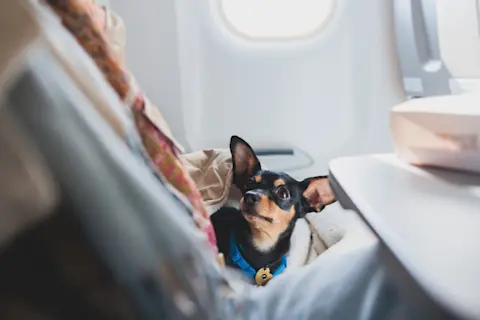
Deciding whether your dog stays with you in the cabin or travels in cargo affects their flight experience profoundly. Small dogs often fly in the cabin, allowing you to keep an eye on them and provide comfort during the flight. Larger dogs usually travel in the cargo hold, which requires a sturdy crate and preparation for a more isolated environment.
Ask yourself: Is your dog calm enough to stay in a carrier under the seat, or would they be better off in a climate-controlled cargo area? Each option has strict airline rules, so check these carefully to avoid surprises at the airport.
Managing Anxiety And Stress
Many dogs get anxious during flights, reacting to unfamiliar noises and confined spaces. To reduce stress, bring along a favorite blanket or toy that smells like home. These familiar scents can provide comfort and a sense of security.
Consider calming techniques such as gentle massage or pheromone sprays recommended by veterinarians. Watching your dog’s behavior closely can help you catch signs of distress early and respond accordingly. Have you noticed your dog’s anxiety signals before? Planning ahead can make a big difference.
Feeding And Hydration
Keeping your dog well-fed and hydrated during the flight is essential but tricky. Avoid feeding your dog a large meal right before flying to prevent nausea. Instead, offer a light snack a few hours before departure.
Hydration is just as important; bring a collapsible water bowl and offer water regularly, especially on longer flights. However, don’t overdo it to avoid frequent bathroom needs during the trip. How do you balance your dog’s needs without causing discomfort? A little planning goes a long way in keeping your pet comfortable in the air.
After Arrival
After arriving at your destination, caring for your dog is a priority. The journey can be tiring, so a calm and patient approach helps your pet feel safe and comfortable. Understanding the steps to take right after the flight ensures a smooth transition for your furry friend.
Post-flight Checkup
Check your dog’s condition immediately after landing. Look for signs of stress, dehydration, or injury. Offer fresh water to help rehydrate. Inspect the paws for cuts or irritation. Make sure your dog can move freely and breathe easily. A quick health check prevents small issues from becoming serious.
Helping Your Dog Adjust
Allow your dog time to rest and explore the new environment slowly. Keep their routine as normal as possible. Use familiar toys or blankets to provide comfort. Avoid loud noises or busy areas at first. Short walks help your dog get used to new smells and sights. Patience is key to easing any anxiety.
Handling Delays Or Lost Pets
Stay calm if delays occur or your pet is misplaced. Contact the airline or airport staff immediately. Keep your dog’s ID tags and microchip information up to date. Have recent photos ready to share. Use social media or lost pet websites to spread the word. Quick action increases the chance of a safe reunion.
:max_bytes(150000):strip_icc()/TAL-bark-air-plane-BARKAIR0725-d287e335d03f46f98a039b80914e6bc0.jpg)
Credit: www.travelandleisure.com
Frequently Asked Questions
What Are The Airline Requirements For Flying With A Dog?
Airlines require a health certificate and updated vaccinations for your dog. Most airlines mandate an airline-approved pet carrier for cabin travel. Check specific airline policies on dog size, weight limits, and fees before booking your flight.
Can Small Dogs Travel In The Airplane Cabin?
Yes, small dogs can usually travel in the cabin if they fit in a carrier under the seat. Each airline has size and weight limits for cabin pets. Booking early and confirming pet policies helps ensure a smooth experience.
How Should I Prepare My Dog For Air Travel?
Prepare your dog by getting a comfortable carrier, familiarizing them with it before travel. Schedule a vet check-up and keep hydration and feeding times in mind. Avoid sedatives without vet advice and plan bathroom breaks before the flight.
Are There Any Health Risks For Dogs During Air Travel?
Dogs may experience stress, dehydration, or temperature extremes during flights. Proper preparation, hydration, and choosing direct flights reduce risks. Always consult your vet to ensure your dog is fit for air travel.
Conclusion
Traveling by air with a dog needs good planning and care. Prepare your dog by practicing with their carrier at home. Check airline rules and book a direct flight if possible. Bring water, treats, and favorite toys to keep your dog calm.
Stay calm yourself; dogs feel your mood. With patience and attention, air travel can be safe and smooth for both you and your dog. Enjoy your journey together and create happy memories.