
Planning to travel with your dog to the USA? It can feel overwhelming at first, but you don’t have to worry.
This guide will make the process simple and clear. You’ll discover everything you need to know to keep your furry friend safe, happy, and comfortable throughout your trip. Ready to make unforgettable memories with your dog by your side? Keep reading, and you’ll be prepared for a smooth, stress-free adventure.

Credit: www.tsa.gov
Preparing For Your Trip
Preparing for a trip to the USA with your dog involves more than just packing a leash and some toys. You need to ensure all legal and health requirements are met to avoid any travel hiccups. Proper preparation helps your furry friend stay safe and comfortable throughout the journey.
Pet Passport And Documentation
Your dog’s pet passport is a key document that proves their identity and vaccination status. It contains information like microchip number, rabies vaccination dates, and other health records. Without it, airlines or US customs might refuse entry, so double-check that it’s complete and up-to-date.
Besides the passport, prepare copies of your dog’s:
- Vaccination certificates
- Health certificates issued by a licensed vet
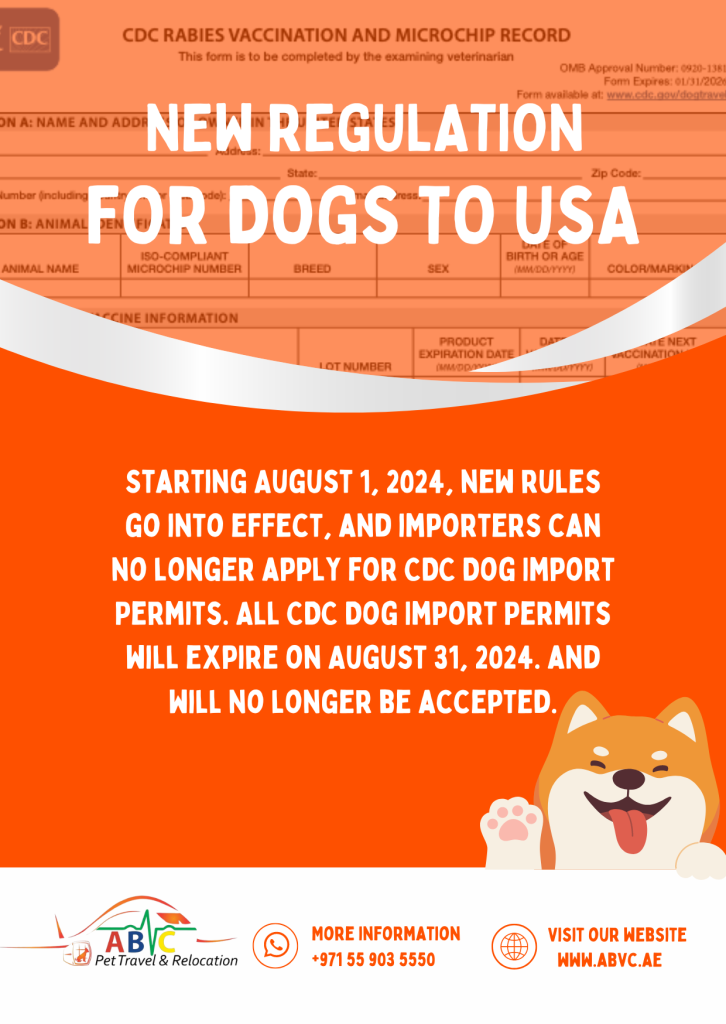
- Import permits, if required by the state you are visiting
Health Checks And Vaccinations
Visit your vet well before the trip to ensure your dog is fit to travel. Ask about any vaccinations specific to the USA, such as rabies, which must be given at least 21 days before arrival. A health check can also catch any issues that might worsen during travel.
Keeping your pet’s health records handy during the trip is crucial. They can be requested by airline staff or border officers at any time. Have you thought about how you’ll manage any unexpected health issues on the road?
Microchipping And Identification
Microchipping your dog is a simple step that can save you from heartache if your pet gets lost. The chip must comply with ISO standards recognized by the USA, or you’ll need to bring your own scanner. Attach an ID tag with your contact information to your dog’s collar for extra security.
Consider registering your microchip details with a global pet recovery database. This increases the chances of being reunited if your dog goes missing. How confident do you feel about your pet’s current identification setup?
Choosing The Right Carrier
Select a carrier that meets airline size and safety regulations. It should be well-ventilated, sturdy, and comfortable enough for your dog to stand, turn around, and lie down. Testing the carrier at home before the trip helps your dog get used to it.
Some airlines require carriers to have specific features like leak-proof bottoms or secure locks. Check your airline’s pet policy carefully to avoid last-minute surprises. Have you considered how your dog will handle the carrier during long flights or layovers?
Booking Flights With Your Dog
Booking flights with your dog requires careful planning and attention to detail. Your furry travel companion’s comfort and safety depend on understanding airline rules and preparing well before the journey. Let’s break down what you need to know to make the booking process smooth and stress-free.
Airline Pet Policies
Each airline has its own set of rules for traveling with pets. These policies cover everything from breed restrictions to carrier size limits. Always check the airline’s website or call their customer service to get the latest information.
Some airlines limit the number of pets allowed in the cabin per flight, so early booking is crucial. Also, fees for pet travel vary widely, so factor this into your budget. Remember, some airlines do not accept pets on certain routes or during extreme weather conditions.
In-cabin Vs. Cargo Options
Deciding whether your dog should fly in the cabin or cargo depends on their size, temperament, and your comfort level. Small dogs often qualify for in-cabin travel, staying close to you under the seat. This can reduce anxiety for both you and your pet.
Larger dogs usually must travel in the cargo hold, which is pressurized and temperature-controlled but can still be stressful. Think about your dog’s health and how they handle separation when making this choice. Have you considered how your dog reacts to unfamiliar environments?
Booking Tips For Pets
- Book early:Airlines have limited spots for pets, especially in the cabin.
- Confirm pet fees:Know the cost before finalizing your booking to avoid surprises.
- Provide accurate details:Include your dog’s weight, breed, and carrier size when requested.
- Request a direct flight:Fewer connections mean less stress and risk for your dog.
- Keep documentation handy:Health certificates or vaccination records might be required at check-in.
Pre-flight Preparations
Before the flight, get your dog comfortable with their travel carrier. Let them spend time inside it at home so it feels safe. This simple step can lower anxiety during the actual trip.
Feed your dog a light meal a few hours before the flight and ensure they have access to water. Avoid heavy exercise right before traveling to keep them calm. Also, visit your vet to confirm your dog is fit to fly and discuss any calming options if necessary.
Customs And Entry Requirements
Traveling to the USA with your dog requires meeting specific customs and entry requirements. Ensure your dog has a valid rabies vaccination certificate and a microchip. Check airline pet policies for safe and smooth travel.
Traveling with your dog to the USA requires understanding customs and entry rules. The process might seem daunting, but it’s manageable with the right information. Knowing the regulations ensures a smooth journey for you and your furry friend.Us Import Regulations
The USA has strict rules for importing pets. Dogs must have a health certificate. This certificate should confirm your dog is healthy. Rabies vaccination is crucial. Ensure the vaccination is current. Some states have additional rules. Check state-specific guidelines before traveling.Quarantine Rules
Quarantine rules vary by state. Most dogs won’t need quarantine. Ensure vaccinations are up-to-date. For dogs with incomplete records, quarantine may apply. Planning helps avoid unexpected delays. Understanding these rules ensures your dog’s comfort.Handling Customs Inspections
Customs inspections are a necessary step. Keep all documents ready. This includes health certificates and vaccination records. Be patient during the process. Inspectors might ask questions about your pet’s health. Answer clearly and confidently. This helps speed up the inspection process.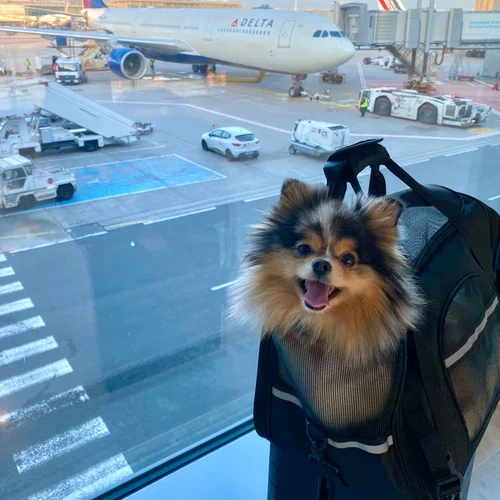
Credit: www.sheisnotlost.com
Travel Essentials For Dogs
Traveling with your dog to the USA requires careful planning. Packing the right essentials keeps your pet safe and happy. Dogs need special care during trips to avoid stress and discomfort.
Packing The Perfect Dog Travel Kit
Start with a sturdy leash and collar with ID tags. Bring a crate or carrier that fits your dog comfortably. Include waste bags for clean-up during walks. Pack grooming supplies like a brush and pet-safe wipes. Don’t forget a first aid kit with bandages and any medications your dog needs.
Food And Water Tips
Carry enough of your dog’s regular food to avoid diet changes. Use portable bowls for food and water. Offer water frequently to keep your dog hydrated. Avoid feeding right before travel to prevent nausea. Store food in sealed containers to keep it fresh and safe.
Comfort Items For Stress Reduction
Bring your dog’s favorite blanket or toy for familiarity. Use calming sprays or collars if your dog feels anxious. Keep a familiar item near your dog during travel. Play soft music or talk calmly to soothe your pet. Regular breaks allow your dog to stretch and relax.
Navigating Transportation In The Usa
Navigating transportation in the USA with your dog can shape the entire travel experience. The country’s vast size and varied transportation options mean you’ll want to plan carefully. Whether you prefer driving yourself or using public transport, understanding the rules and options for traveling with pets will save you time and stress.
Renting Pet-friendly Cars
Not every rental car company welcomes pets, so checking their pet policy upfront is essential. Companies like Enterprise and Hertz often allow pets but may require you to notify them in advance. You might face a small cleaning fee, so weigh that against the comfort of having your dog with you.
Bringing your own crate or seat cover can keep the car clean and your dog safe. Some travelers find that a mid-sized SUV or a spacious sedan works best for longer trips. Have you thought about how your dog’s size and temperament will affect your choice of vehicle?
Public Transport Rules
Public transportation rules for dogs vary widely between cities and transit systems. In many places, small dogs in carriers are allowed on buses or subways, but larger dogs might not be. Checking the specific transit authority’s website before you travel is a smart move.
Leashes and muzzles might be required, especially for bigger dogs. Also, some systems only allow service animals, so knowing the difference can avoid surprises. Are you prepared to adapt your travel plans if your dog isn’t allowed on certain routes?
Traveling With Dogs By Train Or Bus
Amtrak permits small pets on many routes, but they must stay in carriers and have a reservation. Unlike airplanes, Amtrak’s pet fees are usually lower, making trains a budget-friendly option. Keep in mind that travel times can be long, so pack essentials for your dog’s comfort.
Bus companies like Greyhound generally don’t allow pets, except service animals. Regional or local bus services might have different rules, so it’s worth calling ahead. How do you plan to keep your dog calm during longer rides on public vehicles?
Finding Pet-friendly Accommodations
Finding pet-friendly accommodations in the USA can transform your travel experience when you bring your dog along. It’s not just about a place to stay; it’s about comfort, convenience, and making sure your furry friend feels welcome. Knowing where to look and how to book can save you time and stress, helping you focus on enjoying the journey together.
Hotels And Vacation Rentals
Many hotels across the USA now welcome dogs, but their policies vary widely. Some allow only small dogs, while others have weight limits or require additional fees. Vacation rentals often provide more space and a home-like atmosphere, which can be ideal if your dog prefers a quiet environment.
Look for places that mention dog-friendly amenities like dog beds, bowls, or nearby walking areas. Websites like BringFido or Airbnb’s pet filter can help narrow down options quickly. Remember, a hotel lobby might seem pet-friendly, but the real test is how accommodating the staff and surroundings truly are.
Camping With Dogs
If you and your dog love the outdoors, camping is a fantastic way to travel together. Many national and state parks allow dogs but have specific rules about leashes and designated areas. Before you pack, check if you need to reserve a pet-friendly campsite and what facilities are available for pets.
Consider your dog’s comfort during camping—bring extra blankets or a portable shelter. Outdoor adventures can be exhilarating, but also challenging, so think about your dog’s temperament and needs. Would your dog enjoy the sounds and smells of nature, or might they feel overwhelmed?
Booking Tips For Pet-friendly Stays
When booking, always confirm the pet policy directly with the accommodation, even if it’s listed online. Policies can change, and some places have hidden fees or restrictions. Ask about the maximum number of pets allowed, any breed restrictions, and if there are quiet hours or areas where pets are not permitted.
Book early, especially during peak travel seasons, as pet-friendly rooms or rentals can fill up fast. Also, consider your dog’s routine—choose accommodations near parks or walking paths to keep their schedule normal. Do you know how your dog reacts to new environments? Planning with this in mind will make your stay smoother for both of you.
Exploring Dog-friendly Activities
Traveling to the USA with your dog opens up a world of activities that both of you can enjoy. Finding spots where your furry friend is welcome makes the trip more fun and less stressful. You’ll discover places where your dog can run freely, socialize, and even join in on local events.
Parks And Outdoor Adventures
Many cities in the USA offer dog-friendly parks where your pet can roam off-leash. Some parks even have special dog zones with agility equipment or water features. Take Central Park in New York City, for example—dogs are allowed on-leash, and there are designated dog runs for off-leash play.
National parks like Acadia in Maine also welcome dogs on certain trails. Hiking with your dog can be a great way to bond and stay active. Remember to check park rules beforehand to know where your dog is allowed.
Dog-friendly Beaches And Trails
Beaches are perfect for dogs that love water and sand. Many states, like California and Florida, have beaches that allow dogs during specific hours or seasons. Huntington Dog Beach in California is a favorite spot where dogs can swim and socialize.
Trails are another excellent option. The Pacific Crest Trail has dog-friendly sections, but you’ll want to prepare for longer hikes with plenty of water and breaks. Does your dog enjoy splashing in the surf or exploring wooded trails more?
Events And Attractions Welcoming Pets
Across the USA, pet-friendly events are becoming more popular. Some cities host dog parades, festivals, or charity runs where your dog can participate or just enjoy the atmosphere. For example, the Dog Days of Summer festival in Chicago offers activities and vendors focused on pets.
Many attractions like outdoor markets, breweries, and even some museums allow dogs on their premises. Checking ahead can save you time and ensure your dog doesn’t miss out on the fun. Have you ever brought your dog to a local event that surprised you with how welcoming it was?
Health And Safety On The Road
Traveling with your dog across the USA requires careful attention to health and safety. Keeping your dog safe ensures a fun and stress-free journey. Plan ahead to protect your pet from common travel risks. Stay prepared for unexpected health issues on the road.
Emergency Vet Care
Locate emergency vet clinics near your travel route. Save their contact information on your phone. Know the closest 24-hour animal hospital at each stop. Carry your dog’s medical records and vaccination history. This helps vets provide quick, accurate treatment. Keep a pet first aid kit handy for minor injuries.
Avoiding Common Travel Hazards
- Never leave your dog alone in a parked car.
- Protect your dog from extreme heat or cold.
- Keep your dog on a leash during breaks.
- Watch out for harmful plants, insects, and wildlife.
- Use a secure harness or crate during car travel.
Check rest stops for safe areas to walk and relieve your dog. Avoid busy roads and unsafe terrain. Always provide fresh water and shade during outdoor stops.
Managing Anxiety And Motion Sickness
Some dogs feel nervous or sick while traveling. Start with short trips to build comfort. Use calming aids like anxiety wraps or pheromone sprays. Offer small, light meals before travel to reduce nausea. Take frequent breaks to let your dog stretch and relax. Consult your vet about medication for severe motion sickness or anxiety.
Returning Home With Your Dog
Returning home after a trip to the USA with your dog involves more than just unpacking. It requires careful attention to official rules, your dog’s health, and their emotional adjustment. Handling these steps well makes the transition smoother for both of you.
Re-entry Requirements
Before arriving back in your country, check the latest re-entry rules for pets. Many countries require updated vaccinations, especially rabies shots, and a valid health certificate issued shortly before travel.
Have all documents ready for inspection at the border or airport. Missing paperwork can lead to quarantine or delays, which can stress your dog and complicate your return.
Post-trip Health Checks
Travel can expose your dog to new environments and health risks. Once home, schedule a vet visit to check for parasites, infections, or injuries that might not be obvious immediately.
Watch for signs like unusual lethargy, loss of appetite, or coughing. Early detection helps prevent bigger health problems and keeps your dog comfortable after the trip.
Adjusting After Travel
Your dog might feel unsettled after the journey. Reestablish familiar routines like feeding times, walks, and play to help them feel secure again.
Give extra attention and patience as they readjust. Have you noticed how your dog reacts differently after travel? Observing these changes can guide you in easing their transition home.

Credit: www.tsa.gov
Frequently Asked Questions
What Are The Pet Import Requirements For The Usa?
To bring your dog to the USA, ensure they have a valid rabies vaccination certificate. Dogs must be healthy and free from contagious diseases. Some states may require additional vaccinations or health certificates.
Can I Travel With My Dog On A Us Domestic Flight?
Yes, most US airlines allow dogs in the cabin or cargo. Check specific airline policies for size limits, carriers, and fees before booking.
How Do I Prepare My Dog For International Travel To The Usa?
Get your dog used to their travel crate early. Carry all vaccination records and health certificates. Consult your vet for sedation or calming tips if needed.
Are There Quarantine Rules For Dogs Entering The Usa?
Generally, healthy dogs with proper documentation do not require quarantine. However, quarantine may apply if vaccination or health requirements are not met.
Conclusion
Traveling to the USA with your dog can be fun and safe. Plan ahead to meet all rules and keep your pet happy. Bring all needed documents and pack your dog’s essentials. Choose pet-friendly places to stay and visit. This helps your dog enjoy the trip too.
Take breaks for walks and water during travel. With care and preparation, your trip will be smooth. Enjoy your adventure together and make great memories.