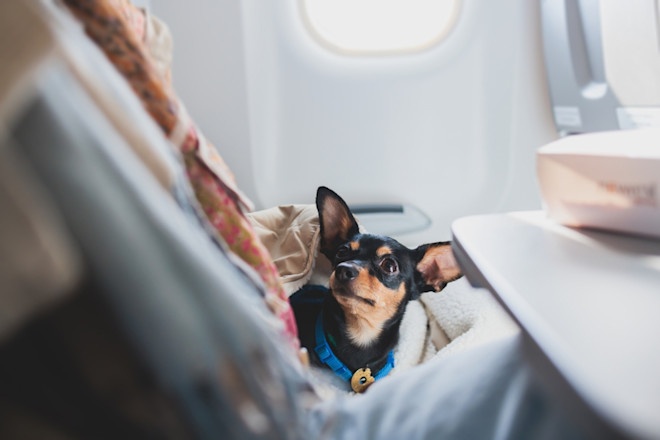

Traveling by plane with your dog can feel overwhelming. You want to make sure your furry friend is safe, comfortable, and happy throughout the trip.
But where do you start? What rules should you follow? How can you avoid common mistakes that cause stress for both you and your pet? This guide will give you clear, simple tips to help you and your dog enjoy airline travel together.
Keep reading to discover everything you need to know to make your next flight smooth and worry-free.
Preparing Your Dog For Air Travel
Preparing your dog for air travel takes more than just booking a ticket. It requires thoughtful planning to ensure your furry friend feels safe and comfortable throughout the journey. Taking the time to prepare can reduce stress for both you and your dog, making the experience much smoother.
Choosing The Right Carrier
Your dog’s carrier is their home in the sky. It needs to be sturdy, well-ventilated, and the right size—large enough for your dog to stand, turn around, and lie down comfortably.
Check airline requirements carefully, as each may have specific rules about carrier dimensions and materials. Soft-sided carriers work well for cabin travel, while hard-sided ones provide extra protection in the cargo hold.
Think about your dog’s personality too. If they get anxious, a carrier with solid sides might help them feel more secure. Have you tested different carriers at home to see which your dog prefers?
Acclimating Your Dog To The Carrier
Introducing the carrier well before your flight is key. Start by leaving it open in your living space, letting your dog explore it at their own pace.
Place treats, toys, or their favorite blanket inside to create positive associations. Gradually increase the time your dog spends inside, turning it into a cozy resting spot rather than a travel crate.
This gradual exposure can prevent panic or resistance on travel day. Have you noticed how your dog reacts to new spaces? Use that insight to guide your approach.
Health Checks And Vaccinations
Airlines often require proof of vaccinations and a recent health check for your dog. Schedule a vet visit a few weeks before your trip to ensure your dog is fit to fly.
Discuss any concerns, such as anxiety or motion sickness, with your vet. They can advise on medications or calming techniques that suit your dog’s needs.
Also, ask for a health certificate if your airline requires one. This paperwork can prevent last-minute travel disruptions and keep your dog’s health records up to date.
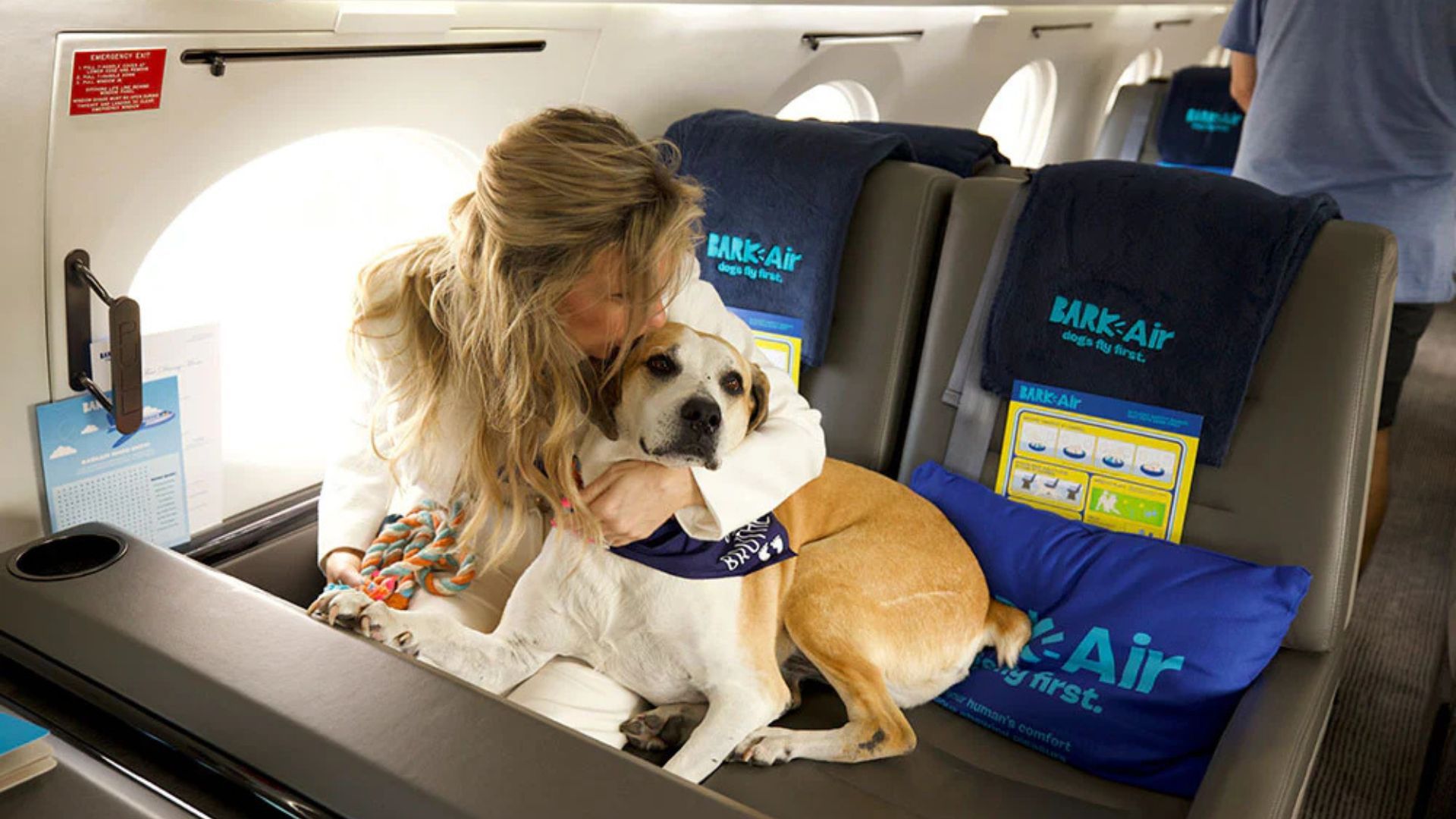
Credit: www.travelandleisureasia.com
Booking Your Flight
Booking a flight with your dog requires careful planning to ensure a smooth journey for both of you. The process goes beyond just picking a date and clicking “book.” You need to consider the airline’s pet policies, the timing of your flight, and how comfortable your dog will be throughout the trip.
Selecting Pet-friendly Airlines
Not all airlines treat pets the same. Some allow small dogs to travel in the cabin with you, while others require pets to be checked as cargo. You want to choose an airline that fits your dog’s size, temperament, and your travel needs.
Look for airlines with a good reputation for handling pets safely and compassionately. Some carriers offer perks like climate-controlled cargo holds or even pet travel assistance. Have you checked if your preferred airline has any pet travel awards or reviews? That insight could make a big difference.
Understanding Airline Pet Policies
Each airline sets its own rules about pet carriers, fees, and documentation. You might need a health certificate from your vet issued within a specific timeframe before the flight. Some airlines limit the number of pets allowed in the cabin per flight, so booking early is essential.
Pay attention to carrier size requirements; your dog’s carrier must fit under the seat in front of you for cabin travel. Also, find out about breed restrictions, as some airlines do not allow certain breeds due to safety reasons. Knowing these details upfront prevents last-minute surprises at the airport.
Choosing The Best Flight Times
Timing can make a big difference in your dog’s travel experience. Early morning or late evening flights tend to be less crowded, calmer, and cooler — factors that help reduce your dog’s stress. Avoid flights during the hottest part of the day to prevent overheating, especially if your dog will be in the cargo hold.
Direct flights are preferable to minimize the time your dog spends in transit and avoid the hassle of layovers. Have you considered how long your dog can comfortably stay in its carrier? Shorter flights with fewer connections are usually easier on your pet.
Packing Essentials For Your Dog
Packing your dog’s favorite blanket and some treats helps keep them calm during flights. Don’t forget a sturdy carrier that meets airline rules and a leash for security. Carrying fresh water and a small bowl ensures your dog stays hydrated on the trip.
Traveling with your furry friend can be a joyful experience. However, ensuring you have all the necessary items for your dog will make the journey smoother for both of you. Packing essentials for your dog is crucial for their comfort and safety during airline travel. Here’s a breakdown of what you need to pack to keep your pup happy and healthy on the go.Food And Water Supplies
Food and water are non-negotiable essentials for your dog. Pack enough of your dog’s regular food to last the entire trip, plus a little extra in case of delays. Use airtight containers to keep the food fresh and easy to access. Bring a collapsible water bowl to keep your pet hydrated during the journey. Airlines might not allow water bottles through security, so fill them after passing through. Consider packing some dog treats as well; they can be a great tool for calming nerves or rewarding good behavior.Comfort Items And Toys
Familiar items can help ease your dog’s anxiety during travel. Pack their favorite blanket or bed to provide a sense of home in unfamiliar surroundings. This can be a lifesaver during long waits or layovers. Toys are another essential. Choose a couple of your dog’s favorite toys to keep them entertained. Chew toys or puzzle toys can be particularly engaging and help manage stress during the flight.Documentation And Identification
Ensure your dog’s identification is up-to-date. A collar with an ID tag is essential, but consider a microchip as a more permanent solution. Keep a recent photo of your dog handy as well. You’ll also need to bring documentation required by the airline and your destination country. This typically includes proof of vaccinations and a health certificate from your vet. Double-check these requirements well ahead of your travel date to avoid last-minute surprises. How prepared are you for your next trip with your dog? Packing these essentials can make the difference between a stressful journey and a smooth, enjoyable one.:max_bytes(150000):strip_icc()/TAL-bark-air-plane-BARKAIR0725-d287e335d03f46f98a039b80914e6bc0.jpg)
Credit: www.travelandleisure.com
At The Airport
Traveling through the airport with your dog can be a smooth experience if you’re well prepared. Airports are busy places filled with noise and movement, which can overwhelm your pet. Knowing what to expect and how to handle each step will make your journey less stressful for both you and your furry friend.
Arriving Early And Check-in Tips
Give yourself extra time by arriving at the airport earlier than usual. This helps you avoid rushing and gives your dog time to adjust to the surroundings. Some airlines require a specific check-in time for pets, so double-check those rules before you leave.
Have all your dog’s documents ready, including health certificates and vaccination records. Keep your dog’s leash on and use a comfortable carrier if your pet is traveling in the cabin. Pro tip: Bring a favorite toy or blanket to keep your dog calm during check-in.
Security Screening Procedures
At security, you’ll need to take your dog out of the carrier and carry them through the metal detector. The carrier will go through the X-ray machine separately. If your dog is too heavy to carry, notify the TSA staff—they might offer alternative screening methods.
Keep calm and speak softly to your dog during this process. Sudden movements or loud noises can scare your pet. Have you ever noticed how your own stress affects your dog’s behavior? Staying relaxed helps your dog stay calm.
Managing Layovers And Delays
Layovers can be tricky because your dog needs breaks to stretch, hydrate, and relieve themselves. Scout out pet relief areas ahead of time—many airports have designated spots. If you face a delay, use this time to give your dog some attention and keep them comfortable.
Carry extra water and snacks, especially for long waits. Consider a collapsible bowl that’s easy to pack. What’s your go-to way of keeping your dog entertained when stuck at the airport? Bringing chew toys or puzzle feeders can make a big difference.
During The Flight
Flying with your dog can be stressful, but what happens during the flight plays a huge role in your pet’s comfort and safety. How you manage your dog’s behavior and the conditions around them can make all the difference. Let’s dive into what you need to focus on while in the air.
Keeping Your Dog Calm
Dogs pick up on your energy, so staying calm yourself helps your dog feel safe. Bring familiar items like their favorite blanket or toy to create a little piece of home in the carrier. Some dogs respond well to gentle petting or soft talking, but others prefer to be left alone—watch your dog’s cues closely.
Consider natural calming aids such as pheromone sprays or collars, but avoid sedatives unless your vet specifically recommends them. Make sure your dog has had a chance to exercise before boarding; a tired dog is often a calmer dog. Have you noticed how your dog behaves in new situations? Use that knowledge to anticipate their needs during the flight.
In-cabin Vs. Cargo Travel
Deciding whether your dog flies in the cabin or cargo depends on size, airline rules, and your dog’s temperament. In-cabin travel lets you keep your dog close, reducing anxiety for both of you. However, carriers must fit under the seat, and some dogs may feel cramped or restless.
Cargo travel is an option for larger dogs but comes with risks like temperature changes and less human contact. Airlines have strict rules and special protocols for cargo pets, but it’s crucial to check reviews or ask about their track record. Ask yourself: What environment does your dog handle best? This question can guide you to the safest choice.
Handling Emergencies
Emergencies can happen, so preparation is key. Keep your vet’s contact info and any medical records handy in your carry-on. Know the airline’s emergency procedures and ask flight attendants about how they handle pet-related issues.
If your dog shows signs of distress like excessive panting or vomiting, act quickly by alerting the crew. Having a small first-aid kit with basics like bandages and antiseptic wipes can come in handy. What’s your plan if your dog suddenly needs medical attention miles above the ground?
After The Flight
After your dog’s flight, the journey isn’t quite over. How you care for your furry friend immediately after landing can make all the difference in how quickly they bounce back. Paying close attention to their needs and behavior helps ensure a smooth transition from air travel to relaxation.
Post-flight Care
Once you’ve retrieved your dog from the carrier, offer them water right away. Airplane cabins and airport terminals tend to be dry, which can leave dogs dehydrated.
Give them a chance to stretch their legs in a quiet, safe area. Avoid crowded or noisy spots that might overwhelm them after the flight.
Keep your dog on a leash or harness, even if they seem calm. New environments can be unpredictable, and safety should be your priority.
Recognizing Stress And Fatigue
Travel can be exhausting for dogs, and their signs of stress might not always be obvious. Watch for excessive yawning, panting, or restlessness—these often indicate fatigue or anxiety.
My dog once refused to eat after a long flight and just wanted to hide. It was a clear sign she needed quiet time and gentle reassurance.
Don’t push your dog to be active immediately. Allow them to rest and observe any unusual behaviors like trembling or drooling, which may need attention.
Settling In At Your Destination
Help your dog feel at home by setting up a familiar space with their bed, toys, and blankets. Familiar scents can provide comfort and reduce anxiety.
Stick to their usual feeding and walking schedule if possible. Consistency helps dogs adjust more quickly to new surroundings.
Introduce them slowly to their new environment. Let them explore at their own pace without overwhelming them with too many new sights or sounds at once.
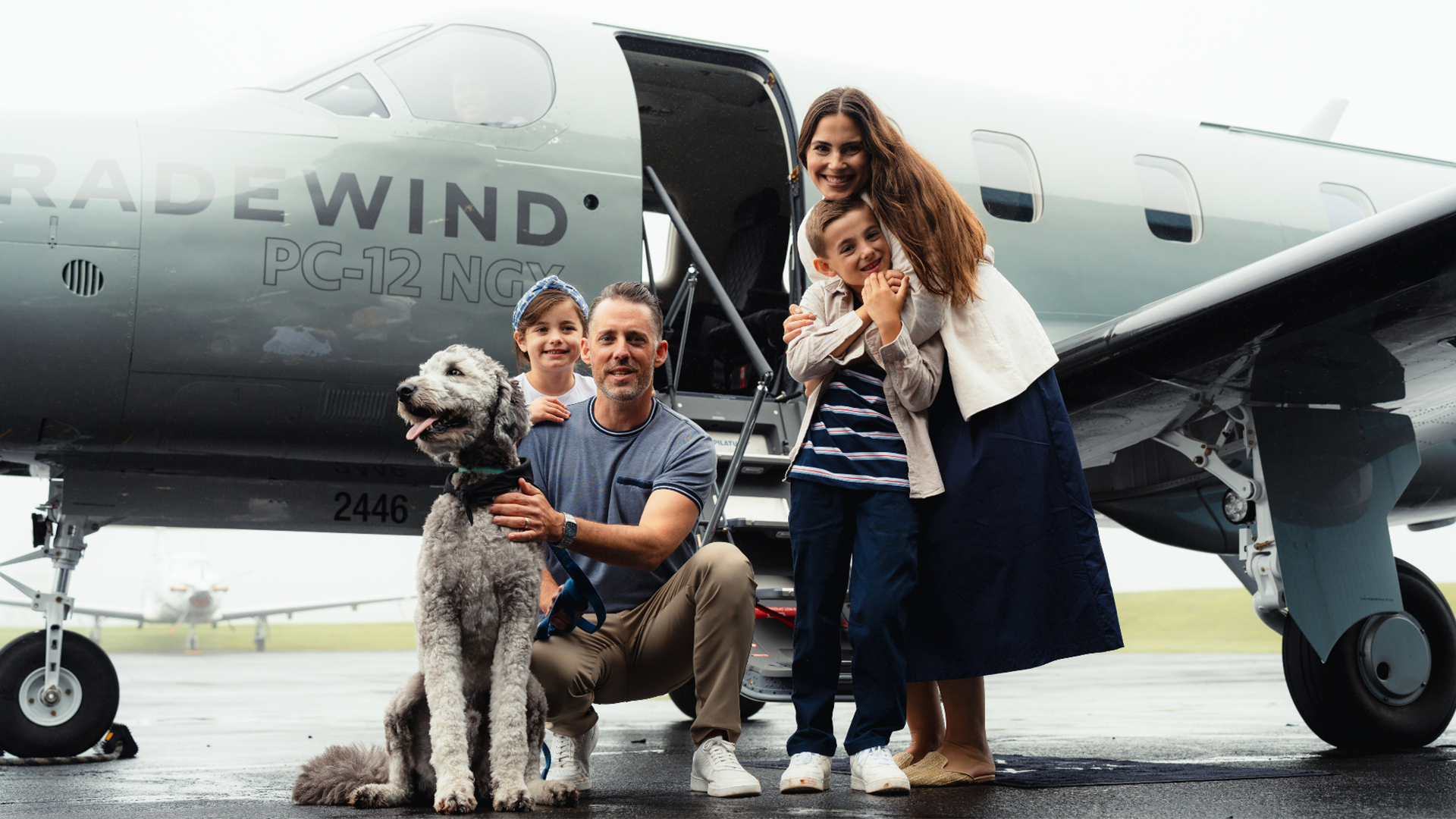
Credit: www.flytradewind.com
Frequently Asked Questions
Can I Bring My Dog In The Airplane Cabin?
Yes, most airlines allow small dogs in the cabin. Check airline policies and size limits. Use an airline-approved carrier under the seat.
What Paperwork Is Needed For Flying With Dogs?
You need a health certificate and vaccination records. Some countries require additional permits or quarantine rules. Always check airline and destination requirements.
How Do I Prepare My Dog For Air Travel?
Acclimate your dog to the carrier weeks before flying. Avoid feeding right before travel to prevent nausea. Bring familiar toys and blankets for comfort.
Are There Breed Restrictions For Dogs On Planes?
Yes, some airlines restrict brachycephalic breeds like Bulldogs. These dogs risk breathing problems during flights. Confirm your breed’s eligibility with the airline beforehand.
Conclusion
Traveling with dogs by air can be smooth and safe. Plan ahead and know airline rules well. Prepare your dog with familiar items and practice crate time. Keep your dog calm and hydrated during the trip. Check all documents and health certificates before flying.
Small steps make a big difference in travel comfort. Enjoy your journey with your furry friend by your side. Safe travels and happy tails await!


