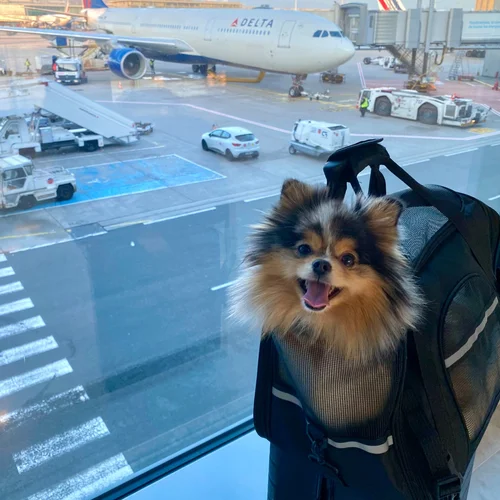

Traveling overseas with a dog can be exciting but also a bit overwhelming. You want to make sure your furry friend stays safe, comfortable, and happy throughout the trip.
From paperwork to packing the right supplies, there are important steps you need to know before you go. This guide will help you avoid common mistakes and give you simple tips to make your adventure smooth and stress-free—for both you and your dog.
Keep reading to discover everything you need to know to travel overseas with your best friend by your side.
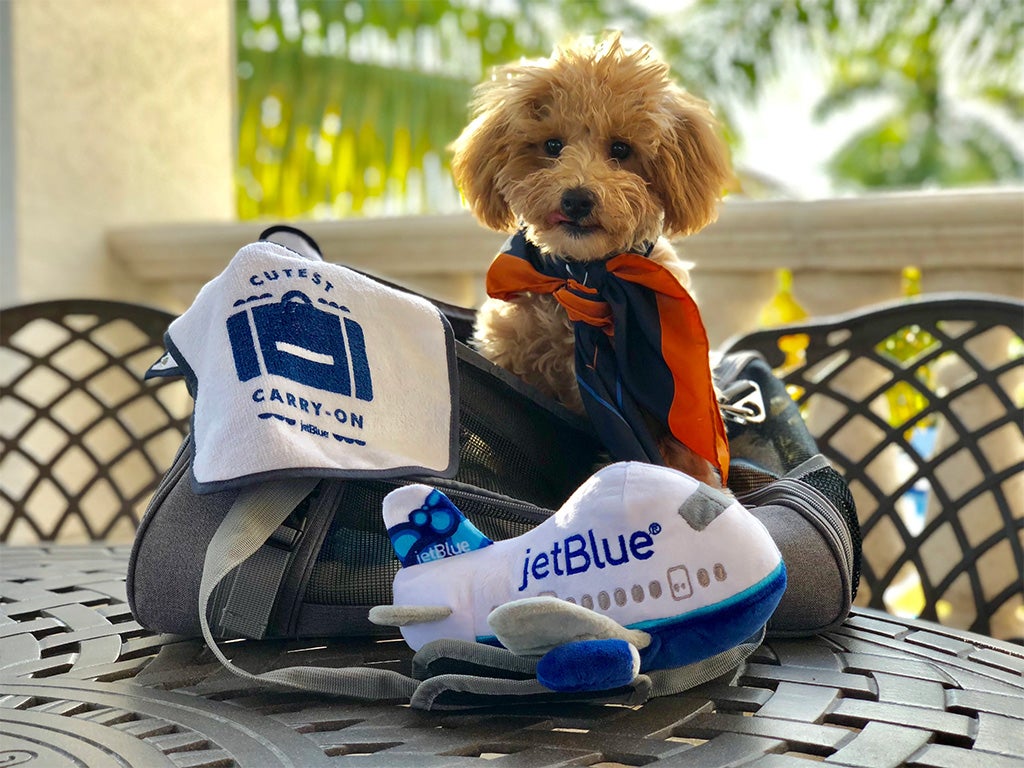
Credit: www.jetblue.com
Pre-trip Preparation
Getting ready for an overseas trip with your dog means more than just packing their favorite toys. Proper preparation ensures a smooth journey and helps avoid last-minute surprises. Let’s break down the key steps you need to cover before you take off.
Pet Passport And Documentation
Your dog’s passport is like their ticket to travel. It contains essential details such as identification, vaccination history, and entry requirements for the destination country.
Check the specific rules of the country you’re visiting. Some places require additional permits or quarantine periods. Keeping all paperwork organized in a folder can save you stress at the airport.
Health Checks And Vaccinations
A visit to the vet before the trip is crucial. Your dog must be healthy and up to date on vaccinations like rabies, which is mandatory in many countries.
Ask your vet about any region-specific vaccines or treatments. For example, some countries require a tapeworm treatment within a certain timeframe before arrival. A healthy pet means a hassle-free adventure.
Microchipping And Identification
Microchipping your dog adds a layer of security. If your pet gets lost, a microchip helps authorities identify and return them to you quickly.
Make sure your contact information linked to the microchip is current. Also, consider a collar with an ID tag showing your phone number and destination address. These small steps can prevent a lot of worry.
Choosing The Right Carrier
The carrier is your dog’s travel home, so pick one that fits them comfortably. It should be well-ventilated, sturdy, and approved by airlines.
Think about your dog’s size and temperament. If your dog isn’t used to a carrier, start training them weeks ahead. A familiar and cozy carrier reduces stress during travel.
Booking Your Travel
Booking your travel with a dog takes more planning than just picking dates and destinations. You need to understand airline rules, think about your flight path, and find places where your dog will be welcomed. Doing this well can make your trip smoother and less stressful for both you and your furry friend.
Airline Pet Policies
Every airline has different rules about flying with pets. Some allow small dogs in the cabin if they fit in a carrier under the seat. Others require larger dogs to travel in the cargo hold, which can be stressful for your pet.
Check these details before booking:
- Pet fees and size limits
- Health certificates or vaccinations required
- Carrier dimensions and type accepted
- Breed restrictions
I once booked a flight without confirming the pet policy. My dog was too big for the cabin, which led to last-minute stress and rebooking. Don’t make the same mistake—call the airline and clarify their pet rules before buying tickets.
Direct Flights And Layover Tips
Direct flights are easier on your dog. They reduce the time your pet spends in transit and avoid the stress of changing planes. If a direct flight isn’t available, choose layovers with enough time to let your dog stretch and relieve itself.
During layovers, look for pet relief areas at the airport. Not every airport has them, so check ahead. Bring a portable water bowl and some treats to keep your dog comfortable during waits.
Think about this: Would you prefer a long, complicated trip or a shorter, direct route? Your dog will feel the same way.
Accommodations That Accept Pets
Not all hotels or rentals welcome dogs. Start your search by filtering for pet-friendly stays. Some places have size limits or charge extra fees, so read the fine print.
Contact the accommodation directly to confirm their pet policy. Ask about nearby parks or walking areas so your dog can get exercise. I found a great Airbnb with a fenced yard, which made my dog’s stay much happier and safer.
Remember, booking a place where your dog is truly welcome sets the tone for your whole trip.
Packing Essentials For Your Dog
Essentials for traveling overseas with your dog include a secure carrier, proper identification, and health documents. Packing familiar toys and food helps your pet stay calm and comfortable during the journey. Always check airline and country rules before you travel.
Traveling overseas with your dog can be an exciting adventure, but ensuring a smooth journey requires some thoughtful packing. Just as you prepare your suitcase with essentials, your furry friend needs their own bag of must-haves. From food supplies to comfort items, having the right gear can make all the difference.Food And Water Supplies
Having enough food and water for your dog is crucial. Pack their regular food in a sealed container to keep it fresh and prevent spills. Travel-sized food bowls can be handy, especially collapsible ones that save space. Don’t forget a portable water bottle with a built-in bowl. These are lifesavers during airport layovers or long car rides. It’s wise to bring a bit more food than you think you’ll need, just in case of delays.Comfort Items And Toys
Familiar items can make your dog feel more at home, even in unfamiliar places. A favorite blanket or bed can provide comfort and reduce anxiety. This was a game-changer when I traveled with my dog; she settled down much quicker with her own blanket. Pack a few toys, but keep it minimal. Choose toys that are versatile and can keep your dog entertained for longer periods. A chew toy or a puzzle toy can work wonders during downtime.Medications And First Aid Kit
Medications are non-negotiable if your dog has specific health needs. Keep them in their original packaging to avoid any confusion at customs. A small first aid kit tailored for pets is also a smart addition. Include bandages, antiseptic wipes, and tick-removal tools. You never know when a minor mishap could occur, and being prepared can save you a lot of stress. Have you considered what you might need in a pet emergency abroad? Packing thoughtfully ensures that your dog stays happy and healthy throughout your travels. What essentials do you think your dog can’t live without on a trip?At The Airport
Traveling overseas with a dog means extra care at the airport. Airports can be busy and noisy places. Your dog might feel uneasy. Knowing what to expect can help both of you stay calm and ready. This section covers important tips for the airport experience.
Check-in Procedures With Pets
Arrive early to allow extra time for pet check-in. Airlines often require pets to be checked in at the counter. Have your dog’s health certificates and vaccination records ready. Some airlines ask for a pet passport or specific forms. Your dog must be in an airline-approved carrier. Make sure the carrier is comfortable and well-ventilated. Inform the staff if your dog has special needs. Check if your pet travels in the cabin or cargo. Follow all airline rules to avoid delays.
Security Screening Tips
At security, you will handle your dog and carrier separately. Remove your dog from the carrier before screening. Carry your dog through the metal detector. The empty carrier goes on the X-ray belt. Keep your dog close and calm during this process. Use a leash or harness to control your dog. Avoid sudden moves to keep security checks smooth. If your dog is nervous, speak softly to soothe it. Security staff are usually helpful with pets.
Managing Stress Before Boarding
Airports can be stressful for dogs and owners. Find a quiet spot away from crowds to relax. Offer water and a small treat to comfort your dog. Keep your dog in the carrier until boarding starts. Avoid feeding a large meal right before the flight. Gentle petting and calm voices help reduce anxiety. Bring a favorite toy or blanket for familiarity. Walk your dog before arriving to burn off energy. Staying calm yourself will help your dog stay calm too.
In-flight Considerations
Traveling overseas with your dog means paying special attention to what happens during the flight. The hours spent in the air can be stressful for your pet, so planning ahead is key to making the journey smoother. Understanding how to keep your dog calm, deciding between in-cabin or cargo travel, and managing feeding and hydration can make all the difference.
Keeping Your Dog Calm
Dogs pick up on your energy, so staying calm yourself helps your pet feel safe. Bring along familiar items like a favorite blanket or toy to comfort your dog during the flight. Consider gentle pressure wraps or calming sprays designed for pets, but always test them before the trip to avoid adverse reactions.
Exercise your dog well before the flight to burn off excess energy. If your dog is prone to anxiety, talk to your vet about mild sedatives or natural remedies. Remember, a relaxed dog is less likely to bark, whine, or stress during the journey.
In-cabin Vs. Cargo Travel
Choosing whether your dog flies in-cabin or in cargo depends on size, airline policies, and your dog’s temperament. Small dogs often do better in the cabin, where you can monitor them closely. Larger dogs usually must fly in the cargo hold, which is temperature-controlled but lacks human contact.
Ask yourself: How will your dog handle separation and noise? If your dog is nervous or has health issues, in-cabin travel might be safer. Check airline rules carefully, as some have strict crate requirements and weight limits for in-cabin pets.
Feeding And Hydration During Flight
Avoid feeding your dog right before the flight to prevent nausea. Offer a small meal a few hours before boarding to keep them comfortable. Keep water available, but don’t overdo it—too much water can cause discomfort in the air.
Use spill-proof bowls inside the crate to keep water accessible without mess. During long flights, ask flight attendants about opportunities to offer your dog water. Dehydration can sneak up quickly, so staying vigilant is crucial for your pet’s wellbeing.
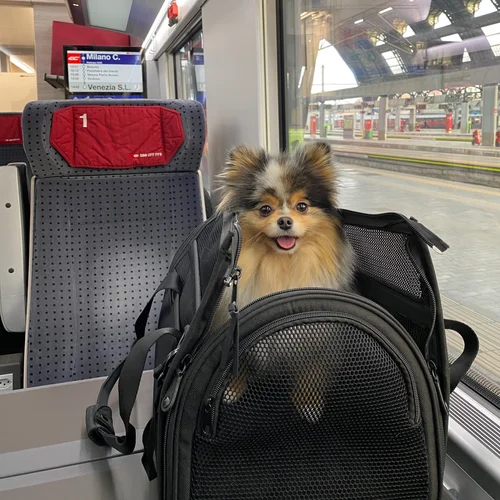
Credit: www.sheisnotlost.com
Arriving Overseas
Arriving overseas with your dog is an exciting moment, but it also requires careful attention to detail. You’ll face new rules and environments that can impact your pet’s comfort and safety. Preparing for these challenges ahead of time helps make the transition smooth for both of you.
Customs And Quarantine Rules
Every country has its own customs and quarantine regulations for pets. Some require health certificates, vaccinations, or even microchipping before entry. Others might impose quarantine periods that can last days or weeks.
Check the destination’s official government website early. This prevents surprises at the border and ensures you have all documents ready. Missing paperwork can lead to delays or your dog being held in quarantine, which can be stressful for both of you.
Finding Pet-friendly Transportation
Once you land, getting around with your dog might require special planning. Not all taxis or public transport allow pets, especially large ones. Research pet-friendly transportation options before you arrive.
- Look for shuttle services that accept animals.
- Consider renting a car if your dog needs extra space and comfort.
- Ask your accommodation about local pet transport recommendations.
On a personal note, I once struggled to find a cab that would take my dog in a busy foreign city. Having a car rental saved us from a long, stressful wait. Will you have the right transport ready when you step off the plane?
Settling Into New Surroundings
New smells, sounds, and sights can overwhelm your dog at first. Give your pet time to explore your accommodation slowly and safely. A familiar blanket or toy can help ease anxiety.
Try to maintain regular feeding and walking schedules to create a sense of routine. Observe your dog’s behavior closely—are they eating well, sleeping, or showing signs of stress? Adjust your plans to their comfort level.
Remember, your calm attitude can influence your dog’s adjustment. How will you create a welcoming environment that feels like home for your furry companion?
Health And Safety Abroad
Traveling overseas with your dog brings excitement but also responsibility. Ensuring your pet’s health and safety abroad means preparing for unexpected situations. Being proactive can prevent stress and keep your furry friend happy and safe during the trip.
Local Veterinary Services
Before you leave, research veterinary clinics near your destination. Save their contact details on your phone and write down their addresses. Knowing where to go if your dog falls ill or needs a check-up can save valuable time in an emergency.
Ask your current vet for recommendations on international vets or pet-friendly travel forums. Some countries require specific vaccinations or health certificates, so confirm local rules. This preparation ensures your dog receives proper care without delays.
Avoiding Common Hazards
Every country has unique risks for pets. Watch out for local wildlife, poisonous plants, or insects that could harm your dog. For example, some tropical regions have snakes or spiders that are dangerous to pets.
Be mindful of food and water safety. Avoid letting your dog drink from unfamiliar sources or eat street food scraps. Carry a portable water bowl and trusted food to keep your dog healthy and hydrated.
Think about climate changes too. Dogs used to cool weather might struggle in hot, humid places. Provide shade and regular water breaks, and avoid walking during the hottest parts of the day.
Travel Insurance For Pets
Pet insurance isn’t just for home—it’s essential abroad too. Look for travel insurance plans that cover veterinary care in foreign countries. Some policies even include emergency evacuation if your dog needs urgent medical treatment.
Check the fine print carefully. Does the insurance cover pre-existing conditions? What about accidents or illnesses that happen during travel? Having this coverage gives you peace of mind and can save you thousands in unexpected vet bills.
Have you thought about how you’d handle an emergency vet visit far from home? Getting travel insurance for your pet means you won’t have to face tough decisions alone.
Returning Home
Returning home after traveling overseas with your dog requires careful planning. The process ensures your pet stays healthy and safe. Different countries have rules for pets coming back. Preparing ahead makes the journey smooth for both you and your dog.
Re-entry Requirements
Many countries ask for specific documents to bring pets back. These often include:
- Valid pet passport or health certificate
- Up-to-date vaccination records, especially rabies
- Microchip identification details
- Import permits or quarantine paperwork, if needed
Check your country’s official pet travel rules before your return. Meet all requirements to avoid delays or quarantine.
Post-trip Health Check
After your trip, take your dog to the vet. A health check helps spot any travel-related issues. The vet will look for:
- Signs of stress or illness
- Parasites or infections
- Changes in appetite or behavior
Early detection keeps your dog healthy. Follow the vet’s advice for care and rest.
Handling Jet Lag In Dogs
Dogs can get jet lag like humans. Their sleep and eating patterns may change. Help your dog adjust by:
- Keeping a regular feeding schedule
- Providing quiet and comfortable rest areas
- Giving gentle exercise to reduce stress
Patience is key. Your dog will adapt in a few days.

Credit: www.washingtonpost.com
Frequently Asked Questions
What Documents Are Needed To Travel Overseas With A Dog?
You need a pet passport, vaccination records, and a microchip certificate. Some countries require additional health certificates issued by a vet. Check destination-specific regulations before traveling to avoid issues at customs or quarantine.
How To Prepare My Dog For A Long International Flight?
Acclimate your dog to the travel crate weeks before departure. Ensure they have proper hydration and exercise. Avoid feeding them right before the flight to prevent discomfort. Consult your vet about calming options if needed.
Are There Quarantine Rules For Dogs Traveling Overseas?
Many countries enforce quarantine periods to prevent disease spread. The length varies from a few days to several weeks. Research your destination’s quarantine policies early to prepare and meet all requirements for your dog.
Can I Bring My Dog In The Airplane Cabin?
Small dogs under airline weight limits may travel in the cabin. Larger dogs typically fly in the cargo hold. Always confirm your airline’s pet policies and book your dog’s spot in advance to ensure a smooth journey.
Conclusion
Traveling overseas with your dog can be a wonderful experience. Careful planning makes the trip smooth and safe. Prepare your dog with proper documents and health checks. Choose pet-friendly airlines and accommodations to avoid stress. Keep your dog comfortable during travel breaks and stay calm.
Enjoy new places together and create lasting memories. With the right steps, your journey will be happy and worry-free. Safe travels to you and your furry friend!