
Are you planning a trip and wondering, “Can I travel with my dog in a bus?” Taking your furry friend along can make your journey more enjoyable—but it also comes with important rules and tips you need to know.
Whether it’s a short ride or a long-distance trip, understanding how to travel with your dog on a bus will save you stress and keep your pet comfortable. Keep reading to discover everything you need to make traveling with your dog smooth and hassle-free.
Bus Policies For Dogs
Traveling with your dog on a bus can be a smooth experience if you understand the specific bus policies that apply to pets. Different bus companies have their own rules designed to keep all passengers safe and comfortable. Knowing these details ahead of time can save you stress and ensure your furry friend travels happily alongside you.
Carrier Requirements
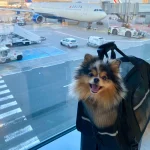
Most buses require dogs to be inside a secure carrier or crate during the trip. The carrier usually needs to fit under the seat or in your designated space. Make sure your dog’s carrier is well-ventilated, leak-proof, and comfortable for the duration of the ride.
Have you checked if your carrier meets the bus company’s size and material guidelines? Some buses only accept soft-sided carriers, while others allow hard cases. Preparing the right carrier can prevent last-minute surprises at the boarding gate.
Breed And Size Restrictions
Many bus services limit which breeds and sizes of dogs are allowed onboard. Small and medium-sized dogs are often accepted more easily, while large breeds may be restricted due to space and safety concerns. Aggressive or high-risk breeds might be banned entirely for the safety of all passengers.
Think about your dog’s size and temperament before booking. Does your dog stay calm in new environments? This can influence whether they’re permitted on the bus. Checking breed-specific rules early helps avoid disappointment on travel day.
Health And Vaccination Rules
Buses typically require proof that your dog is healthy and up to date with vaccinations. This protects both your pet and fellow travelers from potential illnesses. You might need to carry a recent health certificate or vaccination record with you.
Has your dog had a recent vet check before the trip? Make sure all shots, including rabies and distemper, are current. Keeping these documents handy ensures quick boarding and smooth passage through any inspections.

Credit: www.youtube.com
Preparing Your Dog For Bus Travel
Getting your dog ready for bus travel takes more than just packing the leash and carrier. It’s about making the whole experience comfortable and stress-free for your furry friend. The way you prepare can set the tone for the entire journey.
Familiarizing With The Carrier
Your dog’s carrier should feel like a safe little home rather than a strange box. Start by placing the carrier in a common area where your dog spends time. Add familiar blankets or toys inside to encourage your dog to explore it willingly.
Try feeding your dog meals inside the carrier or near its entrance. This builds positive associations and reduces anxiety. Think about how you’d react if suddenly confined in an unfamiliar space—your dog feels the same way.
Calming Techniques
Calm dogs handle travel better. Use gentle petting, soft voice tones, or even a favorite chew toy to keep your dog relaxed before and during the trip. Some dogs respond well to natural calming sprays or pheromone collars designed to ease stress.
Have you noticed how deep, slow breathing can calm you down? Dogs do too. Practicing slow, soothing strokes can mimic this effect and help your dog settle. Avoid last-minute excitement or loud noises that might spike anxiety.
Exercise Before The Trip
Physical activity tires your dog in a good way. A brisk walk or a short play session before boarding the bus helps burn off excess energy. A tired dog is more likely to rest quietly during the journey.
Think about your own travel experience—does a bit of exercise before a long ride help you feel less restless? Your dog benefits the same way. Remember to keep the exercise moderate, so your dog isn’t overly exhausted or dehydrated.
Booking Your Trip
Booking your trip with your dog on a bus requires careful planning. You must confirm that the bus company accepts pets. Reservations should be made early to guarantee a spot for both you and your dog. Knowing the fees and having the right documents ready helps avoid last-minute issues. Preparing well makes the journey smoother and stress-free.
Choosing Pet-friendly Bus Companies
Not all bus companies allow dogs. Research companies that welcome pets onboard. Check their pet policies online or call customer service. Some buses allow only small dogs in carriers. Others have specific rules about dog size and behavior. Pick a company that fits your dog’s needs and your travel plans.
Making Reservations
Book your tickets as soon as possible. Pet spots may be limited. Inform the company about your dog during booking. Provide details like size and breed if asked. Confirm the seating arrangement to keep your dog comfortable. Keep a copy of your reservation and any pet approval emails.
Fees And Documentation
Most bus companies charge a fee for dogs. Fees vary by company and dog size. Prepare to pay these fees at booking or boarding. Carry essential documents such as your dog’s vaccination records. Some companies require a health certificate from a vet. Bring your dog’s ID tags and leash for safety.
Day Of Travel Tips
Traveling with a dog on a bus depends on the bus company’s rules. Small dogs in carriers are often allowed. Always check the specific policy before you go.
Traveling with your furry friend on a bus can be a delightful experience with the right preparation. Ensuring a smooth journey involves a bit of planning, especially on the day of travel. Below are some essential tips to make your bus trip with your dog enjoyable and stress-free.Packing Essentials
Pack your dog’s belongings just like you would pack your own. A cozy blanket or familiar toy can provide comfort during the journey. Don’t forget a leash for safety and a collapsible water bowl for convenience. Consider packing a small first-aid kit tailored for dogs, including any medications your pet may need. A ziplock bag of your dog’s favorite treats can also come in handy for keeping them calm and happy.Feeding And Hydration
Keep your dog well-fed but avoid a heavy meal right before the trip to prevent travel sickness. Offer a light snack a couple of hours before departure. Make sure to carry enough water to keep your dog hydrated throughout the journey. Regular sips of water can prevent dehydration, especially if the bus journey is long. Always keep a collapsible bowl within easy reach for quick hydration stops.Managing Bathroom Breaks
Plan ahead by knowing the route and scheduled stops to manage bathroom breaks efficiently. Giving your dog a chance to relieve themselves before boarding can reduce stress for both of you. Carry waste bags for easy cleanup and to maintain hygiene. If the bus doesn’t have scheduled stops, consider politely asking the driver if a brief pause is possible for your pet’s comfort. Frequent and timely breaks can make the journey more pleasant for everyone. Are there any other tips or experiences you’d like to share about traveling with your dog on a bus?During The Bus Ride
Traveling by bus with your dog can be an adventure, but the journey itself requires careful attention. What you do during the bus ride can make a big difference in how comfortable and calm your dog feels. Here’s how to handle those crucial moments on the road.
Keeping Your Dog Comfortable
Comfort is key to a smooth bus ride for your dog. Bring a cozy blanket or their favorite bed to create a familiar spot. This helps reduce anxiety and gives your dog a place to relax.
Make sure your dog has access to water, especially on longer trips. A collapsible bowl works well and doesn’t take up much space. Keep an eye on your dog’s behavior—panting or restlessness can signal discomfort.
Handling Emergencies
What if your dog gets sick or scared during the ride? Stay calm and try to soothe your pet with a gentle voice and slow petting. Having basic first aid supplies in your bag can be a lifesaver.
Know the bus company’s policy on emergencies and have the driver’s contact info handy. If your dog has a sudden health issue, alert the driver immediately. Being prepared helps you react quickly and keep your dog safe.
Interacting With Other Passengers
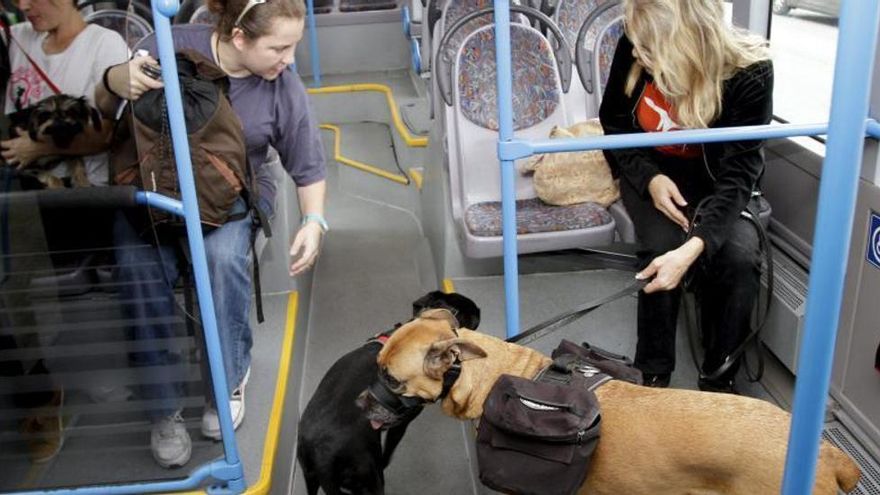
Not everyone on the bus may be comfortable around dogs. Always ask your dog to stay close to you and avoid jumping on strangers. Use a leash or harness for control at all times.
If someone approaches your dog, watch your pet’s body language closely. You want to prevent any unwanted interactions that might stress your dog or the passengers. How do you usually handle your dog meeting new people in tight spaces?

Credit: pawtrips.ca
After The Trip
After traveling with your dog by bus, the journey doesn’t just end when you step off the vehicle. How you care for your dog immediately following the trip can make a huge difference in their comfort and well-being. Reflecting on their experience also helps you prepare better for future travels.
Post-travel Care
Once you arrive, give your dog a chance to stretch and relieve themselves. Offer fresh water right away to help them rehydrate after the trip. A gentle walk can calm any travel anxiety and help release built-up energy.
Check your dog’s body for any signs of stress or discomfort, such as limping or excessive panting. If your dog seems unusually tired or restless, create a quiet space where they can relax. Remember, your calm attitude will reassure your dog and make them feel safe.
Assessing Your Dog’s Experience
Observe how your dog reacted during the bus ride. Did they seem anxious, calm, or curious? Understanding their behavior helps you decide if bus travel suits your dog’s personality.
Ask yourself these questions:
- Did your dog handle the noises and movement well?
- Were they able to rest comfortably?
- Did they show signs of stress or fear?
Sometimes, a travel journal noting your dog’s reactions can be useful for future trips. This way, you can track what worked and what didn’t.
Planning Future Trips
Use your observations to improve your next journey. If your dog struggled with noise, consider bringing a familiar blanket or toy. If they seemed restless, plan for more frequent breaks to help them stretch.
Think about travel timing too. Some dogs prefer traveling during quieter hours when buses are less crowded. Also, check the bus company’s pet policies in advance to avoid surprises.
Have you thought about whether shorter trips might help your dog adjust gradually? Taking small steps can build positive associations with bus travel over time.
Credit: www.oxfordbus.co.uk
Frequently Asked Questions
Can I Bring My Dog On A Public Bus?
Yes, many public buses allow small dogs if they are in a carrier. Always check the specific bus company’s pet policy before traveling.
Are There Size Limits For Dogs On Buses?
Most buses require dogs to be small enough to fit in a carrier. Larger dogs may not be allowed unless the bus has special accommodations.
Do I Need A Ticket For My Dog On The Bus?
Some bus services require a ticket or fee for pets. Always confirm with the bus operator to avoid surprises during your trip.
What Are The Rules For Dog Behavior On Buses?
Dogs must be well-behaved and kept quiet. Owners should keep dogs on a leash or inside a carrier to ensure safety and comfort for all passengers.
Conclusion
Traveling with your dog on a bus can be smooth and stress-free. Always check the bus company’s pet rules before booking. Bring a comfortable carrier and essentials for your dog’s comfort. Keep your dog calm and well-behaved during the trip.
Planning ahead helps avoid problems and keeps everyone happy. Your pet can enjoy the journey just like you. Safe travels with your furry friend!