Traveling with a large dog on a plane can feel overwhelming. You want your furry friend to be safe and comfortable, but the rules and steps might seem confusing.
What can you bring? How do you prepare your dog for the flight? If you’ve ever wondered how to make flying with a big dog easier, you’re in the right place. This guide will walk you through everything you need to know, so you and your dog can take to the skies with confidence.
Keep reading to discover simple tips and expert advice that will make your trip smooth and stress-free.
Choosing The Right Airline
Choosing the right airline is essential for traveling with a large dog on a plane. Each airline has unique rules and limits for pets. Picking the best airline makes the trip easier and safer for both you and your dog.
Some airlines allow large dogs in the cabin while others require cargo travel. Checking these details early helps avoid surprises at the airport. Also, airline comfort and pet care standards vary, so choose one that suits your dog’s needs.
Airline Policies For Large Dogs
Airlines set specific policies for large dogs. Some allow dogs only in cargo, not in the cabin. Many require a special carrier that fits size rules. Check breed restrictions, as some airlines do not accept certain breeds. Vaccination and health certificates are often mandatory. Policies differ between domestic and international flights.
Pet Fees And Charges
Traveling with a large dog usually costs extra. Fees depend on whether the dog flies in cabin or cargo. Some airlines charge a flat fee; others calculate by weight or distance. Prepare for additional expenses like kennel rental or pet insurance. Understanding all fees upfront helps plan your budget better.
Booking Your Dog’s Spot
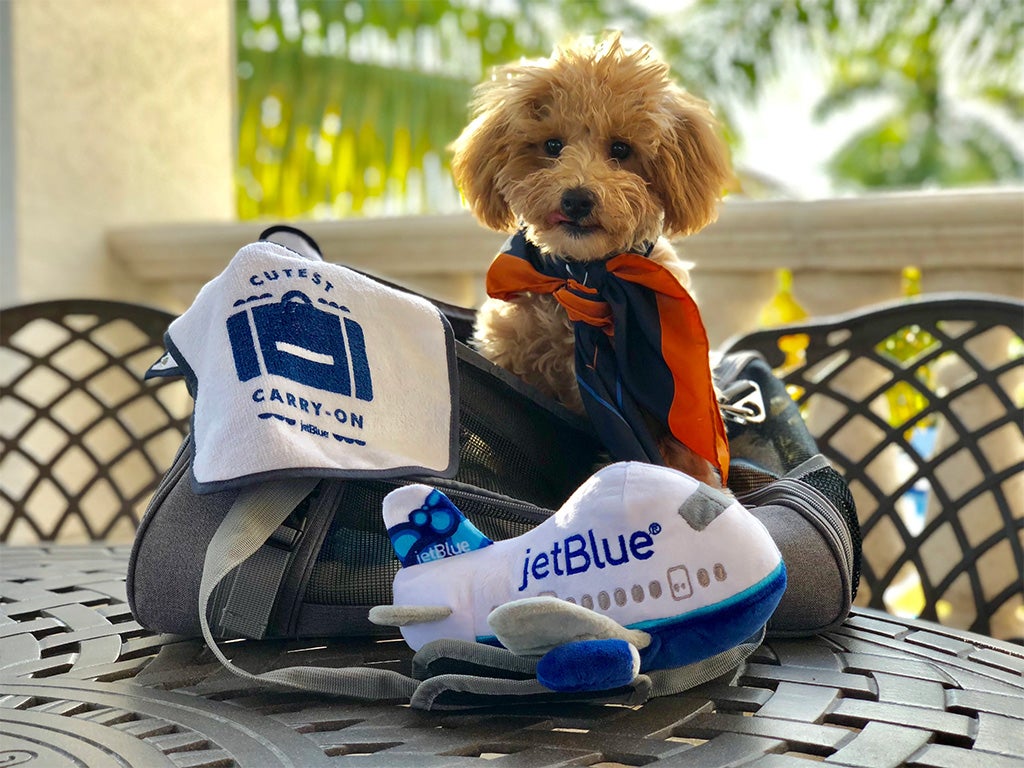
Reserving a place for your large dog requires early action. Airlines limit the number of pets per flight. Book your dog’s spot as soon as you buy your ticket. Provide all required documents during booking. Confirm your reservation a few days before the flight to avoid last-minute issues.
Credit: www.jetblue.com
Preparing Your Dog For The Flight
Preparing your large dog for a flight takes thoughtful planning and attention to detail. Ensuring your dog is comfortable, healthy, and calm can make a huge difference in how smoothly the journey goes. It’s not just about packing the right things but also about getting your dog used to the travel process before you even step foot on the plane.
Health Check And Vaccinations
Start with a visit to the vet to confirm your dog is fit to fly. Airlines often require a health certificate issued within a specific timeframe before travel. Ask your vet about any vaccinations your dog needs, especially if you’re flying internationally.
Discuss your dog’s anxiety or motion sickness with the vet. They might recommend mild sedatives or natural remedies to help your dog stay calm during the flight. Never give any medication without professional advice—it could cause more harm than good.
Familiarizing Your Dog With The Crate
The crate will be your dog’s home during the flight, so it needs to feel safe and comfortable. Introduce the crate well in advance by placing treats, toys, and bedding inside it at home. Let your dog explore it freely without any pressure.
Try feeding your dog meals inside the crate to create a positive association. Gradually increase the time your dog spends in the crate each day. Have you noticed how your dog reacts when you close the door for short periods? This small test can reveal how ready they are for the actual flight.
Exercise And Feeding Tips
Plan a good exercise session before the flight to help your dog burn off excess energy. A tired dog is usually a calmer dog during travel. Avoid intense exercise right before leaving, as it might cause overexcitement or stress.
Feed your dog a light meal 3-4 hours before the flight to prevent nausea. Avoid feeding right before boarding, as it increases the risk of an upset stomach. Always have fresh water available, but limit intake close to the flight time to reduce bathroom needs.
Selecting The Ideal Crate
Choose a crate that fits your large dog comfortably with enough space to stand, turn, and lie down. Sturdy and airline-approved crates ensure safety and ease during travel. Proper ventilation and secure locks are essential for a smooth journey.
Selecting the Ideal Crate Traveling with a large dog on a plane can be a challenge, but choosing the right crate makes all the difference. The ideal crate ensures your furry friend travels safely and comfortably. Consider the size, airline standards, and how to make the space feel like home.Size And Comfort Requirements
A well-fitting crate is crucial for your dog’s comfort. Your dog should be able to stand, turn around, and lie down without restrictions. Measure your dog from nose to tail and from the top of their head to the ground to ensure you find the perfect fit. Imagine being cramped in a tiny space for hours. It’s not something you’d enjoy, and neither will your dog. A comfortable crate helps reduce stress and anxiety during the flight.Airline-approved Crate Standards
Not all crates are created equal when it comes to air travel. Check with your airline for specific crate requirements. Most airlines require crates to be made of rigid plastic, with secure door locks and proper ventilation. Some airlines even have specific brands or models they prefer. This can save you a lot of hassle at check-in. Knowing these standards can prevent last-minute surprises and ensure a smooth travel experience.Adding Familiar Items For Comfort
A familiar item can transform a crate from a strange box into a cozy den. Consider adding your dog’s favorite blanket or a well-loved toy. These items provide comfort and a sense of security. Remember the last time you were away from home and how comforting a familiar item felt. Your dog feels the same way. A piece of home in the crate can make a big difference in their travel experience. Incorporate these strategies, and you’ll find that selecting the ideal crate is not just about meeting airline rules but ensuring your dog travels comfortably and happily. Have you considered what makes your dog feel at home?Day Of Travel Essentials
The day of travel with your large dog can be both exciting and stressful. Having a clear plan and knowing what essentials to focus on can make the experience smoother for both of you. From arriving early to managing security checks, every step requires preparation and calmness.
Arrival Time And Check-in Process
Arrive at the airport earlier than usual. Airlines often recommend arriving two to three hours before your flight when traveling with pets. This gives you enough time to handle check-in, pet documentation, and any unexpected delays.
Check in at the airline counter, not just at self-service kiosks. Staff will need to verify your dog’s health certificates and ensure the crate meets airline standards. Having all paperwork ready speeds up this process.
Security Screening For Pets
Security screening can be confusing for first-time pet travelers. You will need to remove your dog from the carrier and carry them through the metal detector. The empty crate will go separately through the X-ray machine.
If your dog is large, you might need a sturdy harness and leash to keep them secure during this step. A calming treat or favorite toy can help reduce stress. Remember, TSA agents are there to assist, so don’t hesitate to ask questions.
Keeping Your Dog Calm At The Airport
Airports are noisy and crowded places, which can easily overwhelm a large dog. Keep your dog close to you and speak softly to reassure them. A familiar blanket or toy inside the crate can provide comfort.
Take short walks if the airport allows pet-friendly areas. This helps your dog release energy and stay relaxed. Have you noticed how a calm pet changes the whole travel vibe? Your calmness will reflect on your dog.
In-flight Tips For Large Dogs
Traveling on a plane with a large dog can be challenging. Knowing how to care for your dog during the flight helps keep them calm and comfortable. These in-flight tips focus on managing anxiety, staying hydrated, and working with the flight crew.
Managing Anxiety And Stress
Many large dogs feel nervous during flights. Help your dog by creating a calm environment. Bring a favorite toy or blanket to provide comfort. Speak to your dog in a soft and soothing voice. Avoid loud noises and sudden movements around your pet. Consider natural calming aids after consulting your vet. Regularly check on your dog to reassure them.
Hydration And Bathroom Breaks
Keep your dog hydrated throughout the flight. Offer small amounts of water often to prevent dehydration. Avoid giving too much water before boarding to reduce bathroom needs. Use absorbent pads inside the crate in case of accidents. If the flight allows, take bathroom breaks during long layovers. Plan your trip to include stops where your dog can stretch and relieve themselves.
Communicating With Flight Crew
Inform the flight crew that you are traveling with a large dog. Ask about any specific rules or assistance they can provide. Let them know if your dog has special needs or health issues. Be polite and clear when requesting help. Flight attendants can offer support and keep an eye on your pet during the flight. Good communication helps ensure a smoother journey for both you and your dog.
Post-flight Care
After a long flight, your large dog needs special care to recover comfortably. Post-flight care helps your dog adjust and stay healthy. It reduces stress and supports a smooth transition to the new environment. Focus on health checks, time adjustment, hydration, and rest for best results.
Immediate Health Check
Check your dog right after landing. Look for signs of stress or injury. Watch for heavy panting, limping, or unusual behavior. Take your dog to a vet if something seems wrong. Early detection prevents serious problems.
Adjusting To New Time Zones
Your dog’s body clock may be off after travel. Help your dog adjust slowly to local time. Feed meals and walk at regular local times. Keep your dog active during daylight hours. Avoid long naps during the day to reset the internal clock.
Rehydration And Rest
Flying dehydrates dogs quickly. Offer fresh water as soon as possible. Encourage small, frequent drinks rather than one large amount. Provide a quiet, comfortable space for rest. Avoid loud noises and bright lights. Rest helps your dog recover energy and calm down.
Alternative Travel Options
Traveling with a large dog on a plane can be challenging, and sometimes the standard in-cabin option isn’t feasible. Exploring alternative travel options can make your journey smoother and safer for both you and your furry friend. Knowing the pros and cons of each method helps you choose the best fit for your situation.
Flying Cargo Vs. In-cabin
Flying your large dog as cargo is often the only option when your pet exceeds the airline’s in-cabin size limits. Cargo holds are pressurized and temperature-controlled, but they can still be stressful for your dog due to separation and unfamiliar surroundings.
In-cabin travel keeps your dog close and reassures both of you, but it’s only possible if your dog fits comfortably under the seat. Many owners I’ve spoken to say that in-cabin travel helps reduce their pet’s anxiety significantly.
Ask yourself: Is your dog calm enough to handle being in cargo, or would keeping them near you be better? Each airline has specific rules, so check them carefully before booking.
Ground Transportation Options
If flying isn’t ideal, ground transportation offers a less stressful alternative for large dogs. Driving allows you to stop frequently, manage your dog’s needs, and control the environment around them.
Professional pet-friendly shuttle services and long-distance pet taxi companies provide safe and comfortable rides. These services often have climate-controlled vehicles and experienced handlers who understand large dogs.
Consider whether the extra travel time is worth the peace of mind. Could a scenic road trip turn into a bonding experience for you and your dog?
Hiring Pet Transport Services
Specialized pet transport companies handle everything from pick-up to delivery, easing your travel burden. They offer tailored services like door-to-door transport and real-time updates on your dog’s journey.
These services often employ trained staff who know how to manage large dogs during transit, ensuring safety and comfort. Prices vary based on distance and service level, but many owners find the convenience worth the cost.
Would you prefer to trust experts with your dog’s travel or handle the logistics yourself? This choice depends on your schedule, budget, and your dog’s temperament.
Credit: www.outlooktraveller.com
Credit: www.nerdwallet.com
Frequently Asked Questions
How To Prepare A Large Dog For Plane Travel?
Prepare your large dog by visiting the vet for a health check. Use a sturdy, airline-approved crate. Familiarize your dog with the crate before the flight. Pack essential items like water, food, and comfort toys. Arrive early to reduce stress and follow airline guidelines strictly.
What Are The Airline Rules For Large Dogs On Planes?
Airlines require large dogs to travel in cargo or checked baggage. Each airline has specific crate size and weight limits. You must book your dog’s spot in advance. Some airlines require health certificates and vaccinations. Always check the airline’s pet policy before booking your flight.
Can Large Dogs Travel In The Cabin With Owners?
Most airlines don’t allow large dogs in the cabin due to space limits. Small pets usually fly in carriers under the seat. Large dogs must travel in the cargo hold for safety. Confirm your airline’s specific pet travel rules before your trip.
Plan accordingly to ensure your dog’s comfort.
How To Reduce Stress For Large Dogs During Flights?
Keep your dog calm by exercising them before the flight. Use familiar blankets or toys inside the crate. Avoid feeding right before flying to prevent nausea. Speak softly and gently to soothe your dog. Consider consulting your vet about calming aids if needed.
Conclusion
Traveling with a large dog on a plane takes good planning. Choose the right carrier for comfort and safety. Check airline rules before booking your flight. Bring familiar items to help your dog stay calm. Keep your dog’s health and needs in mind.
Stay patient and calm throughout the journey. A smooth trip is possible with careful steps. Your dog will thank you for the care you show. Enjoy your travels together with confidence and ease.