

Traveling with a big dog can feel overwhelming. You might worry about space, comfort, and keeping your furry friend safe.
But it doesn’t have to be stressful. With the right tips, you can enjoy your trip without constant worry. Imagine your dog happily resting by your side, and you relaxed, knowing everything is under control. Ready to learn how? Keep reading, and you’ll discover simple steps to make traveling with your big dog smooth and enjoyable for both of you.

Credit: www.amazon.ca
Choosing The Right Travel Gear
Choosing the right travel gear is essential when you’re planning a trip with your big dog. The right equipment keeps your pet safe, comfortable, and happy throughout the journey. Without proper gear, even a short trip can become stressful for both you and your dog.
Selecting A Spacious Crate
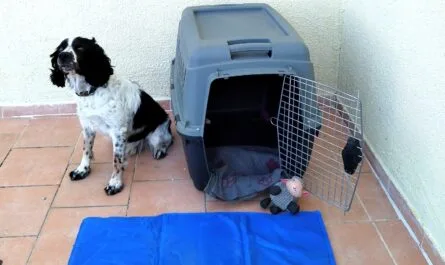
Your dog needs enough room to stand, turn, and lie down comfortably inside the crate. Measure your dog’s height and length before buying, and pick a crate that offers extra space beyond those dimensions.
Hard-sided crates provide more protection on planes, while soft-sided ones are lighter for car travel. Consider crates with good ventilation and easy access doors. Have you noticed how your dog behaves in smaller spaces? That’s a good indicator of the crate size you’ll need.
Comfortable Harnesses And Leashes
A well-fitting harness can prevent injuries and make controlling your big dog easier. Look for harnesses with padded straps and adjustable fittings to avoid chafing during long walks or stops.
Leashes with shock absorbers can reduce strain if your dog pulls suddenly. Think about where you’ll be walking and choose a leash length that offers control without restricting movement. What has worked best for your dog in busy or unfamiliar places?
Travel-friendly Food And Water Bowls
Collapsible bowls are a must-have for feeding your dog on the go. They save space and are easy to clean during pit stops. Durable materials like silicone or stainless steel are practical choices.
Consider carrying extra water to keep your dog hydrated, especially on hot days. Some travel bowls come with lids to prevent spills in the car. How often do you take breaks to offer food and water during travel?
Credit: thefidotrail.com
Preparing Your Dog For Travel
Preparing a big dog for travel involves gradual practice and familiarizing them with their travel gear. Keeping your dog calm and comfortable during trips ensures a safer and more enjoyable journey.
Preparing for a trip with your big dog can be a rewarding journey in itself. It’s all about making the process enjoyable and stress-free for both you and your furry friend. By focusing on the right preparation steps, you can ensure your dog feels comfortable and excited about the upcoming adventure. Let’s dive into how you can make this happen.Gradual Acclimation To Car Rides
Start by taking your dog on short car rides to help them adjust. Gradually increase the length of these rides over time. Consider treating them with a favorite toy or snack during the ride to create positive associations. Is your dog anxious during car rides? Try different seating arrangements or play calming music to soothe them.Exercise Before The Trip
A tired dog is a happy dog. Before hitting the road, take your dog for a long walk or engage them in a lively game of fetch. This helps burn off excess energy and can make the journey more relaxed for both of you. Think of exercise as a pre-trip ritual. It sets the tone for a calm and enjoyable travel experience.Health Check And Vaccinations
Before any trip, ensure your dog is up to date with vaccinations. Schedule a visit to the vet for a health check to rule out any underlying issues. Keep a copy of your dog’s medical records handy, as some destinations may require proof of vaccination. Have you considered microchipping your dog? It’s a valuable step to take, offering peace of mind in case of any unexpected separations during your travels. By taking these steps to prepare your dog for travel, you not only ease their transition but also create a memorable journey for both of you. Ready to embark on your adventure with your four-legged companion?Packing Essentials For Your Dog
Packing the right items for your big dog ensures a smooth trip. It helps keep your dog happy, healthy, and comfortable. Think about what your dog needs daily and add travel-specific items.
Focus on essentials that cover eating, comfort, and safety. Prepare well to avoid last-minute stress. Your dog will feel secure with familiar items and proper care tools.
Food And Treats
Bring enough food for the entire trip. Use your dog’s regular food to avoid stomach upset. Pack treats for rewards and to keep your dog calm.
- Pre-measured portions in sealed bags
- Collapsible food and water bowls
- Special dietary snacks if needed
Toys And Comfort Items
Include toys your dog loves to reduce anxiety. A favorite toy can provide comfort in new places. Add a blanket or bed that smells like home.
- Chew toys to keep your dog busy
- Soft bedding for resting
- Items with familiar scents
First Aid Kit
Prepare a small first aid kit for emergencies. It should include basics to treat minor injuries. Know how to use each item before you travel.
| Item | Purpose |
|---|---|
| Bandages | Cover cuts and scrapes |
| Antiseptic wipes | Clean wounds |
| Tweezers | Remove splinters or ticks |
| Digital thermometer | Check your dog’s temperature |
| Emergency contact list | Vet and animal hospital numbers |

Credit: k9sportsack.com
Planning Your Travel Route
Planning your travel route with a big dog takes more than just mapping out highways and rest stops. You need to think about your dog’s comfort, safety, and needs throughout the journey. Careful preparation helps prevent stress for both you and your furry companion, making the trip enjoyable.
Pet-friendly Stops And Accommodations
Not every rest stop or hotel welcomes large dogs, so identifying pet-friendly places ahead of time is key. Use apps and websites dedicated to pet travel to find parks, restaurants, and hotels that accommodate big dogs comfortably.
Look for spots with ample space for your dog to stretch and play. Some hotels even offer special amenities like dog beds or grooming services. Have you checked if your preferred accommodations require advance notice for large pets?
Timing Breaks For Exercise And Relief
Big dogs need frequent breaks to relieve themselves and burn off energy. Plan to stop every two to three hours, allowing your dog to walk, sniff, and stretch their legs.
Choose locations with grassy areas or dog parks instead of just parking lots. This helps avoid restlessness and keeps your dog calm during the drive. How long do you usually let your dog exercise during breaks?
Avoiding Extreme Weather Conditions
Temperature and weather conditions affect your dog’s safety more than you might expect. Avoid traveling during the hottest parts of the day to prevent overheating, especially if your dog has a thick coat.
In cold weather, plan for extra layers or blankets to keep your dog warm during stops. Monitor weather forecasts closely and adjust your route or schedule if severe weather is expected. Have you noticed how weather changes impact your dog’s behavior on trips?
Managing Safety During The Trip
Keeping your big dog safe during travel is more than just a good idea—it’s essential. The right safety measures protect your pet and everyone in the vehicle. Let’s look at how you can make the journey secure and comfortable for your furry companion.
Securing Your Dog In The Vehicle
Loose dogs in cars are a danger to themselves and others. Use a strong, well-fitted harness attached to a seatbelt or a sturdy crate designed for large dogs. This prevents sudden movements and keeps your dog stable on sharp turns or sudden stops.
Think about the space your dog needs. Crates should be roomy enough for your dog to stand, turn, and lie down comfortably. If you use a harness, test it beforehand to ensure it fits well and doesn’t chafe.
Preventing Motion Sickness
Motion sickness can ruin the trip for your dog and you. Try feeding your dog a light meal a few hours before the trip to reduce nausea. Avoid heavy or greasy food right before the journey.
Some dogs benefit from natural remedies like ginger or specially made pet motion sickness medication. Always check with your vet before giving any medicine. Keep the car cool and well-ventilated; fresh air helps reduce dizziness.
Monitoring Your Dog’s Behavior
Watch your dog closely for signs of stress or discomfort. Panting, whining, or restlessness can mean your dog is anxious or not feeling well. Pull over safely if you notice these signs, and give your dog a break to stretch and calm down.
Ask yourself: Is your dog relaxed or tense? Adjust your driving or environment accordingly. Your attentiveness can make all the difference in a smooth, safe trip.
Handling Stress And Anxiety
Traveling with a big dog can be exciting, but it often brings stress and anxiety for your furry friend. Managing these feelings is key to a smooth trip. Paying attention to your dog’s emotional state helps you react quickly and keeps the journey pleasant for both of you.
Calming Techniques And Tools
You can use simple calming techniques to ease your dog’s nerves during travel. Gentle massages or brushing can lower their heart rate and relax muscles. Playing soft music or white noise can drown out unfamiliar sounds that might trigger stress.
Tools like anxiety vests or calming collars release soothing scents or apply gentle pressure, which many dogs find comforting. Carry familiar items like your dog’s favorite blanket or toy to create a safe space. Have you noticed how your dog reacts to certain objects or sounds? Use those cues to tailor the environment.
Using Natural Remedies
Natural remedies offer gentle support without harsh side effects. Herbal supplements like chamomile or valerian root can help calm your dog if given in the right dosage. Always check with your vet before trying new supplements to ensure safety.
Aromatherapy with lavender or chamomile essential oils can also have calming effects. Use a diffuser in your car or hotel room, but never apply essential oils directly on your dog. Have you tried natural remedies before? Monitoring your dog’s response helps you decide what works best.
When To Consult A Veterinarian
If your dog’s anxiety is severe or triggers aggressive behavior, professional advice is crucial. A vet can recommend medications or specialized behavioral therapies tailored to your dog’s needs. Don’t wait until travel becomes unbearable—early intervention makes a big difference.
Discuss your travel plans with your veterinarian well in advance. They might suggest a trial run or provide strategies to prepare your dog mentally. How often do you assess your dog’s stress levels during travel? Regular check-ins can prevent problems from escalating.
Navigating Public Spaces
Traveling with a big dog in public spaces requires careful planning. These areas can be busy and unpredictable. Your dog needs guidance and control to stay safe and calm. Understanding local rules and your dog’s needs helps create a smooth experience.
Respecting Leash Laws
Leash laws protect your dog and others around you. Always keep your big dog on a leash unless the area allows off-leash play. Use a strong, comfortable leash that fits your dog’s size. Check local rules before entering parks or trails. A secure leash prevents your dog from running off or causing trouble.
Managing Interactions With Other Pets
Big dogs can be intimidating to smaller pets. Watch your dog’s body language closely. Allow introductions slowly and calmly. Avoid crowded areas with many dogs if your dog feels nervous. Respect other pet owners’ space and requests. Teaching your dog to wait calmly helps prevent unwanted conflicts.
Keeping Your Dog Hydrated And Cool
Big dogs can overheat quickly, especially in warm weather. Carry fresh water and a portable bowl during your outings. Offer water often, even if your dog does not seem thirsty. Find shaded spots to rest and cool down. Avoid walking your dog on hot pavement to protect their paws.
Frequently Asked Questions
How Do I Prepare My Big Dog For Travel?
Start training your dog to stay calm in a crate or car. Pack essentials like food, water, and a leash. Schedule exercise breaks and keep identification updated for safety during travel.
What Is The Best Travel Crate For Large Dogs?
Choose a sturdy, well-ventilated crate that fits your dog comfortably. It should be airline-approved if flying. The crate must allow your dog to stand, turn, and lie down easily.
How Can I Keep My Big Dog Comfortable In The Car?
Use a crash-tested dog seatbelt or secure crate. Bring familiar blankets or toys to reduce anxiety. Maintain a comfortable temperature and avoid feeding right before travel to prevent motion sickness.
Are There Travel Restrictions For Big Dogs On Airplanes?
Most airlines have size and weight limits for pets. Large dogs often travel in the cargo hold with specific crate requirements. Always check the airline’s pet policy before booking your flight.
Conclusion
Traveling with a big dog takes some planning and care. Choose the right gear and keep your dog comfortable. Take breaks often for exercise and bathroom needs. Always carry water and snacks for both of you. Be patient and calm during the journey.
Enjoy the adventure together and make great memories. Your dog will thank you for the effort. Safe travels and happy tails!

