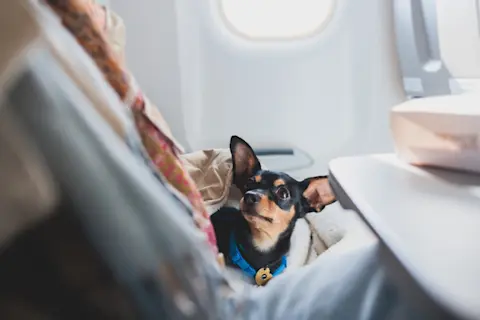

Traveling with a large dog on a plane can feel overwhelming. You want to keep your furry friend safe and comfortable, but the rules and preparations might seem confusing.
What can you bring on board? How do you handle check-in? Will your dog be okay during the flight? If these questions run through your mind, you’re not alone. This guide will walk you through simple, clear steps to make flying with your big dog easier than you think.
By the end, you’ll feel ready and confident to take to the skies together. Keep reading to discover everything you need to know for a smooth trip with your large dog.
Choosing The Right Airline
Choosing the right airline is key when traveling with a large dog. Each airline has different rules and services for pets. Picking an airline that suits your dog’s size and needs helps make the trip smoother and less stressful for both of you.
Check the airline’s pet policies carefully. Some allow pets in the cabin, while others require them to travel in the cargo hold. Knowing these details early can save time and avoid surprises at the airport.
Airline Pet Policies
Airlines have specific pet policies. These include rules on carrier size, fees, and required documents. Some airlines need health certificates or vaccination records. Others limit the number of pets on each flight. Always read the airline’s official pet policy page before booking.
Breed And Size Restrictions
Many airlines restrict certain breeds. Brachycephalic dogs, like pugs or bulldogs, often face limitations. Large dogs may not fit under the seat, affecting cabin travel options. Weight limits can also affect whether your dog flies in cabin or cargo. Verify your dog’s breed and size meet airline rules.
Booking Pet-friendly Flights
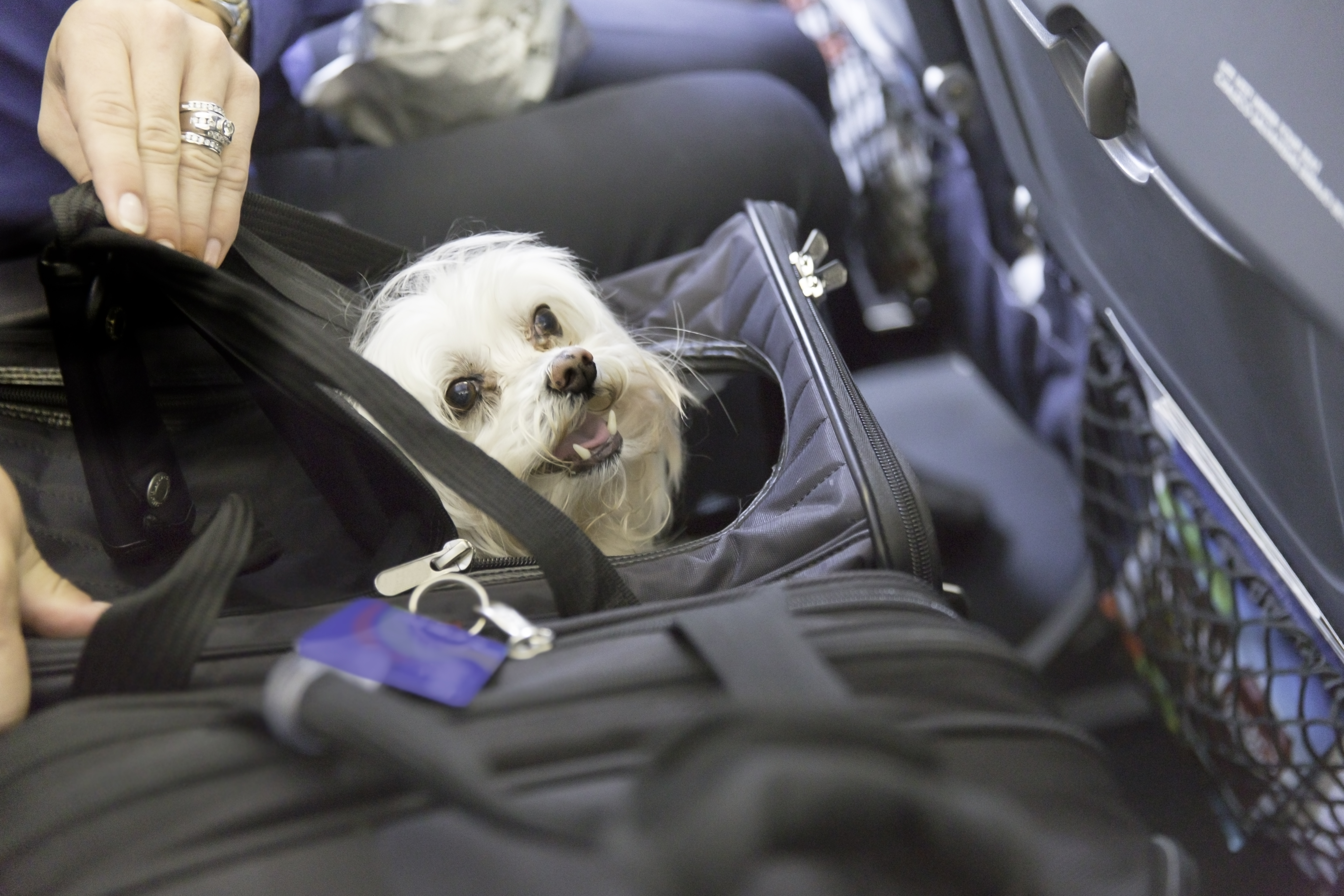
Book flights that support pet travel smoothly. Non-stop flights reduce stress and risk for your dog. Early morning or late evening flights can be cooler and less busy. Call the airline to confirm pet space availability. Some airlines require advance reservations for pets.
Credit: www.nerdwallet.com
Preparing Your Dog For Travel
Preparing your dog for air travel ensures a smoother experience for both of you. It reduces stress and helps avoid surprises at the airport. Start by focusing on your dog’s health, comfort, and routine. This preparation makes the trip safer and more enjoyable.
Health Check And Vaccinations
Visit the vet before the flight. A full health check confirms your dog is fit to travel. Ask about necessary vaccinations based on your destination. Some airlines require a health certificate issued within 10 days of travel. Keep all documents ready to avoid delays.
Crate Training Tips
Choose a crate that fits your dog comfortably. It should allow standing, turning, and lying down. Introduce the crate at home well before the trip. Use treats and toys to create positive associations. Practice short stays to build confidence and reduce anxiety.
Exercise And Diet Before The Flight
Give your dog plenty of exercise the day before flying. This helps release energy and calm nerves. Feed a light meal a few hours before departure. Avoid heavy or new foods to prevent stomach upset. Keep water available but limit intake right before the flight to reduce bathroom needs.
Selecting The Proper Crate
Choose a crate that is sturdy and airline-approved for your large dog’s safety. Ensure it offers enough space for comfort and easy movement during the flight. Proper ventilation and secure latches are essential for a smooth travel experience.
Traveling with a large dog on a plane can be a daunting experience, but selecting the proper crate can make the journey smoother for both you and your furry friend. A well-chosen crate not only ensures your dog’s safety but also complies with airline regulations. It’s important to consider various factors when choosing the right crate, such as size, comfort, and airline requirements.Airline-approved Crate Requirements
Before booking your flight, check the specific airline’s crate requirements. Airlines often have strict regulations regarding crate specifications, including material, ventilation, and locking mechanisms. Researching these guidelines in advance can prevent last-minute surprises at the airport. Ensure the crate is made of sturdy plastic or metal and has a secure locking door. It should also have adequate ventilation on at least three sides to keep your dog comfortable during the flight. Always double-check with your airline for any additional specifications they might have.Comfort And Safety Features
Your dog’s comfort is paramount during travel. Look for crates with smooth, rounded edges to prevent injury. A soft, absorbent pad or blanket inside can add a layer of comfort and absorb any accidents. Safety is equally crucial. Choose a crate with secure locking mechanisms to ensure your dog remains safely enclosed. Some crates come with additional security features such as tie-down holes that allow the crate to be fastened in place.Crate Size Guidelines
Selecting the right size crate is essential for your dog’s comfort. Measure your dog from the tip of the nose to the base of the tail and from the top of the head to the ground. The crate should be large enough for your dog to stand, turn around, and lie down comfortably. Avoid choosing a crate that is too large, as this can cause discomfort during turbulence. A properly sized crate helps your dog feel secure and reduces anxiety during the journey. Would you feel comfortable in a space that’s either too cramped or too vast? By taking these factors into consideration, you can ensure a safe and comfortable flight for your large dog. Isn’t it worth a little extra effort to see your furry friend wagging their tail at your destination?Booking And Documentation
Traveling with a large dog on a plane requires careful planning, especially when it comes to booking and gathering the necessary documents. This stage sets the foundation for a smooth journey. Missing a key paper or reservation detail can lead to stress or even denied boarding.
Required Paperwork
Every airline has specific rules about what documents you need to fly with your pet. Usually, a recent health certificate from your vet is mandatory, showing your dog is fit to fly and up-to-date on vaccinations.
Some airlines also require proof of rabies vaccination or an international pet passport if you’re traveling abroad. Have these documents ready in both digital and printed formats to avoid last-minute issues.
Pet Reservations
Not all airlines allow large dogs in the cabin, so you must book a spot for your dog early. Call the airline directly to confirm their pet policy and reserve your dog’s place, whether in the cargo hold or a pet-friendly area.
Be clear about your dog’s size and breed. Airlines often have limits, and booking ahead ensures you won’t be stuck without a spot. Remember, these spots fill up fast, especially during peak travel times.
Check-in Process
Arrive at the airport earlier than usual to handle the pet check-in smoothly. You’ll need to present your dog’s documents and confirm the reservation at the airline’s special pet counter or the regular check-in desk.
Some airlines require your dog to be weighed along with their carrier. Make sure your dog’s crate meets the airline’s size and ventilation requirements to avoid delays.
Have you prepared for unexpected delays during check-in? It’s smart to keep your dog calm with a familiar toy or blanket while waiting.
Day Of Travel Tips
The day of travel can be stressful for both you and your large dog. Proper preparation helps keep your dog calm and comfortable. Small actions make a big difference during the trip. Here are some tips to manage feeding, calming, and security screening on travel day.
Feeding And Hydration
Avoid feeding your dog a large meal before the flight. Give a light snack about three to four hours before departure. This reduces the chance of nausea or discomfort. Keep fresh water available before and after the trip. Hydration is important but do not let your dog drink too much right before flying. Small sips help prevent accidents and discomfort.
Calming Techniques
Bring familiar items like a favorite blanket or toy. These provide comfort and reduce anxiety. Speak softly and calmly to reassure your dog. Gentle petting helps keep your dog relaxed. Consider a short walk before heading to the airport. Exercise can reduce nervous energy. Avoid giving your dog sedatives without consulting a vet first.
Security Screening Procedures
Prepare for security checks by knowing the rules ahead. You will need to remove your dog from the carrier. Carry a leash to keep control during screening. The carrier and your dog must pass through the scanner separately. Stay calm and follow the instructions of security staff. Practice this process with your dog before the trip. Familiarity makes the real experience easier for both of you.
In-flight Considerations
Flying with a large dog means careful planning during the flight. Comfort and safety matter most for both you and your dog. Attention to in-flight details helps reduce stress and keeps your dog calm. Prepare for possible challenges and know how to handle them effectively.
Handling Layovers
Layovers can be tricky for large dogs. Find pet relief areas in the airport before you arrive. Use these spots for bathroom breaks and short walks. Keep your dog on a leash and close to you at all times. Bring water and a bowl to keep your dog hydrated. Avoid rushing; stay calm to help your dog relax.
Dealing With Noise And Movement
Airplanes are noisy and can shake during flight. Large dogs may feel scared or uneasy. Use a familiar blanket or toy to comfort your dog. Speak softly and calmly to soothe your pet. Avoid sudden movements near your dog to prevent startling them. Consider noise-canceling ear covers made for dogs if allowed.
Communicating With Flight Attendants
Flight attendants are there to help. Inform them about your dog and any special needs. Ask about any rules or assistance they can provide. Be polite and clear when explaining your dog’s condition. Request help if your dog seems stressed or needs attention during the flight. Good communication makes the journey smoother for everyone.
Arrival And Post-flight Care
Arriving with a large dog after a flight requires calm and care. The first moments set the tone for your dog’s comfort and health. It is important to prepare for a smooth transition from the plane to the new surroundings.
Checking on your dog’s condition and helping them adjust will reduce stress and promote well-being. Attention during these steps supports a happy reunion and a positive travel experience.
Retrieving Your Dog
Head straight to the designated pet area or cargo pickup. Have your identification and paperwork ready to show. Speak softly to your dog to reassure them. Check the crate for any damage or signs of distress. Open the crate carefully, allowing your dog to exit at their own pace. Carry water and offer a small drink to hydrate your pet. Avoid rushing or loud noises near your dog.
Post-flight Health Check
Watch for signs of fatigue, breathing problems, or injury. Look for excessive panting, drooling, or limping. Check gums and eyes for normal color and brightness. If your dog seems weak or unwell, contact a vet immediately. Provide a quiet place to rest and recover from the trip. Offer light food only after your dog shows interest in eating. Keep your dog warm and comfortable.
Adjusting To The New Environment
Introduce your dog slowly to the new surroundings. Use familiar items like a favorite blanket or toy. Establish a routine for feeding, walking, and bathroom breaks. Spend time sitting with your dog to ease anxiety. Allow your dog to explore at their own pace. Avoid loud noises and busy places during the first hours. Reward calm behavior with gentle praise and treats.
Credit: viewfromthewing.com
Alternative Travel Options
Traveling with a large dog on a plane can be stressful. Airlines have strict rules and limited space for pets. Alternative travel options may offer more comfort and less hassle for both you and your dog. These choices let you stay closer to your pet during the trip.
Driving With A Large Dog
Driving allows more control and comfort for your dog. Your dog can stay in the car with you. Frequent stops let your dog stretch and relieve itself. Bring water, food, and a favorite toy to keep your dog calm. Use a secure crate or dog seat belt for safety. Plan your route to include pet-friendly rest areas and hotels.
Using Pet Transport Services
Pet transport services specialize in moving animals safely. They offer door-to-door delivery for large dogs. These services use climate-controlled vehicles and trained staff. This option reduces stress on both owner and pet. Make sure to check the company’s reviews and certifications. Clear communication about your dog’s needs is important.
Train And Bus Travel
Some trains and buses allow large dogs on board. Rules vary by company and route. Your dog may need a leash, muzzle, or carrier. This option keeps your dog close during the trip. It can be less stressful than flying. Check schedules and pet policies before booking. Prepare your dog for a calm ride with treats and breaks.
Credit: sn4.scholastic.com
Frequently Asked Questions
Can Large Dogs Fly In The Cabin On Planes?
Most airlines require large dogs to travel in the cargo hold. Cabin travel is usually for small pets only. Always check airline policies before booking. Proper crates and health certificates are mandatory for safe air travel.
What Crate Size Is Needed For Large Dog Flights?
The crate should be large enough for your dog to stand and turn. Airlines have specific size requirements. Measure your dog’s height and length accurately. Use sturdy, well-ventilated crates approved for air travel to ensure comfort and safety.
How To Prepare A Large Dog For Air Travel?
Start crate training weeks before the flight. Avoid feeding your dog right before flying. Bring familiar toys and blankets for comfort. Consult your vet for health checks and sedation advice if needed.
Are There Special Airline Rules For Large Dogs?
Yes, airlines have different policies for large dog travel. Some require reservations and extra fees. Documentation like health certificates and vaccination records is necessary. Contact the airline well in advance to confirm all requirements.
Conclusion
Traveling with a large dog on a plane takes some planning. Choose the right airline and know their pet rules. Use a comfortable crate that fits your dog well. Bring water, snacks, and familiar toys to keep your dog calm.
Arrive early to handle check-in smoothly. Stay calm and patient throughout the trip. With these steps, you and your dog can have a safe flight. Remember, preparation makes all the difference. Enjoy your journey together!


