Planning a trip to Europe with your dog? It’s an exciting adventure, but it comes with its own set of challenges.
You want to make sure your furry friend is safe, comfortable, and happy throughout the journey. Imagine exploring charming streets, cozy cafes, and beautiful parks – all while having your loyal companion by your side. In this guide, you’ll discover practical tips and essential information to help you travel smoothly with your dog.
Keep reading to learn how to make your European trip unforgettable for both you and your pet.

Credit: www.youtube.com
Preparing Your Dog For Travel
Preparing your dog for travel makes the trip smoother and safer. Dogs need special care before flying or crossing borders. Proper preparation helps avoid stress and health problems during the journey.
Start early to give your dog time to adjust. Check health, documents, and travel gear well in advance. Comfort and safety are top priorities for your pet’s trip.
Health Checks And Vaccinations
Visit the vet before traveling to Europe. Make sure your dog is healthy and fit to travel. Vets check for any illnesses or conditions that might cause trouble during the trip.
Vaccinations are important. Your dog must have up-to-date shots for rabies and other diseases. Some countries require specific vaccines to allow entry.
Ask the vet for a health certificate. This document proves your dog is healthy and ready to travel. The certificate usually must be issued within 10 days before travel.
Pet Passport And Documentation
A pet passport is essential for traveling in Europe. It contains your dog’s vaccination records and health information. This document helps border control officers check your pet quickly.
Besides the passport, prepare:
- Microchip details
- Proof of rabies vaccination
- Recent health certificate from your vet
- Tapeworm treatment records (if required)
Keep all documents handy during your trip. Border staff will ask to see them at entry points.
Choosing The Right Carrier
Pick a carrier that fits your dog comfortably. It should be big enough for your pet to stand, turn, and lie down.
Look for carriers with good ventilation and secure locks. A soft-sided carrier is good for short trips. Hard carriers offer more protection for long flights.
Test the carrier before travel. Let your dog get used to it at home. Place familiar toys or blankets inside to reduce anxiety.
Credit: www.travelandleisureasia.com
Booking Pet-friendly Transport
Booking pet-friendly transport is a key step for traveling to Europe with your dog. It ensures a smooth trip and comfort for both you and your pet. Planning ahead saves time and avoids last-minute problems. Different transport modes have varying rules for pets. Knowing these helps you choose the best option for your journey.
Airlines That Accept Dogs
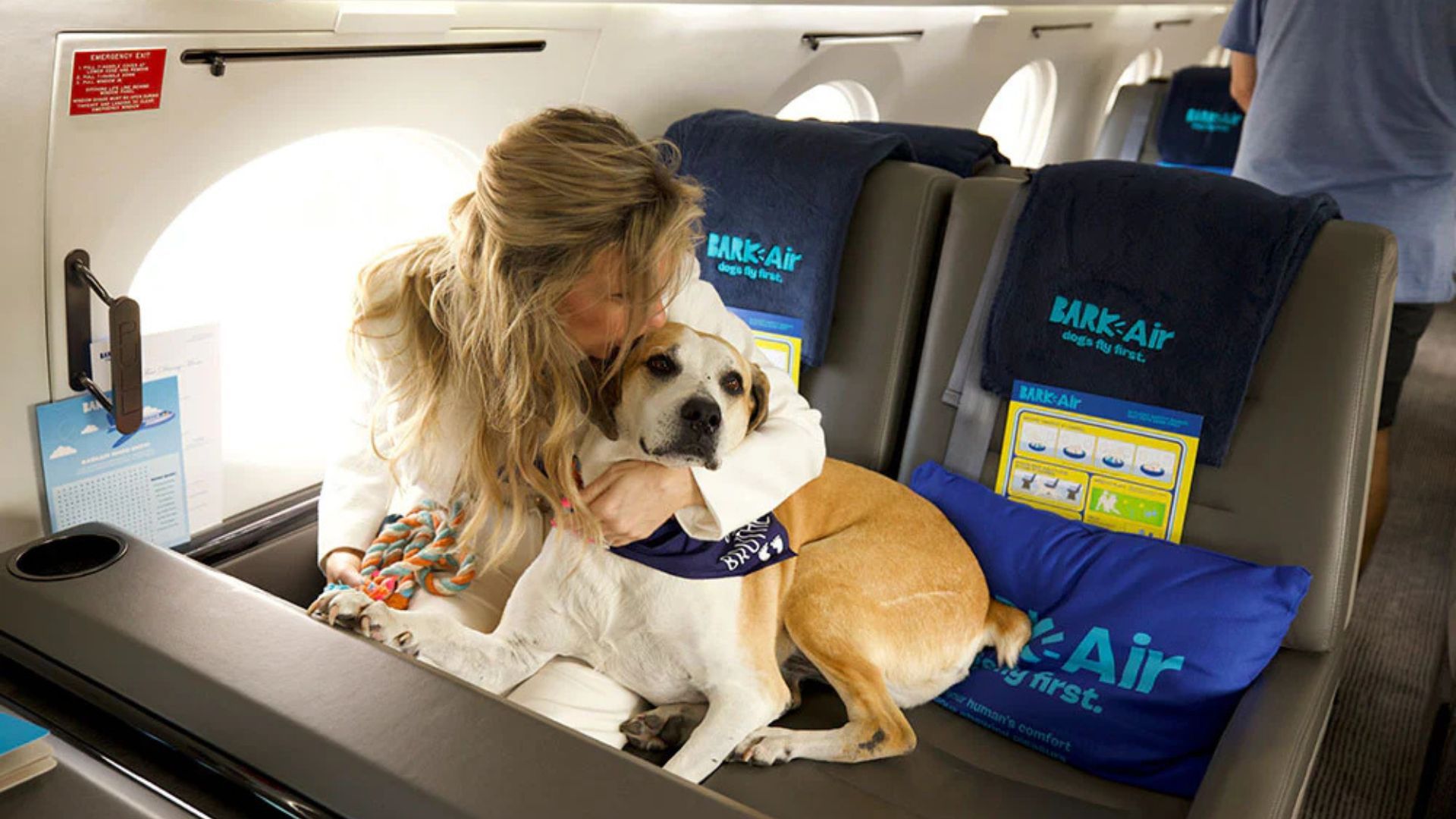
Many airlines allow dogs on board. Some permit small dogs in the cabin. Larger dogs usually travel in the cargo hold. Booking early increases your chances of getting a spot. Airlines often require a health certificate for pets. Check the airline’s pet policy before buying tickets.
- Bring a suitable pet carrier approved by the airline.
- Keep your dog calm with familiar toys or blankets.
- Prepare for security checks with your pet.
Train And Ferry Options
Trains in Europe often welcome dogs. Some require dogs to be on a leash or in a carrier. Ferry services also allow pets. Rules vary by company and route. Reserving a pet spot on ferries is a good idea. Traveling by train or ferry can be less stressful for dogs.
- Check if your dog needs a ticket or a pet passport.
- Bring water and snacks for long trips.
- Follow all pet safety guidelines from the operator.
Car Travel Tips
Driving with your dog offers the most flexibility. Use a pet seatbelt or crate for safety. Frequent stops allow your dog to stretch and relieve itself. Never leave your dog alone in the car. Keep the car well-ventilated and comfortable. Prepare your route with pet-friendly rest areas.
- Pack enough food, water, and bedding for your dog.
- Bring a leash and waste bags for breaks.
- Monitor your dog’s behavior and comfort during the trip.
Accommodation With Pets
Traveling to Europe with your dog means finding pet-friendly places to stay. Many hotels and rentals welcome pets, making trips easier and more fun. Always check pet rules before booking to ensure a smooth stay.
Traveling to Europe with your furry friend can be an unforgettable adventure, but finding the right place to stay is crucial for a hassle-free experience. Fortunately, Europe offers a plethora of pet-friendly accommodations that cater to both your needs and those of your dog. Whether you’re looking for luxurious hotel stays, cozy vacation rentals, or adventurous campgrounds, there’s something for every type of traveler.Finding Dog-friendly Hotels
Many hotels in Europe welcome dogs with open arms, providing amenities like pet beds, bowls, and even special dog menus. Chains like Ibis, Novotel, and Mercure often have dog-friendly policies, making them reliable options for pet travelers. Always call ahead to confirm policies and any additional fees, ensuring a smooth check-in experience.Vacation Rentals And Airbnb
Vacation rentals and Airbnb offer a more personalized touch, with many hosts welcoming pets into their homes. These options often provide more space for your dog to roam, which can be more comfortable than a hotel room. Use filters on booking platforms to easily find pet-friendly listings and read reviews to learn about previous guests’ experiences.Campgrounds And Outdoor Stays
If you and your dog love the outdoors, consider staying at one of Europe’s many picturesque campgrounds. These locations offer a natural setting where your dog can enjoy the freedom of the open air. Research campgrounds that allow pets and check if they offer amenities like dog parks or trails, ensuring your dog stays entertained and active. Traveling with your dog doesn’t mean sacrificing comfort or convenience. Have you considered how your choice of accommodation might enhance your European adventure?
Credit: www.10adventures.com
Packing Essentials For Your Dog
Packing for your dog is a crucial part of preparing for a trip to Europe. Bringing the right items ensures your pet stays comfortable, safe, and happy throughout the journey. Think about what your dog uses daily and what might be hard to find abroad.
Food And Water Supplies
Always pack enough of your dog’s regular food to last the entire trip. Switching brands or types can upset their stomach. Include portable bowls for meals and water—collapsible ones save space and are easy to clean.
Don’t forget to carry bottled water if you’re unsure about local water quality. Hydration is key, especially after long walks or flights. You might want to add some treats to keep your dog motivated and calm during travel.
Comfort Items And Toys
Bring your dog’s favorite blanket or bed to create a familiar space wherever you go. This helps reduce anxiety in new environments. A well-loved toy can also provide comfort and keep your dog entertained during downtime.
Think about the size and weight of these items since you’ll be carrying them around. Have you noticed how a simple chew toy can distract your dog in busy airports or train stations? Small comfort items can make a big difference.
Health And Safety Gear
Pack a basic first aid kit with bandages, antiseptic wipes, and any medication your dog needs. Carry your dog’s health records and vaccination certificates, especially proof of rabies vaccination, which is often required in Europe.
A sturdy leash and harness are essential for walks in unfamiliar places. Consider a reflective vest if you’ll be out after dark. What safety gear do you find indispensable when you’re out with your dog?
Navigating Customs And Regulations
Traveling to Europe with your dog means more than packing a leash and treats. You need to understand the customs and regulations that differ from country to country. Missing a rule can cause delays or even quarantine, turning your smooth trip into a stressful experience.
Import Rules By Country
Each European country sets its own rules for bringing pets across borders. Some require specific vaccinations, microchips, or health certificates. For example, the UK demands a rabies vaccination at least 21 days before entry, while Germany asks for a pet passport alongside vaccination records.
Make a checklist of requirements for every country on your itinerary. Check if your dog’s microchip matches the ISO standard accepted in Europe. Planning ahead saves time and prevents unexpected refusals at customs.
Quarantine Requirements
Quarantine rules can vary widely. Some countries waive quarantine if you meet all vaccination and documentation standards. Others might still require your dog to stay isolated for a few days, especially if coming from regions with higher disease risks.
Ask yourself: Is your dog’s paperwork flawless? If not, you risk a quarantine stay that might last weeks. Knowing these rules helps you avoid last-minute surprises and keeps your dog safe and comfortable.
Avoiding Common Pitfalls
Many travelers overlook small but crucial details. Missing a valid rabies certificate or using the wrong type of microchip can cause entry denial. Also, forget not to carry the original documents; digital copies might not be accepted.
Never assume all European countries share identical rules—double-check every destination. Always prepare your dog’s health records, identification, and travel documents well before departure. Have you reviewed your dog’s paperwork recently? Doing so can prevent stress and keep your journey enjoyable for both you and your pet.
Keeping Your Dog Comfortable
Keeping your dog comfortable during a trip to Europe means paying close attention to their emotional and physical needs. Travel can be overwhelming for pets, so your goal should be to create a calm environment that feels familiar. Small actions can make a big difference in helping your dog settle in and enjoy the journey.
Managing Anxiety And Stress
Dogs pick up on your emotions, so staying calm helps your pet feel safe. Bring along a favorite blanket or toy that carries the scent of home. These familiar items provide comfort and reduce anxiety.
Consider using natural calming aids like pheromone sprays or calming treats, but test them before the trip. Avoid loud noises and crowded places whenever possible to keep stress levels low.
Have you noticed how a gentle massage or slow petting can ease your dog’s nerves? Use these simple techniques during long travel hours to soothe your pet and keep them relaxed.
Exercise And Bathroom Breaks
Regular exercise is crucial to prevent restlessness. Plan stops every couple of hours to let your dog stretch and relieve themselves.
Use these breaks for quick games or a short walk to burn off energy. This helps your dog feel refreshed and less anxious about the next leg of the journey.
Always carry waste bags and find pet-friendly rest areas. Missing a bathroom break can lead to discomfort and accidents, so prioritize these stops just like you would for yourself.
Maintaining Routine On The Road
Dogs thrive on routine, so try to keep feeding and walking times consistent. Pack their usual food and stick to the same bowl to maintain familiarity.
Keep bedtime rituals, like a short cuddle or a familiar bedtime spot, to signal it’s time to rest. This consistency helps your dog adjust to new surroundings faster.
Have you thought about how small routines can anchor your pet’s day? Even in a foreign country, familiar schedules create a sense of security that keeps your dog happy and comfortable.
Exploring Europe With Your Dog
Traveling to Europe with your dog opens a world of discovery for both of you. Many cities and towns welcome pets with open arms. Exploring new places together creates lasting memories. Planning ahead ensures a smooth and fun experience.
Pet-friendly Attractions
Europe offers many attractions that allow dogs. Parks, gardens, and historic sites often welcome pets. Some museums even have special dog days or outdoor areas. Beaches on the Mediterranean coast are perfect for dogs to run freely. Always check attraction rules before visiting.
- Public parks with off-leash zones
- Outdoor markets and festivals
- Pet-friendly hiking trails
- Dog-friendly boat tours
Dining Out With Dogs
Many European cafes and restaurants allow dogs, especially outdoor seating areas. Wait staff usually provide water bowls for pets. Some places even offer special dog menus. It is polite to keep your dog calm and leashed. Choosing quieter times helps avoid stress for your pet.
- Outdoor terraces and patios
- Pet-friendly bistros and bakeries
- Restaurants with dog amenities
Local Etiquette And Laws
European countries have different rules about dogs in public. Some require dogs to be on a leash at all times. Vaccination and health certificates may be needed to enter certain areas. Picking up after your dog is mandatory everywhere. Respect noise rules and avoid crowded places with your dog.
| Country | Leash Requirement | Health Documents | Waste Disposal Rule |
|---|---|---|---|
| France | Leash in public places | Vaccination certificate | Clean up mandatory |
| Germany | Leash in cities | Pet passport required | Strict fines for waste |
| Italy | Leash in public | Health records advised | Clean up required |
Frequently Asked Questions
What Documents Are Needed To Travel To Europe With A Dog?
You need a valid pet passport, rabies vaccination certificate, and a microchip. Check specific country requirements before traveling.
How To Prepare My Dog For A Long European Flight?
Acclimate your dog to the crate, keep them hydrated, and consult your vet about sedation or calming methods.
Are There Restrictions On Dog Breeds In Europe?
Some countries restrict certain breeds. Research the destination’s pet import laws to avoid issues.
Can I Bring My Dog On European Public Transportation?
Most public transport allows small dogs in carriers. Larger dogs may require a muzzle and ticket.
Conclusion
Traveling to Europe with your dog can be a joyful experience. Planning ahead helps avoid stress and surprises. Always check pet rules for each country you visit. Carry important documents like vaccination records and pet passports. Keep your dog comfortable during travel with familiar items.
Take breaks for walks and water on long trips. Exploring new places with your dog creates lasting memories. Enjoy your adventure together and stay safe on the road.