Are you wondering what the best raw food for your dog is? Choosing the right raw diet can be confusing with so many options out there.
But getting it right means giving your furry friend more energy, better digestion, and a shinier coat. You’ll discover simple, clear answers to help you pick the perfect raw food for your dog’s health and happiness. Keep reading—your dog’s next meal could be the key to a healthier life.
Benefits Of Raw Food For Dogs
Feeding your dog raw food can bring noticeable improvements to their overall well-being. Many dog owners have observed positive changes after switching to a raw diet, and these benefits go beyond just what’s on the plate. Understanding how raw food affects your dog’s body can help you decide if it’s the right choice for your furry friend.
Improved Digestion
Raw food is closer to what dogs would eat in the wild, making it easier for their digestive systems to process. Unlike many processed kibble diets, raw meals often contain natural enzymes that support healthy digestion. You might notice your dog has firmer stools and less gas, which are clear signs their gut is functioning better.
Have you ever seen your dog struggle with constipation or diarrhea? Switching to raw food could help stabilize their digestive routine by providing natural fibers and nutrients in their purest form.
Healthier Coat And Skin
Raw diets are rich in essential fatty acids like omega-3 and omega-6, which contribute to shiny coats and healthy skin. Dogs on raw food often show reduced itching and less dryness, which means fewer trips to the vet for skin issues.
Imagine petting your dog and feeling a soft, glossy coat instead of rough or patchy fur. That’s the kind of difference the right raw food can make.
Increased Energy Levels
Many owners report their dogs become more active and playful after switching to raw food. This boost comes from high-quality proteins and nutrients that provide sustained energy throughout the day.
Does your dog seem sluggish or tired too often? Raw food might give them the natural fuel they need to stay lively and engaged in play.
Key Nutrients In Raw Dog Food
Choosing the best raw food for your dog means understanding the key nutrients that keep them healthy and energetic. Raw diets focus on providing natural sources of nutrition, but knowing which nutrients matter most helps you make smarter choices. Let’s look at the essential building blocks found in raw dog food.
Proteins And Amino Acids
Proteins are the foundation of your dog’s muscle, skin, and immune system. Raw food usually includes meats like chicken, beef, or fish, which supply high-quality proteins packed with amino acids.
Amino acids are the tiny units that build proteins and support vital functions. Dogs need essential amino acids such as lysine and methionine, which they can only get from their diet.
Have you checked if your raw food includes a variety of protein sources? Mixing different meats can ensure your dog gets a full range of amino acids for balanced health.
Essential Fats
Fats are more than just energy; they help your dog’s brain, skin, and coat stay healthy. Raw diets often provide essential fatty acids like Omega-3 and Omega-6 from fish oils or organ meats.
These fats reduce inflammation and support heart health. Too little fat can lead to dull fur and low energy, while too much can cause weight gain, so finding the right balance is key.
What sources of fat does your dog’s raw food include? Adding fish oil or flaxseed oil can boost essential fatty acids if needed.
Vitamins And Minerals
Vitamins and minerals regulate everything from bone strength to immune defense. Raw foods often contain natural sources like liver for vitamin A and bones for calcium.
But not all raw diets cover every micronutrient equally. You might need to add supplements like vitamin E or zinc to fill gaps and keep your dog thriving.
Have you noticed if your dog’s energy or digestion changes with different raw foods? Adjusting vitamins and minerals can make a big difference in their overall wellbeing.
Top Raw Ingredients For Dogs
Choosing the right raw ingredients is key to a healthy diet for your dog. Fresh, natural foods provide essential nutrients for energy, growth, and overall well-being. A balanced raw diet includes a mix of proteins, fats, vitamins, and minerals. These come from meats, organs, bones, and plant-based foods. Each group plays a unique role in your dog’s health.
Meats And Organs
Muscle meat is the main source of protein and fat. Good options include beef, chicken, turkey, and lamb. Organs like liver, kidney, and heart offer vital vitamins and minerals. They are nutrient-dense and support immune and digestive health. Aim for about 80% muscle meat and 10-15% organs in your dog’s meals.
Raw Bones
Raw bones provide calcium and phosphorus for strong teeth and bones. They also help clean your dog’s teeth naturally. Choose raw, meaty bones like chicken wings, necks, or beef ribs. Avoid cooked bones as they can splinter and harm your dog. Always supervise your pet during bone chewing.
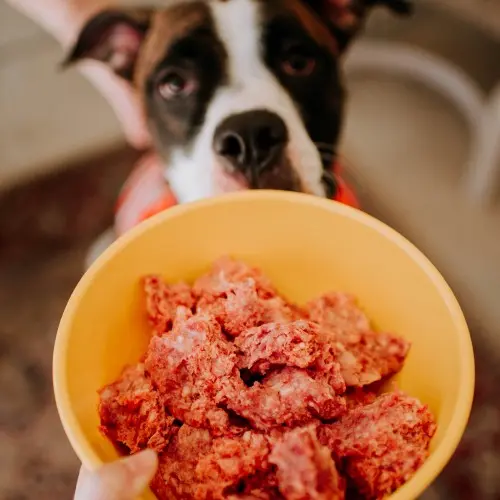
Fresh Vegetables And Fruits
Vegetables and fruits add fiber, vitamins, and antioxidants. Safe choices include carrots, spinach, apples, and blueberries. These help with digestion and boost your dog’s immune system. Chop or puree veggies to aid digestion. Avoid toxic foods like onions, grapes, and avocados.
Credit: wefeedraw.com
Choosing The Right Raw Food For Your Dog
Choosing the right raw food for your dog goes beyond picking what looks fresh or popular. It means understanding your dog’s unique needs and tailoring their diet to support their health and happiness. This section helps you focus on key factors like age, breed, health issues, and feeding patterns to make informed decisions.
Age And Breed Considerations
Your dog’s age greatly affects their nutritional needs. Puppies require more protein and fat to fuel growth, while senior dogs benefit from diets lower in calories but rich in joint-supporting nutrients.
Breed size matters too. Large breeds often need carefully balanced calcium and phosphorus levels to support bone health. Small breeds may need calorie-dense meals to keep up their energy.
Think about your dog’s breed traits. For example, active herding breeds might need more protein than a less active lapdog. Have you noticed how your dog’s energy changes with age or activity? That’s a clue to adjust their food.
Health Conditions And Allergies
If your dog has health issues like kidney disease or diabetes, raw food choices must align with medical advice. Some proteins or ingredients might worsen certain conditions.
Allergies are another critical factor. Dogs can be allergic to common proteins like beef or chicken. Limited ingredient raw diets or novel proteins such as rabbit or venison can help avoid reactions.
Watch for symptoms like itching, digestive upset, or unusual behavior after meals. These signs often point to food sensitivities. Have you considered testing different protein sources to find what works best?
Portion Sizes And Feeding Frequency
Portion size depends on your dog’s weight, activity level, and metabolism. Overfeeding raw food can lead to weight gain, while underfeeding risks nutrient deficiencies.
Dividing their daily food into smaller meals helps digestion and energy levels. For example, feeding twice a day works well for most dogs, but puppies might need three or four smaller meals.
Use a kitchen scale to measure portions precisely. How often do you adjust your dog’s portions based on their changing lifestyle or weight? Keeping a feeding journal can help you spot trends and make better choices.
Safety Tips For Feeding Raw Food
Feeding your dog raw food can bring many health benefits, but it also requires careful attention to safety. You want to make sure your furry friend enjoys their meals without any risk of illness. Understanding how to handle and store raw food properly is essential to keep both you and your dog safe.
Proper Handling And Storage
Keep raw food refrigerated or frozen until it’s ready to be served. Thaw frozen meat in the fridge, not on the counter, to avoid bacteria growth. Use clean utensils and surfaces when preparing your dog’s food to prevent cross-contamination.
Have you noticed how quickly raw meat can spoil if left out too long? Even a short time at room temperature can increase the risk of harmful bacteria. Always wash your hands thoroughly before and after handling raw food to protect yourself and your pet.
Avoiding Contamination
Separate raw dog food from your own food in the kitchen. Use different cutting boards and knives for pet food. This simple step prevents germs from spreading between foods.
Sanitize bowls and feeding areas regularly. Bacteria can build up quickly in damp or leftover food spots. Keeping your dog’s feeding space clean is just as important as handling the food safely.
Signs Of Foodborne Illness
Watch your dog closely for symptoms like vomiting, diarrhea, or lethargy after eating raw food. These could be signs of a foodborne illness that needs immediate attention. If you spot any unusual behavior, contact your vet right away.
Early detection can make a big difference in treatment. Does your dog seem less interested in meals or unusually tired? These subtle clues may signal an issue before it becomes serious.
Common Myths About Raw Feeding
Raw feeding for dogs has sparked a lot of debate and confusion. Many myths cloud the topic, making it hard for you to decide what’s truly best for your furry friend. Let’s clear up some of the common misunderstandings about raw diets so you can make informed choices.
Raw Food Is Risky
One big worry is that raw food carries harmful bacteria like salmonella or E. coli. While these bacteria can be present, careful handling and sourcing can reduce risks significantly.
Many pet owners, including myself, have safely fed raw diets by freezing meat properly and cleaning feeding areas thoroughly. Do you wash your hands after handling raw meat? That simple habit lowers risk for both you and your dog.
Cooked Food Is Always Better
It’s easy to think cooking makes food safer and more nutritious for your dog. However, cooking can destroy some vital enzymes and nutrients that raw food preserves.
Your dog’s ancestors thrived on raw diets for thousands of years. Why not give your dog the chance to benefit from the same natural nutrients? Balance is key—sometimes a mix of cooked and raw can work well.
Raw Diets Lack Balance
Many believe raw diets don’t provide all the nutrients dogs need. This myth often comes from people trying raw feeding without proper research or guidance.
You can create a balanced raw meal by including a variety of meats, bones, organs, and fresh vegetables. Consulting with a vet or pet nutritionist ensures you meet your dog’s specific needs.
Have you thought about what ingredients go into your dog’s meals? A balanced diet is possible with the right planning and resources.
Transitioning Your Dog To Raw Food
Transitioning your dog to a raw food diet is a process that requires patience and attention. Sudden changes can upset your dog’s stomach or cause other health issues. Taking a thoughtful approach ensures your pet adjusts comfortably and benefits fully from the new diet.
Gradual Introduction
Start by mixing a small amount of raw food with your dog’s current diet. Over the course of one to two weeks, slowly increase the raw portion while decreasing the old food. This helps your dog’s digestive system adapt without shock.
Watch how your dog reacts to each increase. Some dogs may take to raw food quickly, while others might need more time. Don’t rush the process—let your dog guide you.
Monitoring Health And Behavior
Keep a close eye on your dog’s energy levels, stool quality, and overall mood during the transition. Changes like loose stools or decreased appetite can signal that you need to slow down. You might even notice improvements, like shinier coats or better digestion.
Ask yourself: Is your dog acting more energetic or lethargic? Are there any sudden changes in bathroom habits? These clues help you understand how well your dog is adapting.
Adjusting The Diet As Needed
Every dog’s needs are different, so be prepared to tweak the raw food diet. You might find that certain proteins agree with your dog more than others. Adding supplements like omega-3 oils or probiotics could improve digestion and nutrient absorption.
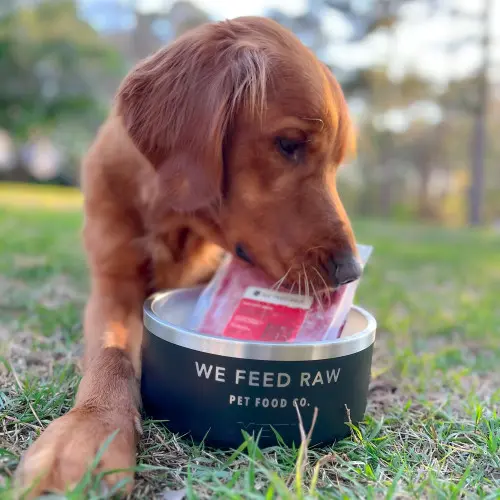
Don’t hesitate to consult your vet if you notice persistent issues or if you want to optimize the diet further. Remember, flexibility and observation are key to finding the best raw food plan for your dog.
Credit: wefeedraw.com
Supplements To Enhance Raw Diets
Choosing the best raw food for your dog means focusing on balanced nutrition. Supplements like fish oil and probiotics can improve digestion and coat health. These additions support a natural, healthy diet for your pet.
Transitioning your dog to a raw food diet can be a rewarding choice, promising health benefits and increased vitality. But have you considered how supplements can further enhance this diet? Supplements play a crucial role in filling nutritional gaps and ensuring your furry friend gets everything they need to thrive. Adding the right supplements can make a significant difference in your dog’s overall health and well-being. Let’s dive into some essential supplements you might want to consider.Omega-3 Fatty Acids
Omega-3 fatty acids are vital for your dog’s skin, coat, and brain health. They’re known to reduce inflammation and support heart health. Many pet owners find that adding fish oil or flaxseed oil to their dog’s raw diet can lead to shinier coats and improved joint health. Is your dog experiencing dry skin or joint stiffness? Omega-3s might just be the answer.Probiotics
Probiotics are beneficial bacteria that support your dog’s digestive system. They help balance gut flora, which is essential for nutrient absorption and a strong immune system. You can find probiotics in forms such as powders, capsules, or even in certain fermented foods like yogurt. If your dog often experiences digestive issues, introducing probiotics could lead to noticeable improvements.Multivitamins
Even with a well-balanced raw diet, your dog might miss out on some essential vitamins and minerals. Multivitamins can bridge this gap, ensuring your pet gets a complete range of nutrients. Look for multivitamins specifically formulated for dogs to meet their unique dietary needs. Are you sure your dog is getting all the nutrients they need? A quality multivitamin can offer peace of mind. Choosing to supplement your dog’s raw diet is a personal decision that can lead to numerous health benefits. Always consult with your veterinarian to tailor the best supplement plan for your furry friend. After all, a well-rounded diet is key to a happy, healthy dog.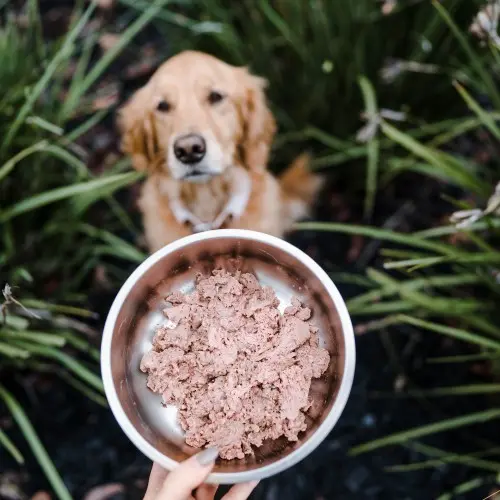
Credit: wefeedraw.com
Frequently Asked Questions
What Raw Foods Are Safest For Dogs To Eat?
Safe raw foods for dogs include lean meats like chicken, turkey, and beef. Organ meats and raw bones are also beneficial. Always ensure the meat is fresh and sourced from reputable suppliers to avoid contamination and health risks.
How Do I Balance A Raw Diet For My Dog?
A balanced raw diet includes muscle meat, organ meat, raw bones, and vegetables. Supplement with omega-3 fatty acids and vitamins. Consult a vet or canine nutritionist to tailor the diet to your dog’s specific needs.
Can All Dog Breeds Eat Raw Food Safely?
Most dog breeds can eat raw food safely if properly prepared. Some breeds may require special dietary adjustments. Always introduce raw food gradually and consult your veterinarian for breed-specific advice.
How Do I Transition My Dog To A Raw Food Diet?
Transition slowly by mixing raw food with current food over 7-10 days. Increase raw portions gradually to avoid digestive upset. Monitor your dog’s health and adjust as needed.
Conclusion
Choosing the best raw food for your dog takes care and thought. Focus on fresh, balanced ingredients that suit your dog’s needs. Meat, bones, and veggies all have a place in their diet. Keep variety to make meals interesting and healthy.
Always check quality to avoid risks. Your dog will enjoy tastier, natural meals. Feeding raw can support better health and energy. Stay patient and watch your dog thrive over time. Raw feeding is a step toward a happier pet.