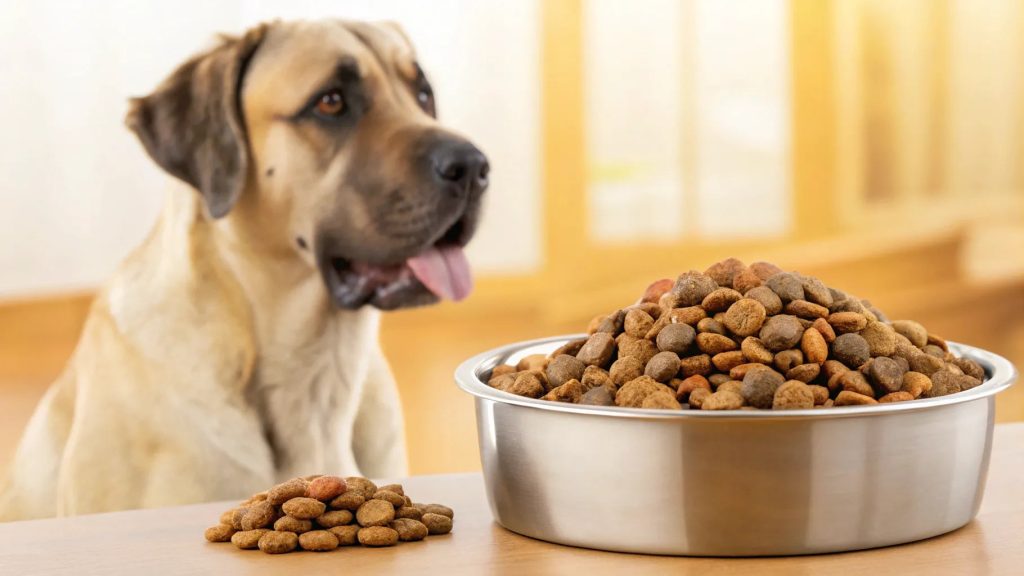

If you have a large breed dog, you probably wonder when the right time is to switch from puppy food to adult food. Feeding your dog the right diet at the right age is crucial for their health and growth.
Give them adult food too early, and they might miss essential nutrients; wait too long, and they could gain extra weight or face joint problems. You’ll discover exactly when and why to make this important change, helping your furry friend stay strong and happy for years to come.
Keep reading to learn how to make the best choice for your dog’s unique needs.
Growth Stages Of Large Breed Dogs
Large breed dogs grow differently than smaller breeds. Their bones and muscles develop over a longer time. Understanding these growth stages helps decide the right time to switch to adult food. Feeding large breed dogs suitable food supports healthy growth and prevents joint problems.
Puppy Phase Duration
Large breed puppies grow fast but need more time to fully develop. This phase usually lasts from birth to about 12 to 18 months. During this time, they need special puppy food made for large breeds. This food supports strong bones without making growth too fast.
Adolescence In Large Breeds
Adolescence in large dogs lasts longer than in small dogs. It can continue until 18 to 24 months of age. Growth slows down but muscles and bones keep strengthening. Nutritional needs change gradually during this stage. Large breed dogs still need food that helps protect joints and supports healthy weight.
Signs Of Maturity
Large breed dogs show signs of maturity around 18 to 24 months. These signs include:
- Stable weight and size
- Calmer behavior
- Full adult teeth
- Less rapid growth
When these signs appear, it is usually safe to switch to adult dog food. Adult food supports maintenance rather than growth. Choosing the right time helps keep your dog healthy long term.
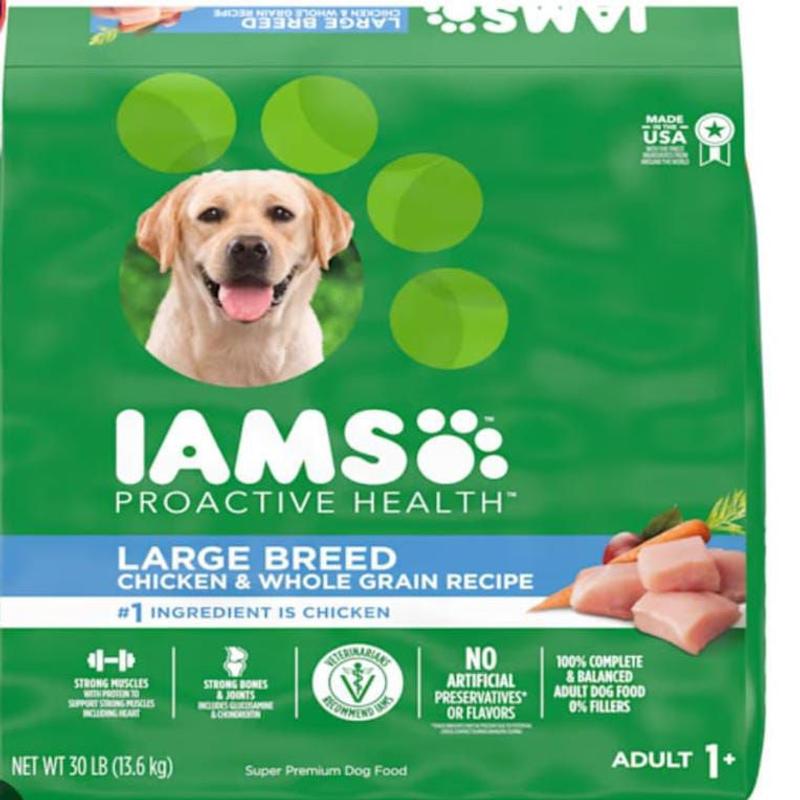
Credit: www.iams.com
Nutritional Needs By Age
Large breed dogs have unique nutritional needs that change as they grow. Feeding the right food at the right age supports healthy development. Understanding these needs helps avoid health problems and ensures your dog thrives.
Puppy Nutrient Requirements
Large breed puppies need food rich in protein and fat. These nutrients support strong muscles and growing bones. Calcium and phosphorus levels must be balanced to prevent bone issues. Puppy food often has extra nutrients to support rapid growth. Feeding adult food too soon can lead to nutrient gaps.
Adult Dog Nutrition
Adult large breed dogs require fewer calories than puppies. Their food focuses on maintaining weight and joint health. Protein remains important but at moderate levels. Glucosamine and omega fatty acids help keep joints flexible. Adult dog food has controlled calcium to support bone strength without excess.
Risks Of Early Transition
Switching to adult food too early can cause growth problems. Large breed puppies may grow too fast without proper nutrients. This rapid growth stresses bones and joints, increasing injury risk. Nutrient imbalances may weaken bones, leading to long-term issues. Patience helps ensure your dog develops strong and healthy.
Ideal Timing For Food Transition
Transitioning your large breed dog to adult food is crucial for their health. Timing matters to ensure proper growth and nutrition. Knowing when to switch helps maintain their well-being. Let’s explore the ideal timing for this important transition.
Age Benchmarks For Switching
Large breed dogs mature slower than smaller breeds. Typically, they should switch to adult food around 12 to 18 months. This age range allows their bones and muscles to develop properly. Consult your vet for specific age advice based on your dog’s needs.
Behavioral And Physical Cues
Look for signs your dog is ready for adult food. Reduced appetite for puppy food can indicate readiness. Notice changes in energy levels and activity. If your dog is more settled and less playful, adult food might be needed. Physical cues include slowed growth and weight stabilization.
Veterinarian Recommendations
Your vet can provide the best guidance for food transition. They consider your dog’s health history and growth patterns. Regular check-ups help determine the right time for switching. Trust their expertise to ensure your dog receives optimal nutrition.
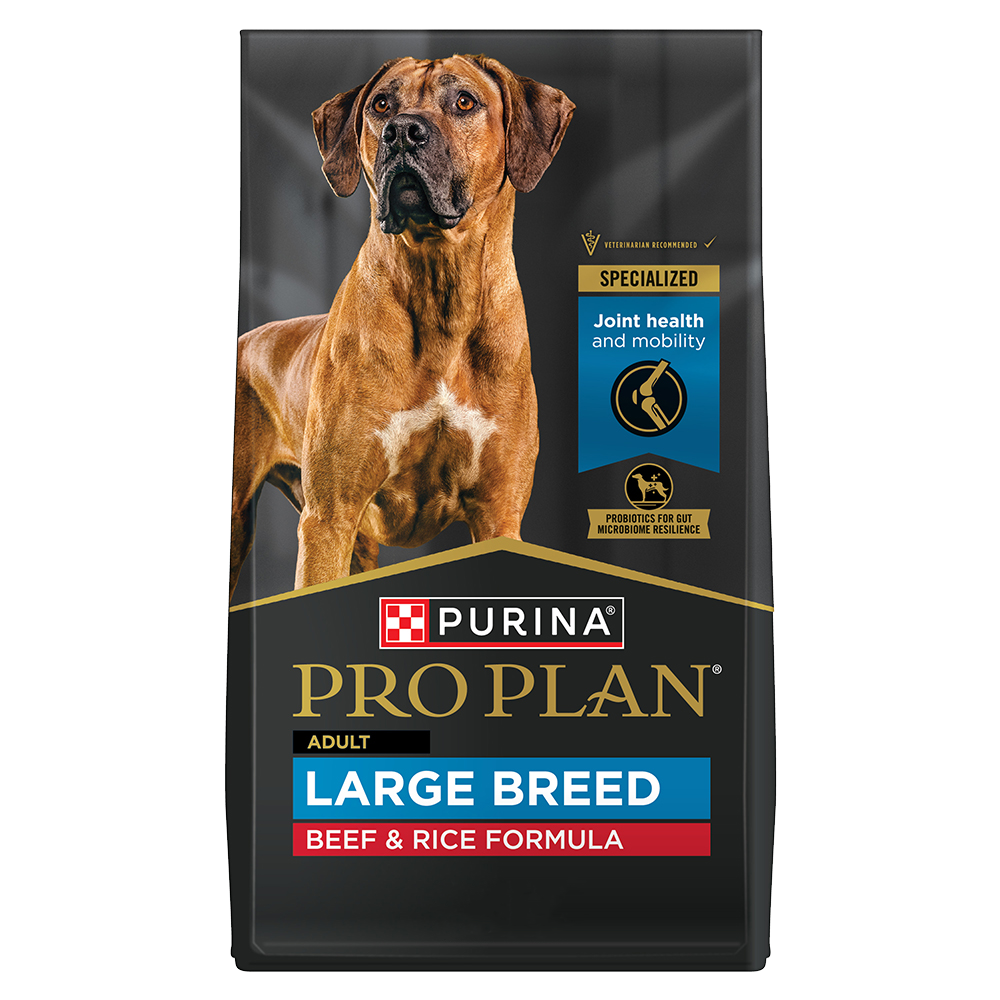
Credit: www.purina.com
How To Switch Dog Food Safely
Switching a large breed dog to adult food needs care and patience. Sudden changes can upset their stomach. A smooth change helps keep digestion steady and avoids food refusal. Follow simple steps to ensure your dog accepts new food well.
Gradual Transition Steps
Start by mixing a small amount of adult food with puppy food. Increase the adult food portion slowly over 7 to 10 days. This lets your dog’s stomach adjust without stress. Watch your dog’s eating habits daily during the change.
- Day 1-3: 75% puppy food, 25% adult food
- Day 4-6: 50% puppy food, 50% adult food
- Day 7-9: 25% puppy food, 75% adult food
- Day 10: 100% adult food
Monitoring Digestive Health
Observe your dog’s stool and energy levels during the switch. Look for signs of diarrhea, vomiting, or constipation. These symptoms may mean the transition is too fast. Pause the change and consult a vet if problems arise. Keep your dog hydrated to aid digestion.
Adjusting Portions And Frequency
Adult dogs eat less than puppies but need balanced meals. Adjust meal sizes based on your dog’s weight and activity. Split daily food into two meals to help digestion. Avoid overfeeding to prevent weight gain and joint issues in large breeds.
Common Mistakes To Avoid
Transitioning your large breed dog to adult food is a critical step that requires careful attention. Many dog owners make avoidable mistakes during this phase, which can affect their pet’s health and growth. Understanding these common pitfalls will help you make smarter choices and ensure your dog thrives.
Switching Too Early
Starting adult food before your large breed puppy is ready can stunt their growth or cause nutritional imbalances. Large breeds often need puppy food longer because their bones and joints develop slower compared to smaller dogs. If you switch too soon, your dog might miss out on essential nutrients designed for their growth stage.
Have you noticed your puppy acting sluggish or showing digestive issues after a food change? That could be a sign you jumped the gun. Waiting until your vet confirms the right time is key to avoiding these problems.
Ignoring Breed-specific Needs
Not all large breeds have the same dietary requirements. For example, a Great Dane’s needs differ from those of a Labrador Retriever. Feeding one-size-fits-all adult food without considering breed-specific formulas can lead to joint problems or obesity.
Ask yourself: Does your dog’s food support their size, activity level, and potential health risks? Tailoring the diet based on breed-specific advice is a smarter approach.
Overfeeding During Transition
It’s tempting to give your dog extra treats or larger portions when changing food, but overfeeding can cause rapid weight gain. This puts unnecessary stress on developing bones and joints, increasing the risk of long-term health issues.
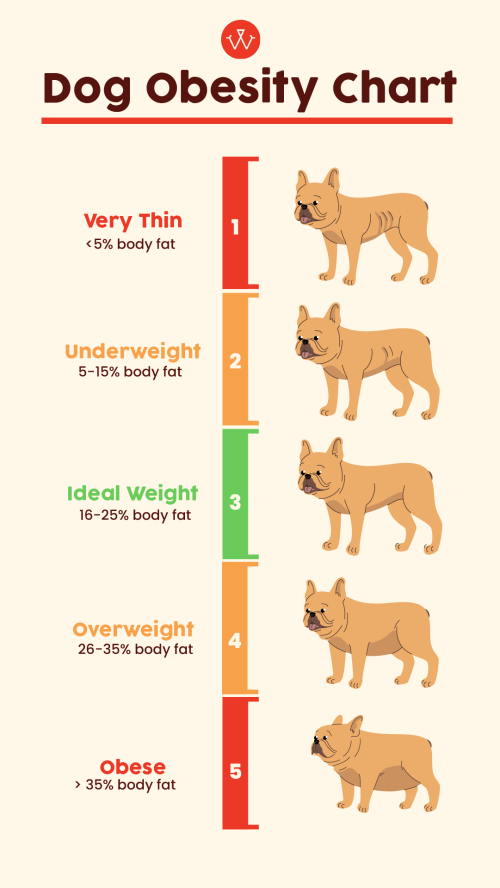
Instead, adjust portions gradually and monitor your dog’s weight closely. Have you measured your dog’s food servings lately? Keeping a food diary during the transition helps prevent accidental overfeeding.
Credit: wefeedraw.com
Special Considerations For Large Breeds
Large breed dogs have unique needs during their growth. Their bodies grow faster and bigger than small breeds. This means their diet needs special care. Feeding adult food too early can cause health problems. It’s important to focus on their bone and joint health, mineral balance, and weight. These factors help them grow strong and stay healthy.
Joint Health Support
Large breeds carry more weight on their joints. This can cause strain and lead to problems later. Foods with glucosamine and chondroitin help protect joints. Omega-3 fatty acids reduce inflammation and support joint comfort. Including these nutrients in their diet helps maintain mobility and reduces pain.
Calcium And Phosphorus Balance
Calcium and phosphorus are vital for bone growth. Large breeds need a careful balance of these minerals. Too much calcium can cause bone deformities. Too little slows down bone development. Choosing food formulated for large breed puppies ensures the right mineral levels. This supports strong, healthy bones as they grow.
Weight Management Tips
Large dogs can gain weight quickly, stressing joints. Keep their weight steady with balanced meals. Avoid free feeding and use portion control. Regular exercise helps maintain muscle tone and healthy weight. A proper diet and activity plan reduce risks of obesity and joint issues.
Frequently Asked Questions
When Should Large Breed Dogs Switch To Adult Food?
Large breed dogs typically switch to adult food between 12 to 18 months. This timing supports proper growth and joint health. Consult your vet for breed-specific advice to ensure a smooth transition.
Why Is Timing Important For Large Breed Dog Food Change?
Timing is crucial to prevent growth issues and obesity. Feeding adult food too early can stunt growth. Too late may cause excess weight. Proper timing ensures balanced nutrition and healthy development.
How To Transition Large Breed Dogs To Adult Food?
Gradually mix adult food with puppy food over 7-10 days. Increase adult food portion slowly to avoid digestive upset. Monitor your dog’s weight and energy levels during transition for best results.
What Nutrients Do Large Breed Adult Foods Contain?
Large breed adult foods have controlled calcium, phosphorus, and protein levels. They also include glucosamine and chondroitin for joint health. These nutrients support steady growth and reduce the risk of skeletal problems.
Conclusion
Large breed dogs need special care when changing food. Wait until your dog reaches the right age and weight. Gradually switch to adult food to avoid stomach upset. Choose food made for large breeds to support healthy growth. Watch your dog’s behavior and health during the change.
Consult your vet if you are unsure about timing. Feeding the right food helps your dog live a strong, happy life. Small steps make a big difference. Take your time and care for your dog well.