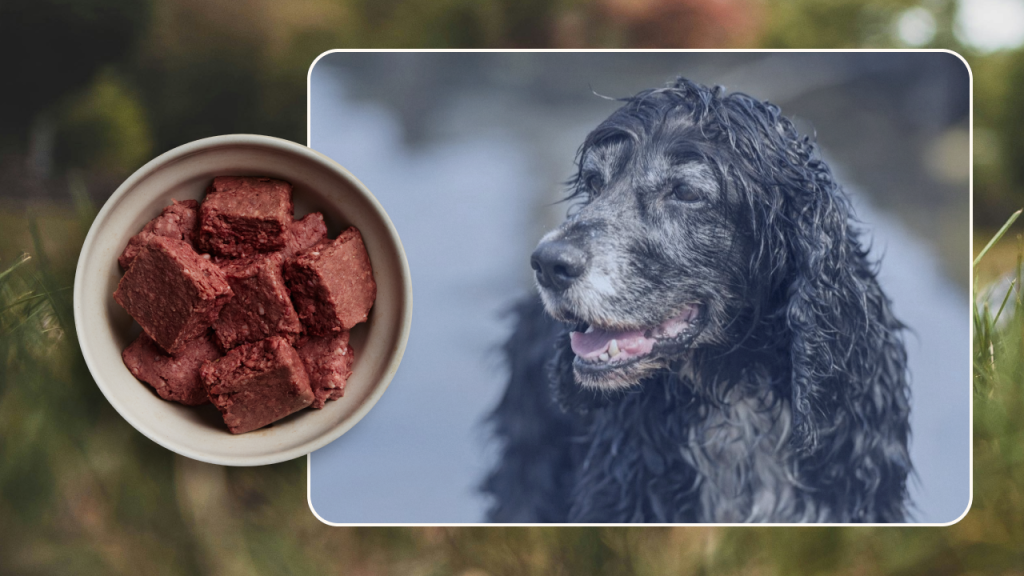

If your dog has diabetes, you want the best diet to keep them healthy and happy. You might have heard about raw food diets and wondered if they could help your furry friend.
But is a raw food diet really good for diabetic dogs? Making the right choice can be confusing and overwhelming. You’ll discover what a raw food diet means for diabetic dogs and whether it could be a safe and effective option for your pet.
Keep reading—you owe it to your dog to know all the facts before making a decision.
Raw Food Diet Basics
Understanding the basics of a raw food diet is crucial before deciding if it suits your diabetic dog. Many pet owners are curious about this feeding style because it claims to offer a more natural approach to canine nutrition. But what exactly does feeding raw mean, and what should you expect on this diet?
What Is A Raw Food Diet?
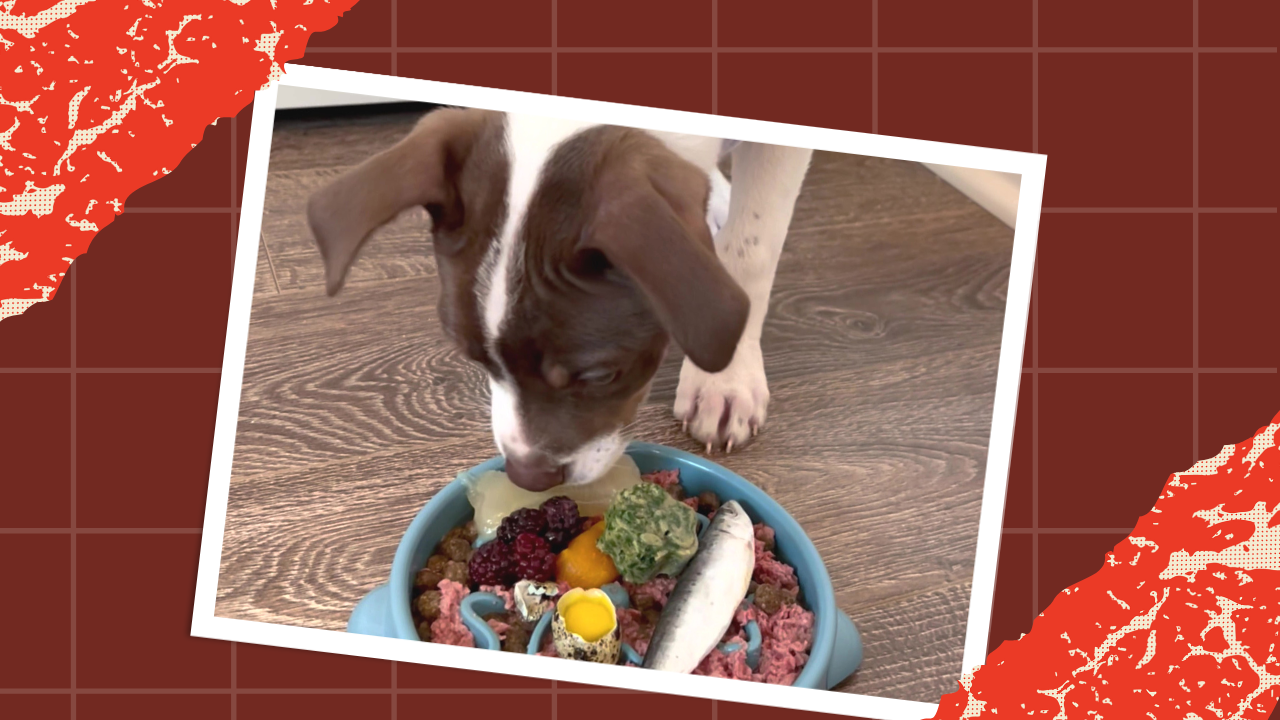
A raw food diet for dogs primarily consists of uncooked ingredients that mimic what their ancestors might have eaten in the wild. This diet often includes raw meat, bones, organs, and sometimes fruits and vegetables. The goal is to provide high-quality nutrients without processing, which some believe supports better digestion and energy levels.
However, feeding raw requires careful planning, especially for diabetic dogs. You need to balance the diet to avoid blood sugar spikes and ensure your dog gets all the essential nutrients. Have you considered how raw feeding might affect your dog’s insulin needs?
Common Ingredients In Raw Diets
- Muscle Meat:Beef, chicken, turkey, and lamb are popular choices, offering protein and fat.
- Raw Bones:Often included for calcium and dental health, but these must be safe and appropriate for your dog’s size.
- Organ Meats:Liver, kidney, and heart provide vital vitamins and minerals.
- Vegetables and Fruits:Some raw diets add leafy greens, carrots, or apples for fiber and antioxidants.
- Supplements:Fish oil or other oils may be added to balance fatty acids.
When I switched my diabetic dog to a raw diet, I noticed his energy improved but had to closely watch his blood sugar. It made me realize that not all raw ingredients are equal, and customization is key. What ingredients would you prioritize for your dog’s health?
Diabetes In Dogs
Diabetes is a common condition in dogs. It affects how their body handles sugar. When a dog has diabetes, its body cannot use sugar properly. This leads to high blood sugar levels. Managing diabetes in dogs requires care and attention, especially with diet. Understanding this condition helps in making better food choices for diabetic dogs.
Causes And Symptoms
Diabetes in dogs happens when the pancreas fails to produce enough insulin. Insulin helps move sugar from the blood into the cells. Common causes include:
- Obesity
- Genetic factors
- Age-related changes
- Hormonal imbalances
Symptoms to watch for include:
- Increased thirst
- Frequent urination
- Weight loss despite eating well
- Fatigue and weakness
- Cloudy eyes or cataracts
Managing Diabetes With Diet
Diet plays a key role in managing diabetes in dogs. A balanced diet helps control blood sugar levels. High-fiber foods slow sugar absorption. Protein supports muscle health. Avoiding sugary treats is important. Feeding at regular times helps maintain steady blood sugar. Some vets recommend specialized diabetic dog food. Raw food diets can be considered but need careful planning. Always consult a vet before changing a diabetic dog’s diet.
Benefits Of Raw Food For Diabetic Dogs
Switching your diabetic dog to a raw food diet can offer several benefits that may improve their overall health and manage their condition more effectively. While it’s essential to consult with your veterinarian before making any dietary changes, many dog owners have observed positive transformations in their pets. Let’s delve into some of the key benefits.
Improved Blood Sugar Control
Raw food diets can lead to more stable blood sugar levels. Processed foods often contain carbohydrates that cause spikes in blood glucose, which can be detrimental for diabetic dogs. By feeding your dog a diet rich in proteins and low in carbs, you may notice fewer fluctuations in their blood sugar levels.
Consider how a natural, whole food approach can impact your dog’s health. Instead of relying on ingredients like corn and wheat, a raw diet focuses on meats and vegetables. This shift can help maintain steady energy levels throughout the day.
Enhanced Nutrient Absorption
Raw diets are packed with nutrients in their most natural form, which can be more easily absorbed by your dog’s digestive system. When food is cooked, some vital nutrients can be lost. With raw food, your dog gets the full benefit of vitamins, minerals, and enzymes.
Imagine the difference in vitality when your pet receives optimal nutrition. Improved digestion and absorption mean your dog can enjoy healthier skin, shinier coats, and more robust immune systems. This holistic benefit can be particularly advantageous for diabetic dogs needing extra care.
Have you tried altering your dog’s diet to see if it makes a difference? Observing small changes in their health and behavior can be rewarding and affirm your decision to choose a raw food diet.
Risks And Concerns
Feeding diabetic dogs a raw food diet carries several risks and concerns. These issues can affect your dog’s health and the effectiveness of diabetes management. Understanding these risks helps you make safer choices for your pet’s diet.
Bacterial Contamination
Raw meat often contains harmful bacteria like Salmonella and E. coli. These bacteria can cause serious infections in dogs, especially those with weakened immune systems. Diabetic dogs are more vulnerable to infections due to their condition. Handling and preparing raw food requires strict hygiene to reduce the risk. Cross-contamination in the kitchen can also spread bacteria to humans and other pets. Always wash hands and surfaces thoroughly after contact with raw food.
Nutritional Imbalances
Raw diets may lack essential nutrients needed for diabetic dogs. Balancing protein, fat, and carbohydrates is crucial to control blood sugar. Homemade raw meals often miss vital vitamins and minerals. Deficiencies or excesses can worsen diabetes symptoms. Consulting a veterinary nutritionist ensures the diet meets all nutritional needs. Poorly planned raw diets can cause weight loss, weakness, or other health problems.
Expert Opinions
Understanding expert opinions helps you make informed decisions about your diabetic dog’s diet. Professionals bring years of experience and research to the table, offering valuable insights on raw food diets. Let’s look closely at what veterinarians and nutritionists say about feeding raw food to diabetic dogs.
Veterinarians’ Perspectives
Many veterinarians urge caution with raw diets for diabetic dogs. They worry about the risk of bacterial infections from raw meat, which can be especially dangerous for dogs with compromised immune systems.
Some vets acknowledge that a carefully balanced raw diet might help stabilize blood sugar levels. However, they emphasize the importance of regular monitoring and working closely with your vet to adjust insulin doses as needed.
One vet shared a case where a diabetic dog improved on a raw diet but only after multiple blood tests and diet tweaks. This shows raw feeding isn’t a one-size-fits-all solution—it requires commitment and expert guidance.
Nutritionists’ Advice
Animal nutritionists focus on the balance of nutrients in a raw diet. They stress that diabetic dogs need diets low in carbohydrates but rich in protein and healthy fats to help regulate glucose levels.
Nutritionists warn that not all raw diets meet these requirements. They advise you to ensure the diet includes the right vitamins, minerals, and supplements to avoid nutritional gaps.
Some nutritionists recommend working with a professional to design a raw meal plan tailored to your dog’s health needs. Have you thought about how you will track your dog’s response to this diet and adjust it accordingly?
Credit: wefeedraw.com
Transitioning To A Raw Diet
Transitioning a diabetic dog to a raw food diet requires care and attention. Sudden changes can upset their digestion and affect blood sugar levels. A gradual switch helps the dog’s body adjust safely. Patience and observation are key during this phase.
Step-by-step Process
- Start by mixing a small amount of raw food with the current diet.
- Increase the raw food portion slowly over 1 to 2 weeks.
- Observe the dog’s eating habits and energy levels daily.
- Introduce different raw ingredients one at a time to spot allergies.
- Keep fresh water available at all times during the transition.
- Consult your veterinarian before making major diet changes.
Monitoring Health Changes
Watch for changes in weight, energy, and bathroom habits. Check for vomiting, diarrhea, or constipation. Blood sugar levels may fluctuate during the switch.
Regular vet visits help track glucose and overall health. Keep a daily log of symptoms and food intake. Adjust the diet based on your dog’s response and vet advice.
Alternative Diet Options
Exploring alternative diet options helps manage diabetes in dogs effectively. Various diets suit different dog needs and lifestyles. Choosing the right diet supports stable blood sugar and overall health.
Commercial Diabetic Dog Foods
Commercial diabetic dog foods are specially made to control blood sugar. They contain balanced nutrients and fiber to slow glucose absorption. These foods often include low glycemic ingredients like barley or sweet potatoes.
Benefits include:
- Consistent nutrient levels
- Convenience for busy pet owners
- Veterinary approval and safety
Always check ingredient lists and consult your vet before switching foods.
Home-cooked Balanced Meals
Home-cooked meals offer control over ingredients and meal composition. You can tailor meals to your dog’s taste and health needs.
Key points for balanced home meals:
- Include lean proteins like chicken or turkey
- Add low-carb vegetables such as green beans or spinach
- Limit simple carbohydrates and sugars
- Use supplements if advised by a vet
Preparing meals at home needs time and knowledge. Work closely with a vet or pet nutritionist to ensure balance and safety.

Credit: wefeedraw.com
Credit: wefeedraw.com
Frequently Asked Questions
What Is A Raw Food Diet For Diabetic Dogs?
A raw food diet for diabetic dogs includes uncooked meat, bones, and vegetables. It aims to stabilize blood sugar and improve health naturally.
Can Raw Food Help Control Diabetes In Dogs?
Raw food may help regulate blood sugar by providing low-carb, high-protein meals. However, consult a vet before switching diets.
Are There Risks Feeding Diabetic Dogs Raw Food?
Yes, risks include bacterial contamination and nutrient imbalance. Proper handling and vet guidance are essential for diabetic dogs on raw diets.
How To Transition A Diabetic Dog To Raw Food?
Transition gradually over 7-10 days. Mix increasing amounts of raw food with current diet to avoid digestive upset.
Conclusion
A raw food diet can affect diabetic dogs in different ways. Some dogs may benefit from fresher ingredients and less processed food. But careful planning is needed to keep blood sugar stable. Always check with your vet before changing your dog’s diet.
Watch your dog’s health and behavior closely. Balanced meals help manage diabetes better. A well-managed diet supports your dog’s energy and well-being. Your dog deserves the best care and attention.