
Traveling with your dog can be a joyful experience, but it also comes with important safety concerns. You want your furry friend to be comfortable and protected throughout the ride.
Have you ever wondered what the safest way to travel with your dog in the car is? Getting this right can mean the difference between a smooth trip and a stressful, even dangerous, situation. You’ll discover simple, effective tips that keep your dog safe and calm on the road.
Keep reading to learn how to make every car ride enjoyable for both you and your dog.
Choosing The Right Restraint
Choosing the right restraint for your dog during car travel is essential for both safety and comfort. The right equipment keeps your pet secure, minimizes distractions while driving, and protects everyone in the vehicle in case of sudden stops. Let’s look at the most effective options and how to decide what fits your dog and your car best.
Harnesses Vs. Crates
Harnesses offer a flexible way to keep your dog restrained without feeling confined. They attach to the car’s seat belt system, allowing your dog to sit or lie down comfortably while staying secure. However, not all harnesses are crash-tested, so look for ones specifically designed for car safety.
Crates provide a more contained space, which can reduce anxiety in some dogs. A well-ventilated crate secured in the back seat or cargo area prevents your dog from roaming free in the car. But consider your dog’s size and temperament—some dogs dislike being confined for long periods and may feel stressed inside a crate.
Seat Belts For Dogs
Dog seat belts are a popular restraint that connects your dog’s harness to the vehicle’s seat belt buckle. This setup restricts your dog’s movement enough to keep them safe but still lets them enjoy the ride. Make sure the seat belt is adjustable to fit your dog comfortably without allowing too much slack.
Are you aware that using a collar instead of a harness with a seat belt can harm your dog’s neck during sudden stops? Always attach the seat belt to a harness designed for car travel to avoid injury.
Barriers And Carriers
Barriers block off certain areas of the car, like the front seats, keeping your dog in the back. This option works well for dogs that prefer standing or moving around within a limited space. Barriers don’t restrain your dog physically but prevent them from distracting the driver.
Carriers are similar to crates but usually smaller and lighter, making them ideal for small dogs or short trips. They offer a cozy, enclosed space but must be secured firmly to avoid tipping over. Think about your dog’s usual behavior—does it like to curl up in tight spaces? That preference can guide your choice.

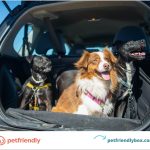
Credit: petfriendlybox.com
Preparing Your Dog For The Ride
Preparing your dog for a car ride helps ensure a calm and safe journey. Dogs can feel anxious or excited in cars. Getting them used to the vehicle before travel reduces stress. Simple steps make the experience positive and smooth for your pet. This preparation can prevent motion sickness and restless behavior.
Familiarizing With The Car
Let your dog explore the car while it is parked. Open doors and let them sniff inside. Sit with your dog in the car for short periods. Reward calm behavior with treats or praise. This builds a positive connection with the car environment. Avoid forcing your dog inside too quickly.
Exercise Before Travel
Give your dog a good walk before the trip. Exercise helps burn excess energy and relaxes muscles. A tired dog is less likely to be restless during the ride. Play fetch or run in a safe area nearby. Keep the exercise moderate to avoid overexertion.
Calming Techniques
Use calming aids to ease your dog’s anxiety. Gentle petting and soft talk can soothe nerves. A favorite blanket or toy comforts your dog in the car. Consider natural calming sprays or collars if your dog is nervous. Keep the car temperature comfortable and avoid loud noises.
Packing Essentials For Your Dog
Secure your dog with a proper harness or crate for safe car travel. Bring water, a leash, and comfort items to keep your pet calm. Regular breaks help your dog stretch and stay relaxed during the trip.
Packing Essentials for Your Dog Traveling with your dog can be a rewarding experience, but it requires careful planning to ensure their comfort and safety. Packing the right essentials is crucial for a smooth journey. What should you bring to make sure your furry friend has everything they need while on the road?Food And Water Supplies
Always pack enough food for the entire trip. Consider using a resealable container to keep it fresh and avoid spills. Don’t forget collapsible bowls, which are perfect for saving space and making mealtime convenient. Water is essential, especially on long trips. Keep a supply of bottled water to maintain consistency and avoid upsetting your dog’s stomach. A portable water bottle with an attached bowl can be a lifesaver during quick stops.Comfort Items
Comfort is key for a relaxed canine traveler. Bring along your dog’s favorite blanket or bed to create a familiar environment in the car. Does your dog have a beloved toy? Including a favorite toy can provide comfort and entertainment. Consider using a pet seat cover to protect your car and give your dog a cozy place to rest. This small addition can make a significant difference in their comfort level.Health And Safety Gear
Safety is non-negotiable. Ensure your dog is secure with a pet seat belt or a travel crate. Both options prevent distractions and protect your pet in case of sudden stops. Pack a basic first-aid kit tailored for pets. Include items like bandages, antiseptic wipes, and any specific medications your dog may need. Having these on hand can offer peace of mind in case of minor incidents. Reflective gear or a light-up collar can be invaluable if you plan to stop after dark. This ensures your dog is visible during evening bathroom breaks, enhancing their safety. By thinking ahead and packing these essentials, you’re setting the stage for a safe and enjoyable trip with your dog. What other items do you find indispensable when traveling with your pet?Planning Your Route And Stops
Planning your route and stops carefully can make a huge difference in how safe and comfortable your dog feels during car travel. The goal is to keep your pet calm, hydrated, and happy throughout the journey. Thoughtful stops and route choices help prevent stress for both you and your furry friend.
Regular Breaks
Dogs need to stretch, relieve themselves, and drink water just like people do. Plan to stop every two to three hours to give your dog a chance to move around. Short walks during these breaks help reduce anxiety and prevent stiffness.
Keep your dog on a leash during breaks to avoid any unexpected escapes. Have fresh water and a bowl handy so you can hydrate your dog quickly. Notice how your dog reacts to breaks—some dogs need longer or more frequent stops.
Pet-friendly Locations
Not all rest stops or restaurants welcome pets, so look for pet-friendly places along your route. Many parks, gas stations, and even some cafes offer pet areas or water stations. Using apps or websites to find these spots can save you time and hassle.
Choosing stops with shaded areas or grassy patches makes bathroom breaks easier and more pleasant for your dog. Have you ever tried finding a suitable spot last minute? Planning ahead means fewer surprises and a smoother trip.
Avoiding Extreme Weather
Extreme heat or cold can be dangerous for your dog during travel. Check the weather forecast before you leave and plan your drive times to avoid the hottest or coldest parts of the day. Early mornings or late evenings can be cooler and safer for your dog.
Never leave your dog alone in a parked car, especially in warm weather—it can become life-threatening in minutes. If you see signs of overheating or discomfort, such as excessive panting or drooling, stop immediately and cool your dog down.
Maintaining Safety During The Trip
Keeping your dog safe during car trips is very important. Careful planning helps avoid accidents and stress. Dogs need protection just like people in a car. Follow these simple tips to maintain safety during your journey.
Securing Windows And Doors
Always keep car doors locked to prevent your dog from opening them. Do not let your dog stick its head out of the window. This can cause injury from debris or sudden stops. Use window guards or keep windows slightly open for fresh air. Secure your dog with a harness or pet seatbelt. This stops them from moving around and distracting the driver.
Temperature Control
Keep the car at a comfortable temperature for your dog. Never leave your dog alone in a parked car. Temperatures can rise quickly and cause heatstroke. Use air conditioning or open windows to circulate air. Carry water and offer it to your dog regularly. Watch for signs of overheating like heavy panting or drooling.
Avoiding Distractions
A calm dog helps the driver stay focused on the road. Use a crate or seatbelt to keep your dog secure. Bring toys or treats to keep your dog calm. Avoid feeding your dog just before the trip to prevent nausea. Pull over safely if your dog needs attention or breaks. Keep your eyes on the road, not on your pet.

Credit: petsfit.com
Handling Emergencies On The Road
Handling emergencies on the road with your dog requires calmness and preparation. Unexpected situations can arise anytime, and knowing how to respond quickly can make a huge difference in your pet’s safety. Let’s break down essential actions to keep your furry friend safe and secure during those critical moments.
First Aid Basics
Knowing basic first aid for your dog is crucial. You should learn how to stop bleeding, perform CPR, and treat minor burns or bites. Simple skills like checking your dog’s breathing and pulse can help you act fast in emergencies.
Keep a calm mindset. Panic slows you down and can scare your dog more. Practice first aid techniques at home so you feel confident when a real emergency happens.
Contacting Vets
Always have contact information for nearby veterinarians saved on your phone and written down in your emergency kit. Use apps or websites that locate vets along your route.
In an emergency, call the vet immediately. Describe your dog’s symptoms clearly and follow their advice carefully. Don’t wait too long—early intervention can save your dog’s life.
Emergency Kits
Prepare a car emergency kit specifically for your dog. Include items like:
- Bandages and gauze
- Antiseptic wipes
- Tweezers and scissors
- Disposable gloves
- Saline solution for eye rinsing
- Extra leash and collar
- Any medications your dog needs
Keep the kit within easy reach and check it regularly to replace expired items. Having these tools ready means you can handle minor injuries right away without wasting time.
How prepared are you for an emergency while traveling? Taking these steps ensures you’re not caught off guard and can protect your dog no matter where the road takes you.

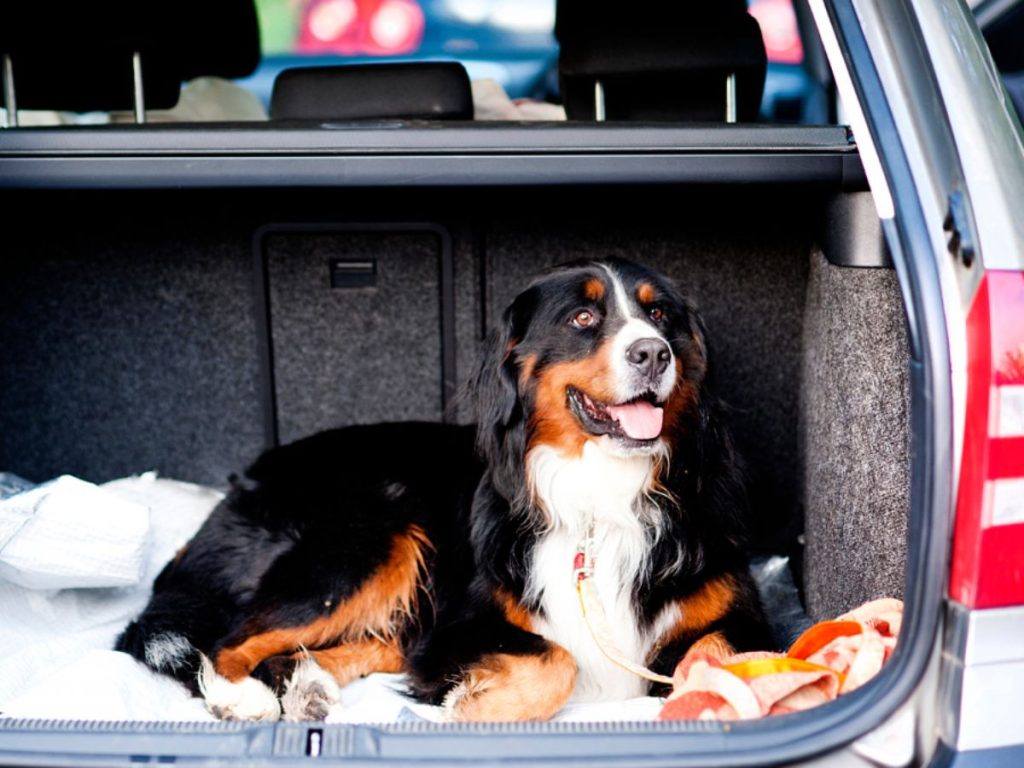
Credit: www.flywithmypet.com
Frequently Asked Questions
How Do I Keep My Dog Safe In The Car?
Use a properly fitted dog seatbelt or secured crate. Avoid letting your dog roam freely. This prevents distractions and protects your dog during sudden stops.
What Is The Best Car Restraint For Dogs?
A crash-tested harness or a well-ventilated crate is ideal. Both keep your dog secure and reduce injury risks in accidents.
Can Dogs Travel With Open Car Windows?
Partially open windows are fine for ventilation. Avoid fully open windows to prevent your dog from jumping or falling out.
How Often Should I Take Breaks On Long Trips?
Stop every two hours to let your dog stretch and relieve itself. This helps prevent stress and discomfort during long drives.
Conclusion
Traveling with your dog can be safe and stress-free. Use a proper harness or crate to keep your dog secure. Take breaks often so your dog can stretch and drink water. Never let your dog ride with its head out the window.
Plan ahead for a smooth trip. Safe travel keeps your dog happy and healthy. Enjoy every moment of your journey together.