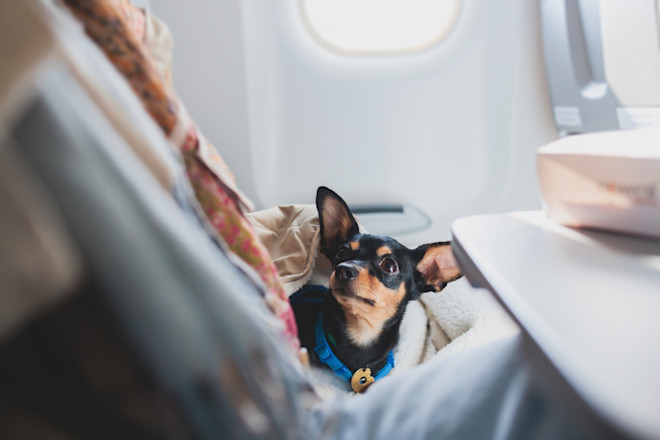

Traveling with your dog on an airplane can feel overwhelming. You might worry about how your pet will handle the flight or what rules you need to follow.
But don’t let those concerns stop you from bringing your furry friend along. With the right tips and preparation, flying with your dog can be smooth and stress-free. Keep reading to discover everything you need to know to make your next trip with your dog comfortable and safe.

Credit: www.aol.com
Preparing For The Flight
Preparing for a flight with your dog needs careful planning. This preparation helps reduce stress for both you and your pet. It ensures a smooth journey from start to finish. Start early to avoid last-minute issues. Follow these steps to get ready for the trip.
Choosing The Right Carrier
Select a carrier that fits airline rules and your dog’s size. It should be well-ventilated and sturdy. The carrier must allow your dog to stand and turn easily. Look for soft sides if your dog prefers comfort. Check for secure zippers and locks. A comfortable carrier helps your dog feel safe.
Booking Your Dog’s Ticket
Book your dog’s spot early, as airlines limit pets per flight. Inform the airline about your pet’s breed and size. Confirm if your dog will travel in the cabin or cargo. Keep all travel documents ready, including your dog’s ID. Pay any fees required for pet travel. Clear communication with the airline avoids surprises.
Health Checks And Vaccinations
Visit the vet before flying. Ensure your dog is healthy and fit to travel. Update all vaccinations as required by the airline and destination. Get a health certificate dated within ten days of travel. Discuss any medication or calming options with your vet. Healthy pets travel better and face fewer issues.
Familiarizing Your Dog With The Carrier
Introduce the carrier weeks before the flight. Leave it open at home with treats inside. Let your dog explore and sleep in it. Practice short trips using the carrier. This builds comfort and reduces fear. A calm dog inside the carrier makes the flight easier for all.

Credit: www.aol.com
Airport Tips
Traveling with your dog through the airport can be a smooth experience if you plan ahead. Knowing what to expect and how to handle each step will reduce stress for both you and your furry friend. These airport tips will help you navigate busy terminals with confidence.
Arriving Early
Give yourself extra time at the airport. Arriving at least two hours before your flight lets you manage check-in and unexpected delays without rushing. Your dog will appreciate the calm, and you’ll avoid feeling pressured.
Early arrival also allows you to find quieter spots to settle your dog before boarding. Have you noticed how a relaxed start sets a positive tone for the entire trip?
Security Screening Process
Prepare for security by removing your dog’s leash and carrying them through the metal detector if instructed. Keep their travel carrier ready for inspection, and don’t be surprised if TSA asks to open it.
Stay calm and speak softly to your dog during screening. Your composed behavior helps your pet stay calm too. Remember to pack treats for a quick reward after passing through security.
Finding Pet Relief Areas
Locate pet relief zones in advance—many airports now offer designated outdoor or indoor spots for your dog to stretch and relieve themselves. Use airport maps or apps to find these areas before you travel.
Stopping at these zones during layovers or before boarding prevents accidents and keeps your dog comfortable. How often do you think about your pet’s needs while hurrying through terminals?
Managing Layovers
Long layovers can be tough on dogs. Plan breaks to walk and hydrate your pet, even if it means leaving the gate area briefly. Stretching their legs helps reduce anxiety and restlessness.
Bring familiar toys or blankets to create a cozy spot while waiting. This small comfort can make a big difference during delays. What tricks have you used to keep your dog calm in unfamiliar places?
In-flight Comfort
Traveling with a dog on an airplane requires extra care for both comfort and safety. Soft bedding and familiar toys help keep pets calm during the flight. Regular breaks before boarding reduce stress for your furry friend.
Traveling with your dog on an airplane can be a rewarding experience if you ensure their in-flight comfort. Preparing for a flight means more than just booking your ticket; it involves considering your furry friend’s needs, as well. From seating arrangements to managing noise and turbulence, understanding how to keep your dog comfortable can make a huge difference.Seating Arrangements
Choosing the right seat can greatly impact your dog’s comfort. If your dog is small enough to fit under the seat, aim for a window seat where they can relax without frequent disturbances. For larger dogs, consider airlines that offer special pet seating to accommodate their size.Keeping Your Dog Calm
A calm dog makes for a smoother flight. Bring along a favorite toy or blanket that carries a familiar scent. These familiar items can help soothe your pet’s anxiety. Additionally, consider natural calming treats or consult your vet about mild sedatives if your dog is particularly nervous.Feeding And Hydration
Maintaining your dog’s hydration is crucial during a flight. Offer small amounts of water before and during the flight. Avoid feeding your dog a large meal right before travel to prevent discomfort or motion sickness. Instead, opt for a light snack a few hours prior.Handling Noise And Turbulence
Airplanes can be noisy, and turbulence might unsettle your pet. Use noise-canceling headphones or ear covers designed for dogs to muffle the sound. During turbulence, gently reassure your dog with a soothing voice and soft petting to help them feel secure. Are you ready to prioritize your dog’s in-flight comfort and make air travel a pleasant experience for both of you? With these insights, you can ensure that your furry companion feels as comfortable as possible.
Credit: www.aol.com
Airline Policies
Understanding airline policies is crucial before flying with your dog. Each airline has its own set of rules that can affect your travel plans significantly. Knowing these details helps you avoid surprises and makes your journey smoother for both you and your pet.
Pet Fees And Documentation
Most airlines charge a fee for bringing your dog onboard. These fees vary widely, from $75 to over $200, depending on whether your pet travels in the cabin or as cargo.
Documentation is also key. Airlines usually require a recent health certificate from your vet and proof of vaccinations. Make sure to check the specific airline’s requirements well in advance. Missing paperwork can lead to denied boarding, which no one wants.
Breed And Size Restrictions
Not all dog breeds are allowed on every flight. Some airlines restrict certain breeds, especially brachycephalic dogs like bulldogs and pugs, due to breathing risks during flights.
Size matters too. Smaller dogs usually fly in the cabin inside a carrier, while larger dogs must fly as checked baggage or cargo. Check the airline’s size limits for carriers to ensure your dog fits comfortably.
Service And Emotional Support Animals
Policies for service and emotional support animals differ from regular pets. Airlines often allow service dogs to fly free of charge but require specific documentation.
Emotional support animals are facing tighter rules lately. Many airlines now treat them like regular pets, meaning they may need to pay fees and meet carrier requirements. Always confirm your airline’s current stance before booking.
Post-flight Care
After your flight, your dog needs special attention to bounce back from the journey. Post-flight care ensures your furry friend stays calm, comfortable, and healthy in a new place. Paying close attention to their needs right after landing can make all the difference in their travel experience.
Exiting The Plane Smoothly
Getting off the plane can be overwhelming for your dog. Keep a firm but gentle grip on the leash to prevent sudden pulls or escapes. Move at a calm, steady pace, offering soothing words to help them stay relaxed.
Have water ready as soon as you disembark—hydration is key after a flight. If possible, choose a quiet spot away from crowds for your dog to take a short break before heading to baggage claim or customs. This helps reduce sensory overload and stress.
Acclimating To New Environments
New sights, sounds, and smells can confuse your dog right after travel. Take time to introduce them slowly to their surroundings, letting them sniff and explore at their own pace. This gradual adjustment helps prevent anxiety.
Bring familiar items like a favorite blanket or toy to create a sense of security. Establish a regular routine for feeding, walks, and rest to provide stability. How do you think your dog responds best to new places?
Recognizing Travel Stress Signs
Dogs often hide stress well, but certain behaviors can signal discomfort. Watch for excessive panting, pacing, whining, or refusal to eat. These can indicate your dog is overwhelmed and needs a break.
Physical signs like drooling, shaking, or vomiting are more serious and may require a vet visit. Don’t ignore subtle cues—early attention helps your dog recover faster. What signs do you notice when your dog is uneasy during travel?
Tips For Long-haul Flights
Long-haul flights can be tough for dogs and their owners. Planning ahead helps keep your dog calm and comfortable. Small changes make a big difference during the journey. Follow these tips to ease the trip for your furry friend.
Breaks And Exercise
Give your dog chances to stretch before boarding. Walk them around the airport during layovers. Moving helps reduce stress and restlessness. Use pet relief areas for bathroom breaks. Exercise tires your dog, making them more relaxed on the plane.
Medication And Supplements
Consult your vet about calming medications or supplements. Some dogs feel anxious in new environments. Natural supplements like CBD or melatonin may help. Never give human medicines without vet advice. Keep medications in original containers for airport security.
Traveling With Puppies Or Senior Dogs
Puppies need extra care for their first flights. Bring familiar toys and blankets for comfort. Senior dogs may have health concerns like arthritis. Talk with your vet about health checks before flying. Adjust travel plans to fit your dog’s needs and energy levels.
Frequently Asked Questions
Can I Bring My Dog In The Airplane Cabin?
Yes, many airlines allow small dogs in the cabin. Your dog must fit in a carrier under the seat. Always check airline policies before booking your flight.
What Documents Are Needed For Flying With A Dog?
You typically need a health certificate and vaccination records. Some countries require additional permits or microchip information. Confirm requirements with your airline and destination in advance.
How Do I Prepare My Dog For Airplane Travel?
Get your dog used to their carrier before the flight. Avoid feeding them right before traveling to prevent nausea. Carry familiar toys and a leash to keep them calm.
Are There Size Or Breed Restrictions For Flying Dogs?
Yes, airlines often restrict large or brachycephalic (short-nosed) breeds. Size limits depend on the airline’s cabin and cargo rules. Always verify restrictions when booking your ticket.
Conclusion
Traveling with a dog on an airplane takes some planning. Knowing airline rules helps you avoid surprises. Bring your dog’s favorite items for comfort. Stay calm and patient throughout the journey. Your dog will feel safer with you close. A smooth trip means happy memories for both.
Prepare well, and enjoy your adventure together.