
Planning to fly with your dog? It can feel overwhelming, but you don’t have to worry.
Traveling with dogs in airplanes is easier than you think when you know the right steps. Imagine your furry friend calm and comfortable during the flight, and you stress-free from start to finish. You’ll discover simple tips and insider advice to make your trip smooth and safe for both you and your dog.
Keep reading to unlock everything you need to know before you take off together.
Choosing Pet-friendly Airlines
Choosing the right airline is essential for traveling with dogs. Some airlines offer better support for pets. Others have strict rules that can make travel hard. Finding a pet-friendly airline helps keep your dog safe and comfortable. It also reduces stress for you.
Airline Policies On Pets
Each airline has its own rules for pets. Some allow small dogs in the cabin. Others require pets to travel in cargo. Many airlines limit the number of pets on each flight. Always check if your dog’s breed or size has restrictions.
Health certificates and vaccination records are often needed. Some airlines require a special pet carrier. Knowing these policies early helps avoid surprises at the airport.
Booking Procedures For Dogs
Booking a flight for your dog usually differs from booking for yourself. Airlines often ask you to call their pet desk. You may need to reserve your dog’s spot in advance. Some airlines allow online booking but with extra steps.
Prepare all documents before booking. This includes health papers and carrier dimensions. Confirm your dog’s travel details with the airline a few days before the flight.
Fees And Restrictions
Airlines charge fees for pet travel. Fees vary based on size, route, and cabin or cargo travel. Some airlines have weight limits for pets in the cabin. Others charge extra for pets in cargo.
Restrictions might include no pets on certain flights or routes. Some airlines ban brachycephalic breeds due to breathing risks. Knowing fees and rules helps plan your budget and avoid last-minute issues.

Credit: kradlemypet.com
Preparing Your Dog For The Flight
Preparing your dog for an airplane flight makes the journey smoother for both of you. It reduces stress and keeps your pet safe and comfortable. Taking the right steps before travel helps your dog adjust well to new surroundings and noises.
Health Checks And Vaccinations
Schedule a vet visit before the flight. Confirm your dog is healthy and fit to travel. Ask the vet about necessary vaccinations for your destination. Make sure all shots are up-to-date. Discuss any health concerns or medications with the vet. Carry a health certificate if required by the airline.
Familiarizing With The Carrier
Introduce the travel carrier early. Let your dog explore it at home. Place treats, toys, or blankets inside to create a positive space. Practice short trips using the carrier for comfort. This helps reduce anxiety during the flight. Choose a carrier that fits your dog well and meets airline rules.
Exercise And Feeding Before Travel
Exercise your dog before heading to the airport. A tired dog stays calmer during the flight. Avoid feeding a large meal right before travel. Give a light meal 3-4 hours before departure. Provide water up to an hour before the flight. This routine helps prevent discomfort and accidents during travel.
Packing Essentials For Your Dog
Packing for your dog’s airplane trip goes beyond just a leash and collar. You want to make sure your furry friend feels safe, fed, and healthy throughout the journey. Preparing the right essentials can reduce stress for both of you and keep your dog comfortable in unfamiliar surroundings.
Comfort Items And Toys
Bring your dog’s favorite blanket or bed to create a familiar space inside the carrier. Adding a small toy or chew item can distract and soothe them during the flight. Have you noticed how a simple scent or texture can calm your dog? These comfort items work the same way in the air.
Food And Water Supplies
Pack enough food for the entire trip plus some extra in case of delays. Use spill-proof containers for water to keep things tidy. Remember, feeding your dog a few hours before the flight helps avoid nausea, but always offer water during the journey to keep them hydrated.
Medical Records And Medication
Carry your dog’s health records, vaccination certificates, and any prescribed medication. Some airlines require proof of vaccinations or health clearances, so keeping these documents handy is smart. If your dog needs regular meds, pack enough with clear instructions to avoid any hiccups during travel.
At The Airport With Your Dog
Traveling with your dog can be a joyful experience. Yet, airports present unique challenges. Knowing what to expect helps ease anxiety for both you and your pet. Prepare your dog for the airport environment to ensure a smooth journey.
Security Screening Tips
Security screening requires patience and preparation. Keep your dog calm by talking softly. Use a leash and harness to maintain control. Remove your pet from its carrier before screening. Place the carrier on the conveyor belt for X-ray. Hold your dog as you walk through the metal detector. Inform security staff about your pet for a smoother process.
Navigating Airport Terminals
Airport terminals can be busy and loud. Select a quiet area to relax with your dog. Use pet relief areas to meet your dog’s needs. Carry a small water bowl to keep your dog hydrated. Keep treats handy to reward good behavior. Follow airport signs to find pet-friendly amenities. Ask staff for guidance if needed.
Managing Waiting Times
Long waits can be stressful for your dog. Bring chew toys to keep them entertained. Practice basic commands to distract and calm your pet. Walk your dog around to burn off energy. Keep an eye on flight updates to manage your schedule. Create a comfortable space in the carrier for your dog to relax.
In-flight Tips For Comfort
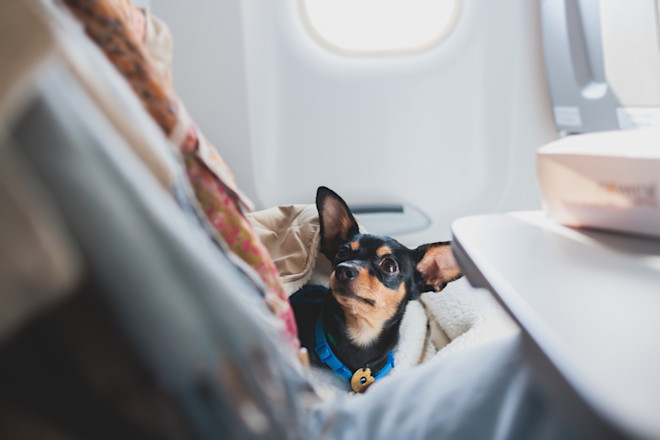
Flying with your dog can be stressful for both of you. Comfort helps make the journey smoother. Small steps improve your dog’s mood and health during the flight. Focus on these tips to keep your dog calm and comfortable.
Seating Arrangements
Choose a seat with extra legroom if possible. This space lets your dog stretch inside the carrier. Try to sit near the front or exit rows for less noise. Avoid seats near restrooms to reduce disturbances. Keep your dog close to you at all times. This closeness provides security and reduces anxiety.
Calming Techniques
Bring a favorite blanket or toy for familiarity. Soft, gentle petting helps soothe nervous dogs. Speak in a calm, low voice to reassure your pet. Use a calming spray or natural remedies if your vet approves. Play soft music or white noise to mask airplane sounds. Offer small treats to reward calm behavior.
Handling Emergencies
Prepare for unexpected situations by packing a pet first aid kit. Know the airline’s emergency procedures for pets. Keep your vet’s contact info handy on your phone. If your dog shows signs of distress, alert the flight crew immediately. Stay calm to help your dog stay calm too.

Credit: wamiz.co.uk
After The Flight Care
After a long flight, your dog needs special care to recover smoothly and feel comfortable in the new environment. The journey can be tiring and stressful, so focusing on their well-being immediately after landing is crucial. Paying attention to their physical and emotional needs will help prevent any lingering discomfort or anxiety.
Post-flight Exercise
Once you land, giving your dog some gentle exercise is important. Stretching their legs with a short walk helps release built-up energy and reduces stiffness. Avoid intense activity right away—slow and calm movement is best to ease muscle tension.
Have you noticed how your dog behaves after being confined for hours? A simple stroll around the airport or nearby park can make a big difference in their mood and physical health.
Hydration And Feeding
Your dog’s hydration needs increase after a flight. Offer fresh water as soon as possible to help rehydrate them. Small, frequent sips work better than a large amount at once to avoid stomach upset.
Feeding should be light and easy to digest. Avoid heavy meals right after landing; instead, provide small portions of their regular food. This helps prevent nausea or digestive issues after the stress of travel.
Monitoring For Stress Signs
Watch your dog closely for signs of stress or discomfort. Symptoms like excessive panting, whining, or hiding can signal anxiety or physical pain. Early detection allows you to address problems before they worsen.
Have you ever caught your dog pacing nervously or refusing to eat after a trip? These subtle clues tell you they need extra comfort or quiet time. Creating a calm space with familiar items can soothe their nerves effectively.

Credit: www.reddit.com
Frequently Asked Questions
Can I Bring My Dog In The Airplane Cabin?
Yes, small dogs can travel in the cabin if they fit in an airline-approved carrier. Check airline policies beforehand.
What Are Airline Pet Carrier Requirements?
Carriers must be well-ventilated, secure, and fit under the seat. Dimensions vary by airline, so verify specific rules.
How Early Should I Arrive When Flying With Dogs?
Arrive at least two hours early to allow extra time for check-in and security procedures with your dog.
Are There Health Certificates Needed For Flying Dogs?
Most airlines require a recent health certificate from your vet, usually within 10 days before travel.
Conclusion
Traveling with dogs on airplanes takes some planning. Know the airline rules and prepare your pet well. Bring comfort items like a favorite toy or blanket. Keep your dog calm and hydrated during the trip. Check all documents before you travel.
A smooth flight helps both you and your dog. Enjoy the journey and create happy memories together. Traveling with pets can be simple and fun. Just stay calm, organized, and kind to your dog. Safe travels!