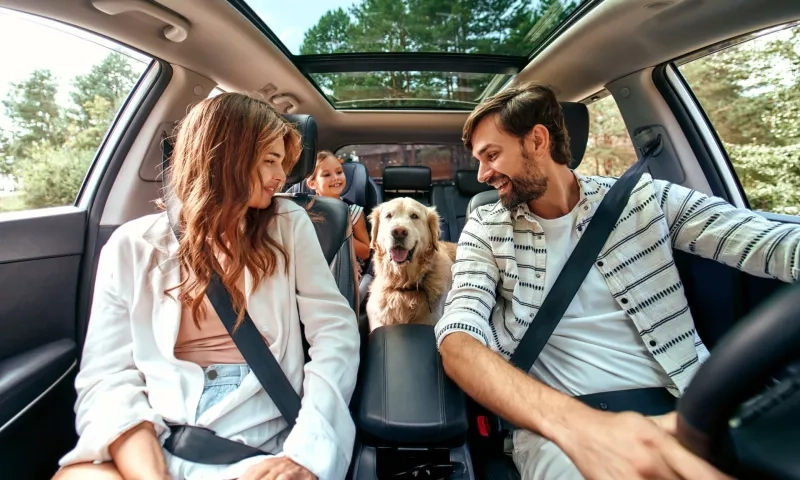

Traveling by car with your dog can be an amazing adventure, but it also comes with challenges. You want your furry friend to be safe, comfortable, and happy throughout the trip.
Imagine avoiding stressful moments, keeping your car clean, and making every stop a joy for both of you. You’ll discover simple and effective tips that make car travel with your dog easier than ever. Ready to turn your road trip into a fun experience for you and your pet?
Keep reading to learn how.
Credit: www.vevor.com
Preparing Your Dog For The Trip
Preparing your dog for a car trip makes the journey safer and more comfortable. Dogs can feel stressed in new places, so it helps to get them ready ahead of time. Start by choosing the right travel gear. Let your dog get used to the car before the trip. Pack all the items your dog needs for a smooth ride.
Choosing The Right Carrier Or Restraint
Select a carrier or restraint that fits your dog’s size and weight. A proper carrier keeps your dog safe and limits distractions while driving. Options include:
- Hard or soft-sided carriers for small dogs
- Dog seat belts or harnesses for larger dogs
- Barrier nets or crates for extra security
Make sure the carrier or restraint is well-ventilated and comfortable. Check for secure locks or clips to prevent accidents.
Familiarizing Your Dog With The Car
Help your dog feel calm in the car before the trip. Take short rides around the block. Let your dog explore the stationary car first. Bring favorite toys or treats inside. Praise your dog for calm behavior. Gradually increase ride length to build comfort.
Packing Essentials For Your Dog
Pack all necessary items to keep your dog happy and healthy. Essentials include:
- Water and a travel bowl
- Food and treats
- Leash and collar with ID tags
- Waste bags for clean-up
- Comfort items like a blanket or toy
- Any medications your dog needs
Keep these items handy during stops. Plan breaks for exercise and bathroom needs.
Planning Your Route And Stops
Planning your route and stops is essential for a smooth car trip with your dog. It helps keep your pet comfortable and safe. Careful planning avoids stress and surprises on the road. Think about where you will stop and how often. Consider your dog’s needs for exercise, water, and bathroom breaks.
Identifying Pet-friendly Rest Areas
Find rest areas that welcome pets along your route. Many highways have special zones for dogs to stretch and relieve themselves. Look for parks or open spaces near your stops. Use apps or websites that list pet-friendly places. This ensures your dog has a safe place to relax during breaks.
Scheduling Regular Breaks
Plan breaks every two to three hours to check on your dog. Stretch your legs and give your dog a chance to move around. Use breaks to offer water and a quick snack. Avoid long periods of continuous driving to reduce your dog’s stress and restlessness.
Checking Weather And Road Conditions
Check the weather forecast before and during your trip. Avoid extreme heat or cold that can harm your dog. Look for road closures or heavy traffic that might delay your journey. Adjust your route or timing to keep your dog safe and comfortable.
Safety Measures During The Drive
Traveling by car with your dog can be a delightful experience. Yet, ensuring your pet’s safety during the journey is crucial. Implementing a few safety measures can make the drive enjoyable for both you and your furry friend.
Securing Your Dog Inside The Vehicle
Secure your dog with a pet seat belt or harness. This prevents them from moving around. Consider using a pet carrier if your dog is small. Place it on the back seat for added safety. Larger dogs can benefit from a pet barrier. It keeps them in the back of the car.
Maintaining Comfortable Temperature
Ensure the car’s temperature is comfortable for your dog. Avoid leaving them alone in the car, especially in hot weather. Use sunshades on windows to block direct sunlight. Keep the air conditioning on if needed. Provide water to keep your dog hydrated.
Avoiding Distractions While Driving
Avoid letting your dog sit in your lap. This can be distracting and dangerous. Keep treats or toys handy to keep them occupied. Take breaks during long drives. Let your dog stretch and relieve themselves. Stay focused on the road for a safe journey.

Credit: www.flywithmypet.com
Managing Your Dog’s Comfort And Health
Traveling by car with your dog can be a joyful experience, but it also requires careful attention to their comfort and health. Your dog depends on you to make the journey safe and enjoyable. Small adjustments can make a huge difference in how your furry friend feels during the trip.
Keeping Your Dog Hydrated And Fed
Hydration is essential, especially on long drives or hot days. Carry a portable water bowl and offer water breaks every hour or so. Avoid feeding your dog a large meal right before the trip to prevent discomfort and nausea.
Bring along healthy snacks like small pieces of apple or carrot to keep energy levels up. Monitor how your dog reacts to different foods during travel and adjust accordingly. Have a plan for bathroom breaks to keep your dog comfortable and avoid accidents.
Handling Motion Sickness
Some dogs get motion sickness just like humans. Look for signs like drooling, whining, or restlessness. If your dog shows these symptoms, try to keep the car cool and well-ventilated.
Ask your vet about motion sickness remedies, which may include medication or natural supplements. A familiar blanket or toy can also help soothe anxiety that often comes with nausea. Have patience and stop for breaks if your dog seems overwhelmed.
Providing Entertainment And Comfort
Boredom can make your dog restless and anxious. Bring favorite toys and chew items to keep them occupied. Soft bedding or a well-secured crate adds a layer of comfort and security.
Talk to your dog calmly during the trip to reassure them. Playing gentle music can sometimes help mask road noise and create a relaxing environment. Have you noticed how your dog reacts to different types of entertainment on the road?
Dealing With Emergencies
Traveling by car with a dog can be fun but also brings risks. Emergencies may happen anytime. Being ready helps keep your pet safe and calm. Knowing how to act fast is key. Prepare for health issues or accidents on the road.
Preparing A Pet First Aid Kit
A pet first aid kit is essential for every trip. Include items for minor cuts, insect bites, and other common injuries. Pack:
- Bandages and gauze pads
- Antiseptic wipes or spray
- Tweezers and scissors
- Disposable gloves
- Digital thermometer
- Emergency contact numbers
- Any prescribed medications
Store the kit in an easy-to-reach place in your car. Check and restock it before each trip.
Locating Veterinary Services Along The Route
Find vets near your travel path before you leave. Use online maps or apps to identify clinics and emergency hospitals. Save their phone numbers on your phone. Write down addresses on paper as a backup. Plan stops near these locations if your dog shows signs of illness. Quick access to help can prevent serious problems.
Recognizing Signs Of Stress Or Illness
Dogs may hide pain or stress. Watch for:
- Excessive panting or drooling
- Vomiting or diarrhea
- Unusual lethargy or weakness
- Whining, barking, or restlessness
- Shaking or trembling
Early detection allows prompt care. Stop the car safely to check your dog. Keep calm to avoid increasing their stress. Seek veterinary help if symptoms worsen.

Credit: petfriendlybox.com
Frequently Asked Questions
How Do I Prepare My Dog For A Car Trip?
Start with short drives to get your dog used to the car. Bring their favorite toys and treats. Ensure they are comfortable and secure during the trip. Pack water, food, and a leash for breaks. Preparation reduces stress and keeps your dog calm.
What Safety Measures Should I Take For My Dog In The Car?
Use a well-fitted dog seat belt, crate, or barrier. Never let your dog ride in the front seat. Keep windows closed or only slightly open. Secure your dog to prevent distractions and injuries. Safety ensures a smooth and secure journey.
How Often Should I Stop For Breaks When Traveling With A Dog?
Stop every two to three hours to let your dog stretch and relieve themselves. Offer water and a short walk during breaks. Frequent stops prevent discomfort and anxiety. Regular breaks keep your dog healthy and happy during the trip.
What Essentials Should I Pack For My Dog On A Road Trip?
Pack food, water, bowls, leash, waste bags, and a first-aid kit. Bring familiar blankets or toys for comfort. Include grooming supplies and any medications your dog needs. Being prepared ensures your dog’s needs are met throughout the journey.
Conclusion
Traveling by car with your dog can be fun and safe. Plan breaks for your dog to stretch and drink water. Keep your pet comfortable with familiar toys or blankets. Always secure your dog to avoid distractions while driving. Watch for signs of stress or discomfort during the trip.
A happy dog makes the journey better for everyone. Enjoy the road and make great memories together. Safe travels!