
Training a deaf and blind dog may seem like a huge challenge, but with the right approach, you can build a deep, trusting bond with your furry friend. You might wonder how to communicate without sight or sound—this is where patience, love, and smart techniques come in.
Imagine the joy of seeing your dog respond to your touch and guidance, feeling safe and confident by your side. You’ll discover simple, effective steps to train your deaf and blind dog, helping you both live happier and more connected lives.
Keep reading—you’re about to unlock the secrets that make a world of difference.

Credit: pethelpful.com
Preparing For Training
Training a deaf and blind dog needs careful planning. Preparation helps create a smooth learning process. It builds trust and makes the dog feel safe. This section covers how to get ready for training your special dog.
Assessing Your Dog’s Needs
Understand your dog’s unique challenges. Notice how your dog reacts to touch and smell. Check if your dog has other health issues. Observe your dog’s daily habits and comfort zones. This helps tailor the training to suit your dog.
Gathering Necessary Tools
Collect items that support non-verbal communication. Use soft collars or harnesses for gentle guidance. Have treats that your dog loves for rewards. Prepare tactile toys for positive interaction. Consider scent markers to indicate places or actions.
Creating A Safe Environment
Make a quiet and clutter-free space for training. Remove sharp objects and hazards. Use textured mats to help your dog find spots. Keep the area consistent to avoid confusion. This safe space helps your dog focus and feel secure.
Credit: www.aaha.org
Communication Techniques
Training a deaf and blind dog requires patience and clear communication. These dogs rely on senses other than sight and hearing. Using effective communication techniques helps build trust and understanding. It allows the dog to learn commands and feel safe in its environment.
Using Touch Signals
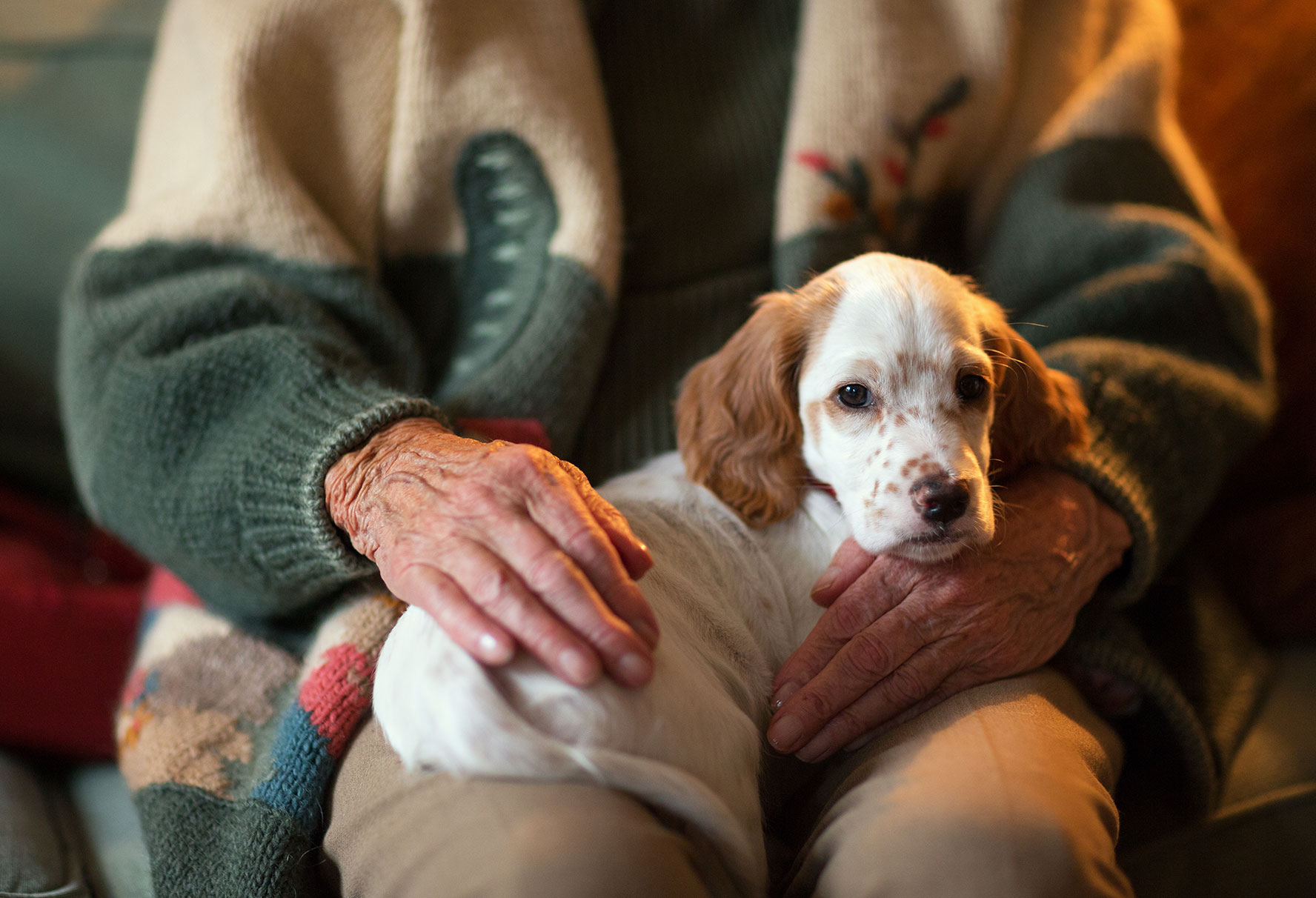
Touch signals are vital for guiding a deaf and blind dog. Gentle taps or strokes on specific body parts can mean different commands. For example, a tap on the shoulder can signal “stop.” A rub on the chest might mean “come here.” Consistency is key to help the dog remember each touch’s meaning.
Implementing Tactile Cues
Tactile cues involve using different textures or pressures to communicate. You can use a soft brush to calm the dog or a firmer touch to get attention. Objects like a textured mat or a blanket can also serve as signals. These cues help the dog recognize routines and respond correctly.
Leveraging Scent And Vibration
Scent and vibration provide additional ways to communicate. Different scents can mark locations or signal commands. For example, a lavender scent can mean “relax.” Vibrations from a vibrating collar or tapping the floor can catch the dog’s attention. These methods work well for guiding and teaching new behaviors.
Basic Commands Training
Training a deaf and blind dog in basic commands requires patience and creativity. You’ll rely heavily on touch and consistent signals to communicate effectively. The key is to build trust and use clear, gentle physical cues so your dog understands what you expect.
Teaching Sit And Stay
Start with the “sit” command by gently pressing your dog’s hindquarters down while using a hand signal, like a tap on the back or a gentle push on the chest. Reward immediately with a soft touch or a favorite treat placed near their mouth. Consistency is crucial—repeat this several times a day in short sessions.
For “stay,” use a steady hand on your dog’s shoulder to signal them to remain still. Gradually increase the time before releasing them with a touch on the side or a specific pat. Have you noticed how your dog reacts to different pressures? Adjust your touch based on their comfort and response.
Guiding Heel And Come
To teach “heel,” use a harness with a gentle tug combined with a guiding hand on their back or side. Walk slowly and pause frequently, rewarding your dog’s closeness with calm pats or treats. Avoid pulling hard—your goal is to guide, not force.
For “come,” a long leash helps you control distance while you use a tapping pattern on your dog’s body to get their attention. Move backward slowly, encouraging them with your touch. How does your dog respond to different tapping rhythms? Find what motivates them most.
Establishing Consistent Routines
Consistency helps your dog understand expectations and feel secure. Use the same touch signals for commands every day, and train at similar times. This routine builds familiarity and reduces confusion.
Set up a quiet, distraction-free environment to strengthen focus during training. Repeat commands with the same sequence and physical cues. Do you notice a difference in your dog’s response when you keep training predictable?
Behavior Reinforcement
Behavior reinforcement helps teach a deaf and blind dog by rewarding good actions with touch or smell. Consistent positive signals build trust and encourage learning. This approach makes training clear and enjoyable for your pet.
Training a deaf and blind dog might sound daunting, but behavior reinforcement can make this process smoother and more effective. Reinforcing positive behaviors ensures that your dog feels supported and encouraged. It’s about creating a safe environment for them to learn and grow, while also addressing any challenging behaviors that may arise. The journey requires trust, patience, and creativity, but the bond you develop with your dog is worth every effort.Positive Reinforcement Strategies
Using positive reinforcement is key to training any dog, but it becomes particularly crucial for a deaf and blind one. You can use tactile signals such as gentle taps or strokes to convey approval. Consistency is vital; repeating these signals helps your dog associate them with good behavior. Food rewards are also effective. Choose treats that are aromatic and appealing. This way, even without sight or hearing, your dog can recognize and appreciate the reward. Are you ready to see your dog respond with joy and enthusiasm?Addressing Challenging Behaviors
Every dog can exhibit challenging behaviors, and this is no different for those who are deaf and blind. Start by identifying triggers that might cause stress or anxiety. Is it a particular room, texture, or time of day? Once you’ve pinpointed these triggers, work on gradual desensitization. Introduce the trigger in a controlled manner, using positive reinforcement to assure your dog that it’s safe. Remember, sudden changes can be overwhelming. Take it slow and steady.Building Trust And Patience
Building trust with a deaf and blind dog takes patience and love. Establish a routine that your dog can predict and feel secure in. Consistency helps them understand what to expect and reduces anxiety. Be patient when introducing new commands or environments. Your dog relies on you for guidance, so remain calm and reassuring. Have you considered how your energy affects your dog’s perception of their surroundings? Your calm demeanor can be the anchor they need in their sensory-limited world.Safety And Mobility
Training a deaf and blind dog requires special attention to safety and mobility. These dogs rely heavily on touch and scent to understand their environment. Creating a secure space and using proper tools helps them navigate confidently. Careful planning reduces stress and prevents accidents.
Using Harnesses And Leashes
Choose a harness that fits snugly but comfortably. Harnesses give more control than collars and avoid neck injuries. Use a leash that is strong but lightweight. A leash around 4 to 6 feet is ideal for control and freedom.
Attach the leash to the harness securely. Use gentle, steady pulls to guide your dog’s movements. Avoid sudden jerks or tight pulls that may frighten or hurt your dog. Consider a harness with a handle on top for extra support.
Navigating Indoor And Outdoor Spaces
Keep indoor spaces tidy and free of obstacles. Use furniture or rugs to create safe pathways your dog can learn by touch. Mark doorways with textured mats or rugs to signal transitions between rooms.
Outdoors, choose quiet, familiar routes. Walk on even surfaces to reduce the risk of tripping or falling. Avoid busy streets or areas with many distractions. Use your voice or touch signals to alert your dog about turns or stops.
Preventing Injuries
Remove sharp or breakable objects from your dog’s reach. Cover sharp corners on furniture with soft padding. Keep hazardous items like cleaning products locked away.
Supervise your dog closely during play and walks. Watch for signs of stress or confusion. Provide soft bedding and avoid slippery floors to protect joints and muscles.
- Check your dog’s paws regularly for cuts or irritation.
- Trim nails carefully to prevent snagging or injury.
- Use gates or barriers to block off unsafe areas.
Advanced Training Tips
Training a deaf and blind dog requires patience and creativity. Once your dog masters basic commands, it’s time to elevate their skills with advanced training. These tips focus on enhancing communication and ensuring your dog thrives in everyday life despite sensory challenges.
Teaching Complex Tasks
Complex tasks can seem daunting, but your dog can learn them step-by-step. Break down the task into tiny, manageable actions and reward progress immediately. Use consistent tactile signals like specific taps or gentle nudges to guide your dog through each step.
For example, teaching your dog to fetch a specific item starts by encouraging them to touch the object with their nose or paw. Gradually add a unique touch signal that means “bring it here.” This way, you create a clear system of communication that your dog understands.
Incorporating Assistance Devices
Assistance devices can be game-changers in training and daily life. Vibration collars help get your dog’s attention without causing discomfort. You can use them to signal when it’s time to focus or move.
Other tools like textured mats or scent markers provide additional cues. These items help your dog navigate spaces safely and recognize important locations, like their bed or feeding area. Have you considered how small changes in your home can improve your dog’s independence?
Maintaining Long-term Progress
Consistency is key to keeping your dog’s skills sharp. Set a daily routine that includes short training sessions and plenty of positive reinforcement. This keeps your dog engaged and confident.
Regularly revisit learned commands and tasks to prevent confusion or forgetting. Celebrate small wins, and stay patient through setbacks. Your dedication makes a lasting difference in your dog’s quality of life.

Credit: www.dogwise.com
Frequently Asked Questions
How Do I Communicate With A Deaf And Blind Dog?
Use touch signals and consistent physical cues to communicate. Establish a routine with gentle taps or pats. Teach basic commands through hand-over-hand guidance. Positive reinforcement with treats helps the dog understand desired behaviors clearly and safely.
What Training Techniques Work Best For Deaf And Blind Dogs?
Focus on tactile and scent-based training methods. Use vibration collars or textured surfaces for cues. Consistency and patience are key. Employ scent markers to guide your dog. Reinforce behaviors with rewards immediately after commands.
How Can I Ensure Safety For A Deaf And Blind Dog?
Create a secure, obstacle-free environment at home. Use barriers to prevent accidents. Supervise outdoor activities closely. Use leashes or harnesses during walks. Establish a consistent living space to help your dog feel secure and confident.
How Long Does It Take To Train A Deaf And Blind Dog?
Training duration varies based on the dog’s age and temperament. Typically, it takes several months of consistent practice. Patience and repetition are essential. Progress may be slow but steady with positive reinforcement and clear communication.
Conclusion
Training a deaf and blind dog takes time and patience. Use clear touch signals to guide your dog. Consistency helps your dog learn and feel safe. Celebrate small successes to keep motivation high. Your bond will grow stronger with gentle care.
Every dog learns in its own way. Keep practicing daily and stay positive. This journey builds trust and love between you. Your efforts make life better for your dog. Remember, kindness always brings the best results.