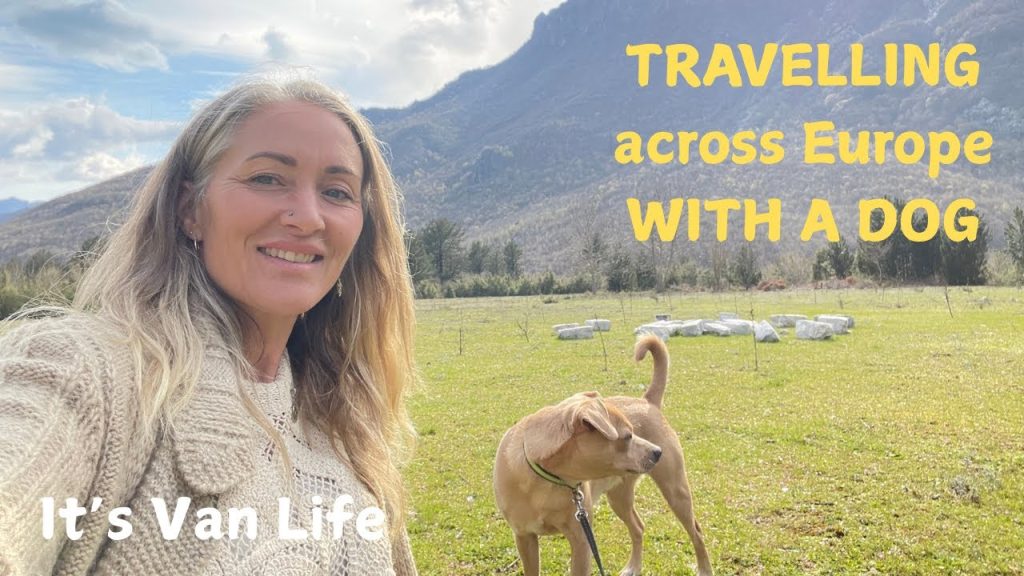

Traveling through Europe with your dog can be an unforgettable adventure. Imagine exploring charming streets, cozy cafes, and beautiful parks together.
But it’s not always easy—there are rules to follow, places to prepare for, and little details that can make or break your trip. If you want to make sure both you and your furry friend enjoy every moment, this guide is made just for you.
Keep reading to discover simple tips and insider secrets that will help you travel smoothly and create memories you’ll treasure forever.

Credit: www.eureporter.co
Choosing Dog-friendly Destinations
Choosing dog-friendly destinations in Europe makes traveling easier and more fun. Some places welcome pets with open arms. Others have strict rules or limited spaces for dogs. Picking spots where your dog feels safe and happy matters a lot. It helps you enjoy the trip without stress. Many cities, beaches, and countryside areas offer great options for pets.
Top Cities For Dogs
Several European cities are very welcoming to dogs. They have parks, pet cafes, and shops that cater to pets. Public transport often allows dogs, making it easy to explore.
- Amsterdam: Many parks and dog-friendly cafes.
- Berlin: Lots of green spaces and pet shops.
- Barcelona: Beaches and outdoor dining with pets allowed.
- Vienna: Dog parks and pet-friendly public transport.
Pet-friendly Beaches And Parks
Beaches and parks are great places for dogs to play and relax. Some beaches allow dogs all year, others only in certain months. Parks often have leash-free zones where dogs can run freely.
- Playa de Llevant, Spain: Dog-friendly beach with clean water.
- Vondelpark, Amsterdam: Large park with off-leash areas.
- Parc de la Ciutadella, Barcelona: Beautiful park with dog zones.
Exploring Countryside With Pets
The European countryside offers peaceful walks and fresh air. Many hiking trails welcome dogs but require leashes. Farms and rural stays often accept pets and offer space to roam.
- Lake District, UK: Scenic trails and pet-friendly inns.
- Black Forest, Germany: Forest paths and dog-friendly lodges.
- Provence, France: Open fields and pet-welcoming villages.
Preparing Your Dog For Travel
Preparing your dog for travel makes the journey smoother for both of you. It helps reduce stress and keeps your pet safe. Planning ahead ensures your dog feels comfortable in new places. You will enjoy exploring Europe together without worries.
Health Checks And Vaccinations
Visit the vet before your trip. Make sure your dog is healthy and fit to travel. Check vaccination records and update shots if needed. Some countries require specific vaccines for entry. Ask the vet about flea, tick, and worm treatments. Keep a copy of all health documents handy during travel.
Travel Essentials For Dogs
Pack a travel bag with important items. Include food and water bowls, enough food for the trip, and treats. Bring your dog’s favorite toys and a blanket or bed. Carry a leash, collar, and ID tags with your contact details. Don’t forget waste bags to clean up after your dog. A pet first aid kit is useful for minor injuries or emergencies.
Training Tips For Stress-free Trips
Practice short trips to get your dog used to travel. Use positive reinforcement with treats and praise. Teach your dog to stay calm in the car or on public transport. Introduce your dog to their travel carrier before the trip. Encourage rest and calm behavior during travel stops. This helps your dog feel safe and relaxed throughout the journey.
Transport Options With Pets
Traveling through Europe with a dog requires good planning for transport. Each mode of travel has its rules and comforts for pets. Choosing the right option can make your journey smoother. Consider your dog’s size, temperament, and health when selecting transport.
Flying With Your Dog
Many airlines allow dogs on board, but rules vary widely. Small dogs often travel in the cabin inside a carrier. Larger dogs usually go in the cargo hold, which is pressurized and temperature-controlled.
Book your pet’s spot early, as airlines limit the number of animals per flight. Check if your dog needs a health certificate or vaccinations. Prepare your dog with short trips in the carrier before flying.
Train Travel Across Europe
Trains are pet-friendly and offer a relaxed travel experience. Most European trains allow dogs, often for a small fee or free if the dog is small. Dogs usually must be on a leash and may need a muzzle in some countries.
Look for trains with pet-friendly cars or compartments. Bring water and a bowl to keep your dog hydrated. Plan breaks to let your dog stretch during long trips.
Car Trips And Road Safety
Traveling by car offers flexibility and comfort for your dog. Use a harness, crate, or dog seat belt to keep your pet safe. Never let your dog ride with its head out the window; it can be dangerous.
Stop every two hours for bathroom breaks and exercise. Keep the car well-ventilated and never leave your dog alone inside on warm days. Pack your dog’s favorite toys and snacks to keep them calm.

Credit: www.10adventures.com
Accommodation For You And Your Dog
Finding the right accommodation is a key part of traveling through Europe with your dog. Your lodging should feel welcoming for both you and your furry companion. Comfort, convenience, and clear pet policies can make all the difference in your trip’s success.
Pet-friendly Hotels And Rentals
Many hotels across Europe now welcome dogs, but their rules vary widely. Some may charge extra fees or limit your dog’s size. Others provide special amenities like dog beds or nearby walking areas.
Vacation rentals, such as Airbnb or Vrbo, often offer more space and privacy. You might find fenced gardens or quiet streets ideal for your dog’s routine. Always read the pet policy carefully and confirm directly with the host before booking.
Camping With Dogs
Camping is a fantastic way to keep your dog close to nature while traveling. Many campsites in Europe allow dogs, but check if they have leash rules or restricted areas. Some sites even offer dog-friendly activities or on-site pet services.
Remember to bring essentials like your dog’s bedding, food, and waste bags. Camping can be a great adventure, but ask yourself: does your dog enjoy busy campgrounds or prefer quieter spots?
Booking Tips And Policies
- Always verify pet policies before finalizing your stay.
- Ask about size limits, additional fees, and required documentation.
- Check if there are quiet hours or restrictions on leaving your dog alone.
- Look for places with easy access to outdoor spaces for walks.
- Reading recent reviews from other dog owners can reveal important insights.
Have you ever arrived at a hotel only to discover your dog isn’t actually welcome? Avoid that frustration by confirming all details upfront. This attention saves time and helps you focus on enjoying your European adventure together.
Dining Out With Your Dog
Dining out with your dog in Europe can be a fun experience. Many cafes and restaurants welcome pets, letting you enjoy meals together. Always check pet rules and bring water and treats for your furry friend.
Dining out with your dog in Europe can be a delightful experience. Many European cities embrace a pet-friendly culture. You and your furry friend can enjoy meals together. This guide will help you navigate dining options with your dog.Restaurants That Welcome Pets
Many European restaurants welcome dogs. They often have signs indicating pet-friendly status. In cities like Paris and Berlin, dogs are common dining companions. Some places even offer special dog menus. Always call ahead to confirm their pet policy.Outdoor Cafes And Dog Etiquette
Outdoor cafes are perfect for dining with dogs. They provide a relaxed environment for pets and owners. Keep your dog on a leash and close to your table. Ensure your dog is calm and well-behaved. This makes dining pleasant for everyone.Packing Treats And Water
Always pack treats and water for your dog. A travel bowl is handy for on-the-go hydration. Treats can help reward good behavior. They keep your dog occupied while you enjoy your meal. Being prepared ensures a smooth dining experience.Legal Requirements And Documentation
Traveling through Europe with a dog requires careful preparation. Understanding legal requirements and documentation is key. Different countries have specific rules to follow. This section explains the essential documents and laws.
Pet Passports And Microchips
A pet passport is a must for dogs traveling in Europe. It shows your pet’s identity and health records. Your dog must have a microchip implanted. The microchip helps identify your dog easily. The pet passport includes vaccination details. Rabies vaccination is mandatory and must be current. Without these, your dog may be denied entry.
Quarantine Rules
Most European countries do not require quarantine if rules are met. Your dog must have proper vaccinations and a pet passport. Some countries have strict rules for dogs from outside the EU. Quarantine periods can last from a few days to weeks. It is important to check each country’s quarantine policy. Plan your travel to avoid unexpected delays or costs.
Leash Laws And Local Regulations
Leash laws differ across Europe. Many places require dogs to be on a leash in public. Some parks or beaches may have special rules. Always clean up after your dog to avoid fines. Certain breeds may face restrictions or bans in some countries. Knowing local laws helps avoid penalties and ensures safety. Respect local customs for a smooth travel experience.
Health And Safety On The Road
Traveling through Europe with a dog needs careful attention to health and safety. Your dog’s well-being is key for a happy trip. Planning ahead helps avoid many problems on the road. Knowing how to handle emergencies, having proper insurance, and keeping your dog comfortable makes the journey smooth and safe.
Dealing With Emergencies
Emergencies can happen anytime. Keep a list of nearby vets in every city you visit. Carry a pet first aid kit with essentials like bandages and antiseptics. Learn basic pet first aid skills. Know the signs of illness or injury in your dog. Quick action can save your dog’s life. Keep your dog’s medical records handy for vets. Have emergency contact numbers saved on your phone.
Travel Insurance For Pets
Pet travel insurance protects against unexpected costs. It covers vet bills, accidents, and illnesses abroad. Choose a plan that includes emergency care and trip cancellations. Read the policy carefully to understand coverage limits. Some plans cover lost pets or theft. Insurance gives peace of mind during your trip. Compare different plans for the best fit for your dog’s needs.
Keeping Your Dog Comfortable
Comfort affects your dog’s health on the road. Provide a cozy bed or blanket in the car or carrier. Keep water and food available during stops. Avoid feeding right before travel to prevent sickness. Take regular breaks for walks and bathroom stops. Protect your dog from extreme temperatures in the vehicle. Use a harness or crate to keep your dog safe while moving. Watch your dog’s behavior for signs of stress or discomfort.
Activities To Enjoy Together
Traveling through Europe with your dog opens a world of shared experiences. Enjoying activities together strengthens your bond and makes the journey memorable. Europe offers many options where both you and your dog can have fun safely and happily.
Hiking And Outdoor Adventures
Europe has countless trails perfect for dogs and owners. Explore forests, mountains, and countryside paths. Many parks welcome dogs off-leash, allowing them to roam freely. Bring water and snacks for both of you. Dress your dog for weather changes. Hiking builds energy and keeps your dog healthy. Always follow local rules to protect nature and pets.
Dog-friendly Attractions
Many European cities have parks, beaches, and cafes that welcome dogs. Visit open-air markets where dogs can walk beside you. Museums and gardens may allow dogs on leashes. Some historical sites have special pet areas. Research places ahead to find dog-friendly spots. This makes sightseeing easier and more fun for your dog. Enjoy relaxed walks and breaks at pet-friendly stops.
Socializing With Other Pets
Meeting other dogs helps your pet feel happy and less stressed. Dog parks and pet events offer great chances to socialize. Watch your dog’s behavior and respect other pets’ space. Social time builds confidence and good manners. Join local dog groups or walking tours to meet people and pets. These moments create joyful memories for both of you on the road.

Credit: www.youtube.com
Frequently Asked Questions
Can I Travel With My Dog On European Public Transport?
Yes, most European public transport allows dogs, often requiring a leash or carrier. Always check specific country rules before traveling.
What Documents Are Needed To Travel With A Dog In Europe?
You need a valid pet passport, microchip, rabies vaccination, and sometimes a recent health certificate for your dog.
Are There Pet-friendly Accommodations Across Europe?
Yes, many hotels, hostels, and vacation rentals welcome dogs. Always confirm pet policies and fees before booking.
How Can I Keep My Dog Safe During European Travels?
Use a sturdy leash, avoid extreme weather, pack familiar items, and ensure regular food, water, and rest breaks.
Conclusion
Traveling through Europe with your dog can be a joyful experience. Plan well to keep your pet safe and happy. Check rules for each country before you go. Carry important documents and pet supplies at all times. Explore dog-friendly parks, cafes, and trails together.
Enjoy the journey and make great memories with your furry friend. A little preparation makes travel smooth and fun for both of you. Embrace the adventure and share special moments with your dog across Europe.
