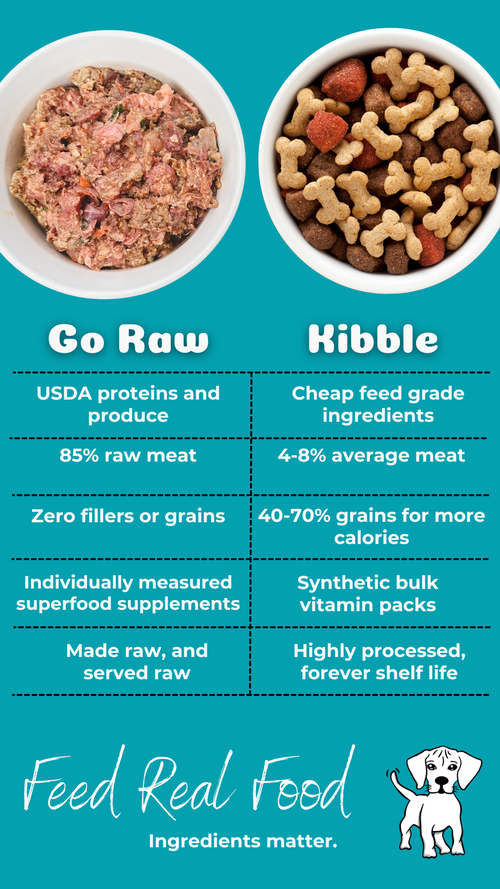

Are you wondering if raw foods are really healthy for your dog? With so many opinions out there, it’s easy to feel confused about what to feed your furry friend.
You want the best for your dog’s health and happiness, but is raw food the right choice? This article will help you understand the benefits and risks, so you can make a confident decision for your dog’s diet. Keep reading to discover the truth about raw foods and how they might affect your dog’s well-being.
Benefits Of Raw Diets
Switching your dog to a raw diet can bring noticeable benefits that go beyond just changing their meals. Many dog owners see improvements in health and energy levels, which makes you wonder—what exactly makes raw diets so effective? Let’s look closely at how raw foods can positively impact your furry friend’s well-being.
Nutrient Retention
Raw foods keep most of the natural nutrients intact. Cooking often reduces vitamins and minerals, but feeding raw means your dog gets more of these essentials. This can lead to better overall health and a stronger immune system.
Think about it: when you eat fresh fruits and veggies instead of canned ones, you get more vitamins. The same idea applies to your dog’s food. Raw diets often include organs and bones, which are packed with nutrients that processed kibble can’t match.
Improved Digestion
Many dogs on raw diets experience smoother digestion and fewer tummy troubles. Raw foods are closer to what dogs’ ancestors ate, so their bodies often handle these meals better. You might notice less gas, firmer stools, and less bloating.
Adding raw meaty bones can also help clean teeth and reduce plaque, which benefits digestion indirectly. If your dog has had sensitive digestion, a raw diet might be worth trying to see if it brings relief.
Enhanced Coat And Skin Health
Have you ever noticed your dog’s coat looking dull or their skin irritated? Raw diets often improve coat shine and skin condition thanks to higher fat content and essential fatty acids. These nutrients are vital for healthy skin and a glossy coat.
Owners frequently report softer fur and less itching after switching to raw feeding. If your dog scratches a lot or has dry skin, this could be a sign that their diet needs a change—raw foods might be the answer.

Credit: wefeedraw.com
Potential Risks To Consider
Feeding raw food to dogs has gained popularity but carries certain risks. Understanding these dangers helps pet owners make safer choices. Some risks can affect your dog’s health seriously.
Bacterial Contamination
Raw meat can contain harmful bacteria like Salmonella and E. coli. These bacteria cause illness in dogs and humans. Handling raw food requires strict hygiene to reduce contamination. Cross-contamination in the kitchen is a common problem. Dogs with weak immune systems are more vulnerable to infections.
Nutritional Imbalances
Raw diets may lack essential nutrients or have too much of some. Imbalanced meals can lead to long-term health issues. Dogs need a proper mix of protein, fats, vitamins, and minerals. Homemade raw diets often miss calcium and phosphorus. Consulting a vet or pet nutritionist ensures balanced feeding plans.
Choking And Bone Hazards
Raw bones can break into sharp pieces and cause choking. Bones may puncture or block the digestive tract. Small bones pose a high choking risk, especially for small dogs. Cooked bones are more brittle and dangerous than raw. Always supervise your dog while eating bones and remove small fragments.
Expert Recommendations
When it comes to feeding your dog a raw diet, expert recommendations are crucial. While many dog owners have successfully adopted this approach, it’s important to ensure that it’s both safe and beneficial for your pet. Let’s delve into some key expert advice to guide you in making informed decisions for your furry friend.
Consulting Veterinarians
Before making any changes to your dog’s diet, consult your veterinarian. They can provide personalized advice based on your dog’s specific health needs and history. A vet can help you understand potential risks and benefits, offering peace of mind that you’re making the right choice.
I once thought I knew what was best for my dog, but after a vet visit, I realized how much more there was to learn. Your vet is a valuable resource in ensuring your dog’s diet supports their overall health.
Choosing Quality Ingredients
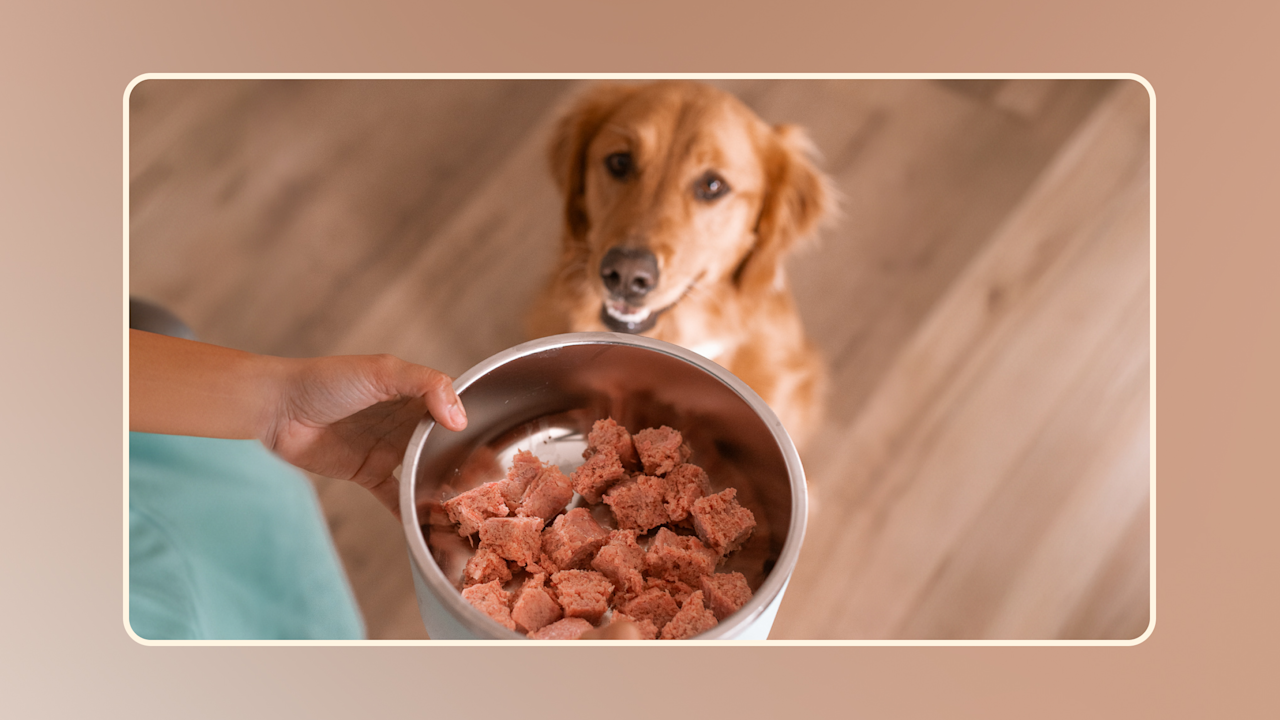
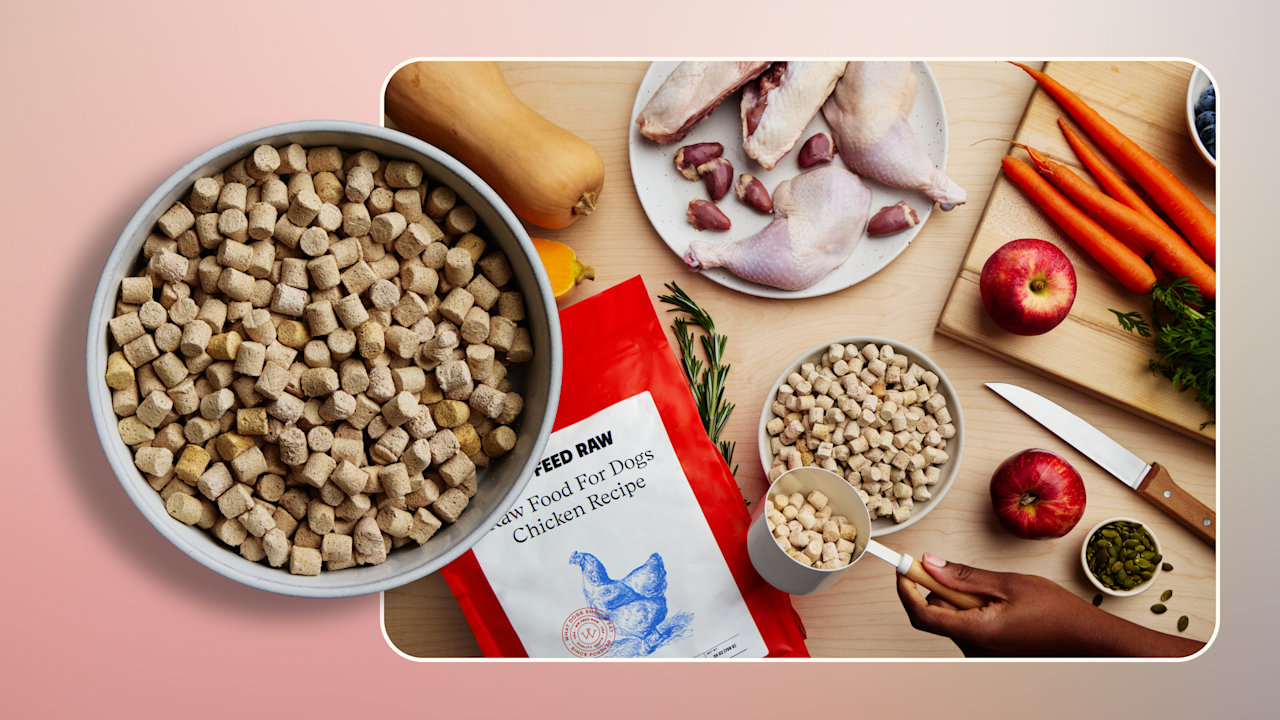
The quality of ingredients is critical in a raw diet. Ensure you’re selecting fresh, high-quality meats and produce. Avoid any items that might be contaminated or unsuitable for dogs, like certain bones or raw fish.
Consider visiting local farmers’ markets or trusted butchers to source your ingredients. This approach not only supports local businesses but also gives you direct insight into the quality of your dog’s food.
Balancing The Diet
A raw diet needs to be balanced with the right nutrients. It’s not just about feeding raw meat; dogs require a mix of proteins, fats, and essential vitamins. Overlooking this balance could lead to health issues.
Would you feel confident eating only one type of food every day? Your dog needs diversity in their diet too. Consider using a nutritionist-approved plan or recipes to ensure your dog gets all the nutrients they need.
Credit: wefeedraw.com
Transitioning To Raw Foods
Switching your dog to a raw food diet requires patience and careful planning. Abrupt changes can upset your dog’s digestion and cause unnecessary stress. Taking time to transition helps your dog’s body adjust smoothly to the new nutrients and textures.
Gradual Introduction
Start by mixing a small amount of raw food with your dog’s current diet. For example, begin with 10% raw food and 90% regular kibble for a few days. Slowly increase the raw portion over one to two weeks until your dog is eating 100% raw.
This slow shift prevents digestive issues like diarrhea or vomiting. It also gives your dog time to get used to new smells and flavors. Have you noticed how your dog reacts to new foods? Watch closely and adjust the pace accordingly.
Monitoring Your Dog’s Response
Watch your dog’s energy levels, stool quality, and overall behavior during the transition. Healthy stools are firm but not hard, with minimal odor. If you see loose stools or lethargy, slow down the transition or consult your vet.
Keep a daily log of any changes you notice. This helps you pinpoint which raw foods suit your dog best. Remember, each dog is unique—what works for one might not work for another.
Adjusting Portions And Components
Balance is key. Raw diets usually include muscle meat, organs, and bones. Pay attention to how your dog responds to different parts and adjust portions accordingly.
If your dog shows signs of discomfort or picky eating, try swapping out certain proteins or adding supplements like fish oil. You might find your dog prefers chicken over beef or tolerates certain vegetables better. Have you experimented with various ingredients yet?
Comparing Raw And Commercial Diets
Choosing between raw and commercial diets for your dog is a decision that affects their health and your daily routine. Both options offer benefits and challenges that are important to understand. Let’s break down how they compare in key areas that matter most to you and your furry friend.
Nutritional Completeness
Raw diets often promise a more natural way to feed dogs, with fresh meats, bones, and organs. However, it can be tough to ensure your dog gets all the vitamins and minerals they need without careful balancing. Commercial diets, on the other hand, are formulated to meet specific nutritional standards and are tested for completeness.
Have you ever wondered if feeding raw actually covers every nutrient your dog requires? Many pet owners find themselves supplementing raw diets to avoid deficiencies, which can be tricky without guidance. Commercial diets offer peace of mind since they’re designed to provide a full nutrient profile right out of the bag.
Convenience And Cost
Feeding raw often means more prep time, including thawing, cutting, and cleaning up after meals. This can add up, especially if you have a busy schedule. Commercial dog food is much easier to store and serve, saving you valuable time.
Cost is another factor to consider. Raw ingredients can be expensive and may spoil faster, leading to more waste. Commercial diets vary widely in price but usually have a longer shelf life and less risk of spoilage. What fits better into your lifestyle and budget might be the key to consistent feeding.
Safety And Regulation
Raw foods carry a higher risk of bacterial contamination like Salmonella or E. coli, which can affect both your dog and your household. Handling raw meat requires strict hygiene to minimize these risks. Commercial dog foods undergo rigorous testing and follow strict regulations to ensure safety.
Are you prepared to manage the risks that come with raw feeding? Many owners who switch to raw diets invest in extra cleaning and careful sourcing of ingredients. Commercial diets provide a safer option if you want to avoid these worries while still nourishing your dog well.
Common Myths About Raw Feeding
Raw feeding has gained popularity among dog owners. Despite this, many myths still surround this feeding style. These myths can confuse pet parents about what is truly best for their dogs. Understanding these misconceptions helps make better feeding choices.
Raw Diets Cure All
Some people believe raw diets fix all dog health issues. This is not true. No single diet can solve every problem. Dogs have different needs and health conditions. Raw feeding may help some dogs but not all. Always consult a vet for health problems.
Commercial Food Is Unsafe
Many think commercial dog foods are full of harmful ingredients. Quality commercial foods follow strict safety rules. They provide balanced nutrition for most dogs. Some brands use high-quality ingredients and careful processing. Not all commercial foods are bad or unsafe.
All Dogs Thrive On Raw
Raw diets do not suit every dog. Some dogs have sensitive stomachs or health issues. Raw food can cause digestive upset in these cases. Puppies, seniors, and dogs with weak immune systems need special care. Observe your dog’s reaction before switching diets.
Credit: wefeedraw.com
Frequently Asked Questions
What Are The Benefits Of Feeding Raw Food To Dogs?
Raw food can improve your dog’s coat, energy, and digestion. It offers natural nutrients and fewer additives than processed kibble. Many owners report healthier teeth and reduced allergies with a raw diet.
Are Raw Diets Safe For All Dog Breeds?
Raw diets can be safe for most breeds if balanced properly. Consult a vet to ensure nutritional needs are met. Some dogs with health issues may require special diets.
How Do I Start A Raw Food Diet For My Dog?
Transition gradually by mixing raw food with current meals over 7-10 days. Monitor your dog for any digestive upset. Always use fresh, high-quality ingredients and consult your vet.
Can Raw Food Cause Health Risks For Dogs?
Improperly prepared raw food can harbor bacteria like Salmonella. Always handle raw ingredients hygienically and source from trusted suppliers. Consult your vet to minimize risks.
Conclusion
Feeding raw food to your dog can have benefits and risks. It may improve coat shine and energy but can also cause health issues. Always talk to your vet before changing your dog’s diet. Balance and safety matter most for your pet’s health.
Choose quality ingredients and handle raw food carefully. Watch your dog’s reaction closely after switching foods. Your dog’s well-being depends on good choices and care. Raw food isn’t for every dog, but it might work well with the right approach.

