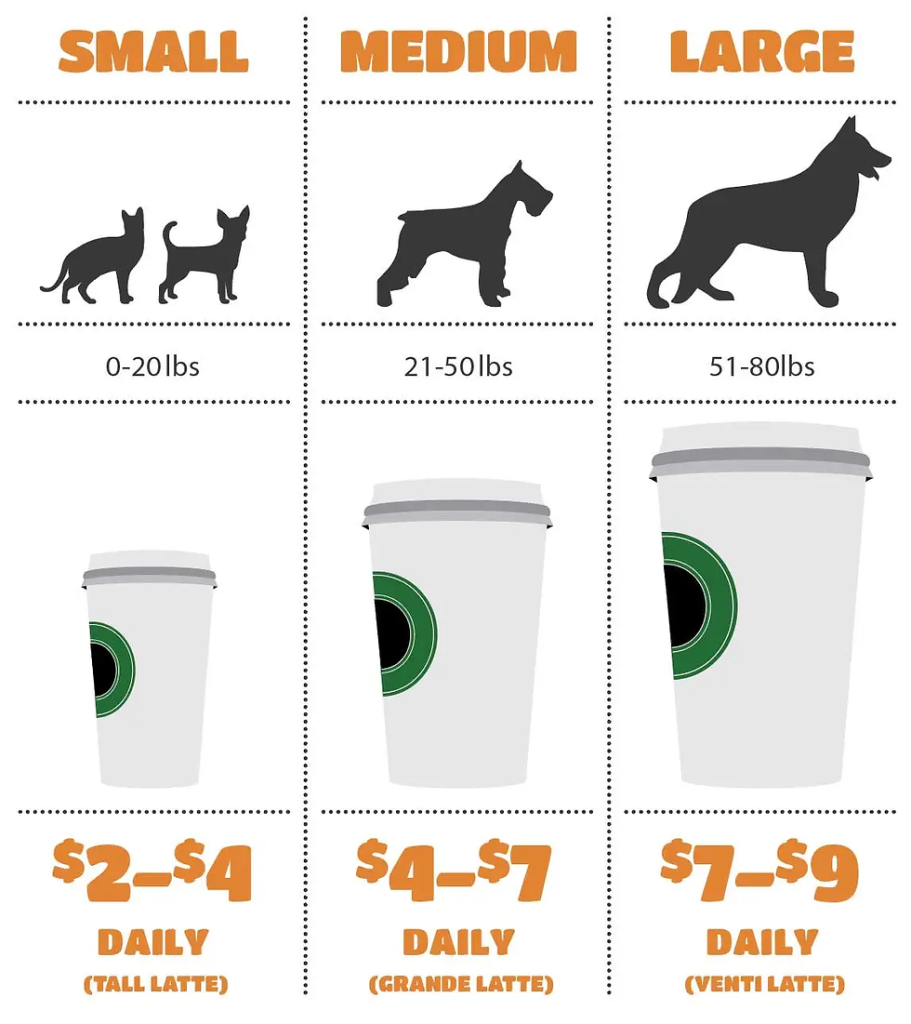

Are you wondering if feeding your dog a raw food diet could save you money? You’re not alone.
Many dog owners ask the same question when they hear about raw feeding. It sounds healthy and natural, but is it really cheaper? Before you make any changes to your dog’s meals, it’s important to understand the costs involved. Keep reading to discover the truth about raw food diets and how they might affect your budget—and your dog’s health.
This could change the way you think about your pet’s food forever.

Credit: wefeedraw.com
Cost Breakdown Of Raw Food Diets
Switching to a raw food diet for dogs brings questions about costs. Understanding the cost breakdown helps to decide if this diet fits your budget. Different factors influence the total expense. These include the ingredients, time spent preparing meals, and how to store the food safely.
Ingredients And Sourcing
Raw food diets require fresh meats, bones, and vegetables. High-quality ingredients can be pricey. Buying from local farms or bulk suppliers may lower costs. Choose cuts that balance nutrition and price. Organ meats provide essential nutrients but cost less than prime cuts. Seasonal vegetables add variety and save money.
Preparation Time And Effort
Preparing raw meals takes more time than serving commercial kibble. Washing, chopping, and mixing ingredients can take 20 to 30 minutes daily. Some owners batch-prepare meals for the week. Time spent affects the overall cost, especially if you value your time highly. Simple recipes reduce prep time and effort.
Storage And Shelf Life
Raw food must stay frozen or refrigerated to stay safe. Large freezer space may be necessary for batch storage. Storage costs include electricity and possible freezer upgrades. Raw food has a shorter shelf life than kibble. Planning meals carefully helps avoid food waste and extra expenses.

Credit: allrawdogfood.ca
Comparing Raw Food With Commercial Dog Food
Choosing between raw food and commercial dog food involves several factors. Price, nutrition, and health effects play big roles. Each type offers unique benefits and costs. Understanding these differences helps pet owners make better choices for their dogs.
Price Differences Per Serving
Raw food often appears more expensive per serving. Fresh meats and ingredients cost more than processed kibbles. Commercial dog food benefits from mass production, lowering its price. Bulk buying raw food can reduce costs. Homemade raw diets need time and effort, adding hidden expenses.
Nutritional Value And Quantity
Raw food provides natural proteins, fats, and enzymes. It usually contains fewer fillers and additives than commercial food. Dogs may need less raw food by weight due to higher nutrient density. Commercial dog food is balanced but can contain grains and preservatives. Portion sizes vary depending on the dog’s needs and food type.
Long-term Health Impacts
Raw diets may improve coat shine, energy, and digestion. Some dogs show fewer allergies and dental issues on raw food. Commercial dog food supports health with fortified vitamins and minerals. Poor-quality kibble might lead to obesity or nutrient gaps. Vet advice is important before changing diets.
Hidden Savings With Raw Feeding
Raw feeding can reduce costs by using whole ingredients and limiting processed foods. Buying in bulk and preparing meals at home often saves money compared to commercial dog food. This diet may also lower vet bills by improving your dog’s health naturally.
Hidden Savings with Raw Feeding Switching to a raw food diet for your dog might seem like a costly endeavor at first glance. However, there are numerous hidden savings that many dog owners discover over time. Let’s explore some of these cost-saving aspects that might surprise you.Reduced Vet Visits And Medical Costs
Feeding your dog raw food can lead to better overall health. With fewer health issues, you’ll likely find yourself making fewer trips to the vet. This means reduced bills for treatments and medications, saving you a significant amount over the years.Less Waste And Packaging
Raw feeding often involves buying in bulk and using fresh ingredients. This approach drastically cuts down on waste and packaging compared to commercial dog foods. Not only does this benefit the environment, but it also reduces your trash disposal costs.Customizable Portions And Reduced Overfeeding
With raw feeding, you have full control over portion sizes. Tailoring meals to your dog’s specific dietary needs prevents overfeeding, which often leads to obesity and related health problems. By maintaining your dog’s ideal weight, you sidestep potential health issues and associated costs. Have you noticed these hidden savings in your own experience with raw feeding? Or are you considering the switch for its long-term benefits?Potential Extra Costs To Consider
Switching your dog to a raw food diet might seem straightforward at first, but there are hidden costs that can add up quickly. These extra expenses go beyond just buying meat and veggies. Understanding these costs helps you make a realistic budget and avoid surprises down the line.
Supplements And Additives
Raw diets often need supplements to ensure your dog gets all necessary nutrients. Calcium, fish oil, and vitamins might be required to balance the meals properly. Skipping these can lead to health problems, which could cost more in vet bills later.
Buying supplements can increase your monthly expenses. Some brands are pricey, so you’ll need to shop around. Have you checked if your local pet store stocks these, or will you rely on online orders?
Equipment And Tools
Preparing raw meals means investing in specific tools. A good quality meat grinder or food processor is almost essential for making meals at home. Without these, you might end up buying pre-ground raw food, which is usually more expensive.
Storage is another factor—freezers or extra fridge space are needed to keep the food fresh. Think about your kitchen setup: do you have enough space, or will you need to rearrange or buy new appliances? These costs can sneak up on you.
Time Investment
Raw feeding takes time. You’ll spend hours planning, shopping, preparing, and cleaning up after meals. This time could be seen as a cost, especially for busy pet owners.
Consider if you have the daily availability and patience to commit. If not, you might end up paying for pre-made raw meals or pet feeding services. What’s your time worth compared to the cost of convenience?
Tips For Budget-friendly Raw Feeding
Feeding dogs a raw food diet can seem costly at first. Smart shopping and meal prep can cut costs. Simple strategies help keep raw feeding affordable. These tips support your budget and your dog’s health.
Buying In Bulk And Seasonal Shopping
Purchase raw ingredients in large amounts to lower price per pound. Many stores offer discounts for bulk buying. Freeze portions to keep food fresh longer. Choose seasonal meats and produce for better prices. Seasonal items often taste better and cost less.
Using Local And Sustainable Sources
Local farms and markets provide fresh, affordable options. Supporting local sellers can reduce transportation costs. Sustainable sources often offer high-quality meat at fair prices. Ask farmers about deals or leftover cuts. These can be nutritious and budget-friendly.
Diy Meal Preparation Strategies
Preparing meals at home saves money compared to ready-made raw diets. Mix ingredients yourself to control costs and quality. Use simple recipes with fewer, affordable ingredients. Store meals in portioned containers for easy feeding. Homemade meals let you adjust based on your budget and dog’s needs.
Real Owner Experiences And Case Studies
Real owner experiences provide valuable insight into the cost of feeding dogs a raw food diet. These stories reveal how pet parents manage expenses and the impact on their dogs’ health. Case studies highlight practical details that numbers alone cannot show.
Many owners share their monthly spending and compare it with traditional dog food costs. Challenges such as sourcing quality ingredients and meal prep time come up often. Learning how others balance cost and health helps new raw feeders make informed choices.
Cost Comparisons From Raw Feeders
Some owners report spending less than on premium kibble by buying in bulk. Others find raw diets more expensive due to organic or specialty items. Price varies widely by location and ingredient choice.
| Owner | Monthly Raw Food Cost | Monthly Kibble Cost | Notes |
|---|---|---|---|
| Sarah | $80 | $100 | Buys bulk meat from local farms |
| James | $120 | $90 | Uses organic ingredients |
| Linda | $75 | $75 | Mixes homemade with commercial raw |
Challenges Faced And Overcome
- Finding affordable, fresh ingredients in some areas
- Learning to prepare balanced meals safely
- Adjusting budget when prices fluctuate seasonally
- Managing extra time for meal prep and storage
Owners solve these by joining local co-ops or sharing bulk orders. Some use frozen raw options to save money and time. Others consult vets or nutritionists for guidance.
Balancing Cost With Dog’s Health
Many owners prioritize health over cost savings. They report fewer vet visits and better energy in their dogs. This sometimes offsets higher food costs.
Some mix raw with commercial food to reduce expenses. Others track changes in coat, digestion, and activity to judge diet success. Good health outcomes often justify the investment.

Credit: gorawpetfood.com
Frequently Asked Questions
Is A Raw Food Diet Cheaper Than Commercial Dog Food?
A raw food diet can be cheaper if you buy ingredients in bulk. However, it depends on your dog’s size and nutritional needs. Homemade raw diets often cost less than premium commercial foods but may require more preparation time and effort.
What Factors Affect The Cost Of A Raw Food Diet?
Factors include ingredient quality, sourcing, and portion size. Organic or specialty meats raise costs. Preparing meals at home saves money compared to pre-made raw diets, which tend to be pricier due to processing and packaging.
Can Raw Food Reduce Vet Expenses For Dogs?
Raw diets may improve digestion and coat health, potentially lowering vet visits. However, improper nutrition risks health issues. Always consult a vet to ensure the diet meets your dog’s needs and to avoid costly health problems.
How To Transition My Dog To A Raw Food Diet Affordably?
Gradually mix raw food with current meals over 7-10 days. Start with small portions to reduce waste. Shop for seasonal, local ingredients and buy in bulk to save money during the transition phase.
Conclusion
Choosing a raw food diet for your dog can save money in some cases. Fresh ingredients may cost less than processed dog food. But preparation time and nutritional balance matter too. Raw diets need care to keep dogs healthy and safe.
Homemade raw meals might not always be cheaper. Check prices and effort before deciding. Each dog and family is different. Finding what works best takes time and thought. Keep your dog’s health as the top priority.