
Are you wondering how much dry food your adult dog really needs each day? Feeding your dog the right amount is more important than you might think.
Too little food can leave your furry friend hungry and low on energy, while too much can lead to weight gain and health problems. You’ll discover simple tips to find the perfect balance for your dog’s diet. Keep reading to learn exactly how much dry food will keep your dog happy, healthy, and full of energy.
Daily Dry Food Needs
Knowing the right daily amount of dry food for your adult dog is key to keeping them healthy and happy. Feeding too little can leave your dog hungry and undernourished, while too much can lead to weight gain and related health problems. Understanding your dog’s daily dry food needs helps you provide balanced nutrition tailored to their unique lifestyle.
Factors Influencing Amount
Several factors affect how much dry food your dog needs each day. Age, breed, size, and metabolism all play a role. For example, a small breed dog like a Chihuahua will require less food than a large breed like a Labrador.
Health conditions and whether your dog is spayed or neutered also impact their calorie needs. Dogs recovering from illness might need more energy to heal, while less active dogs burn fewer calories. Have you noticed your dog’s appetite change with their activity or health? That’s a clue to adjust feeding amounts.
Calculating Portion Sizes
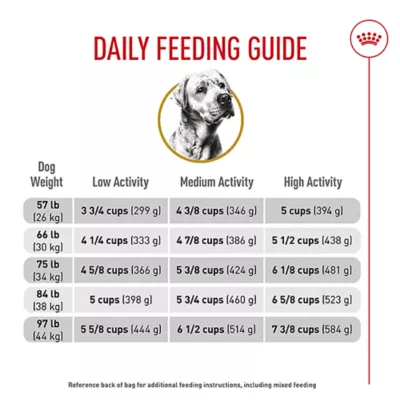
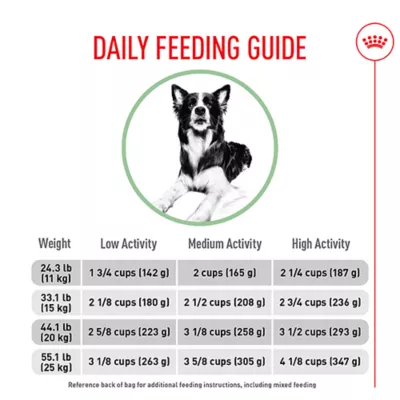
Start with the feeding guidelines on the dry food package, which usually recommend portions based on weight. These guidelines give a solid starting point but don’t replace observation. For example, a 50-pound dog might be suggested 2 to 3 cups daily, split into two meals.
Use a measuring cup to portion food precisely. Avoid free feeding to prevent overeating. Watching your dog’s body condition is the best way to fine-tune amounts—if their ribs are too visible, add a little more; if they’re gaining weight, reduce portions slightly.
Adjusting For Activity Level
Your dog’s daily energy expenditure changes with their activity. A dog that enjoys long walks, play sessions, or agility training needs more calories than a couch potato. You might increase their dry food by 10-20% on active days.
Conversely, if your dog is less active due to weather or aging, cutting back on food helps maintain a healthy weight. Have you tracked how your dog’s activity affects their hunger? Small adjustments based on daily routines make a big difference in their overall well-being.
Credit: www.petsmart.com
Choosing The Right Dry Food
Choosing the right dry food for your adult dog is important for their health and happiness. The right food supports energy, digestion, and overall wellness. Each dog has unique needs based on age, size, and activity level. Selecting dry food that fits these needs helps maintain their weight and vitality.
Nutritional Content
Check the nutritional label carefully. Look for balanced protein, fat, and fiber. Protein supports muscles and repair. Fat provides energy and helps absorb vitamins. Fiber aids digestion and keeps stools firm. Avoid foods with too many fillers or artificial additives. A good dry food meets standards set by pet health experts.
Quality Ingredients
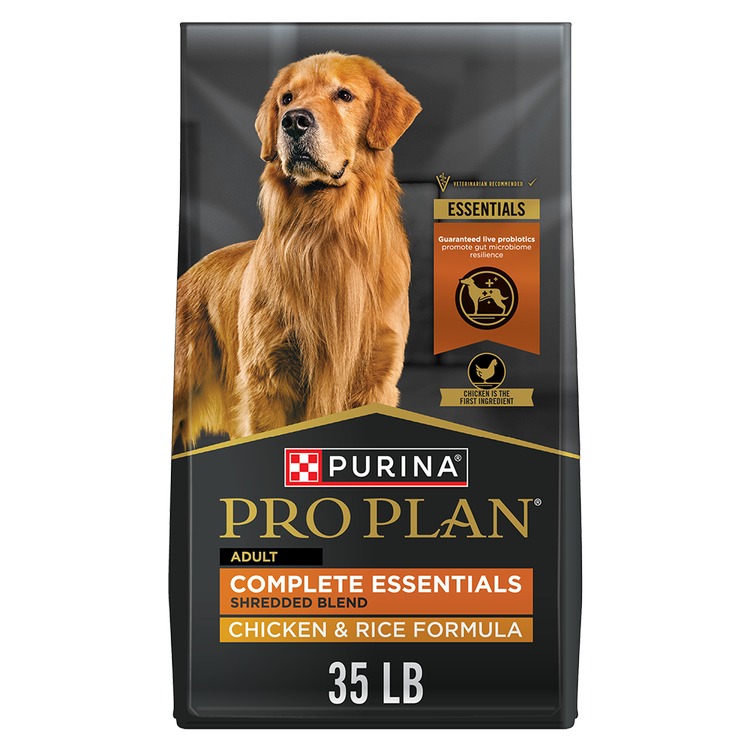
Ingredients matter more than marketing claims. Choose foods with real meat or fish as the first ingredient. Whole grains and vegetables add natural nutrients. Avoid foods with vague terms like “meat by-products” or “animal digest.” High-quality ingredients improve taste and nutrition. Fresh, natural ingredients help your dog feel their best.
Special Dietary Requirements
Some dogs need special diets due to allergies or health issues. Sensitive stomachs may require limited ingredient foods. Dogs with joint problems benefit from added glucosamine. Weight control formulas help overweight dogs stay healthy. Consult a vet to find the best dry food for specific needs. Tailoring food to health needs supports a long, happy life.
Feeding Frequency
Adult dogs typically eat dry food twice a day. The amount depends on their weight, age, and activity level. Feeding the right portion helps keep your dog healthy and energetic.
Feeding Frequency Finding the right feeding frequency for your adult dog can significantly impact their health and well-being. Just like humans, dogs thrive on routine and predictability. Knowing how often to feed your furry friend is crucial in maintaining their energy levels and overall health.Meal Timing Tips
Establishing a consistent meal schedule is essential. Most adult dogs do well with two meals per day, spaced around 12 hours apart. Consider feeding in the morning and evening, which aligns with natural canine activity patterns. Consistency is key. Try to feed your dog at the same times each day to create a sense of routine. This helps regulate their digestion and keeps their metabolism steady.Portion Control Strategies
Determining the right portion size is just as important as timing. Overfeeding can lead to obesity, while underfeeding may cause malnutrition. Use the feeding guidelines on your dog’s food packaging as a starting point, but adjust based on their activity level and weight. Monitor your dog’s body condition. You should be able to feel but not see their ribs. If you’re unsure, consult with your veterinarian for personalized advice. Remember, treats count too! Be mindful of the extra calories from treats and adjust meal portions accordingly. This helps maintain your dog’s ideal weight and prevents unwanted weight gain. Feeding frequency and portion control go hand in hand in ensuring your dog’s optimal health. Have you ever noticed changes in your dog’s behavior with different feeding schedules?Monitoring Your Dog’s Weight
Monitoring your dog’s weight is key to keeping them healthy. Dogs need the right amount of food to stay fit and active. Too much or too little dry food can cause health problems. Watching their weight regularly helps you adjust their diet as needed. This keeps your dog strong and happy.
Identifying Healthy Weight
Check your dog’s ribs by feeling them gently. You should feel ribs without pressing hard. Look for a waist behind the ribs when viewed from above. The belly should tuck up when seen from the side. A healthy dog has a shiny coat and good energy.
Signs Of Overfeeding
- Ribs are hard to feel under thick fat
- No visible waist or belly tuck
- Dog becomes less active or tires quickly
- Excess weight can lead to joint pain
Signs Of Underfeeding
- Ribs and spine are very visible
- Loss of muscle and energy
- Dull or dry coat
- Increased hunger or begging for food
Common Feeding Mistakes
Feeding your adult dog dry food might seem straightforward, but many dog owners fall into common traps that can affect their pet’s health and happiness. Avoiding these mistakes can make a huge difference in your dog’s well-being and energy levels.
Overfeeding Risks
Giving your dog more dry food than needed can quickly lead to weight gain. Excess weight puts strain on joints and can cause health problems like diabetes and heart disease.
Think about your dog’s activity level and size before scooping out food. Have you noticed your dog gaining weight or becoming less active? That might be a sign you’re feeding too much.
Ignoring Individual Needs
Not all dogs have the same dietary needs, even if they are the same breed or size. Age, metabolism, and health conditions all affect how much dry food your dog requires.
Pay attention to your dog’s unique traits. A senior dog might need fewer calories, while an active working dog may need more. Are you adjusting portions based on your dog’s changing life stage?

Credit: forthglade.com
Adjusting Food Amounts Over Time
Adjusting the amount of dry food for an adult dog is important as they grow and change. Dogs do not need the same amount of food their entire life. Their needs vary with age, activity, and health. Feeding the right amount helps keep them healthy and active. Watch your dog’s weight and energy to know when to adjust their food.
Age-related Changes
As dogs get older, their metabolism slows down. They burn fewer calories and may need less food. Senior dogs often become less active, so feeding the same amount can cause weight gain. Puppies and young adults need more food for growth and energy. Adjust food portions gradually as your dog ages.
Health Conditions Impact
Health problems can change a dog’s food needs. Dogs with illnesses like diabetes or kidney disease may need special diets. Some health conditions lower appetite, requiring smaller, more frequent meals. Others increase energy needs, so food portions might need to rise. Always consult a vet for the best feeding plan during health issues.
Credit: www.purina.com
Frequently Asked Questions
How Much Dry Food Should An Adult Dog Eat Daily?
An adult dog typically needs 2-3% of its body weight in dry food daily. Adjust portions based on activity and metabolism.
Does Dog Size Affect Dry Food Quantity?
Yes, larger dogs require more dry food than smaller breeds. Portion size depends on weight, age, and activity level.
How To Measure Dry Food For Adult Dogs?
Use a standard measuring cup for accuracy. Follow feeding guidelines on the dog food package for portion size.
Can Overfeeding Dry Food Harm My Dog?
Yes, overfeeding can cause obesity and health issues. Always feed the recommended amount to maintain a healthy weight.
Conclusion
Feeding your adult dog the right amount of dry food keeps them healthy. Watch their weight and energy to adjust portions as needed. Every dog is different, so pay attention to their needs. Consult your vet for advice tailored to your dog.
Proper feeding helps your dog live a happy, active life. Small changes make a big difference in their health. Simple care goes a long way for your furry friend.