Are you wondering if you can feed your dog adult food right now? It’s a common question for many pet owners like you.
Choosing the right food is key to keeping your furry friend happy and healthy. But is adult dog food the best choice for your pup at this moment? Keep reading to discover what experts say, what you need to watch out for, and how to make the best decision for your dog’s well-being.
Your pet’s health could depend on it.
Choosing The Right Dog Food
Choosing the right dog food is a crucial decision that directly affects your dog’s health and happiness. With many options available, understanding what suits your dog’s current life stage can make feeding time easier and more effective. Let’s break down how adult dog food differs from puppy food and what to look for on the label to ensure your furry friend gets exactly what they need.
Differences Between Puppy And Adult Food
Puppy food is designed to support rapid growth and development. It usually contains higher calories, protein, and fat to fuel their energy and build strong muscles and bones.
Adult dog food, on the other hand, focuses on maintaining health rather than growth. It has balanced nutrients to avoid weight gain and support overall well-being. Feeding adult food to a puppy might slow their growth, while feeding puppy food to an adult dog could lead to unnecessary weight gain.
Nutritional Needs Of Adult Dogs
Adult dogs need nutrition that helps maintain muscle tone, supports joint health, and provides steady energy throughout the day. Their metabolism slows down compared to puppies, so too many calories can cause weight issues.
Look for food with adequate protein, moderate fat, and added vitamins like omega-3 fatty acids for coat and brain health. Fiber is also important to keep their digestion smooth.
Reading Dog Food Labels
Labels can be confusing, but knowing what to look for can help you make a smart choice. Check the guaranteed analysis for protein, fat, fiber, and moisture percentages.
- Protein:Should be high enough to maintain muscle but not excessive.
- Fat:Provides energy but should be balanced to prevent weight gain.
- Fiber:Helps with digestion and bowel health.
- Ingredients:Look for named meat sources like “chicken” or “beef,” not vague terms like “meat meal.”
Have you ever checked your dog’s food label and wondered what those percentages really mean? Taking a few minutes to understand can save you from overfeeding or underfeeding your dog.
When To Switch To Adult Food
Knowing the right time to switch your dog to adult food is important for their health. Puppies and adult dogs have different nutritional needs. Feeding the right food supports growth and keeps your dog strong. Watch for specific signs and follow age guidelines to make the change smoothly.
Age Guidelines For Switching
Most dogs switch to adult food between 12 and 18 months old. Small breeds often move earlier, around 12 months. Larger breeds may need puppy food until 18 months or longer. Breed size affects growth speed and nutrient needs. Check your dog’s breed to follow the right timing.
Signs Your Dog Is Ready
- Steady weight and size growth
- Lower energy levels than puppy stage
- Less need for high protein and fat
- Good dental development
These signs suggest your dog’s body is maturing. Transitioning to adult food supports their changing metabolism and health.
Consulting Your Veterinarian
Your vet can give personalized advice for your dog’s diet. They know your dog’s health history and breed needs. A vet visit helps avoid feeding mistakes. Discuss your dog’s growth, activity, and any health issues before switching food.
Feeding Tips For Adult Dogs
Adult dogs need balanced meals made for their age to stay healthy and active. Feeding them adult dog food provides the right nutrients and energy levels. Always check labels to ensure the food suits your dog’s size and health needs.
Feeding Tips for Adult Dogs Proper feeding is vital for adult dogs’ health and happiness. Knowing how to feed adult dogs ensures their well-being. Let’s explore essential feeding tips for adult dogs.Portion Control And Meal Frequency
Adult dogs need balanced portions to maintain a healthy weight. Overfeeding leads to obesity and health problems. Use a measuring cup for accurate portion sizes. Dogs’ needs vary by age, size, and activity level. Consult your vet to determine the right amount. Most adult dogs eat twice a day. This maintains energy levels and aids digestion. Set regular feeding times to create a routine. Dogs feel secure with consistent meal schedules.Balancing Treats And Meals
Treats are great for training and bonding. Yet, excess treats cause weight gain. Limit treats to 10% of your dog’s daily intake. Choose healthy treats with natural ingredients. Consider using small pieces of fruits or vegetables. Balance treats with meals to prevent overfeeding. Adjust meal portions when giving more treats. Keep an eye on your dog’s weight and adjust treat intake accordingly.Hydration And Diet
Hydration is crucial for your dog’s health. Always provide fresh, clean water. Dogs need water to regulate body temperature and aid digestion. Monitor water intake, especially in hot weather. Dry food helps keep teeth clean, while wet food increases hydration. Balance both types for optimal health. Consult your vet to choose the best diet for your dog. Adjust food types based on your dog’s needs and preferences.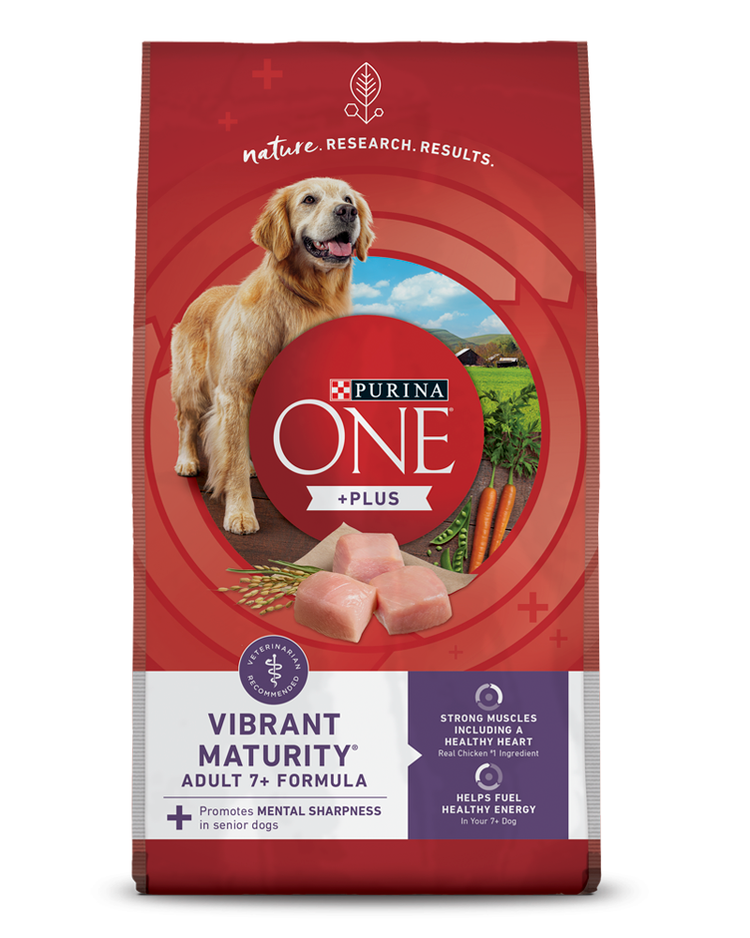
Credit: www.purina.com
Special Considerations
Feeding your dog adult food requires attention to several important factors. Dogs have different nutritional needs based on age, health, and sensitivities. Special care helps maintain their well-being and vitality. Understanding these considerations ensures your dog thrives on the right diet.
Diet For Senior Dogs
Senior dogs need fewer calories but more nutrients. Their metabolism slows down, so adult food might not be ideal. Look for formulas with joint support and antioxidants. These ingredients help maintain mobility and immune health. Choose food with easy-to-digest proteins and fiber for better digestion.
Managing Weight And Health Issues
Adult dog food may not suit dogs with weight problems. Overweight dogs require low-calorie and high-fiber diets. Dogs with health issues like diabetes or kidney disease need special diets. Consult your vet to find the best food type and portion size. Proper diet management supports long-term health and weight control.
Food Allergies And Sensitivities
Some dogs react to common ingredients in adult dog food. Signs include itching, upset stomach, or ear infections. Limited ingredient diets help identify allergens. Grain-free or hypoallergenic foods might be necessary. Always monitor your dog’s response to new food and adjust as needed.
Common Mistakes To Avoid
Feeding adult dog food might seem simple, but many pet owners make mistakes. These errors can affect your dog’s health and happiness. Avoiding common pitfalls helps keep your dog strong and active.
Overfeeding Adult Dogs
Giving too much food leads to weight gain and health problems. Adult dogs need fewer calories than puppies. Overfeeding can cause obesity, joint pain, and shortness of breath. Measure portions carefully and follow the feeding guide on the package.
Ignoring Nutritional Changes
Adult dogs have different needs than puppies. Their food must have the right balance of nutrients. Ignoring this change can cause nutrient deficiencies or excesses. Choose food made for adult dogs only. Check ingredient labels and protein levels regularly.
Feeding Human Food
Human food often contains harmful ingredients for dogs. Onions, chocolate, and grapes are toxic. Some foods cause stomach upset or allergies. Feeding scraps can lead to bad habits and unbalanced diets. Stick to dog food and safe treats to keep your pet healthy.
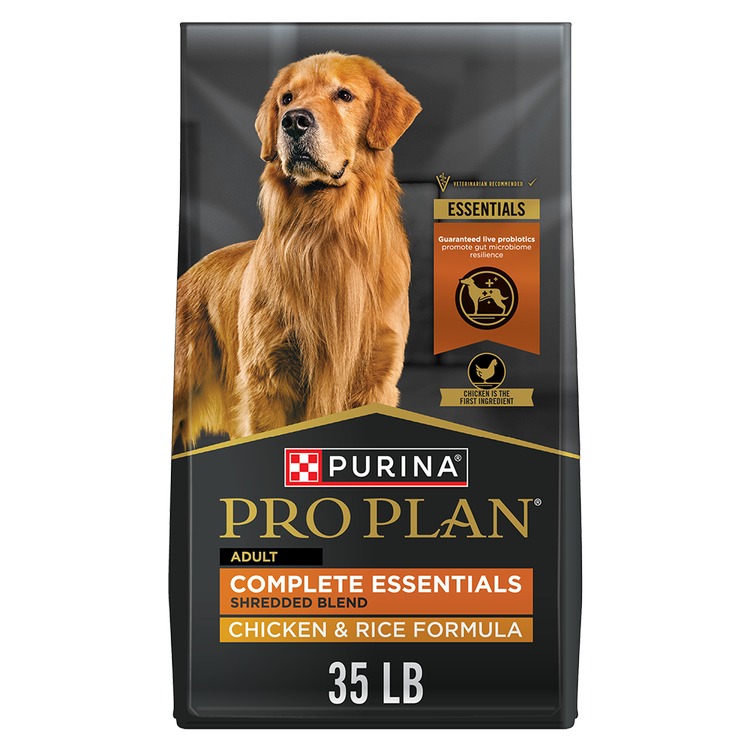
Credit: www.purina.com

Credit: jiminys.com
Frequently Asked Questions
Can I Feed Adult Dog Food To Puppies?
Feeding adult dog food to puppies is not recommended. Puppies need higher nutrients for growth. Adult food lacks essential vitamins and calories for healthy puppy development.
When Should I Switch My Dog To Adult Food?
Switch your dog to adult food around one year old. Large breeds may need to switch later. Consult your vet for the best timing based on breed and health.
Is Adult Dog Food Suitable For Senior Dogs?
Adult dog food may not meet senior dogs’ needs. Seniors require diets with joint support and lower calories. Specialized senior dog food is better for aging pets.
Can Feeding Adult Food Cause Health Issues In Puppies?
Yes, feeding adult food to puppies can cause nutrient deficiencies. This can lead to stunted growth and weak immunity. Always use puppy-specific formulas for young dogs.
Conclusion
Feeding your dog adult food depends on their age and health. Puppies need special nutrients to grow strong. Adult dogs require balanced meals to stay healthy. Always check the food label for the right ingredients. Changing food suddenly can upset your dog’s stomach.
Gradually introduce new food over several days. Consult your vet for advice about diet changes. Proper nutrition helps your dog live a happy life. Choose food that fits your dog’s needs and lifestyle. Keep your furry friend healthy with smart feeding choices.