
Are you ready to turn your loyal dog into a reliable guard? Training a guard dog isn’t just about teaching commands—it’s about building trust, confidence, and control.
Whether you want to protect your home or keep your family safe, knowing how to train your dog properly is key. In this guide, you’ll discover simple steps that anyone can follow to shape your dog into a watchful and obedient protector.
Keep reading, and you’ll learn the secrets to unlocking your dog’s full guarding potential.
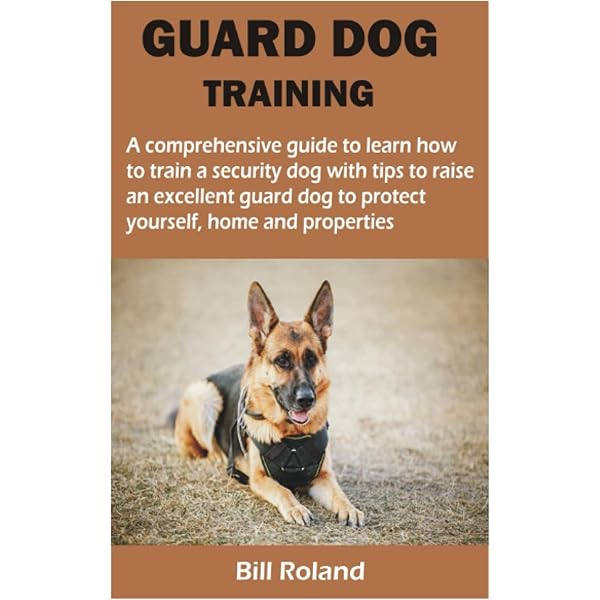
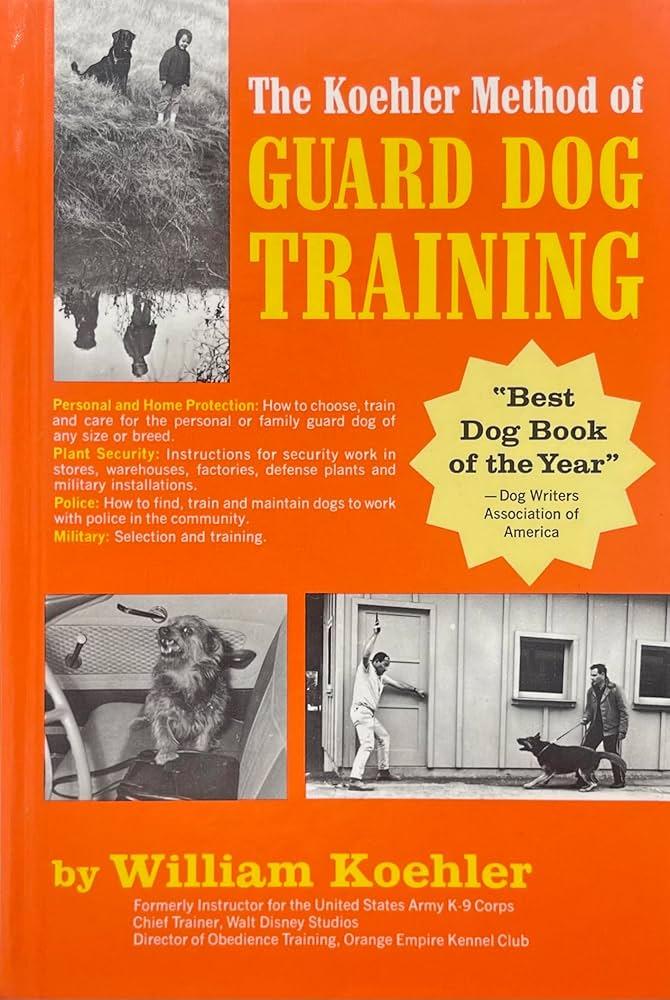
Credit: www.amazon.com
Choosing The Right Breed
Choosing the right breed is the first step in training a guard dog. The breed affects the dog’s natural instincts, strength, and behavior. It also impacts training success and safety. Some breeds have strong protective instincts, while others may be more loyal or alert.
Picking a breed that fits your needs and lifestyle ensures better results. Consider the dog’s temperament, size, and age before making a choice. The right breed will make training easier and more effective.
Top Guard Dog Breeds
- German Shepherd: Intelligent, loyal, and highly trainable.
- Doberman Pinscher: Agile, alert, and fearless protector.
- Rottweiler: Strong, confident, and naturally protective.
- Belgian Malinois: Energetic, smart, and quick learner.
- Bullmastiff: Calm, powerful, and devoted guard.
Temperament Traits To Look For
- Alertness: Notices strangers or unusual activity quickly.
- Loyalty: Sticks close to family and property.
- Confidence: Faces threats without fear or aggression.
- Trainability: Learns commands and rules easily.
- Calmness: Stays steady, not nervous or jumpy.
Age And Size Considerations
Young dogs are easier to train but need patience. Puppies require time to learn basic commands and social skills. Adult dogs may already have habits, which can help or slow training.
Size matters for protection and control. Large dogs can intimidate intruders but need enough space. Smaller dogs may be quicker but less physically strong.

Credit: www.youtube.com
Basic Obedience Training
Basic obedience training lays the foundation for a reliable guard dog. Without mastering these core skills, your dog won’t respond well under pressure or in unfamiliar situations. Training these essentials first builds trust and control, which are crucial for any guard dog’s effectiveness.
Essential Commands
Start with simple commands like sit, stay, come, and heel. These commands help you manage your dog’s behavior in daily life and critical moments.
Teaching your dog to stay on command can prevent accidental aggression or wandering off during an alert. Have you noticed how a dog that listens well can diffuse tension simply by obeying a calm word?
Consistency And Patience
Training a guard dog requires steady repetition and a calm approach. Every session should follow the same routine to avoid confusing your dog.
Patience is key. Some dogs grasp commands quickly, while others need extra time. Think about how you react when learning a new skill—your dog needs that same patience to succeed.
Positive Reinforcement Techniques
Reward good behavior immediately to make commands stick. Use treats, praise, or play as incentives.
Never punish your dog harshly; it can break the bond and create fear, which is dangerous for a guard dog. Instead, focus on what you want your dog to do more of, and celebrate those moments.
Socialization Skills
Training a guard dog requires more than teaching commands. Socialization skills play a crucial role. These skills ensure your dog can safely interact with others. A well-socialized guard dog is confident and reliable. It learns to distinguish between friends and potential threats.
Introducing To People And Animals
Start by introducing your dog to different people. Invite friends and family to meet your dog. This helps the dog become comfortable around strangers. Supervised playdates with other dogs are beneficial. They teach your guard dog to interact calmly with other animals. Always use positive reinforcement during these interactions.
Handling New Environments
Expose your dog to various environments. Take walks in parks, urban areas, and quiet neighborhoods. This builds confidence and reduces anxiety in new places. Encourage exploration by allowing sniffing and observing. Keep these outings positive and stress-free. Gradually increase the complexity of the environments.
Reducing Aggression Risks
Aggression can be a concern in guard dogs. Early socialization reduces these risks. Teach your dog to respond to commands in distracting situations. Practice commands like “sit” and “stay” around other dogs and people. Use treats and praise to reinforce good behavior. Avoid harsh corrections that might increase fear or aggression.
Advanced Guard Training
Advanced guard training takes your dog’s natural instincts to a professional level. It sharpens their ability to respond precisely and confidently in real situations. This phase is where your dog learns to balance alertness, control, and protection without unnecessary aggression.
Bark And Alert Commands
Teaching your dog to bark on command and alert you to danger is crucial. Use clear, consistent signals like “Speak” to encourage barking when someone approaches. Then, train your dog to stop barking on your command, such as “Quiet,” so they don’t cause disturbances.
Try practicing this near your front door or yard to simulate real-life scenarios. You want your dog to recognize when barking is necessary and when to stay calm. Have you noticed how some dogs bark too much? Controlled barking ensures your dog’s alert is taken seriously.
Controlled Aggression Exercises
Controlled aggression means your dog can protect without losing control. Start by teaching bite inhibition using bite sleeves or soft toys. Let your dog learn to bite firmly but release immediately on command.
Introduce distractions gradually—like noises or strangers—to keep your dog focused. This helps prevent unpredictable reactions. How well does your dog handle pressure? Controlled aggression exercises teach them discipline and precision.
Protection And Attack Drills
Protection drills focus on defensive moves while attack drills train offensive responses. Use a trained helper wearing protective gear to simulate threats. Your dog learns when to hold back and when to act decisively.
- Practice commands like “Guard” to hold position.
- Use “Attack” to engage an intruder under your control.
- Always reward obedience immediately after each drill.
These drills build confidence in your dog and trust between you. You want your dog to understand that protection is their job—but only with your guidance. What level of control do you expect from your guard dog in a crisis?
Safety And Legal Considerations
Training a guard dog goes beyond obedience and protection skills. It involves careful attention to safety and legal responsibilities that protect both you and others. Understanding these factors can prevent serious problems and ensure your dog is an asset, not a liability.
Responsible Ownership
Owning a guard dog means taking full responsibility for its behavior. You must provide consistent training, socialization, and supervision to avoid aggressive tendencies that can harm innocent people.
Think about your daily routines: Are you ready to manage your dog in public places and around visitors? Responsible ownership means never leaving your guard dog unsupervised where it might feel threatened or act unpredictably.
Local Laws And Regulations
Every region has different rules about owning and training guard dogs. Some areas require specific licenses, vaccinations, or even restrictions on certain breeds.
Check your local laws before starting training. Ignoring regulations can lead to fines, legal trouble, or forced removal of your dog. Have you contacted your local animal control or legal authority to understand what applies to you?
Preventing Unwanted Incidents
Preventing accidents is crucial. Guard dogs need clear boundaries and must recognize when to protect and when to stand down.
Use controlled environments for training and introduce your dog gradually to new people and situations. Teaching your dog commands like “stay” and “leave it” can help you avoid misunderstandings that might escalate into dangerous moments.
Have you considered how your dog will react to friends, delivery people, or strangers passing by? Preparing for these scenarios reduces risk and builds your dog’s confidence in making the right decisions.

Credit: www.youtube.com
Maintaining Training Over Time
Maintaining your guard dog’s training over time is just as important as the initial training itself. Without consistent effort, your dog might forget commands or lose their sharp instincts. Staying committed to their education ensures they remain reliable protectors and well-behaved companions.
Regular Practice Sessions
Keep your guard dog’s skills sharp by scheduling regular practice sessions. Short, frequent training times work better than long, infrequent ones. This repetition helps your dog remember commands and stay focused.
Mix up the routine to keep your dog engaged. For example, practice commands indoors one day and outdoors the next. This variety challenges your dog to respond in different environments, making their training more effective.
Monitoring Behavioral Changes
Pay close attention to any changes in your dog’s behavior. Are they more distracted, anxious, or less responsive? These shifts can signal health issues or boredom with their current training.
Keep a journal of your dog’s reactions during sessions. This record helps you identify patterns and adjust your approach before small problems become big ones. Have you noticed your dog’s alertness drop after a busy week?
Adjusting Techniques As Needed
No two dogs are exactly the same, and what worked initially might not always work later. If your dog seems confused or uninterested, try changing your tone, rewards, or the training environment.
Sometimes adding new challenges or incorporating different types of rewards can reignite your dog’s motivation. Have you tried switching from treats to playtime as a reward? Experimenting can reveal what best keeps your dog’s attention and commitment.
Frequently Asked Questions
What Is The First Step To Train A Guard Dog?
Start with basic obedience training to build control and trust. Teach commands like sit, stay, and come consistently. This foundation ensures your dog listens and behaves reliably during guard training.
How Long Does It Take To Train A Guard Dog?
Training duration varies but typically takes 3 to 6 months. Consistent daily sessions speed up learning. The dog’s breed, age, and temperament also affect training time.
Which Breeds Are Best For Guard Dog Training?
Popular guard breeds include German Shepherds, Rottweilers, and Dobermans. These breeds have natural protective instincts and high trainability. Choosing the right breed improves training success.
How Do You Teach A Guard Dog To Differentiate Threats?
Use controlled scenarios to expose the dog to strangers and normal visitors. Reward calm behavior around familiar people and alertness to strangers. This helps the dog identify real threats accurately.
Conclusion
Training a guard dog takes time and patience. Start with basic commands and build trust. Consistency helps your dog learn better and faster. Use positive rewards to encourage good behavior. Always keep training sessions short and fun. Watch your dog’s body language for signs of stress.
A well-trained guard dog protects and stays calm. Remember, safety comes first for both you and your dog. Training is a journey, not a quick task. Stay patient, and your dog will become a loyal protector.