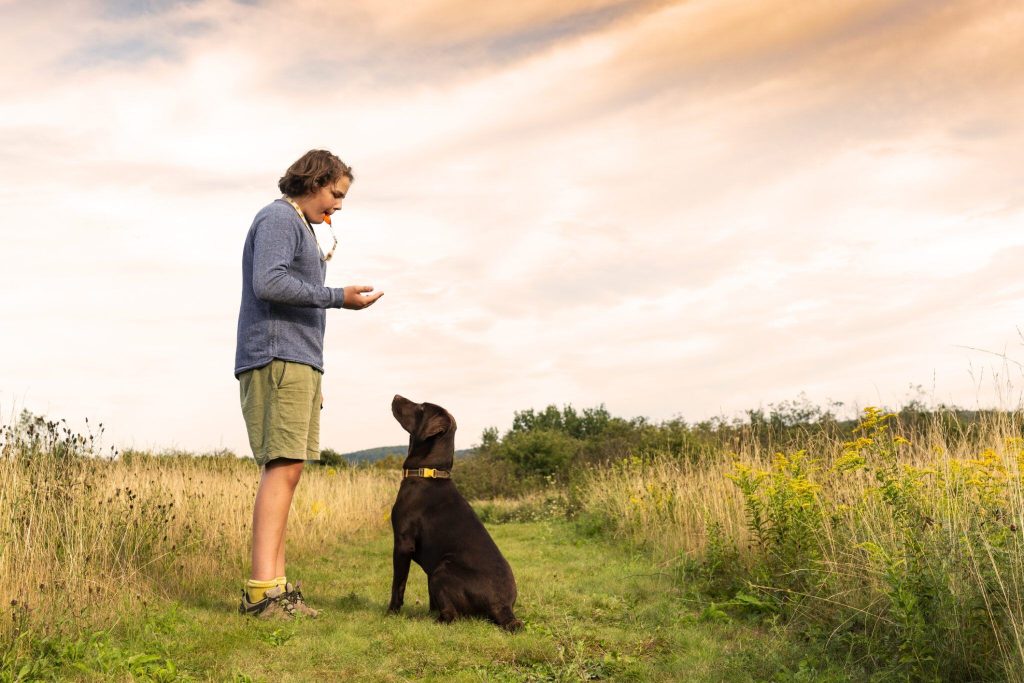

Have you ever wished you could call your dog’s attention with just a simple whistle? Teaching your dog to respond to whistle commands can make training easier and your bond stronger.
Imagine being able to get your dog to come, sit, or stay—even from a distance—just by blowing a whistle. You’ll discover clear, step-by-step tips to whistle train your dog quickly and effectively. Keep reading, and you’ll unlock a powerful way to communicate with your furry friend that’s both fun and reliable.

Credit: apps.apple.com
Choosing The Right Whistle
Choosing the right whistle is key to effective dog training. The whistle sound must be clear and easy for your dog to hear. Different whistles produce different tones and volumes. Picking the best one helps your dog respond quickly. Consider your dog’s breed and size for the best choice.
Types Of Dog Whistles
Dog whistles come in many forms. Each type creates a unique sound that suits different training needs.
- Silent Whistles:Produce sounds mostly inaudible to humans but clear to dogs.
- Ultrasonic Whistles:Emit very high-pitched sounds that dogs hear well.
- Tonal Whistles:Have adjustable pitch to change the sound frequency.
- Metal Whistles:Loud and sharp, good for outdoor training.
- Plastic Whistles:Softer tones, ideal for sensitive dogs.
Selecting Based On Dog Size And Breed
Small dogs often respond better to higher-pitched whistles. Larger dogs can hear lower tones clearly. Some breeds have better hearing than others. Hunting breeds, for example, are very sensitive to whistle sounds.
Consider your dog’s ear sensitivity and training environment. A loud whistle suits noisy areas. A softer whistle works well indoors or quiet places. Testing a few types can help find the perfect whistle for your dog.

Credit: www.amazon.ca
Preparing Your Dog For Training
Preparing your dog for whistle training sets the stage for successful communication and quick responses. It’s not just about the whistle sound itself; your dog needs to be comfortable, focused, and ready to learn. This preparation ensures your training sessions are productive and enjoyable for both of you.
Creating A Positive Environment
Your dog’s mood and surroundings impact how well they learn. Choose a quiet, familiar place where distractions are minimal. This helps your dog focus solely on your commands and the whistle sound.
Use treats and praise to make training feel like a fun game. Positive reinforcement encourages your dog to pay attention and want to repeat good behavior. Have you noticed how your dog’s tail wags faster when rewarded promptly?
Patience is key. If your dog seems restless or anxious, take a break and try again later. Training in a calm atmosphere builds trust and confidence, essential for whistle training success.
Building Basic Commands Foundation
Before introducing the whistle, your dog should understand basic commands like “sit,” “stay,” and “come.” These commands form the groundwork for responding to whistle signals.
Practice these commands daily in short sessions. Keep each session under 10 minutes to maintain your dog’s interest and prevent frustration. Consistency in words and gestures helps your dog connect your cues with actions.
Have you noticed how your dog responds better when commands are clear and steady? This clarity makes switching to whistle commands smoother and less confusing for your dog.
Introducing The Whistle Sound
Introducing the whistle sound helps your dog learn commands clearly and quickly. Consistent practice with a clear whistle builds strong communication between you and your dog. This simple tool makes training easier and more effective.
Introducing the Whistle Sound Whistle training a dog starts with a simple sound. This sound becomes a signal for your dog’s attention. It’s vital to create a positive association with this sound. Begin in a quiet environment free from distractions. Consistency is key during this introduction phase. First, choose a distinct whistle sound. A short, sharp note works best. Avoid using a sound similar to everyday noises. This ensures your dog recognizes it as unique.Associating Whistle With Attention
Make your dog notice the whistle immediately. Blow the whistle once and watch your dog. If they glance your way, offer praise. Repeat this until they consistently respond. Keep sessions short to maintain their interest.Using Treats And Rewards
Rewards make the whistle sound exciting. Use treats your dog loves. Blow the whistle, then give a treat. This links the sound to something positive. Gradually, your dog will look to you for rewards. Remember, training should be fun for both of you. Keep the tone upbeat and encouraging.
Credit: apps.apple.com
Step-by-step Whistle Training
Teaching your dog to respond to a whistle can transform your communication and training sessions. The process requires patience and clear signals, but the results are worth the effort. Here’s how you can break down whistle training into manageable steps that build your dog’s understanding and responsiveness.
Starting With Short Distances
Begin whistle training in a quiet area with minimal distractions. Stand just a few feet away from your dog and blow the whistle clearly. Immediately reward your dog with praise or a treat when they respond by coming to you.
Keep the sessions short and positive to maintain your dog’s interest. Have you noticed how your dog reacts differently to sounds? Use that to your advantage by choosing a whistle tone your dog finds intriguing.
Gradually Increasing Distance
Once your dog reliably comes to you from a short distance, slowly increase the space between you. Move to the end of the yard or a small park, then blow the whistle and wait for your dog’s response.
If your dog hesitates, reduce the distance again and reward success. This gradual increase helps your dog understand the whistle means “come,” no matter how far away you are.
Consistency In Commands And Timing
Always use the same whistle pattern and tone for a specific command to avoid confusing your dog. Blow the whistle, then immediately give the reward or positive reinforcement when your dog responds.
Timing is key—delayed rewards can make your dog unsure about the connection. How often do you repeat commands with your dog? Consistency will strengthen the link between your whistle and their action.
Troubleshooting Common Issues
Training a dog to respond to a whistle can be rewarding but may bring challenges. Knowing how to handle common problems helps keep training on track. Patience and small adjustments often lead to better results.
Ignoring The Whistle
Dogs may ignore the whistle for several reasons. The sound might be unfamiliar or not linked to a reward yet. Make sure to use a clear, consistent whistle tone. Reward your dog immediately after they respond to encourage attention.
Try blowing the whistle in a quiet place. This helps your dog focus on the sound. Avoid overusing the whistle, or your dog may lose interest. Keep training sessions short and positive.
Distractions During Training
Distractions can make it hard for dogs to hear or obey the whistle. Begin training in calm, quiet areas. Gradually introduce mild distractions as your dog improves.
Use treats or praise to keep your dog’s focus. If distractions are too strong, your dog may ignore commands. Move back to less distracting spots if needed.
Adjusting Training Techniques
Every dog learns differently. Some need more time or different rewards. Try changing the whistle pattern or volume. Using hand signals along with the whistle can help.
Observe your dog’s reactions and adjust your approach. Keep training fun and stress-free. Consistency and kindness build better responses over time.
Maintaining And Reinforcing Whistle Training
Maintaining and reinforcing whistle training is essential to keep your dog responsive and eager to listen. Without regular reinforcement, your dog may forget the commands or lose interest. Consistency helps build a stronger bond and ensures your dog reacts swiftly whenever you use the whistle.
Regular Practice Sessions
Practice makes perfect, especially with whistle training. Set aside a few minutes each day to practice the whistle commands with your dog. Keep these sessions short and positive to avoid boredom or frustration.
Try mixing different commands during practice to keep your dog attentive. Use treats or praise immediately after your dog responds correctly. This rewards good behavior and strengthens their understanding.
Have you noticed how dogs learn faster when training is fun? Make each session enjoyable and your dog will look forward to whistle time.
Incorporating Whistle In Daily Routine
Integrate the whistle into your everyday activities to reinforce its meaning. Use the whistle to call your dog during walks, before mealtime, or when it’s time to play. This helps your dog associate the sound with important moments.
A practical tip: whistle before opening the door for a walk or just before giving a treat. This builds a strong connection between the sound and positive experiences.
How often do you think your dog needs reminders? Frequent, casual use of the whistle throughout the day keeps the training fresh and reliable.
Safety Tips And Considerations
Training your dog to respond to a whistle is a great way to improve communication and control. However, it’s important to prioritize your pet’s safety and well-being throughout the process. Paying attention to how you use the whistle and how your dog reacts ensures a positive experience for both of you.
Avoiding Overuse Of Whistle
Using the whistle too often can confuse or stress your dog. Just like people, dogs can get overwhelmed by constant noise, especially if it signals commands repeatedly without breaks.
Keep whistle training sessions short and spaced out. This helps your dog stay focused and prevents the whistle from losing its effectiveness.
Ask yourself: Are you using the whistle only when necessary? This can help you avoid turning it into background noise your dog starts to ignore.
Monitoring Dog’s Health And Response
Watch your dog closely during and after whistle training. Look for signs like tilting their head, pawing their ears, or showing discomfort, which might mean the sound is too loud or irritating.
Sometimes, dogs may react by becoming anxious or avoiding training sessions. If this happens, lower the whistle volume or take a break.
Regularly check your dog’s ears for any signs of redness or infection, especially if whistle training is frequent. Healthy ears are key to successful training and your dog’s overall comfort.
Frequently Asked Questions
How Do I Start Whistle Training My Dog?
Begin by choosing a distinct whistle sound your dog can recognize easily. Use positive reinforcement by rewarding your dog with treats or praise when they respond correctly to the whistle.
How Long Does Whistle Training Take For Dogs?
Training duration varies, but most dogs learn whistle commands within 2 to 4 weeks of consistent practice. Daily short sessions improve quick and effective learning.
Can All Dog Breeds Learn To Respond To Whistles?
Yes, most dog breeds can learn whistle commands. Intelligence and training consistency influence how quickly they respond, but whistles work for all breeds.
What Is The Best Whistle To Use For Dog Training?
A high-pitched, consistent dog whistle is best for training. It travels far and is easier for dogs to hear compared to human voice commands.
Conclusion
Whistle training your dog takes time and patience. Start with clear, consistent sounds every day. Reward your dog when it responds correctly. Keep training sessions short and fun to hold attention. Dogs learn best with kindness and practice. Soon, your dog will come when you whistle.
This skill helps with safety and communication. Enjoy the bond you build through training. Keep practicing, and your dog will understand you better. Whistle training is a simple, effective way to connect with your pet.