Have you ever wondered what exactly a dog trainer does and how they can help you and your furry friend? Whether you’re struggling with your dog’s behavior or simply want to build a stronger bond, understanding a dog trainer’s role is the first step.
Imagine turning your dog’s stubborn habits into good manners without frustration. Keep reading, and you’ll discover how a dog trainer can make that happen for you and your pet.
Role Of A Dog Trainer
Understanding the role of a dog trainer can change how you view training sessions with your pet. A dog trainer doesn’t just teach commands; they build a bridge of communication between you and your dog. Their work shapes behavior, enhances safety, and strengthens your bond.
Basic Training Techniques
Dog trainers start with essential commands like sit, stay, come, and heel. These basic skills create a foundation for good behavior and help keep your dog safe in everyday situations. Trainers often use positive reinforcement, rewarding good behavior with treats or praise, making learning enjoyable for your dog.
Have you noticed how your dog responds better when you’re consistent? Trainers emphasize repetition and patience to ensure commands become second nature. This groundwork is crucial before moving on to more complex tasks.
Behavioral Correction
Addressing unwanted behaviors is a key part of a trainer’s job. Whether it’s excessive barking, chewing, or aggression, trainers identify triggers and work on solutions tailored to your dog’s needs. They teach you how to redirect your dog’s energy and correct issues calmly and effectively.
Think about the last time your dog acted out. Did you know that ignoring some behaviors can make them worse? Trainers help you understand when to intervene and how to do it without causing stress to your pet.
Specialized Training Areas
Some trainers focus on advanced or specialized skills like agility, therapy dog preparation, or service dog training. These areas require more detailed knowledge and specific techniques. Trainers guide you through these challenges step-by-step, ensuring your dog meets the unique demands of each role.
Imagine having a dog that can assist with daily tasks or provide emotional support. The right training can make this possible, but it takes expertise and commitment. Are you ready to explore what your dog could achieve with specialized training?

Credit: www.zumalka.com
Skills And Qualities Of Trainers
Understanding the skills and qualities of a dog trainer helps you see beyond basic commands and treats. These professionals connect deeply with dogs, guiding behavior through much more than just instruction. Their unique blend of patience, knowledge, and communication shapes how effectively they can help you and your furry friend.
Communication With Dogs
Effective dog trainers speak a language that dogs understand without words. They read body language, recognize subtle cues, and respond to changes in energy or mood. Have you noticed how some dogs immediately relax around certain people? That’s the power of clear, calm communication.
Good trainers adjust their tone, gestures, and timing to match each dog’s personality. This skill helps prevent misunderstandings and builds trust quickly. You can try observing how your dog reacts to different voices or touch to see communication in action.
Patience And Consistency
Training a dog isn’t about rushing to the finish line; it’s about steady progress. Trainers know that setbacks happen and that dogs need repetition to learn new behaviors. Imagine trying to learn a skill where instructions change every day—frustrating, right? Dogs feel the same way.
Consistency in commands and rewards creates a safe learning environment for your dog. Trainers often keep detailed notes to track progress and adjust plans patiently. How patient are you when teaching your dog new tricks? That’s a skill worth developing.
Knowledge Of Canine Psychology
Understanding what drives dogs helps trainers tailor their approach to each animal’s needs. This knowledge covers instincts, motivations, and how dogs perceive the world. Trainers use this insight to solve behavior problems effectively instead of just masking symptoms.
For example, a dog that barks excessively might be anxious or bored rather than disobedient. Recognizing this, trainers create strategies to address root causes rather than punish behavior. Do you think about why your dog acts a certain way before reacting? This mindset can change your training success dramatically.
Training Methods Explained
Dog trainers use various techniques to teach dogs good behavior and skills. These training methods help dogs learn commands, social manners, and problem-solving. Choosing the right method depends on the dog’s personality and the trainer’s approach. Understanding these methods can help owners support their dog’s learning journey.
Positive Reinforcement
Positive reinforcement means rewarding good behavior. Trainers give treats, praise, or toys when a dog follows a command. This encourages dogs to repeat the action. It builds trust and a strong bond between dog and trainer. This method focuses on kindness and patience, making learning fun and effective.
Clicker Training
Clicker training uses a small device that makes a clicking sound. The trainer clicks the device at the exact moment the dog does the right thing. Then, the dog gets a reward. The click tells the dog which action earned the reward. This method helps dogs learn quickly and clearly. It works well for teaching new tricks or complex tasks.
Correction-based Approaches
Correction-based training uses mild corrections to stop bad behavior. Trainers may use a firm voice or gentle leash pressure. The goal is to show the dog what is not allowed. This method requires careful timing and control to avoid fear. When done correctly, it guides dogs to behave properly without harm.
Credit: www.theacademyofpetcareers.com
Benefits Of Professional Training
Professional training helps dog trainers understand animal behavior and communication. This knowledge allows them to teach dogs good manners and solve behavior problems effectively. Trained trainers build trust between dogs and their owners through clear, consistent methods.
Professional dog training offers a wealth of benefits for both pets and their owners. It creates a harmonious environment where dogs understand expectations. This training goes beyond simple commands. It enhances the overall quality of life for pets and families.Improved Obedience
Professional trainers teach dogs consistent behavior. They help dogs learn basic commands such as sit, stay, and come. This obedience makes everyday interactions smoother. A well-trained dog listens to commands in various situations. This reduces stress for both the dog and the owner. Training sessions improve communication between dog and owner. This strengthens their bond.Enhanced Social Skills
Training helps dogs interact better with other animals and people. Professional training exposes dogs to diverse environments. This exposure reduces fear and aggression. Social skills are crucial for playdates and public outings. Well-socialized dogs are less anxious. They enjoy meeting new friends. This makes family outings more pleasant and stress-free.Safety And Control
A trained dog is safer in unexpected situations. Professional training teaches dogs to respond promptly to commands. This quick response can prevent accidents. Owners gain better control over their pets. This control is vital during walks or in crowded places. Safety and control are essential for a dog’s well-being. They ensure a peaceful coexistence with humans.How To Choose The Right Trainer
Choosing the right dog trainer can make all the difference in your dog’s progress and your overall experience. It’s not just about finding someone who knows commands, but someone whose approach fits your dog’s needs and your expectations. Knowing what to look for helps you avoid wasting time and money on ineffective training.
Certifications And Experience
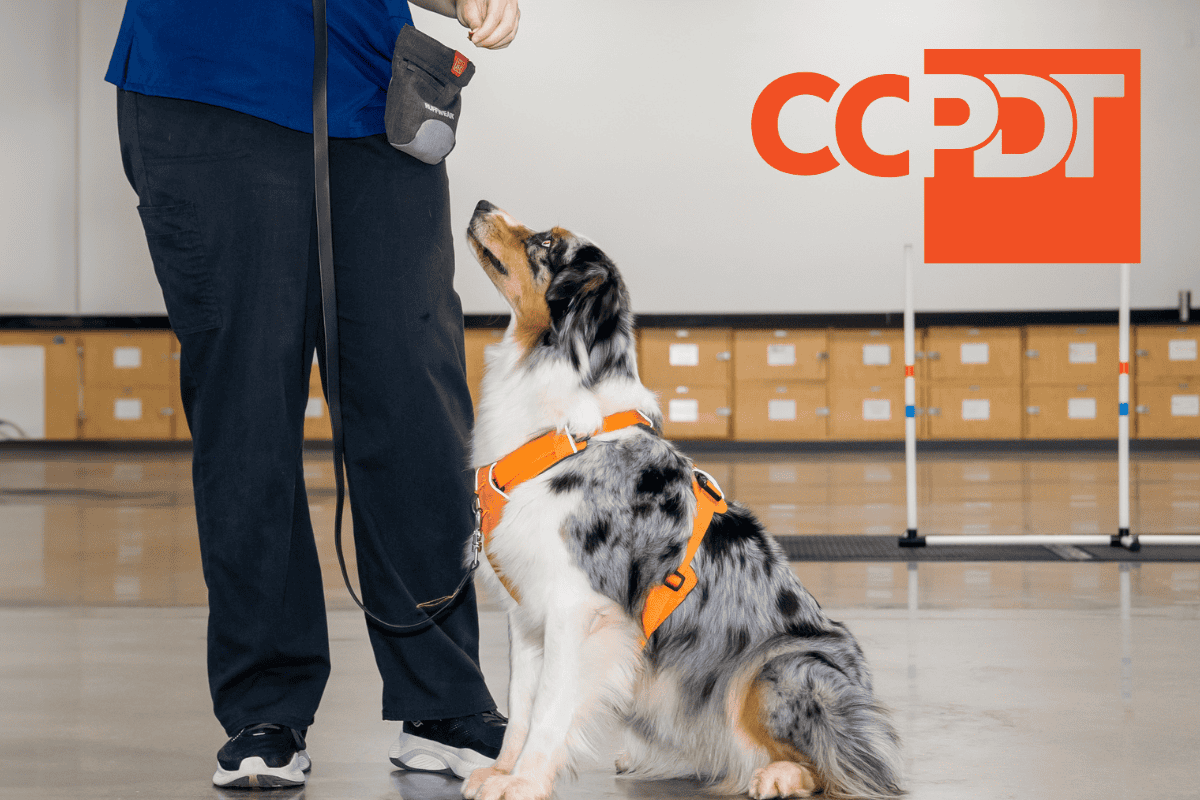
Start by checking the trainer’s certifications. Look for credentials from recognized organizations like the Certification Council for Professional Dog Trainers (CCPDT) or the International Association of Canine Professionals (IACP).
Experience matters too. Ask how long they have been training dogs and if they have worked with your dog’s breed or behavior issues before. A trainer who has handled similar cases can anticipate challenges and tailor the training effectively.
Training Style Compatibility
Your dog responds best when training matches their personality and your values. Some trainers use positive reinforcement, while others might rely on more traditional methods. Understanding these styles helps you pick a trainer who aligns with how you want to communicate with your dog.
Think about your comfort level with the trainer’s approach. If you disagree with their techniques, it could create confusion or stress for your dog. A trainer who explains their methods clearly and answers your questions can build trust and confidence for both you and your pet.
Reviews And Recommendations
Reading reviews gives insight into other pet owners’ experiences. Look for detailed feedback about the trainer’s effectiveness, professionalism, and how they handle setbacks.
Don’t hesitate to ask for references or speak directly with past clients. Personal recommendations can reveal things you won’t find online and help you avoid trainers who overpromise but underdeliver.
Trainer’s Role In Unlocking Potential
A dog trainer’s role goes far beyond teaching basic commands. They help both you and your dog reach a level of understanding and cooperation that might seem out of reach at first. By carefully observing and guiding, trainers reveal your dog’s strengths and gently work on areas that need improvement.
Assessing Individual Needs
Every dog is unique, with its own personality, history, and challenges. A skilled trainer starts by observing your dog’s behavior in different situations. This helps identify what motivates your dog and where it struggles most.
Maybe your dog is eager but easily distracted, or perhaps it’s shy and hesitant in new environments. Understanding these details allows the trainer to tailor the approach to fit your dog’s specific needs, rather than using a one-size-fits-all method.
Setting Realistic Goals
Setting clear, achievable goals keeps training focused and rewarding. Trainers break down complex skills into smaller steps that your dog can master one at a time.
For example, teaching a dog to stay calm around strangers might start with brief introductions and gradually increase to busier settings. You’ll find that realistic goals help maintain your motivation and your dog’s confidence.
Ongoing Support And Guidance
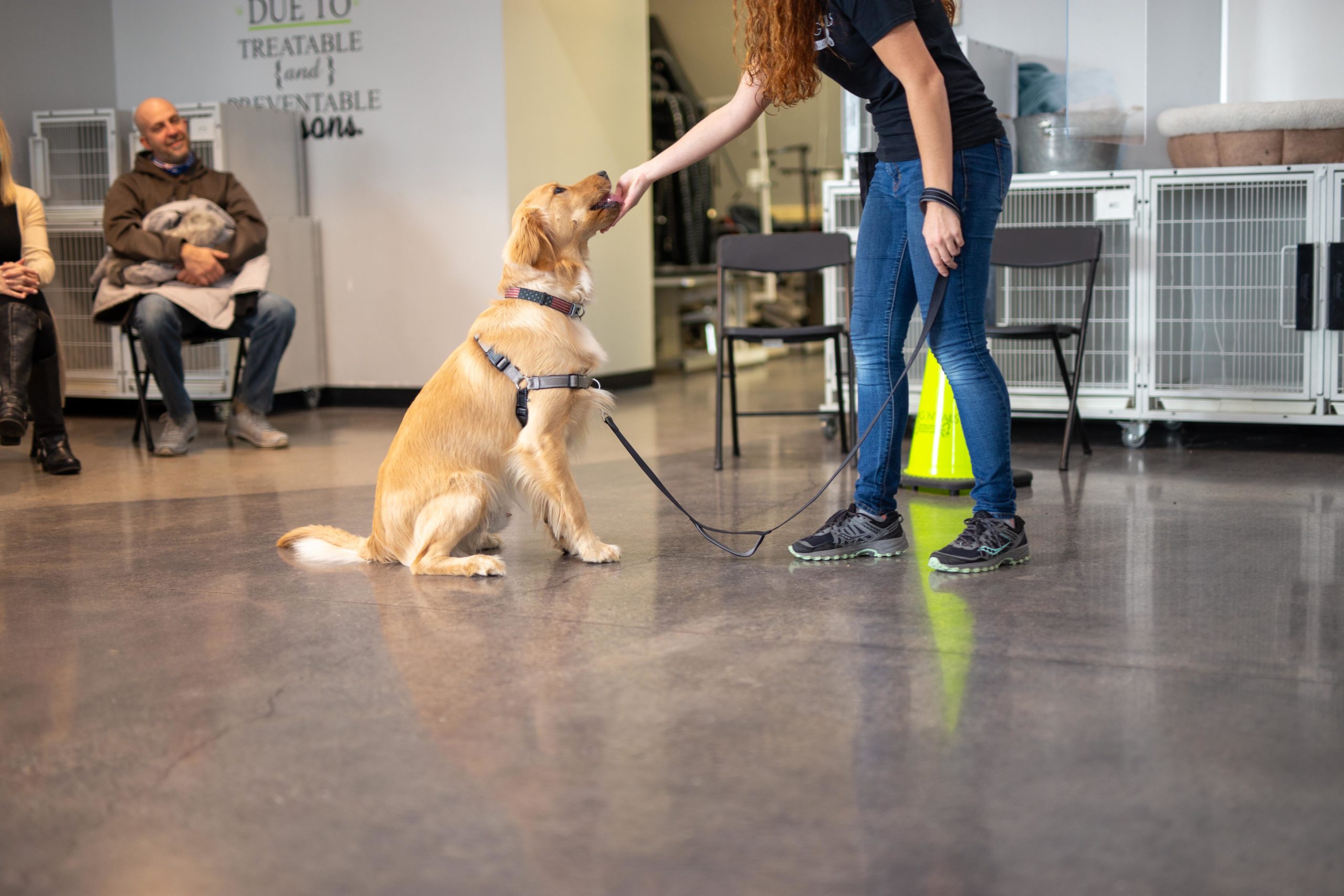
Training isn’t a one-time event but a continuous journey. A good trainer provides ongoing support, answering your questions and adjusting techniques as your dog progresses.
They also coach you on how to keep the training consistent at home. Have you noticed how small changes in your routine affect your dog’s behavior? Trainers help you spot those moments and turn them into opportunities for growth.
Credit: wagntails.net
Frequently Asked Questions
What Are The Main Duties Of A Dog Trainer?
A dog trainer teaches dogs obedience, commands, and social skills. They address behavioral issues and improve communication between dogs and owners. Trainers use positive reinforcement techniques to ensure dogs learn effectively and safely.
How Does A Dog Trainer Help With Behavioral Problems?
Dog trainers identify causes of unwanted behaviors like aggression or anxiety. They develop personalized training plans to correct these issues. Trainers use consistent methods to reshape the dog’s habits and improve their overall behavior.
Why Is Professional Dog Training Important?
Professional training ensures dogs learn proper behavior early. It enhances safety for both dogs and owners. Trainers offer expert guidance tailored to each dog’s needs, helping prevent future problems and fostering a strong human-animal bond.
What Methods Do Dog Trainers Commonly Use?
Most trainers use positive reinforcement, rewarding good behavior with treats or praise. Some incorporate clicker training or desensitization techniques. These methods promote learning without fear, making training enjoyable and effective for dogs.
Conclusion
A dog trainer helps pets learn good behavior and commands. They teach dogs to listen and follow rules. Trainers also solve problems like barking or biting. Their work makes life better for dogs and owners. Training builds trust and a strong bond.
Anyone with a dog can benefit from their help. Understanding what a dog trainer does helps you choose the right support. Good training leads to a happy, well-behaved dog. It takes patience and care, but it is worth it.