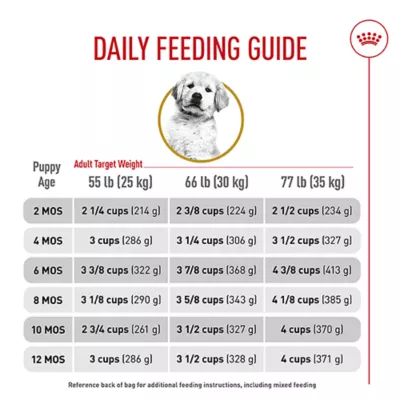

Are you wondering when it’s the right time to switch your Golden Retriever puppy to adult dog food? Feeding your puppy the right food at the right time is crucial for their growth and health.
Make the wrong choice, and you could risk stunting their development or causing digestive issues. But how do you know when your fluffy friend is ready for this important change? Keep reading to discover the signs to look for, the best timing, and expert tips to make this transition smooth and safe for your beloved pup.
Your Golden Retriever’s future depends on it!

Credit: www.goldenretrieverlife.com
Growth Stages Of Golden Retriever Puppies
Golden Retriever puppies grow quickly and need the right food at each stage. Their nutritional needs change as they develop from tiny newborns to playful adolescents. Feeding the right food supports healthy bones, muscles, and brain growth. Understanding these growth stages helps you decide when to switch from puppy food to adult dog food.
Newborn To Weaning
Newborn Golden Retriever puppies rely on their mother’s milk. This milk provides all the nutrients they need for the first few weeks. During this period, puppies sleep most of the time and grow rapidly. They start opening their eyes and ears around two weeks old. Weaning begins at about four weeks old, when puppies try soft, mushy food.
Transition To Solid Food
Between four and eight weeks, puppies gradually eat more solid food. Start with soft puppy food mixed with water or puppy milk replacer. This helps puppies adjust to new textures and flavors. Offer food in small amounts, several times a day. Monitor their reaction and adjust the food consistency as needed. By eight weeks, puppies should eat mostly solid food.
Puppy To Adolescent
From eight weeks to about 12 months, Golden Retrievers grow strong and active. They need high-quality puppy food rich in protein and fat. This supports muscle and bone development. Around 9 to 12 months, puppies show slower growth. This is the time to start thinking about adult dog food. Consult your vet to choose the right moment for the switch.
Nutritional Needs Of Puppies
Puppies have unique nutritional needs that differ significantly from adult dogs. Their bodies are growing rapidly, which demands more energy and specific nutrients to support healthy development. Understanding these needs helps you provide the right food at the right time, ensuring your Golden Retriever puppy grows into a strong, healthy adult.
Key Nutrients For Development
Your puppy needs a well-balanced diet rich in essential nutrients to fuel their growth. Proteins are crucial because they build muscles and tissues, while fats provide concentrated energy for active puppies.
Calcium and phosphorus play a vital role in developing strong bones and teeth. Too much or too little of these minerals can cause skeletal problems, so the balance is key.
Don’t forget about vitamins and antioxidants, which support the immune system and overall health. Omega-3 fatty acids, such as DHA, are particularly important for brain and eye development.
- Protein:Supports muscle growth and repair.
- Fats:Provide energy and support brain development.
- Calcium & Phosphorus:Build strong bones and teeth.
- Vitamins & Antioxidants:Boost immune system.
- DHA (Omega-3):Enhances brain and vision health.
Differences Between Puppy And Adult Food
Puppy food is specially formulated to meet the high energy and nutritional demands of growing dogs. It contains higher levels of protein and fat compared to adult dog food to support rapid growth and development.
Adult dog food, on the other hand, has fewer calories and nutrients since adult dogs have slower metabolism and lower energy requirements. Feeding your puppy adult food too early can lead to nutrient deficiencies and stunt their growth.
Have you noticed your puppy’s energy levels or coat condition change after switching food? This can be a sign that their diet isn’t meeting their needs anymore.
| Nutrient | Puppy Food | Adult Food |
|---|---|---|
| Protein | Higher (22-32%) | Moderate (18-25%) |
| Fat | Higher (8-20%) | Lower (5-15%) |
| Calories | More to fuel growth | Less for maintenance |
| Calcium & Phosphorus | Balanced for bone growth | Lower levels |
Knowing these differences helps you decide the right time to switch your Golden Retriever puppy from puppy to adult food without risking their health.
Signs Your Puppy Is Ready For Adult Food
Golden Retriever puppies show readiness for adult food when they reach about 12 months old and their growth slows. Signs include chewing less on toys and eating smaller meals more steadily. Their energy levels balance, signaling a good time to switch diets.
Signs Your Puppy Is Ready for Adult Food Transitioning your Golden Retriever puppy to adult dog food marks a big step. Knowing when to make this change is vital for their health. Puppies grow fast, and their nutritional needs evolve. Understanding the signs that your puppy is ready for adult food ensures they get the right nutrients.Physical Indicators
Observe your puppy’s growth and size. Golden Retrievers typically reach 75% of their adult size by six to nine months. A full-grown puppy often signals readiness for adult food. Check their weight. A steady weight without a rapid increase indicates maturity. Their coat should appear shiny and healthy. This shows they are absorbing nutrients well.Behavioral Changes
Notice changes in their eating habits. Puppies may show less interest in food they once loved. They might eat less or leave food in their bowl. Look for increased energy levels. Adult food supports a more active lifestyle. Observe their social behavior. More independence and confidence often signal maturity.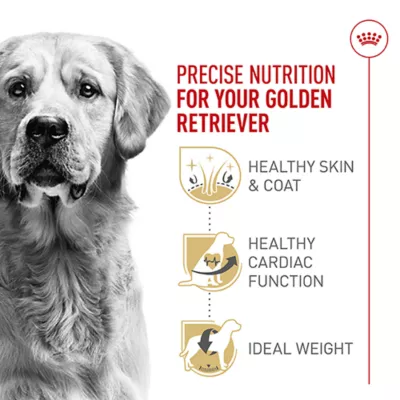
Credit: www.petsmart.com
Recommended Age To Switch
Knowing the right time to switch your Golden Retriever puppy from puppy food to adult dog food is important for their growth and health. Feeding adult food too early can cause nutritional gaps, while switching too late might lead to unnecessary weight gain. Understanding the recommended age helps you make the best choice for your puppy’s development.
General Guidelines
Most veterinarians suggest switching to adult dog food when your Golden Retriever puppy reaches about 12 months of age. At this point, their rapid growth phase slows down, and their nutritional needs start to change. Puppy food is rich in calories and nutrients to support growth, but adult food is better balanced for maintenance.
Some dog owners notice their puppies start to slow down in activity and growth around 10 to 12 months. This is a good sign to begin the transition. However, switching gradually over 7 to 10 days avoids digestive upset and helps your puppy adjust.
Breed-specific Considerations
Golden Retrievers are a medium to large breed, so their growth timeline differs from smaller dogs. They often take longer to reach full maturity—sometimes up to 18 months. Because of this, some experts recommend extending puppy food until 12 to 15 months to support joint and bone development.
Have you noticed your Golden Retriever puppy still looks lean or very active past one year? This might be a sign to wait before switching. Keep an eye on their weight and energy levels. Consulting your vet can provide personalized advice based on your puppy’s growth pattern.
- Smaller breeds often switch at 9-12 months
- Large breeds like Golden Retrievers benefit from longer puppy feeding
- Growth plates close later, requiring continued calcium and protein support
How To Transition To Adult Dog Food
Transitioning your Golden Retriever puppy to adult dog food is a crucial step. It supports healthy growth and adjusts their diet to new needs. The process should be slow and careful to avoid stomach upset. Follow clear steps to make the change smooth and safe.
Gradual Mixing Method
Start by mixing a small amount of adult food with the puppy food. Use about 25% adult food and 75% puppy food for the first few days. Increase the adult food gradually every 3 to 4 days. By two weeks, the food should be 100% adult dog food.
This slow change helps your puppy’s stomach adjust. Sudden changes can cause diarrhea or vomiting. Keep the food portions consistent during the transition.
Monitoring For Reactions
Watch your puppy closely for any signs of discomfort. Look for changes like loose stools, vomiting, or loss of appetite. Also, check for skin irritation or excessive scratching.
If any problems appear, slow down the transition. Return to the previous mix ratio until symptoms pass. Consult your vet if issues continue or worsen.
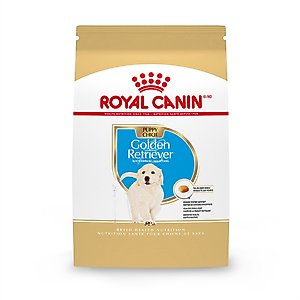
Credit: www.chewy.com
Risks Of Premature Switching
Switching your Golden Retriever puppy to adult dog food too soon can lead to problems you might not expect. Puppies have unique dietary needs that adult formulas don’t meet. Ignoring this can harm their health and growth.
Nutritional Deficiencies
Puppy food contains higher levels of protein, fat, and essential nutrients than adult dog food. Feeding adult food early means your pup might miss out on these vital nutrients.
Without enough nutrients like calcium and DHA, your puppy’s bones and brain may not develop properly. Have you noticed your pup seeming less energetic or smaller than expected? This could be a sign of missing key nutrients.
Maintaining a balanced diet during this stage supports a strong immune system. Skipping this can make your puppy more prone to illnesses.
Growth And Development Issues
Puppies grow rapidly, and their bodies need the right fuel to build muscles and bones. Adult dog food is designed for maintenance, not growth, which can slow development.
Switching too early may lead to joint problems or weak muscles later in life. I once met a Golden Retriever whose owner switched food too soon; the dog struggled with mobility issues as an adult.
Are you prepared to watch your puppy face avoidable health challenges? Staying patient with their diet helps them grow into a healthy adult dog.
Choosing The Right Adult Food
Choosing the right adult food for your Golden Retriever puppy is crucial for their health. The transition from puppy to adult food should support growth and energy needs. Proper nutrition helps maintain a healthy weight and strong immune system. Selecting food carefully ensures your dog stays happy and active.
Quality Ingredients
Good adult dog food contains real meat as the first ingredient. Avoid foods with fillers like corn or wheat. Natural ingredients like vegetables and fruits add vitamins and minerals. High-quality food supports your dog’s digestion and overall health. Check the label to understand what goes into your dog’s meal.
Nutritional Balance
Adult dog food must have the right balance of protein, fat, and carbohydrates. Protein builds muscles and keeps your dog strong. Healthy fats provide energy and keep the coat shiny. Carbohydrates supply fuel and fiber for digestion. Look for food that meets AAFCO standards for complete nutrition.
Consulting Your Veterinarian
Your vet knows your puppy’s health best. Ask for advice on the best food brand and formula. Your dog’s age, weight, and activity level affect dietary needs. The vet can guide you on the right time to switch food. Regular check-ups help adjust the diet as your dog grows.
Special Considerations For Golden Retrievers
Golden Retrievers are a special breed with unique needs, especially when it comes to feeding them adult dog food. Their growth rate, energy levels, and health risks require careful consideration before switching from puppy food. Understanding these factors helps you make the best choice for your furry friend’s diet and well-being.
Common Health Concerns
Golden Retrievers are prone to certain health issues that affect their diet choices. Hip dysplasia and joint problems are common, so maintaining a healthy weight is crucial to reduce stress on their bones.
Feeding adult dog food too early can impact their growth and joint development. You want to avoid excess calories that lead to rapid weight gain. Balanced nutrition supports their strong bones and muscles.
Skin allergies and digestive sensitivities also pop up often in this breed. Choosing adult dog food with high-quality, easily digestible ingredients can help minimize these issues. Have you noticed any reactions when switching foods?
Diet Adjustments For Activity Level
Golden Retrievers vary in energy, from couch lovers to active outdoor companions. Their diet should match their activity to keep them healthy and happy.
If your dog is very active, adult food rich in protein and fats fuels their energy needs. Less active dogs do better with lower calorie formulas to prevent weight gain.
Try observing your dog’s daily routine and adjust portions accordingly. This approach helps keep their weight stable and supports overall health. Are you tracking your dog’s activity to guide their feeding?
Frequently Asked Questions
When Is The Right Age To Switch Golden Retriever Puppies To Adult Food?
Golden Retriever puppies can transition to adult dog food around 12 months. This timing supports their growth needs and prevents obesity. Consult your vet for personalized advice based on your puppy’s health and development.
Can Feeding Adult Food Early Harm Golden Retriever Puppies?
Yes, feeding adult food too early can harm puppies. Adult formulas lack essential nutrients puppies need for growth. This can lead to nutrient deficiencies and developmental issues. Always use puppy-specific food until your vet approves the switch.
How To Transition Golden Retriever Puppies To Adult Dog Food?
Transition gradually over 7-10 days by mixing adult food with puppy food. Slowly increase the adult food portion while decreasing puppy food. This helps prevent digestive upset and ensures a smooth changeover.
What Are The Signs Golden Retriever Puppies Need Adult Food?
Signs include slowed growth, reduced energy needs, and finishing meals quickly. When puppies reach near adult size, their nutritional needs change. Consult your vet to confirm if it’s time to switch foods.
Conclusion
Golden Retriever puppies need special food to grow strong and healthy. Usually, switching to adult dog food happens around one year old. Watch their weight and energy to decide the right time. Always choose good-quality food made for adult dogs.
Talk to your vet if unsure about feeding changes. Feeding the right food keeps your puppy happy and active. Patience and care help your dog live a long, healthy life. Keep learning and adjusting as your dog grows up.