
Are you wondering what could happen if you feed your puppy adult dog food? It might seem like a small mix-up, but giving your growing pup the wrong food can affect their health in surprising ways.
Your puppy needs special nutrients to grow strong and stay healthy, and adult dog food may not provide that. Keep reading to discover the risks involved and how you can make sure your puppy gets the best start in life.
This simple knowledge could save you time, money, and worry down the road.

Credit: www.petscare.com
Puppy Nutritional Needs
Puppies need special nutrition to grow strong and healthy. Their bodies change fast during early months. Feeding the right food supports their bones, muscles, and brain. Adult dog food lacks some nutrients puppies require. Understanding these needs helps avoid health issues later.
Growth And Development Requirements
Puppies grow rapidly in the first year. Their energy needs are higher than adult dogs. They need more calories for constant activity and growth. Strong bones and teeth depend on proper minerals. Protein helps build muscles and organs. A balanced diet supports immune system development too.
Key Nutrients In Puppy Food
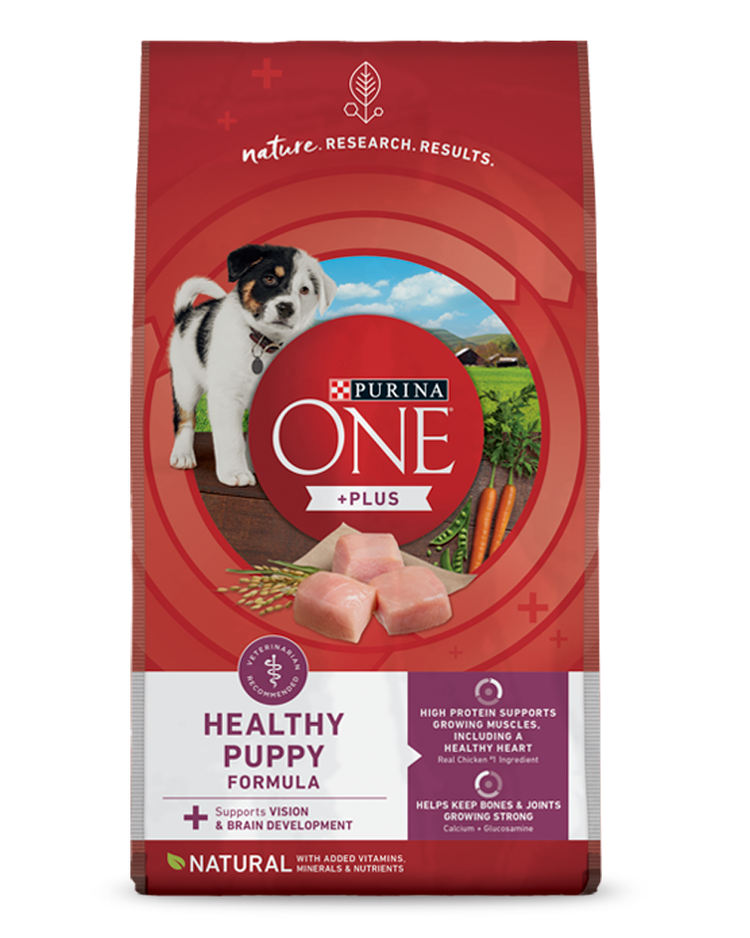
- Protein:Essential for muscle and tissue growth.
- Fat:Provides energy and supports brain development.
- Calcium and Phosphorus:Crucial for healthy bone formation.
- DHA (an Omega-3 fatty acid):Supports vision and cognitive skills.
- Vitamins and Minerals:Help overall health and immunity.
Credit: www.purina.com
Differences Between Puppy And Adult Food
Feeding your puppy adult dog food might seem convenient, but the differences between puppy and adult food are significant. Puppies have unique nutritional needs to support their rapid growth and development. Understanding these differences helps you make better choices for your furry friend’s health and happiness.
Calorie Content Variations
Puppy food contains more calories than adult dog food. This extra energy supports their fast growth and high activity levels. If you feed your puppy adult food, they might not get enough calories, which can slow their development.
Think about your own needs: a child requires more energy than an adult at rest. Similarly, puppies need more calories per pound of body weight. Are you providing enough fuel for your puppy’s busy days?
Protein And Fat Levels
Puppy diets have higher protein and fat to build strong muscles and maintain healthy skin and coat. Adult dog food usually has less protein and fat since adult dogs don’t grow as quickly. Feeding adult food to a puppy can lead to muscle weakness and dull fur.
I once switched my puppy to adult food too soon and noticed a decrease in his energy. His coat lost some shine, and he wasn’t as playful. This experience taught me the importance of those extra protein and fat levels in puppy food.
Vitamin And Mineral Differences
Puppy food is enriched with specific vitamins and minerals like calcium and phosphorus for bone growth. Adult food has balanced nutrients suited for maintenance, not growth. Using adult food too early may result in nutrient gaps, affecting your puppy’s bone development and overall health.
Have you checked if your puppy’s food supports their growing bones? It’s easy to overlook these details but crucial for preventing future health issues. Your puppy’s foundation depends on the right vitamins and minerals today.
Risks Of Feeding Adult Food To Puppies
Feeding adult dog food to puppies can cause nutrient imbalances and slow their growth. Puppies need special nutrients for strong bones and energy. Using adult food may lead to health problems and poor development.
Feeding your puppy adult dog food might seem like a harmless shortcut, but it can lead to several health risks. Puppies have unique nutritional needs that differ significantly from adult dogs. As a puppy parent, understanding these risks is crucial for your furry friend’s health and well-being.Nutritional Deficiencies
Adult dog food lacks essential nutrients that puppies need for growth and development. Puppies require higher levels of protein, fat, and certain vitamins and minerals to support their growing bodies. A puppy fed adult food may miss out on these critical nutrients, leading to deficiencies. Imagine if you grew up only eating snacks instead of balanced meals. Your puppy’s health could suffer similarly. Without the right nutrition, their immune system may weaken, making them more prone to illnesses.Impact On Growth
Feeding adult dog food can adversely affect your puppy’s growth. Puppy food is specifically formulated to support rapid growth, particularly in the first year. Adult food lacks the calories and nutrients required to fuel this stage of development. Consider a friend’s experience: their puppy was smaller and less energetic when fed adult food. Once they switched to puppy-specific food, the change was noticeable. The puppy grew stronger and more active, highlighting the importance of proper nutrition.Digestive Issues
Puppies have sensitive digestive systems that can struggle with adult food formulations. The higher fiber content and different nutrient ratios in adult food can lead to digestive discomfort. This might result in symptoms like diarrhea or vomiting. Have you noticed your puppy having tummy troubles after eating? It could be the adult food causing these issues. Switching to food designed for puppies can help ensure smoother digestion and happier mealtimes. Feeding your puppy the right food plays a crucial role in their overall health and happiness. Are you ready to make the switch to a diet that’s perfect for your growing pup? Their wagging tail will thank you for it!Signs Your Puppy May Be Affected
Feeding a puppy adult dog food can cause several health problems. Puppies need special nutrition to grow strong and healthy. Adult food lacks certain nutrients puppies require. Watch for signs that your puppy may be affected by this diet mistake. Early detection helps prevent serious issues.
Weight Loss Or Poor Weight Gain
Puppies need extra calories and nutrients to grow. Adult dog food may not provide enough energy. Your puppy might lose weight or fail to gain weight properly. This can make their growth slow and weak. Monitor your puppy’s weight regularly to catch any problems early.
Lethargy And Weakness
A lack of proper nutrients can cause low energy. Your puppy may seem tired or less playful than usual. Weak muscles and slower movements are common signs. This weakness happens because the puppy’s body does not get what it needs. Notice changes in your puppy’s activity level.
Digestive Disturbances
Adult dog food can upset a puppy’s sensitive stomach. Watch for diarrhea, vomiting, or constipation. These symptoms show your puppy’s digestion is struggling. A sick stomach prevents proper nutrient absorption. Keep an eye on your puppy’s bathroom habits for warning signs.
When Is Adult Food Appropriate For Puppies
Feeding your puppy adult dog food isn’t always the right choice, but there are times when it can be appropriate. Understanding when to switch from puppy food to adult food depends on several factors including your puppy’s age and size. Making this switch at the right time helps support your dog’s growth and overall health without risking nutritional gaps or excesses.
Age And Size Considerations
Puppies grow at different rates depending on their breed and size. Small breeds often reach adulthood faster, around 9 to 12 months, while large breeds might need puppy food up to 18 or even 24 months.
Switching to adult food too early can leave your puppy without enough nutrients to support their rapid growth. On the other hand, waiting too long could lead to unnecessary weight gain because adult food has fewer calories than puppy food.
Ask yourself: Is your puppy active and growing steadily, or have they slowed down and reached their full height? This can guide your decision about transitioning to adult food.
Transitioning To Adult Food Safely
When you decide it’s time to switch, do it gradually to avoid upsetting your puppy’s stomach. Start by mixing a small amount of adult food with their puppy food and slowly increase the adult food over 7 to 10 days.
Watch for any signs of digestive trouble, like diarrhea or vomiting. If you notice these, slow down the transition or consult your vet.
Remember, the goal is to keep your puppy happy and healthy through the change. How can you make sure your puppy enjoys the new food and gets all the nutrients they need? Paying attention to their behavior and energy levels during this period can give you the answers you need.
Credit: www.purina.com
Tips For Feeding Puppies Properly
Feeding your puppy properly is crucial for their growth and overall health. Puppies have unique nutritional needs that differ significantly from adult dogs. Understanding these needs helps you avoid mistakes like feeding adult dog food, which can lead to health issues down the road.
Choosing The Right Puppy Food
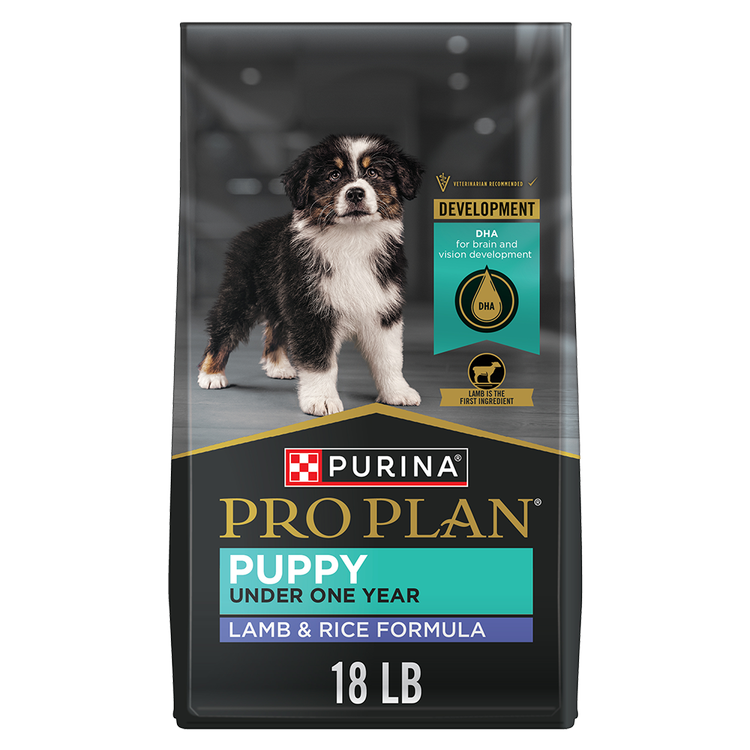
Select food specifically formulated for puppies. These products contain the right balance of protein, fats, vitamins, and minerals needed for healthy development.
Look for labels that mention “complete and balanced” nutrition for puppies. Avoid adult dog food, as it often lacks essential nutrients your puppy needs and may cause digestive problems.
Consider your puppy’s breed size—large breeds require food that supports slow, steady growth to prevent joint issues. Small breeds might need calorie-dense options to meet their energy demands.
Feeding Schedule Recommendations
Puppies thrive on routine. Feed your puppy three to four times a day until they reach six months.
After six months, you can gradually reduce feeding to twice a day. Maintaining consistent meal times helps regulate digestion and energy levels.
Watch your puppy’s appetite closely. If they seem overly hungry or disinterested in food, adjust portions or consult your vet.
Monitoring Your Puppy’s Health
Keep an eye on your puppy’s weight, coat, and behavior. Healthy puppies have shiny fur, steady weight gain, and lots of energy.
Any sudden changes could signal nutritional imbalances or health issues. For instance, if your puppy shows signs of diarrhea or lethargy after eating, it might be time to reevaluate their diet.
Regular vet check-ups are essential. Your vet can recommend adjustments and help you spot problems before they become serious.
Frequently Asked Questions
What Happens If A Puppy Eats Adult Dog Food?
Feeding adult dog food to puppies can cause nutritional imbalances. Puppies need extra protein and calories for growth. Adult food lacks these essential nutrients, potentially slowing development and affecting overall health.
Can Adult Dog Food Harm My Puppy’s Growth?
Yes, adult dog food can harm puppy growth. It doesn’t meet the higher energy and nutrient needs of puppies. This can lead to stunted growth or weak bones if fed long-term.
How Long Can A Puppy Eat Adult Dog Food?
Puppies should not eat adult dog food for more than a few days. Short-term feeding may not cause harm, but long-term use risks nutritional deficiencies and poor development.
Is It Safe To Switch Puppy To Adult Dog Food Early?
Switching to adult dog food too early is not safe. Puppies require specialized nutrition until about one year old. Early transition can lead to health and growth problems.
Conclusion
Feeding a puppy adult dog food can cause health problems. Puppies need more nutrients to grow strong and healthy. Adult food lacks the right vitamins and minerals for puppies. This may lead to poor growth and weak bones. Always choose food made specifically for puppies.
It supports their development and energy needs. Taking care of your puppy’s diet helps them stay happy. Proper nutrition builds a strong foundation for their future. Make smart food choices to keep your puppy healthy.