
If you have a Husky, you want to make sure your furry friend stays healthy and full of energy. One important step is knowing the right time to switch from puppy food to adult dog food.
Feeding your Husky the wrong diet can affect their growth, energy, and overall health. But how do you know when the switch is the right move? You’ll discover the key signs and expert tips to make this change smooth and beneficial for your Husky.
Keep reading to give your dog the nutrition they truly need at every stage of life.
Growth Stages Of Huskys
Understanding the growth stages of Huskys helps decide when to switch their food. Each stage has unique needs for energy and nutrients. Proper nutrition supports healthy bones, muscles, and overall development. Recognizing these stages ensures your Husky gets the right food at the right time.
Puppy Phase
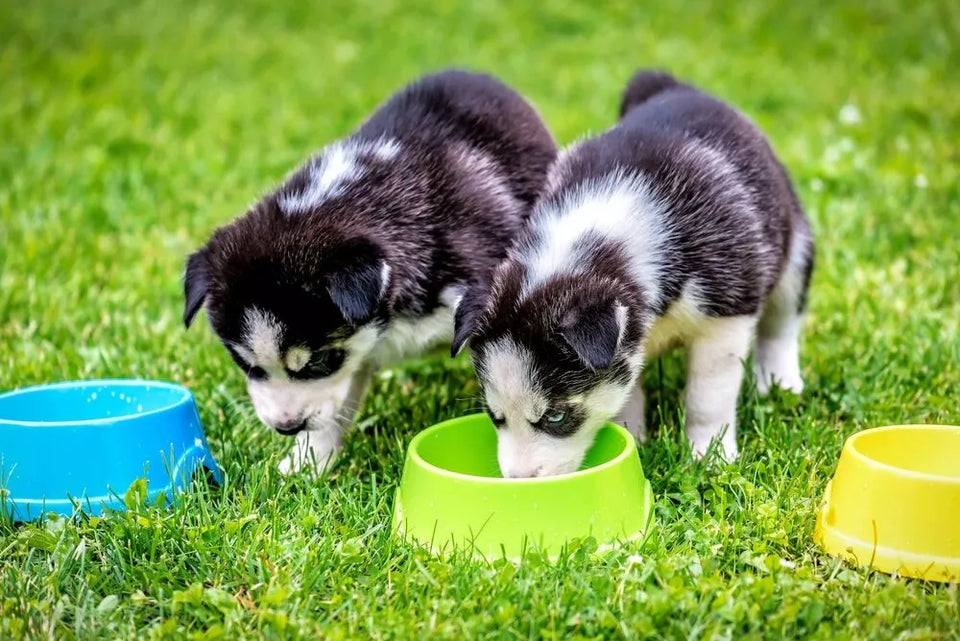
Husky puppies grow fast during the first six months. They need high-protein food to support muscle and bone growth. Puppy food has extra calories and nutrients for their energy levels. Feeding adult food too early can slow their development. Stick to puppy food until they reach about one year old.
Adolescence
Between 6 to 12 months, Huskys enter adolescence. Their growth rate slows but energy needs stay high. Some Huskys may start showing adult behavior and slower growth. This stage requires a balanced diet with moderate calories. Gradually introduce adult dog food during this time. Watch their weight and health closely.
Adulthood
Huskys become adults around 12 months old. Their growth completes and energy needs stabilize. Adult dog food supports maintenance, not growth. It contains fewer calories and different nutrient ratios. Switching to adult food prevents obesity and health issues. Choose food made for active adult dogs to keep them fit and strong.

Credit: www.reddit.com
Signs Huskys Need Adult Food
Huskys grow fast and their needs change quickly. Knowing the signs that they need adult food helps keep them healthy. Watch your dog closely for clues. These signs show it’s time to change their diet.
Physical Development Indicators
- Husky reaches about 80% of adult size
- Teeth fully grown and strong
- Coat changes from puppy softness to adult texture
- Body shape becomes leaner and more muscular
- Growth plates in bones start to close
Behavioral Changes
- Energy levels become steadier, less hyperactive
- Less chewing on everything, more focused behavior
- Increased independence and confidence
- Changes in sleep patterns with longer rest periods
- More interest in exploring and socializing
Nutritional Needs Shift
- Calorie needs decrease compared to puppy stage
- Higher protein and fat for muscle maintenance
- Balanced vitamins and minerals for adult health
- Less demand for calcium and phosphorus
- Need for joint support nutrients increases
Recommended Age For Switching
Deciding the right time to switch your Husky from puppy food to adult dog food can impact their health and energy levels. Knowing the recommended age for this transition helps you meet their nutritional needs effectively. Let’s look at the general age guidelines and breed-specific details to guide your decision.
General Age Guidelines
Most Huskys are ready to switch to adult dog food between 12 to 18 months. During this period, their growth rate slows down, and their nutritional needs shift from development-focused to maintenance-focused.
Switching too early may lead to nutritional imbalances, while switching too late can cause unnecessary weight gain. Watch for signs like reduced activity levels or changes in appetite to help time the switch.
- Small to medium breeds often switch around 12 months.
- Larger breeds might need to wait until closer to 18 months.
Breed-specific Considerations
Huskys mature at a different pace compared to other breeds. Their high energy and lean body type mean they require a tailored approach when switching foods.
Since Huskys are medium-sized but have a unique metabolism, many experts recommend switching closer to 15 months. This timing supports their sustained energy without risking excess calories.
Have you noticed your Husky’s coat texture or activity level changing? These can be clues that their diet needs adjusting to match their adult stage.
Choosing The Right Adult Dog Food
Switching to adult dog food is important as Huskys grow and their nutritional needs change. Usually, this happens around one year of age. Choosing the right food helps maintain their health and energy levels.
Choosing the right adult dog food for your Husky is crucial. It ensures your furry friend stays healthy and active. Transitioning to adult food is a significant step. It requires careful consideration of various factors. Understanding these factors helps maintain your Husky’s well-being. Let’s explore the essential aspects of choosing the right adult dog food.Nutrient Requirements
Huskies need a balanced diet rich in nutrients. Protein is vital for muscle maintenance and energy. Look for foods with high-quality proteins like chicken or fish. Healthy fats support their energetic lifestyle and shiny coat. Omega-3 and Omega-6 fatty acids are beneficial. Vitamins and minerals are also important. They support immune health and bone strength. Ensure the food includes essential vitamins like A, C, and E. Calcium and phosphorus are crucial for bone health.Quality Ingredients
Quality ingredients impact your Husky’s health significantly. Choose foods with natural, whole ingredients. Avoid foods with artificial colors, flavors, or preservatives. Whole grains, vegetables, and fruits provide essential nutrients. Check the ingredient list for real meat as the first ingredient. This ensures a protein-rich diet. Avoid by-products and fillers which offer little nutritional value.Special Dietary Needs
Some Huskies may have special dietary needs. Allergies or sensitivities require specific attention. Look for hypoallergenic or limited-ingredient diets if needed. Senior Huskies may need joint-supporting nutrients. Glucosamine and chondroitin can help. Consider the unique needs of your Husky when selecting food. Consulting a veterinarian can provide personalized advice. Choosing the right food is essential for your Husky’s health. Make informed decisions to keep your furry friend thriving.Transitioning To Adult Food Smoothly
Switching your Husky from puppy food to adult dog food requires care. A smooth transition helps avoid digestive problems. Gradually changing the diet lets your dog adjust easily. This section explains how to make the switch gentle and effective.
Gradual Food Mixing
Mix the new adult food with the old puppy food. Start with a small amount of adult food, about 25%. Increase this amount every few days. By two weeks, your Husky should eat only adult food. This slow change helps the stomach adapt without upset.
Monitoring Reactions
Watch your Husky’s behavior and health closely during the switch. Check for signs like vomiting, diarrhea, or loss of appetite. Also, note changes in energy or coat condition. If problems appear, slow down the transition or consult a vet. Early detection keeps your dog comfortable and healthy.
Adjusting Portions
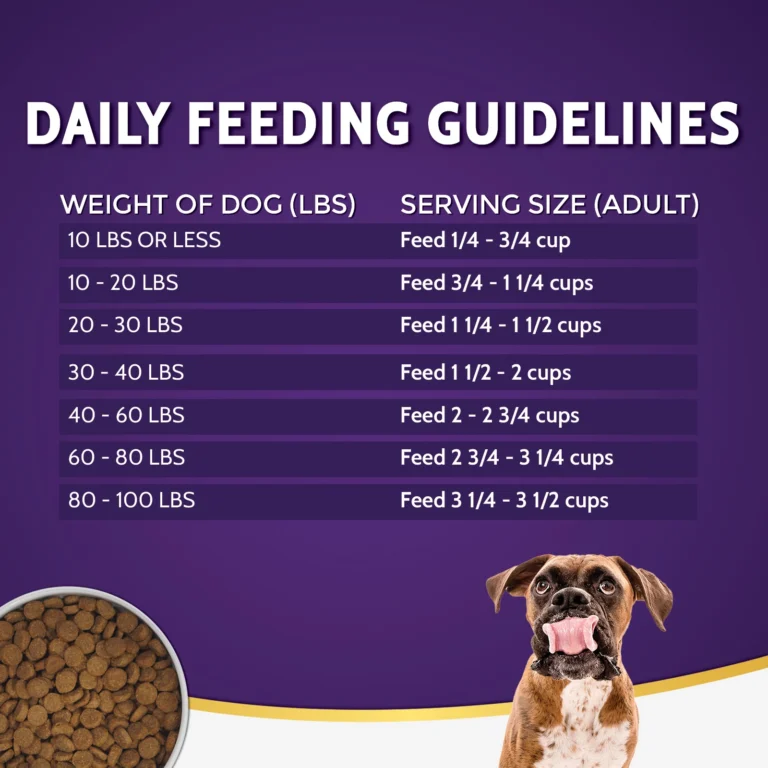
Adult Huskys need different food amounts than puppies. Follow feeding guidelines on the adult food package. Adjust portions based on your dog’s weight and activity level. Keep an eye on your Husky’s body condition. Modify the amount to maintain a healthy weight and energy.
Credit: timberwolfpet.com
Common Mistakes To Avoid
Knowing when to switch your Husky to adult dog food is crucial, but avoiding common mistakes is just as important. Many dog owners either rush the transition or delay it, which can affect your dog’s health and energy. Understanding what to watch out for helps you make the best choice for your pet’s unique needs.
Switching Too Early Or Late
Switching to adult dog food too early can deprive your Husky of essential nutrients needed for growth. On the other hand, waiting too long might lead to overeating or nutrient imbalances. Have you noticed changes in your dog’s coat or energy levels? These can be signs it’s time to adjust their diet promptly.
Ignoring Huskys’ Unique Needs
Huskys are active and have specific dietary requirements. Feeding them generic adult food without considering their energy output or size can cause weight issues. Remember, what works for one breed may not suit yours. Tailoring food choices to your Husky’s lifestyle keeps them fit and happy.
Neglecting Regular Vet Checkups
Skipping vet visits means missing out on professional advice about your dog’s diet. Vets can spot early signs of nutritional deficiencies or allergies that you might overlook. How often do you check in with your vet about your Husky’s food and health? Regular checkups ensure you’re on the right track.
Veterinarian Recommendations
Veterinarians provide the best advice about switching your husky to adult dog food. They consider your pet’s health, age, and activity level. Their guidance ensures the diet meets all nutritional needs during growth and adulthood.
When To Consult A Vet
Visit the vet before changing your husky’s food. They will check your dog’s weight, teeth, and overall health. The vet can spot signs that your husky is ready for adult food. This visit helps prevent digestive problems or nutrient gaps.
Tailored Feeding Plans
Each husky is unique. Vets create feeding plans based on your dog’s specific needs. Plans may include special food types or feeding schedules. This approach supports healthy growth and keeps your husky strong and energetic.
Credit: zignature.com
Frequently Asked Questions
When Should I Switch My Husky To Adult Dog Food?
Switch your Husky to adult dog food around 12 months old. Large breeds like Huskys mature slower, so wait for full growth signs. Consult your vet to confirm the best time for the switch.
What Are Signs My Husky Needs Adult Dog Food?
Look for slowed growth and reduced calorie needs in your Husky. Adult dog food suits their energy and nutrient requirements better. Changes in activity and weight also signal it’s time to switch.
Can I Switch My Husky Too Early To Adult Food?
Switching too early can cause nutritional imbalances. Puppy food supports growth, so premature switching might affect bone and muscle development. Always follow vet advice for the correct timing.
How To Transition Huskys To Adult Dog Food Smoothly?
Gradually mix adult food with puppy food over 7-10 days. Increase adult food portion daily to avoid digestive upset. Monitor your Husky’s response and adjust pace if needed.
Conclusion
Switching to adult dog food helps your husky stay healthy and strong. Watch their growth and energy to know the right time. Choose food made for adult dogs with good nutrients. This change supports their bones, muscles, and overall health.
Keep an eye on their weight and coat shine too. Feeding the right food keeps your husky happy every day. Small changes can make a big difference in their life. Trust your care to give your dog the best nutrition.