Are you wondering if you can feed your puppy adult dog food? It’s a common question that many new dog owners face.
Choosing the right food for your puppy is crucial for their growth, health, and happiness. Feeding the wrong food could lead to problems you don’t want. You’ll discover the truth about adult dog food for puppies and learn how to keep your furry friend strong and healthy.
Keep reading to find out what’s best for your puppy’s diet!
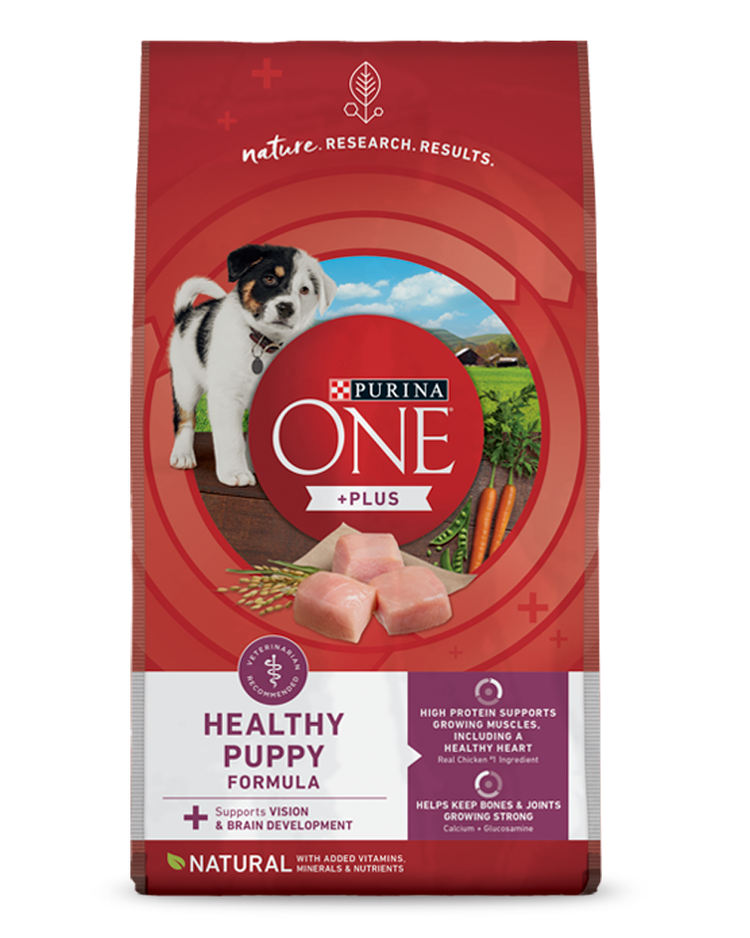
Credit: www.purina.com
Puppy Nutritional Needs
Understanding puppy nutritional needs is key when deciding what to feed your growing dog. Puppies aren’t just small adults; their bodies require specific nutrients to support rapid growth and development. Feeding them the right food ensures they build strong bones, muscles, and a healthy immune system.
Growth Requirements
Puppies grow quickly, especially during their first few months. Their bodies need extra calories compared to adult dogs to fuel this growth. You might notice your puppy eating more frequently and being more active—that’s their body demanding more energy.
Growth isn’t just about size; it’s about developing organs, brain function, and coordination. This means their diet must provide more protein and fat than adult dog food to meet these demands. Have you ever seen a puppy suddenly slow down? It could be a sign their diet isn’t meeting these energy needs.
Essential Nutrients For Puppies
Puppies require a balance of nutrients that adult dogs don’t need as much of. Key nutrients include:
- Protein:Builds muscles and repairs tissues.
- Fat:Provides energy and helps brain development.
- Calcium and Phosphorus:Strengthen bones and teeth.
- DHA (an omega-3 fatty acid):Supports healthy brain and eye development.
- Vitamins and Minerals:Aid overall growth and immune health.
Adult dog food often lacks the higher concentrations of these nutrients necessary for puppies. If you’ve ever tried feeding adult food to a puppy, you might have noticed less enthusiasm during mealtime or slower growth. Does your puppy’s food label mention “complete and balanced for all life stages”? That’s a good indicator it meets these essential needs.
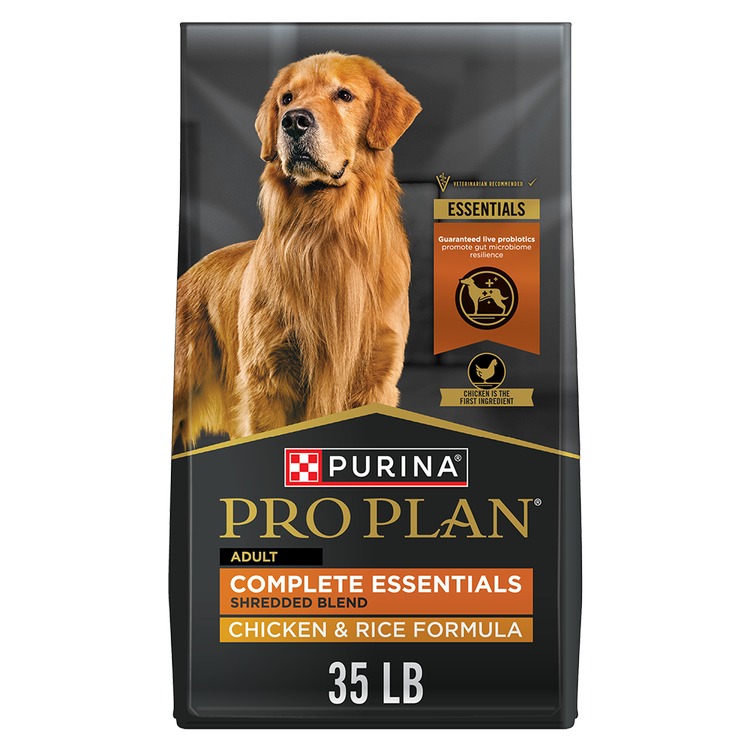
Credit: www.purina.com
Differences Between Puppy And Adult Food
Puppies and adult dogs have very different nutritional needs. Feeding your puppy adult dog food might seem convenient, but it can affect their growth and health. Understanding the key differences between puppy and adult food helps you make the best choice for your furry friend’s diet.
Calorie Content
Puppies burn a lot of energy growing and playing, so their food has more calories than adult dog food. This extra energy supports healthy development and keeps them active throughout the day.
Adult dog food has fewer calories to prevent weight gain since adult dogs tend to be less active. Have you noticed how your puppy seems hungrier than your older dog? That’s a clue their calorie needs are higher.
Protein And Fat Levels
Puppy food contains higher protein and fat to build muscles and develop a strong immune system. These nutrients are essential during the rapid growth phase.
Adult dog food has lower protein and fat because adults need maintenance, not growth. Feeding adult food to a puppy means they might miss out on vital nutrients needed for healthy bones and coat.
Vitamin And Mineral Balance
Puppy formulas include a tailored balance of vitamins and minerals such as calcium and phosphorus for bone and teeth development. These nutrients support your puppy’s overall growth and brain function.
Adult food focuses on keeping your dog healthy rather than growing. It has a different balance that suits mature dogs but might fall short for puppies.
Could using adult dog food slow down your puppy’s growth? It’s worth considering how these differences impact your puppy’s future health before making a food switch.
Risks Of Feeding Adult Food To Puppies
Feeding puppies adult dog food can cause nutrient imbalances and digestive issues. Puppies need special nutrients to grow strong and healthy. Using adult food may slow their development and harm their health.
Feeding puppies adult dog food might seem harmless, but it poses significant risks that can affect your furry friend’s development and overall health. Puppies have unique dietary needs that differ greatly from adult dogs, and ignoring these needs can lead to serious problems. Let’s explore some of the key risks associated with feeding adult dog food to puppies.Nutritional Deficiencies
Puppies are in a critical growth phase and need specific nutrients to support their development. Adult dog food often lacks the right balance of proteins, fats, and essential vitamins required for this stage. Missing out on these vital nutrients can lead to stunted growth and developmental issues. Imagine trying to run a marathon on a diet meant for a leisurely stroll. Your puppy needs fuel that matches its energy levels and growth demands. Ensure you’re providing a diet specifically formulated for puppies to keep them healthy and active.Digestive Issues
Puppies have sensitive digestive systems that can be easily upset by adult dog food. The ingredients and nutrient density in adult formulations might cause stomach upset, leading to diarrhea or vomiting. This can be distressing for both you and your puppy. You wouldn’t give a toddler a spicy curry, would you? It’s crucial to choose food that aligns with your puppy’s delicate digestive needs. Pay attention to how your puppy responds to their food and consult a vet if you notice any digestive troubles.Long-term Health Consequences
Feeding adult dog food to puppies can have lasting health impacts. A lack of appropriate nutrition during the early stages can predispose them to chronic conditions like obesity or joint problems later in life. This can shorten their lifespan and diminish their quality of life. Think about the foundation you’re setting for your puppy’s future. Investing in the right food today can save you from heartache and vet bills down the road. It’s worth the effort to ensure they have a healthy start in life. Have you ever considered how much your puppy’s future depends on the choices you make today? Providing the right nutrition now sets the stage for a long, healthy, and happy life. Always choose puppy-specific food and consult your veterinarian for guidance tailored to your pet’s unique needs.When Adult Food Might Be Acceptable
Knowing when adult dog food might be okay for your puppy is important. While puppies need special nutrition to grow properly, there are times when feeding adult food temporarily can work without causing harm. Understanding these moments helps you make smart choices for your pet’s health.
Short-term Feeding Scenarios
Sometimes, you might run out of puppy food or face an emergency where only adult dog food is available. In these short-term situations, feeding your puppy adult food for a day or two is usually safe. Just watch your puppy closely for any signs of upset stomach or lack of energy.
Another scenario is when your puppy is very close to switching to adult food, usually around 12 months old. Gradually introducing adult food before the full switch can ease the transition. This helps avoid digestive issues that sudden changes might cause.
Veterinary Recommendations
Your vet knows your puppy’s specific health needs better than anyone else. They might suggest adult dog food temporarily if your puppy has certain medical conditions or dietary restrictions. Always ask your vet before making changes to your puppy’s diet.
In some cases, vets recommend adult food with added supplements to support recovery or special care. Following their advice ensures your puppy gets the right nutrients even when not eating puppy-specific formulas. Have you checked with your vet about your puppy’s diet lately?
Choosing The Right Food For Your Puppy
Choosing the right food for your puppy is very important for healthy growth. Puppies need different nutrients than adult dogs. Their food must support their energy, development, and immune system. Feeding adult dog food to puppies can cause nutritional gaps or excesses. Careful selection ensures your puppy gets the right balance of protein, fat, vitamins, and minerals.
Reading Food Labels
Food labels provide vital information about ingredients and nutrients. Look for foods that meet AAFCO standards for puppies. The label should list high-quality protein sources first. Check for added vitamins and minerals essential for growth. Avoid foods with too many fillers or artificial additives. Nutritional content affects your puppy’s health and energy.
Consulting With A Vet
Your veterinarian knows your puppy’s specific needs. They can recommend the best type of food based on breed, size, and health. Vets can identify allergies or sensitivities early. Regular check-ups help adjust diet as your puppy grows. Follow your vet’s advice to keep your puppy strong and healthy.
Considering Special Dietary Needs
Some puppies have unique dietary requirements. Puppies with allergies need hypoallergenic or limited-ingredient diets. Large breed puppies require food that supports bone and joint health. Puppies with medical conditions may need prescription diets. Understanding these needs helps prevent health problems. Tailor your puppy’s food to fit their special needs.

Credit: us.eukanuba.com
Transitioning Between Puppy And Adult Food
Changing your puppy’s food to adult dog food is an important step. It ensures they get the right nutrients as they grow. Transitioning too fast can upset their stomach. Too slow might delay their development. Knowing the right time and how to switch helps your puppy stay healthy and happy.
Timing The Switch
Most puppies need adult dog food by 9 to 12 months old. Large breeds might need more time, up to 18 months. Small breeds often switch earlier, around 9 months. Check your vet’s advice for your puppy’s breed and size. Watch for signs like slower growth or less energy. These can show they need adult food.
Step-by-step Transition Process
Switch food slowly over 7 to 10 days. Mix a small amount of adult food with puppy food first. Gradually increase the adult food amount each day.
- Days 1-3: 25% adult food, 75% puppy food
- Days 4-6: 50% adult food, 50% puppy food
- Days 7-9: 75% adult food, 25% puppy food
- Day 10: 100% adult food
Watch your puppy’s stool and appetite. Any vomiting or diarrhea means slow down the transition. Keep fresh water available at all times. Feeding the right food helps your dog grow strong and healthy.
Expert Tips For Healthy Puppy Feeding
Feeding puppies the right way is key to their growth and health. Puppies have different needs than adult dogs. Experts suggest careful feeding to support strong bones and a healthy coat. Proper feeding also helps avoid digestive issues and supports energy levels.
Here are some expert tips to guide you in feeding your puppy well. These tips cover schedules, portion control, and monitoring growth for a healthy puppy.
Feeding Schedules
Puppies need regular meals every day. Young puppies usually eat three to four times daily. As they grow, reduce meals to two times a day. Consistent timing helps puppies feel secure. Avoid free feeding, which can lead to overeating.
Portion Control
Feed the right amount to match the puppy’s size and age. Overfeeding can cause obesity, while underfeeding slows growth. Use the puppy food package as a guide. Adjust portions based on activity level and vet advice. Measure food with a cup for accuracy.
Monitoring Growth And Health
Track your puppy’s weight and size regularly. Watch for steady, healthy growth patterns. Check the puppy’s coat and energy for signs of good health. Contact a vet if you see weight loss or poor appetite. Keep a feeding journal to note changes.
Frequently Asked Questions
Can Puppies Eat Adult Dog Food Safely?
Puppies should not eat adult dog food regularly. Adult food lacks essential nutrients for growth. It may cause nutrient deficiencies and slow development.
What Happens If Puppies Eat Adult Dog Food?
Feeding puppies adult food can lead to poor bone growth. They may miss vital vitamins and minerals. This risks their overall health and immune system.
When Can Puppies Switch To Adult Dog Food?
Puppies can switch to adult dog food around 12 months. Large breeds may need more time. Consult your vet for the best transition time.
Is Adult Dog Food Harmful To Small Breed Puppies?
Adult dog food is not ideal for small breed puppies. It may not meet their high energy and nutrient needs. Puppy food supports their rapid growth better.
Conclusion
Feeding puppies adult dog food is not ideal for their growth. Puppies need special nutrients to build strong bones and muscles. Adult food lacks some important vitamins and minerals for puppies. Using adult food might cause health problems in young dogs.
Always choose food made specifically for puppies. It helps them grow healthy and happy. Consult your vet for the best feeding advice. Proper nutrition sets a good foundation for their future. Keep your puppy’s diet balanced and age-appropriate. That’s the key to a healthy dog life.