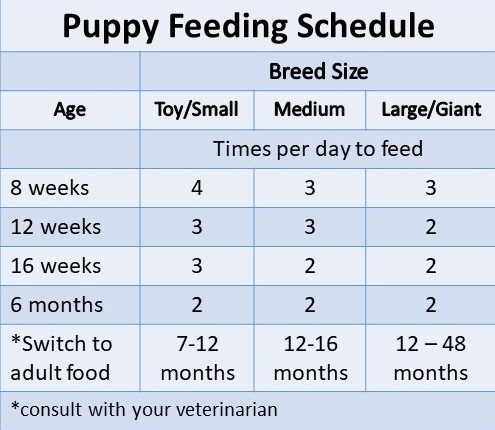

You want the best for your puppy, and feeding them the right food is a big part of that. But when exactly should you switch your puppy to adult dog food?
Making this change at the right time can keep your dog healthy and full of energy. If you switch too early or too late, it might affect their growth and wellbeing. Keep reading to find out the signs to watch for and the perfect moment to make this important switch for your furry friend.
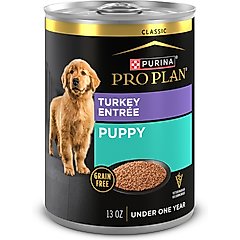
Credit: www.chewy.com
Puppy Growth Stages
Puppy growth stages are crucial for their health and diet needs. Each stage demands different nutrition for strong bones, muscles, and energy. Knowing these stages helps decide the right time to switch from puppy to adult dog food. Growth isn’t the same for all puppies. It varies by age and breed size. Understanding this helps support healthy development and avoid digestive issues.
From Newborn To Weaning
Newborn puppies rely solely on their mother’s milk for nutrition. This milk provides essential antibodies and nutrients. Around 3 to 4 weeks old, puppies start weaning. They begin eating soft, mushy food alongside nursing. Weaning prepares their digestive system for solid food. By 6 to 8 weeks, most puppies fully transition to solid food. This stage is key for introducing balanced nutrition.
Key Milestones In Development
Puppies reach important growth milestones in the first year. Teeth start coming in at about 3 weeks old. They become more active and social between 4 to 8 weeks. Rapid growth happens from 8 weeks to 6 months. Muscles and bones strengthen during this time. By 12 months, many puppies reach near adult size. These milestones guide feeding needs and food changes.
Breed Size And Growth Rates
Small, medium, and large breeds grow at different speeds. Small breeds reach adult size faster, often by 9 to 12 months. Medium breeds grow steadily and mature around 12 months. Large and giant breeds take longer, sometimes 18 to 24 months. Large breeds need special diets to support slow, steady growth. Adjusting food types based on breed size prevents health problems.
Nutritional Needs Of Puppies
Puppies have very different nutritional needs compared to adult dogs. Their bodies are growing quickly, so they require food that supports strong bones, muscle development, and a healthy immune system. Understanding these needs helps you choose the right food at the right time, ensuring your puppy develops into a healthy adult dog.
Essential Nutrients For Growth
Puppies need higher levels of protein to build muscles and tissues. Calcium and phosphorus are crucial for developing strong bones and teeth. DHA, an omega-3 fatty acid, supports brain and eye development.
- Protein:Helps repair and build new tissues.
- Calcium & Phosphorus:Essential for skeletal growth.
- DHA:Supports cognitive and visual functions.
- Vitamins & Minerals:Boost immune health and energy metabolism.
Have you noticed how your puppy’s energy levels change as they grow? Proper nutrients fuel this vital transformation.
Differences Between Puppy And Adult Food
Puppy food contains more calories per serving because puppies burn more energy. It also has a different balance of nutrients tailored for growth, like higher protein and fat content. Adult dog food focuses on maintenance and often has fewer calories to prevent weight gain.
| Aspect | Puppy Food | Adult Food |
|---|---|---|
| Protein | High (22-32%) | Moderate (18-25%) |
| Fat | Higher (8-20%) | Lower (5-15%) |
| Calories | More calories per cup | Fewer calories per cup |
| Vitamins & Minerals | Enriched for growth | Balanced for maintenance |
Switching to adult food too early might leave your puppy short on the nutrients they need. Have you checked your dog food labels lately to see what’s inside?
Impact Of Nutrition On Health
Good nutrition in puppyhood sets the foundation for lifelong health. Poor nutrition can lead to weak bones, stunted growth, and a weaker immune system. On the other hand, balanced nutrition supports healthy weight, shiny coat, and strong immunity.
I once saw a puppy switch to adult food too soon and struggled with energy and growth issues. Adjusting the diet back to puppy food helped the pup bounce back quickly. This shows how critical the right nutrients are during those early months.
Are you providing your puppy with the right fuel to thrive every day? Paying close attention to their diet now can save you from costly health problems later.
Signs Your Puppy Is Ready
Determining the right time to switch your puppy to adult dog food is crucial for their growth and health. Puppies grow rapidly, and their nutritional needs change as they mature. Knowing the signs that indicate your puppy is ready for this transition ensures they receive the proper nutrients for a healthy life.
Physical Indicators
Watch your puppy’s size and weight. Puppies reach a certain size based on their breed. Small breeds mature faster than large breeds. When they approach their expected adult size, it’s a sign they’re ready. Also, observe their teeth. Permanent teeth mean it’s time to switch food.
Behavioral Changes
Notice changes in activity levels. Puppies are usually very energetic. As they grow, energy levels may stabilize. This could indicate readiness for adult food. If your puppy seems less satisfied after meals, it might be a sign. Adult food can provide the necessary nutrients they need now.
Vet Recommendations
Your vet is a great resource. Regular check-ups help track growth and health. Ask for advice on when to switch food. Vets consider many factors, including breed and health history. They provide guidance tailored to your puppy’s specific needs.

Credit: www.thinkjinx.com
Best Age To Switch Food
Knowing the best age to switch your puppy from puppy food to adult dog food is crucial for their health and development. Feeding the right food at the right time supports their growth without causing digestive issues or nutritional gaps. However, the timing varies depending on your dog’s breed size, as growth rates differ significantly.
Small Breeds Timeline
Small breed puppies, like Chihuahuas or Dachshunds, grow quickly and usually reach full maturity sooner. You can typically switch them to adult food around 9 to 12 months of age. Waiting longer might lead to unnecessary calorie intake and weight gain, so keep an eye on their growth and energy levels as you approach this age.
Medium Breeds Timeline
Medium breeds such as Beagles and Cocker Spaniels generally mature a bit slower than small breeds. Most medium-sized dogs are ready to transition between 12 and 14 months. Watch for signs like a steady weight and slowed growth to help decide if your dog is ready for adult food.
Large And Giant Breeds Timeline
Large breeds like Labradors and German Shepherds, and giant breeds such as Great Danes, grow at a slower pace and require more time on puppy food. Their switch usually happens between 12 and 18 months, sometimes even later for giants. Switching too early can hinder their bone and joint development, so patience is key.
Transitioning Tips
Switching your puppy to adult dog food is a key moment in their growth, but the transition needs care. Sudden changes can upset their stomach or make them refuse their meals. Here are some practical tips to help you make the switch smoothly and keep your pup happy and healthy.
Gradual Food Mixing
Start by mixing a small amount of adult dog food into your puppy’s current food. Over the next 7 to 10 days, slowly increase the proportion of adult food while decreasing the puppy food. This gentle approach helps your puppy’s digestive system adjust without shock.
Remember, some puppies might take longer to accept new flavors, so patience is key. Have you noticed your pup’s favorite flavors? Try to choose adult food that matches those tastes to ease the change.
Monitoring For Digestive Issues
Watch closely for signs like diarrhea, vomiting, or constipation during the transition. If these issues appear, slow down the food mixing process or consult your vet. Digestive upset can be common but shouldn’t be ignored.
Your puppy’s energy and stool quality are good indicators of how well they’re adapting. If things don’t improve in a few days, it’s worth rechecking the food choice or portion size.
Adjusting Portion Sizes
Adult dog food often has different calorie content than puppy food. Start by feeding the same volume, but track your puppy’s weight and activity level. If your pup seems hungry or gains too much weight, tweak the portion size accordingly.
Don’t hesitate to ask your vet for portion recommendations based on your dog’s breed and size. Have you tried measuring meals instead of free feeding? It can make a big difference in managing healthy growth.
Common Mistakes To Avoid
Knowing when to switch your puppy to adult dog food is crucial, but many pet owners make avoidable mistakes that can affect their dog’s health. These errors often come from rushing the process, overlooking important differences, or not seeking professional advice. Understanding these pitfalls helps you make the best choice for your growing dog’s nutrition.
Switching Too Early Or Late
Switching your puppy to adult food too soon can leave them without enough nutrients for proper growth. Puppies need higher protein and fat levels that adult formulas usually lack. On the other hand, waiting too long may cause unnecessary weight gain or nutritional imbalances.
Think about your puppy’s development stages. Are they still very active and growing rapidly? If yes, their diet should reflect those needs. Timing is key—don’t guess based on age alone; watch their body condition and energy levels closely.
Ignoring Breed Differences
Not all dogs grow at the same rate. Large breeds like Great Danes mature slower than small breeds like Chihuahuas. Feeding a large breed puppy adult food too early can cause bone and joint problems.
Ask yourself: have you researched your breed’s growth timeline? Tailoring food changes to breed specifics prevents health issues. If you’re unsure, check breed-specific feeding guides or ask an expert.
Skipping Vet Advice
Veterinarians provide personalized guidance that considers your puppy’s unique health and growth. Skipping this step can lead to missing signs of nutritional deficiencies or allergies.
Consider the last time you consulted your vet about your puppy’s diet. Regular check-ups help track growth and adjust feeding plans properly. Your vet’s advice can save you from costly mistakes and ensure your puppy thrives.
Adult Dog Food Selection
Selecting the right adult dog food is key for your puppy’s health as they grow. Adult dog food supports their changing nutritional needs. It helps maintain energy, weight, and overall wellness. Choosing the right food involves understanding ingredients, special diets, and how to read labels correctly.
Choosing Quality Ingredients
Focus on foods with real meat as the first ingredient. Meat provides essential protein and amino acids. Avoid foods with fillers like corn or wheat. Whole grains, vegetables, and fruits offer important vitamins and minerals. Quality ingredients support strong muscles and a healthy coat. Natural additives and antioxidants boost your dog’s immune system.
Special Diets And Sensitivities
Some dogs need special diets due to allergies or health issues. Common sensitivities include chicken, beef, or grains. Hypoallergenic or limited-ingredient diets can help. Puppies with digestive problems may require easily digestible food. Consult your vet to identify any food allergies or sensitivities. Tailoring food to your dog’s needs prevents discomfort and illness.
Reading Pet Food Labels
Labels hold important clues about food quality and nutrition. Check the guaranteed analysis for protein, fat, fiber, and moisture levels. Look for AAFCO approval to ensure the food meets nutritional standards. Ingredients are listed by weight, so the first few matter most. Beware of vague terms like “meat by-products.” Clear, specific ingredients indicate better quality.
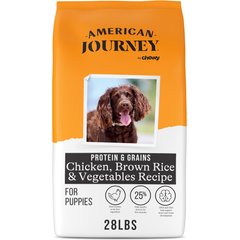
Credit: www.chewy.com
Frequently Asked Questions
When Is The Right Age To Switch Puppy Food?
Most puppies should switch to adult dog food between 12 to 18 months. Large breeds often transition closer to 18 months, while smaller breeds may switch around 12 months. This timing ensures balanced nutrition for growth and maintenance.
How To Know If My Puppy Needs Adult Food?
Watch for slowed growth and increased activity levels. If your puppy is no longer growing rapidly and has reached maturity, it’s time to switch. Consult your vet for personalized advice based on breed and health.
Can Switching Too Early Harm My Puppy?
Yes, switching too early can cause nutritional deficiencies. Puppy food supports rapid growth with higher protein and calories. Transitioning too soon may affect bone development and energy levels.
What Are Signs My Puppy Is Ready For Adult Food?
Signs include stable weight, decreased growth rate, and increased stamina. Your puppy should have adult teeth and show less playful clumsiness. These indicators mean their nutritional needs are shifting.
Conclusion
Puppies grow fast and need the right food to stay healthy. Switching to adult dog food at the right time helps their body develop well. Watch your puppy’s size and breed for clues on when to switch. Consult your vet to make the best choice.
Feeding the right food keeps your dog strong and happy. Remember, a good diet supports a long and active life. Always pay attention to your puppy’s needs as they grow. Simple steps now lead to a healthy adult dog later.