
Are you wondering if it’s okay to keep feeding your senior dog the same adult food? You want what’s best for your furry friend, but with so many options out there, it’s easy to feel confused.
Feeding your older dog the right food can impact their energy, health, and happiness more than you might think. Keep reading to discover why switching their diet could be important and how to make the best choice for your loyal companion’s golden years.
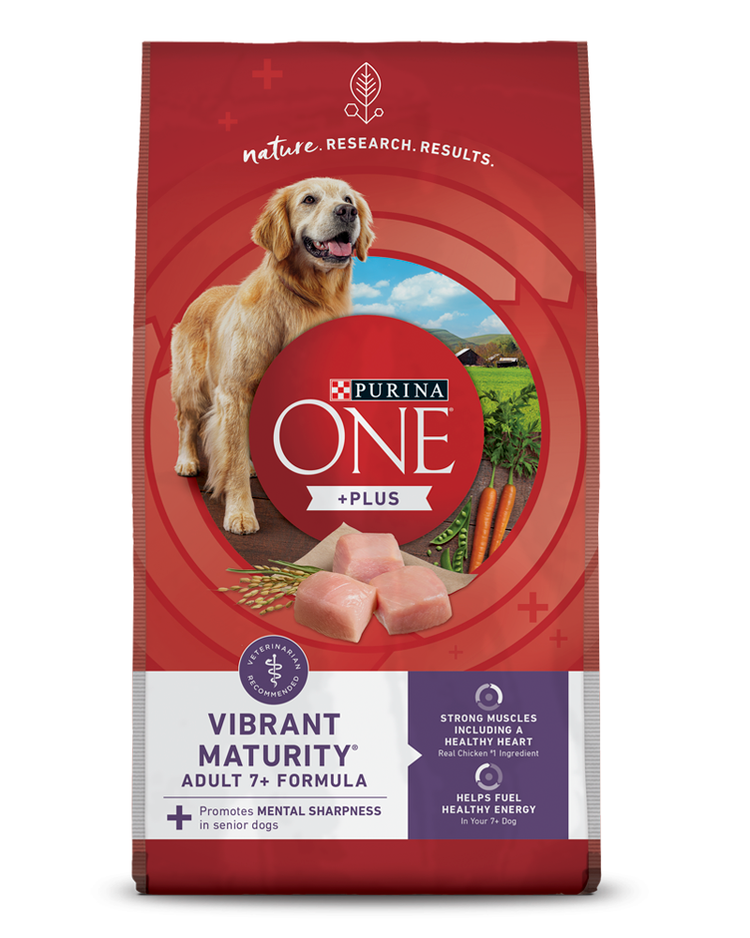
Credit: www.purina.com
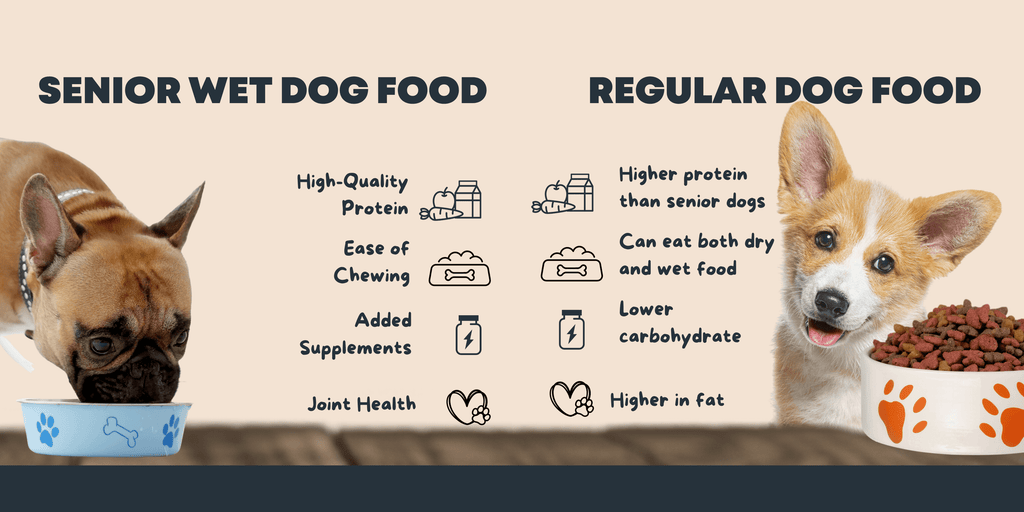
Differences Between Adult And Senior Dog Food
Adult and senior dog foods differ to meet changing needs as dogs age. Senior dogs require diets tailored to support their health and energy levels. These differences help maintain their quality of life and prevent common age-related issues.
Nutritional Needs By Age
Senior dogs need nutrients that support joints, digestion, and immune health. Adult dog food focuses on maintenance and energy for active dogs. Senior formulas often include extra vitamins, minerals, and antioxidants. These help protect against aging effects and keep dogs feeling strong.
Calorie And Protein Content
Senior dog food usually has fewer calories to prevent weight gain. Older dogs burn less energy and need less fuel. Protein content may be adjusted to support muscle maintenance without overloading kidneys. Adult foods often have higher calories and protein for active lifestyles.
Ingredient Variations
Senior diets may include ingredients that aid digestion and joint health. Common additions are fiber, glucosamine, and omega fatty acids. Adult food ingredients focus on balanced nutrition for growth and energy. Both types avoid fillers but target different health goals.
Potential Risks Of Feeding Adult Food To Senior Dogs
Feeding your senior dog adult food might seem like a simple choice, especially if they have always eaten it. However, there are important risks you should consider before making this switch. Senior dogs have unique nutritional needs that adult formulas may not meet, which could affect their health in several ways.
Weight Management Challenges
Adult dog food often contains more calories and fat than senior formulas. This difference can lead to unwanted weight gain in older dogs, who tend to be less active. Excess weight puts extra strain on their heart and organs, making it harder for them to stay healthy.
Have you noticed your senior dog gaining weight after switching foods? That might be a sign that adult food is not right for them anymore.
Joint And Mobility Concerns
Senior dog food typically includes added supplements like glucosamine and chondroitin to support joint health. Adult food usually lacks these important ingredients. Without them, your dog’s joints may stiffen, causing discomfort and reducing their mobility.
If your dog struggles to get up or move around, consider whether their diet is missing key nutrients that help maintain joint function.
Digestive Issues
Older dogs often have more sensitive stomachs. Adult food formulas can contain ingredients that are harder for them to digest. This might lead to upset stomach, diarrhea, or constipation.
Have you ever seen your senior dog experience digestive upset after eating? That could be a sign that their food is too rich or not designed for their age.
When Adult Food Might Be Suitable For Senior Dogs
Adult dog food might be suitable for senior dogs with good health and low activity. Some seniors don’t need special formulas and do well on regular diets. Always check with a vet to ensure proper nutrition.
When Adult Food Might Be Suitable for Senior Dogs Deciding whether to feed your senior dog adult food can be a tricky choice. Many factors can influence this decision, including your dog’s health, activity level, and even your veterinarian’s advice. Let’s explore some key considerations that can help you make the best decision for your furry friend.Health Status Considerations
Your dog’s health status plays a crucial role in determining their dietary needs. If your senior dog is healthy and maintaining a good weight, adult food might be a suitable option. However, if they have health issues like kidney disease or arthritis, a specialized diet might be more appropriate. Regular vet check-ups can give insights into any underlying health concerns. You might discover that a diet change could alleviate some of these issues. Always consider your dog’s unique health needs before making a switch.Veterinary Recommendations
Your veterinarian is your best resource when deciding on your dog’s diet. They can provide tailored advice based on your dog’s medical history and current health status. Sometimes, vets might recommend adult food for seniors who are still active and in good health. It’s important to have an open dialogue with your vet. Ask questions and express any concerns you might have about changing your dog’s diet. Their professional input can guide you in making the most informed choice.Individual Activity Levels
Consider your dog’s activity level when choosing their food. An active senior dog burning plenty of calories might do well on a nutrient-rich adult formula. On the other hand, a less active dog may require fewer calories to avoid weight gain. Reflect on your dog’s daily routine. Do they enjoy long walks or prefer lounging in the sun? Their lifestyle can greatly influence their dietary needs, so think about how active they are before deciding on their food.
Credit: www.businessinsider.com
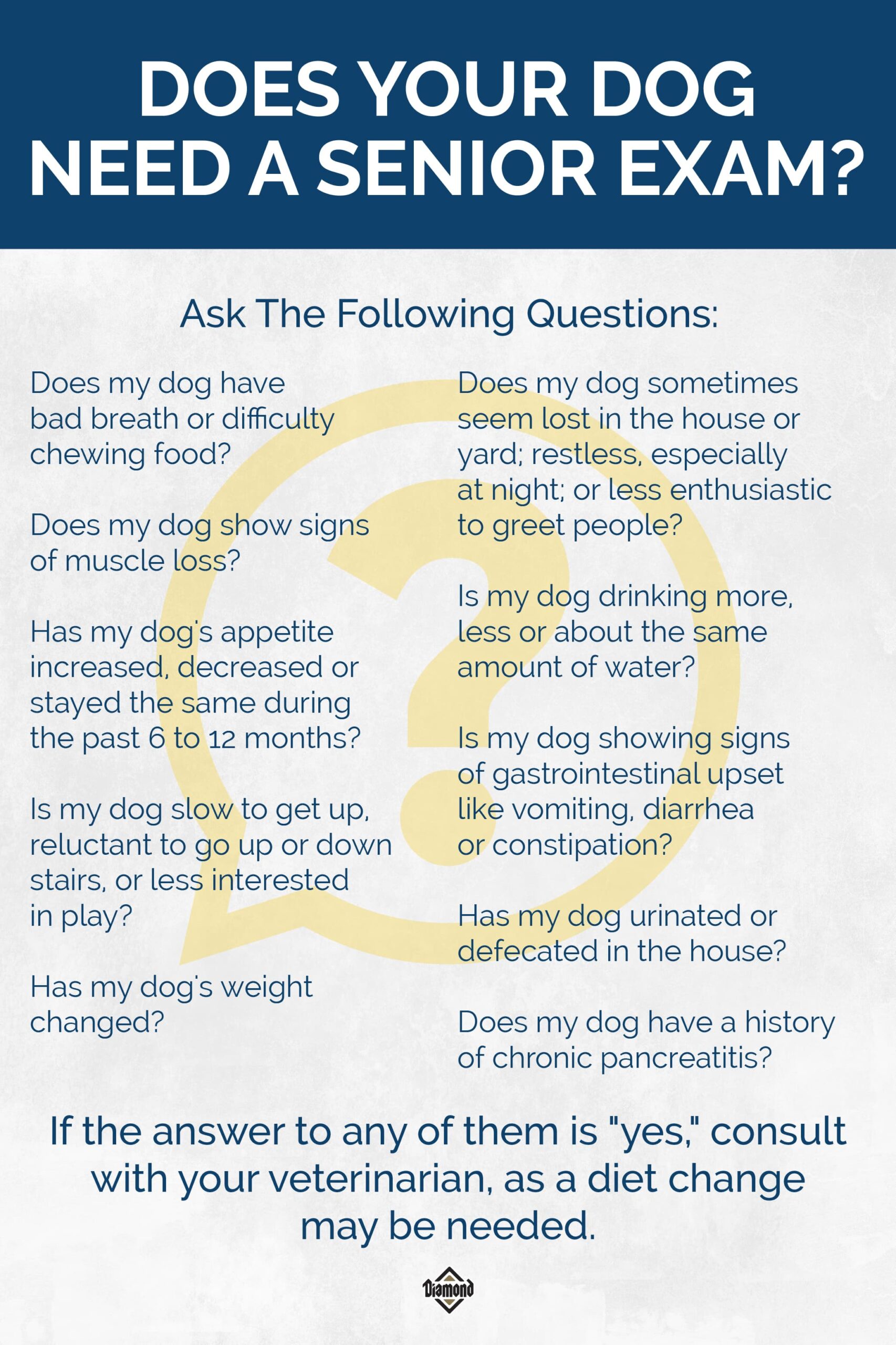
Signs Your Senior Dog Needs Special Nutrition
Noticing changes in your senior dog’s health can be a clear sign that their nutrition needs a shift. Senior dogs don’t just age; their bodies and energy requirements transform. Recognizing these signs early helps you provide the right diet to keep them comfortable and healthy.
Changes In Energy Levels
Have you seen your dog slowing down during walks or less eager to play? A drop in energy often means their metabolism is shifting. Senior dogs may need food with adjusted calorie content to match their activity level and avoid weight gain or fatigue.
On the other hand, if your dog seems restless or hyperactive at odd times, it might indicate imbalanced nutrition or discomfort. Paying attention to these energy shifts can guide you to choose food that supports their vitality without overloading them.
Weight Fluctuations
Sudden weight loss or gain in your older dog is a red flag. Weight loss can signal inadequate nutrients or underlying health issues, while weight gain may point to too many calories or reduced activity.
Tracking your dog’s weight regularly helps you spot these changes early. Adjusting their diet to include senior-specific formulas can provide balanced nutrition that supports a healthy weight and muscle mass.
Coat And Skin Health
Have you noticed your dog’s coat becoming dull or their skin dry and flaky? These are signs their diet might be lacking essential fatty acids or vitamins. Senior dogs often need extra nutrients to maintain skin elasticity and a shiny coat.
Special nutrition can improve their fur texture and skin condition, reducing itchiness and discomfort. A healthy coat is more than looks—it reflects overall well-being, so don’t overlook these subtle hints.
Tips For Transitioning To Senior Dog Food
Switching your dog’s diet from adult food to senior dog food requires care and attention. Sudden changes can upset their stomach or cause them to reject the new food. Here are practical tips to help you make this transition smooth and stress-free for your furry friend.
Gradual Diet Changes
Start by mixing a small amount of senior dog food with your dog’s current adult food. Gradually increase the senior food portion over 7 to 10 days until it completely replaces the adult food.
This slow change helps your dog’s digestive system adjust without discomfort. Have you noticed your dog being picky with new foods before? This gentle approach can reduce that resistance.
Monitoring Reactions
Watch your dog closely for any signs of digestive upset, such as diarrhea, vomiting, or constipation. Changes in energy levels or coat condition can also signal how well they’re adapting.
If you see any negative reactions, slow down the transition or consult your vet. Keeping a daily log of your dog’s behavior and digestion can help identify patterns and guide your next steps.
Selecting Quality Senior Formulas
Choose senior dog foods that offer balanced nutrition tailored to aging pets. Look for formulas rich in joint-supporting ingredients like glucosamine and antioxidants for immune health.
Remember, not all senior foods are created equal—read labels carefully and consider brands with transparent sourcing. What ingredients matter most for your dog’s health needs?
Credit: www.diamondpet.com
Alternative Feeding Options For Senior Dogs
Feeding your senior dog adult food might seem convenient, but exploring alternative feeding options can better support their changing needs. Older dogs often require diets tailored to their health, activity level, and metabolism. Let’s look at practical choices that can keep your furry friend happy and healthy in their golden years.
Homemade Meals
Preparing homemade meals gives you full control over what your senior dog eats. You can adjust ingredients to avoid allergens and include fresh, high-quality proteins like chicken, turkey, or fish. Adding cooked vegetables such as carrots or green beans provides essential vitamins and fiber.
Many pet owners find that homemade meals help their dogs with digestion and weight management. Have you noticed your dog’s energy drop with store-bought food? Trying homemade options might bring back their pep and enthusiasm.
Supplements And Additives
Supplements can fill gaps in your senior dog’s diet that adult food might miss. Omega-3 fatty acids support joint health, while glucosamine can ease arthritis discomfort. Probiotics improve digestion and boost immunity, which often weakens with age.
Adding these to your dog’s meals can be simple—a spoonful of fish oil or a chewable joint supplement goes a long way. But always check with your vet before starting new supplements to ensure they’re safe and effective for your dog’s specific condition.
Specialty Diets
Specialty diets are formulated to meet the unique needs of senior dogs. These diets often have lower calories to prevent weight gain and added nutrients to support brain function and kidney health. Prescription diets may also target health issues like diabetes or heart disease.
Choosing a specialty diet requires understanding your dog’s health status and consulting your vet. Have you ever wondered if your dog’s food could double as a treatment? Specialty diets offer that potential, turning mealtime into a part of their healthcare routine.
Role Of Regular Vet Checkups In Senior Dog Nutrition
Regular vet checkups play a key role in keeping senior dogs healthy. These visits help monitor changes in your dog’s body and diet needs. Nutrition needs change as dogs age. Vets provide guidance to make sure your dog eats well and stays strong.
Adjusting Diets Over Time
Senior dogs’ metabolism slows down. Their energy needs drop, but some nutrients become more important. Vets help adjust food amounts and types. This keeps weight in check and supports joints and organs. Changes happen slowly, so regular checks catch small shifts early.
Detecting Health Issues Early
Health problems can affect appetite and digestion. Early signs might be subtle. Vets spot issues like kidney disease or dental problems. Detecting these early means quicker treatment. This keeps your dog comfortable and able to eat properly.
Personalized Feeding Plans
Each dog ages differently. Vets create feeding plans based on breed, weight, and health. These plans include the right balance of protein, fats, and vitamins. Personalized diets help maintain muscle and energy levels. They also support immune health and overall well-being.
Frequently Asked Questions
Can I Feed My Senior Dog Adult Food Safely?
Yes, you can feed adult food to senior dogs temporarily. However, senior dogs often need more nutrients and fewer calories. Consult your vet to ensure the diet meets your dog’s age-specific health needs for optimal well-being.
What Are The Risks Of Feeding Adult Food To Seniors?
Adult food may lack necessary nutrients seniors need, like joint support or lower calories. This can lead to weight gain or nutrient deficiencies. Feeding adult food long-term might affect your senior dog’s health negatively, so monitor their condition closely.
When Should I Switch My Dog To Senior Food?
Switch to senior food when your dog shows signs of aging, usually around 7 years. Senior formulas support joint health, digestion, and weight management. Consult your vet for personalized timing based on your dog’s breed and health.
How Does Senior Dog Food Differ From Adult Dog Food?
Senior dog food typically has fewer calories, added fiber, and joint-supporting supplements. Adult food is designed for maintenance, while senior formulas address age-related health concerns. This helps senior dogs maintain a healthy weight and mobility.
Conclusion
Senior dogs need food made just for them. Adult dog food may not have the right nutrients. It can miss important vitamins and minerals. Feeding the correct food helps keep your dog healthy. Watch your dog’s weight and energy levels closely.
Talk with your vet about the best diet. Small changes can make a big difference in health. Your dog deserves the best care every day. Choose wisely to keep your senior dog happy.