
Imagine having a loyal companion who can sense when your blood sugar drops dangerously low—before you even notice it yourself. Training a dog to detect low blood sugar can be a game-changer for anyone managing diabetes.
It’s not just about having a pet; it’s about gaining an extra layer of safety and peace of mind. If you want to learn how to teach your dog this incredible skill, keep reading. This guide will walk you through simple, effective steps to make your furry friend your most trusted health alert partner.
Benefits Of Diabetes Alert Dogs
Diabetes alert dogs provide many important benefits for people with diabetes. These dogs help detect low blood sugar before it becomes dangerous. Their training allows them to sense changes in body chemistry that humans cannot notice. This early detection can save lives and improve daily living. The benefits go beyond safety and include emotional support and greater independence.
Improved Safety And Independence
Diabetes alert dogs increase safety by alerting to low blood sugar. They can warn their owner before symptoms appear. This early warning helps avoid accidents and health emergencies. People gain more freedom to do activities alone. They feel safer going out without constant supervision. The dog acts as a reliable companion for managing diabetes risks.
Early Warning Signs
These dogs detect subtle changes in body odor caused by low blood sugar. They alert their owner with specific behaviors, such as pawing or nudging. This early warning gives time to take action quickly. It helps prevent severe hypoglycemia and hospital visits. Early detection also reduces anxiety about sudden drops in blood sugar levels.
Emotional Support
Diabetes alert dogs provide comfort and reduce stress. Their presence helps lessen feelings of fear and loneliness. Owners often develop a strong bond with their dogs. This connection boosts mental health and overall well-being. The dog offers companionship and reassurance during difficult times.
Choosing The Right Dog
Choosing the right dog is crucial for training a reliable low blood sugar detection companion. The right dog can make training easier and more successful. Several factors influence this choice, such as breed, temperament, age, and health. Each aspect plays a key role in the dog’s ability to detect and respond to changes in blood sugar levels.
Ideal Breeds
Some breeds naturally excel in scent detection and obedience. Dogs like Labrador Retrievers, Golden Retrievers, and German Shepherds are popular choices. Their strong noses and eagerness to work help them detect low blood sugar effectively. Smaller breeds like Poodles can also succeed due to their intelligence and trainability. Choosing a breed with a good balance of energy and focus helps in training success.
Temperament Traits
A calm and attentive temperament is essential. The dog must stay focused during training and daily life. Friendly and social dogs adapt better to new situations and people. High energy dogs may struggle to concentrate. Patience and a willingness to please make training smoother. Avoid overly shy or aggressive dogs, as they may not perform well as service animals.
Age And Health Considerations
Young adult dogs usually learn fastest and adapt well. Puppies require more time but can grow into excellent service dogs. Older dogs may have health issues that affect training or stamina. A thorough health check ensures the dog can handle the physical demands. Regular veterinary care keeps the dog in top condition for training and service.
Basic Obedience Training
Training a dog to detect low blood sugar involves using scent recognition. Begin with introducing specific scent samples. Reward the dog with treats for correctly identifying the scent. Consistent practice and positive reinforcement help reinforce the behavior, making the dog reliable in detecting changes in blood sugar levels.
Basic obedience training lays the foundation for any specialized skill you want your dog to learn, including detecting low blood sugar. Start by focusing on establishing a strong communication system with your dog. This involves teaching them to understand and respond to basic commands, which is essential for building a reliable and focused partnership.Commands Every Dog Should Know
Teaching your dog fundamental commands is crucial. Begin with basic commands like sit, stay, come, and leave it. These commands are not just for control but also enhance your dog’s ability to focus, which is critical when they need to alert you to low blood sugar levels. Use positive reinforcement, like treats or praise, to encourage your dog. Consistency is key; practice these commands daily in various environments to ensure your dog responds reliably. How will you know if your dog truly understands? Try the commands in a busy park or while a squirrel dashes by.Building Focus And Discipline
A dog trained to detect low blood sugar must have impeccable focus. Engage your dog in activities that require concentration, such as agility training or puzzle toys. These exercises help sharpen their focus and discipline, which are essential when they need to alert you in a timely manner. Discipline is not just about following commands but also about self-control. You can enhance this by introducing impulse control exercises, like waiting patiently before eating or staying calm in exciting situations. Over time, you’ll notice your dog becoming more attentive and responsive, even in distracting environments. Do you observe your dog getting easily distracted? If so, try increasing the difficulty of their training exercises gradually. This ensures they’re always challenged and learning, ultimately preparing them for the task of detecting low blood sugar.Scent Training Techniques
Scent training techniques help dogs recognize low blood sugar signals through smell. Dogs have a strong sense of smell that allows them to detect chemical changes in the body. Training focuses on teaching dogs to identify and alert their owners when blood sugar drops.
Patience and repetition are key during scent training. Each dog learns at its own pace. Trainers use specific scents related to low blood sugar to build the dog’s recognition skills. Clear rewards encourage the dog to respond correctly.
Introducing Low Blood Sugar Odor
Start by familiarizing the dog with the unique odor linked to low blood sugar. This odor comes from sweat, breath, or skin changes. Use samples taken from people during a low blood sugar episode. Let the dog sniff these samples in a calm and quiet setting.
Repeat this introduction several times. Watch the dog’s reaction. Positive signs include focused sniffing and alert behavior. Reward the dog immediately after showing interest in the odor. This builds a connection between the smell and positive feedback.
Scent Association Methods
Link the low blood sugar odor to a specific action or alert. Train the dog to respond by sitting, pawing, or barking. Use treats or praise to reinforce the behavior. Make sure the response is clear and consistent.
Practice in short sessions daily. Gradually increase distractions to strengthen the dog’s focus. The goal is for the dog to alert reliably in real-life situations. Reinforce the association often to keep the skill sharp.
Using Scent Samples
Collect scent samples safely from the person with diabetes. Use cotton pads or cloths to capture sweat or breath odors. Store samples in sealed containers to keep the scent strong. Replace samples regularly to maintain freshness.
Present samples during training sessions. Vary the scents to help the dog learn to detect the odor despite minor changes. Avoid mixing with other smells to prevent confusion. Consistent use of samples improves the dog’s detection accuracy.
Alert Behavior Training
Alert behavior training is essential for teaching a dog to recognize low blood sugar signs. It involves guiding the dog to show specific signals when sensing changes in your body. This training builds a clear communication system between you and your dog.
Dogs learn to give alerts by associating their behavior with your low blood sugar episodes. Consistency and patience help the dog understand what action to take. Clear alert behaviors ensure you get timely warnings for better safety.
Teaching Alert Signals
Start by choosing simple signals your dog can perform easily. Common alerts include pawing, nudging, or barking softly. Use treats or praise to reward the dog immediately after they perform the alert.
Practice these signals during controlled sessions where you simulate low sugar conditions. Repeat often to help the dog link the alert behavior with your health changes. Keep sessions short but frequent for better learning.
Reinforcing Reliable Alerts
Reinforce alerts by rewarding the dog only when the signal is correct and timely. Avoid giving treats if the alert happens randomly. This helps the dog understand the importance of accuracy.
Use a consistent reward system, such as a special treat or favorite toy. Praise also strengthens the bond and motivation. Track progress and adjust rewards to keep the dog engaged and focused.
Generalizing Alert To Different Settings
Train your dog to alert you in various places and situations. Practice at home, outdoors, and in busy environments. This helps the dog respond reliably no matter where you are.
Change surroundings gradually while maintaining training routines. Introduce distractions step-by-step to improve focus. Generalization ensures your dog can protect you everywhere.
Positive Reinforcement Strategies
Positive reinforcement is key to training your dog to detect low blood sugar. It helps your dog connect specific behaviors with rewards, making them more likely to repeat those actions. Using positive reinforcement creates a trusting and eager learner, which is crucial for such an important task.
Using Treats And Praise
Dogs respond well to treats because they provide immediate satisfaction. Choose small, tasty treats that your dog loves, and give them right after they correctly identify a low blood sugar scent.
But treats alone aren’t enough. Pair them with enthusiastic praise like “Good job!” or “Yes!” to show your dog you’re happy with their effort. This combination strengthens their motivation and makes training sessions enjoyable for both of you.
Timing Rewards Effectively
Timing is everything when rewarding your dog. Deliver the treat and praise immediately after the correct behavior. If you wait too long, your dog won’t understand what earned the reward.
To sharpen your timing, watch your dog’s body language closely. As soon as they alert you to low blood sugar—like sitting or pawing—reward them right away. This clear connection helps your dog learn faster and builds confidence in their role.
Maintaining Motivation
Training can be tough on your dog, so keeping their interest high is important. Vary the rewards occasionally by mixing in different treats or playtime sessions to prevent boredom.
Ask yourself: is your dog still excited to work? If not, try shorter sessions or more frequent breaks. Remember, a motivated dog learns better and is more reliable in real situations.
Advanced Training And Socialization
Training a dog to detect low blood sugar is only part of the journey. Advanced training and socialization prepare your dog to perform reliably in real-life situations. This stage builds confidence and sharpens the dog’s focus despite distractions or unfamiliar environments.
Distraction Training
Your dog must stay alert even when there’s noise, smells, or movement around. Start by adding distractions during regular training sessions. For example, practice detection while playing music, having people walk by, or introducing other animals nearby.
Notice how your dog reacts to distractions. If they lose focus, pause and reward when they re-engage. This teaches your dog that staying attentive, no matter the chaos, leads to rewards.
Public Setting Practice
Taking your dog out in public helps them learn to work in busy places like stores, parks, or public transit. Begin in quieter spots and gradually increase the crowd size. This helps your dog adjust without feeling overwhelmed.
Watch your dog closely for signs of stress or distraction. Guide them back to the task gently, and reward their success. Have you tried practicing in different environments to see how your dog adapts?
Emergency Response Drills
Simulate real emergencies to prepare both you and your dog for quick, effective action. Practice what your dog should do when they detect low blood sugar—like nudging you or fetching help. Make the drills realistic but safe.
Repeat these scenarios regularly so your dog responds automatically. This builds trust and ensures your dog’s actions can save you when it matters most. How confident do you feel your dog would react in a real emergency?

Credit: www.amazon.ca
Monitoring Progress And Adjustments
Training a dog to detect low blood sugar takes time and patience. Monitoring your dog’s progress is key to success. Careful observation helps ensure the dog alerts accurately. Adjustments in training keep your dog on the right track.
Tracking Alert Accuracy
Keep a daily log of your dog’s alert behaviors. Note the times your dog signals low blood sugar. Record if alerts match actual low sugar events. Tracking helps identify patterns and mistakes. Use this data to measure your dog’s reliability.
Adjusting Training Methods
Change training techniques based on your dog’s progress. If alerts are missed, slow down the training pace. Use more frequent rewards for correct alerts. Introduce new scents or signals if needed. Stay patient and flexible to improve results.
Working With Professionals
Consult a dog trainer specialized in medical alert training. They provide expert advice tailored to your dog’s needs. Veterinarians can also guide you on health-related concerns. Professional help boosts your dog’s alert skills. It ensures safe and effective training.
Legal And Ethical Considerations
Training a dog to detect low blood sugar involves more than teaching skills. Legal and ethical considerations are vital. These rules protect both the dog and owner. Understanding them helps ensure proper use of service dogs. Awareness of rights and duties keeps the training respectful and lawful.
Service Dog Certification
Certification proves a dog is trained to assist a person. It shows the dog can detect low blood sugar accurately. Certification may come from professional trainers or organizations. It is not always required by law, but it helps in many situations. Certified dogs gain trust and easier access to public places.
Access Rights And Regulations
Service dogs have legal access to many public spaces. This includes stores, restaurants, and public transport. Laws like the Americans with Disabilities Act protect these rights. Owners must know where the dog is allowed. Some places may ask for proof of the dog’s status. Respecting rules avoids conflicts and penalties.
Responsible Ownership
Owning a service dog requires commitment and care. Dogs need regular training and health checks. Owners must keep the dog under control at all times. Proper behavior ensures safety for everyone. Responsible owners respect the dog’s work and limits. This respect helps maintain public support for service dogs.

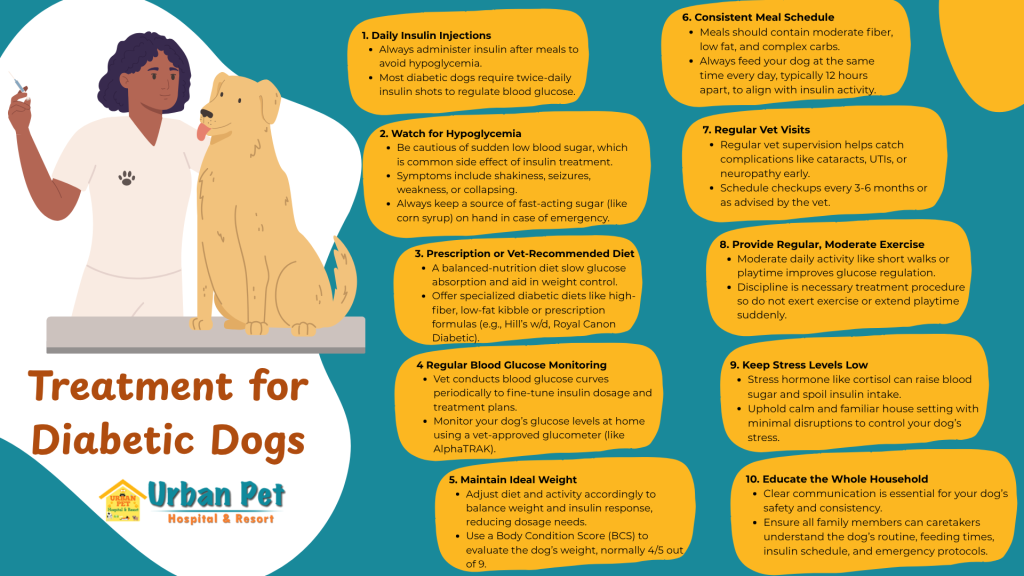
Credit: www.urbanpethospital.com
Credit: en.clickpetroleoegas.com.br
Frequently Asked Questions
How Long Does It Take To Train A Dog For Low Blood Sugar?
Training a dog to detect low blood sugar typically takes 3 to 6 months. Consistent practice and positive reinforcement speed up learning. Each dog learns at its own pace, influenced by breed and training methods.
What Breeds Are Best For Blood Sugar Detection?
Breeds like Labrador Retrievers, Golden Retrievers, and Poodles excel in blood sugar detection. These breeds have strong scent abilities and high trainability. Their temperament also suits medical alert tasks well.
How Do Dogs Detect Low Blood Sugar?
Dogs detect low blood sugar by sensing changes in a person’s scent. Chemical changes in sweat or breath alert the dog. Training teaches dogs to recognize and respond to these unique scent cues.
Can Any Dog Be Trained To Detect Low Blood Sugar?
Most dogs can learn, but success depends on temperament and motivation. Dogs must be eager to work and have a strong sense of smell. Proper training and patience are essential for effective detection skills.
Conclusion
Training a dog to detect low blood sugar takes patience and care. Start with simple steps and reward your dog often. Consistent practice helps your dog learn and respond well. Dogs can sense changes you might miss. Their help can improve safety and peace of mind.
Keep training sessions short and positive for best results. With time, your dog becomes a trusted companion in managing health. Small efforts lead to big benefits for both you and your dog.