
Are you wondering if it’s okay to feed your puppy adult dog food? It’s a question many new dog owners face.
You want to give your puppy the best nutrition, but choosing the right food can be confusing. What if adult dog food is easier or cheaper? Before you make a decision, it’s important to understand how your puppy’s needs differ from an adult dog’s.
Keep reading to discover why feeding your puppy the right food now can shape their health and happiness for years to come.

Credit: us.eukanuba.com
Puppy Nutritional Needs
Puppies have special nutritional needs that differ from adult dogs. Their bodies grow fast. Proper food supports strong bones, muscles, and a healthy immune system. Feeding the right diet helps puppies develop well and stay active.
Adult dog food may not supply all essential nutrients puppies require. Understanding puppy nutritional needs ensures they get a balanced diet for healthy growth.
Growth And Development Requirements
Puppies grow quickly during their first year. They need more calories than adult dogs to fuel this growth. Their organs, muscles, and bones develop rapidly. Proper nutrition supports this process.
Food must be easy to digest and rich in energy. Puppies also need the right balance of protein and fat. These elements promote healthy weight gain and muscle development.
Key Nutrients For Puppies
Protein helps build strong muscles and tissues. Fat provides energy and supports brain development. Calcium and phosphorus are vital for bone growth and strength.
Vitamins and minerals boost the immune system and overall health. Essential fatty acids improve skin and coat condition. A puppy’s diet should include all these nutrients in the correct amounts.
Differences Between Puppy And Adult Food
Puppy food and adult dog food may look similar, but they serve very different nutritional purposes. Puppies are growing rapidly and need specific nutrients to support their development. Adult dogs, on the other hand, require a balanced diet to maintain health and energy without promoting excessive weight gain.
Calorie Content Comparison
Puppy food generally contains more calories than adult dog food. This extra energy supports their fast growth and active nature. Feeding adult dog food to a puppy might not provide enough calories, potentially slowing their development.
Conversely, feeding a high-calorie puppy formula to an adult dog can lead to weight gain. Have you noticed how your puppy seems to have boundless energy? That’s why their food needs more fuel.
Protein And Fat Levels
Puppy food has higher protein and fat levels to build strong muscles and support brain development. Adult dog food contains moderate amounts to maintain muscle mass and overall health. Using adult food for a puppy may result in insufficient protein for proper growth.
Think about your puppy’s playful bursts and quick learning phases. These require more protein and fat than a typical adult dog diet provides. Are you sure your puppy’s food matches their needs?
Vitamin And Mineral Variations
Vitamins and minerals in puppy food are tailored to support bone growth, immune health, and organ development. Adult dog food focuses on maintaining these functions rather than building them. For example, calcium and phosphorus levels are higher in puppy food to help form strong bones.
If you feed adult dog food to a puppy, they might miss out on these critical nutrients. This can affect their long-term health and development. Have you checked your puppy’s food label for these vital nutrients?
Risks Of Feeding Adult Food To Puppies
Feeding adult dog food to puppies can lead to nutrient gaps that affect growth. Puppies need extra protein and fat for healthy development. Using adult food may cause digestion problems and slower growth in young dogs.
Feeding your puppy adult dog food might seem convenient, but it could lead to several risks. Puppies have unique nutritional needs that differ from those of adult dogs. Understanding these risks can help you make informed decisions about your puppy’s diet and overall health.Potential Nutritional Deficiencies
Puppies require more protein, fat, and certain vitamins and minerals than adult dogs. Adult dog food often lacks these essential nutrients in the right proportions. This deficiency can hinder your puppy’s development and lead to long-term health issues. Imagine your puppy missing out on crucial building blocks for growth. Would you want to take that chance?Impact On Growth And Health
Feeding adult dog food to your puppy can affect their growth rate and overall health. Puppies grow rapidly and need the right nutrients to support this growth. Insufficient nutrition can result in weak bones, poor muscle development, and even stunted growth. Consider the impact of a poor diet on your puppy’s future. A balanced diet today sets the foundation for a healthy tomorrow.Digestive Issues
Adult dog food can be harder for puppies to digest due to their developing digestive systems. This can lead to gastrointestinal problems like diarrhea or constipation. An upset stomach can make your puppy uncomfortable and cranky. Have you noticed your puppy struggling with digestion? The wrong diet might be to blame. Feeding your puppy the right food is crucial for their health and happiness. Always consult with your veterinarian to ensure your puppy’s diet meets their specific needs.When Adult Food Might Be Appropriate
Feeding a puppy adult dog food is not common but can be suitable in some cases. Puppies have special nutritional needs for growth. Adult food usually lacks those nutrients. Yet, certain situations call for adult food use. Understanding when adult food might be appropriate helps keep your puppy healthy.
Transitioning To Adult Food
Puppies usually switch to adult food between 9 to 12 months. Large breeds might transition later. This timing supports their growth without overfeeding calories. Gradual change prevents stomach upset. Mix adult food with puppy food over 7 to 10 days. Slowly increase adult food amount while decreasing puppy food. Watch your puppy’s weight and energy during transition.
Special Circumstances And Veterinary Advice
Some puppies need adult food due to health issues. Conditions like obesity or certain allergies may require a special diet. Vets may recommend adult food with specific nutrients. Puppies with slower growth might benefit from adult food formulas. Always consult a vet before changing food. A professional can tailor diet to your puppy’s needs. Regular check-ups ensure the diet supports healthy development.
Tips For Choosing The Right Food
Choosing the right food for your puppy is crucial, especially when considering if adult dog food can meet their nutritional needs. The right choice supports healthy growth and development while preventing nutritional gaps. Here are some essential tips to help you make an informed decision.
Reading Dog Food Labels
Dog food labels reveal what your puppy will actually eat and absorb. Look for key ingredients like high-quality protein sources listed at the top. Avoid foods with excessive fillers such as corn or wheat, which add little nutritional value.
Check the guaranteed analysis section for protein, fat, and fiber percentages. Puppies generally need higher protein and fat levels than adult dogs. Also, watch out for added vitamins and minerals that support puppy growth, such as calcium and DHA.
Consulting With A Veterinarian
Your veterinarian understands your puppy’s specific health needs better than anyone else. They can advise if switching to adult food is safe or if a specialized puppy formula is necessary. This advice is especially important for breeds with unique dietary requirements or health concerns.
Ask your vet about the best brands or formulations for your puppy’s age and size. They may recommend regular check-ups to monitor growth and adjust the diet as needed. Don’t hesitate to discuss any changes you plan to make—your vet’s guidance can prevent costly mistakes.
Balancing Diet And Treats
Even the best food won’t help if your puppy’s diet is unbalanced. Treats should never replace balanced meals but can complement them in moderation. Choose healthy, low-calorie treats and factor them into your puppy’s daily calorie intake.
Keep an eye on how treats affect your puppy’s behavior and digestion. Too many treats can lead to weight gain or upset stomachs. Ask yourself: Are the treats helping with training and bonding, or are they just extra calories?
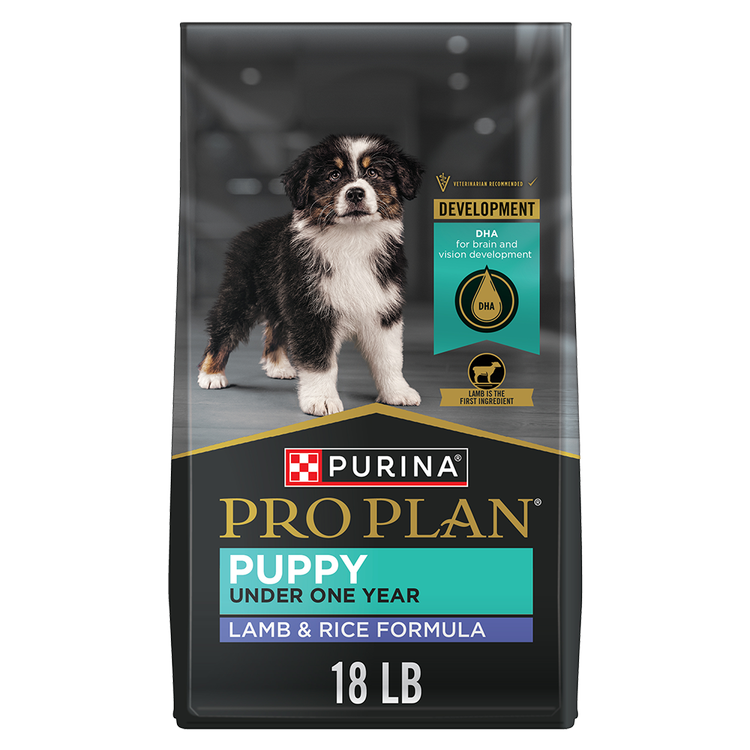
Credit: www.purina.com

Credit: www.petscare.com
Frequently Asked Questions
Can Puppies Eat Adult Dog Food Safely?
Puppies need specific nutrients for growth that adult dog food lacks. Feeding adult food can cause nutritional deficiencies. It’s best to feed puppy-formulated food for balanced growth and development until they reach maturity.
When Should I Switch My Puppy To Adult Food?
Switch your puppy to adult food around 12 months old. Large breeds may need to wait until 18-24 months. Consult your vet to determine the right time based on your puppy’s breed and size.
What Are The Risks Of Feeding Adult Food To Puppies?
Adult dog food may lack essential nutrients like DHA and calcium. This can impair bone growth, brain development, and immune function. Feeding the wrong diet may lead to long-term health issues in puppies.
How To Transition Puppy From Adult To Puppy Food?
Switch gradually over 7-10 days by mixing increasing puppy food amounts with adult food. This minimizes digestive upset and helps your puppy adjust to the new diet comfortably.
Conclusion
Feeding your puppy adult dog food is not the best choice. Puppies need special nutrients to grow strong and healthy. Adult food may lack vitamins and proteins they require. This can affect their development and energy. Always choose food made for puppies during their first year.
Proper nutrition helps your puppy become a happy, healthy dog. Consult your vet for the best feeding advice. Remember, good food means a good start for your puppy’s life.