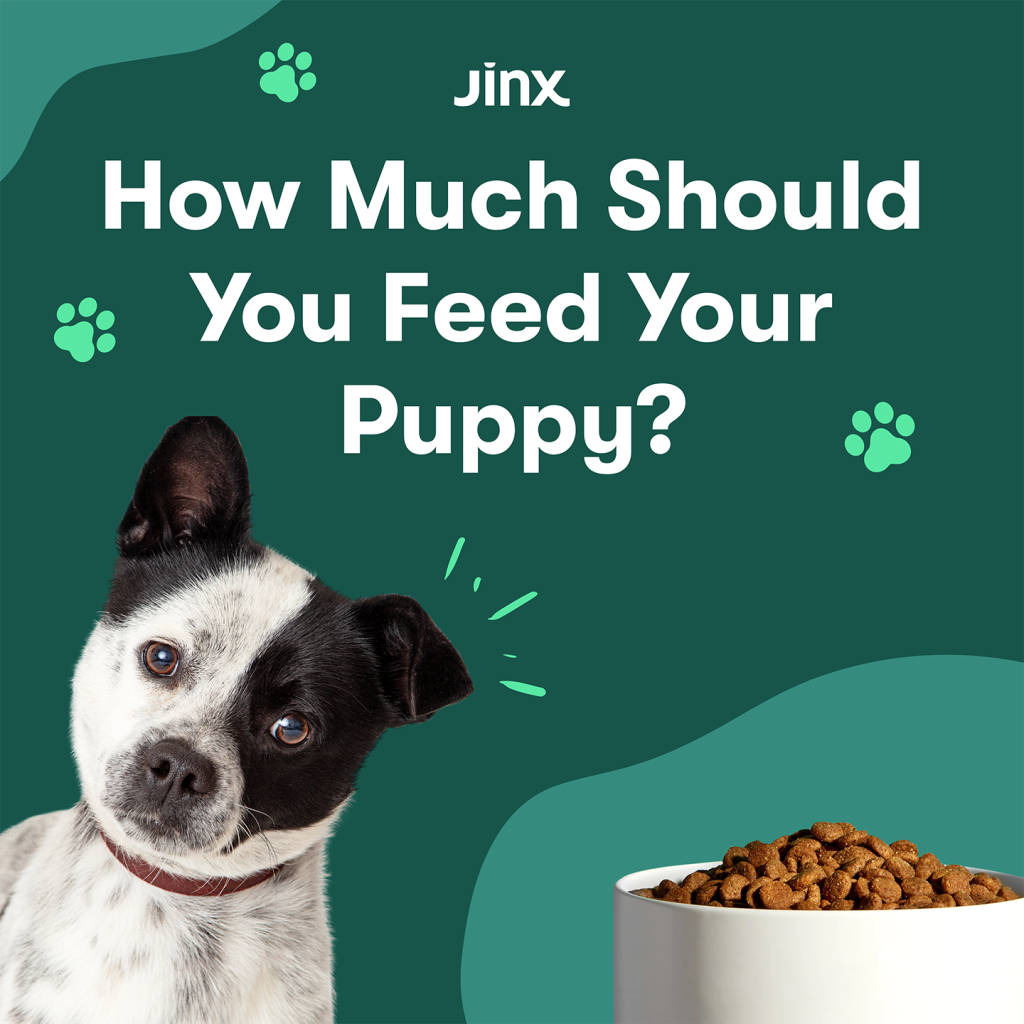

Are you wondering if you can feed your puppy adult dog food? It’s a question many dog owners face, especially when they want to give their furry friend the best start in life.
Choosing the right food is more than just picking a bag off the shelf—it affects your puppy’s growth, health, and happiness. If you want to avoid costly mistakes and keep your puppy thriving, understanding the difference between puppy and adult dog food is key.
Keep reading to find out why this choice matters and what you should do to give your puppy the nutrition they need.
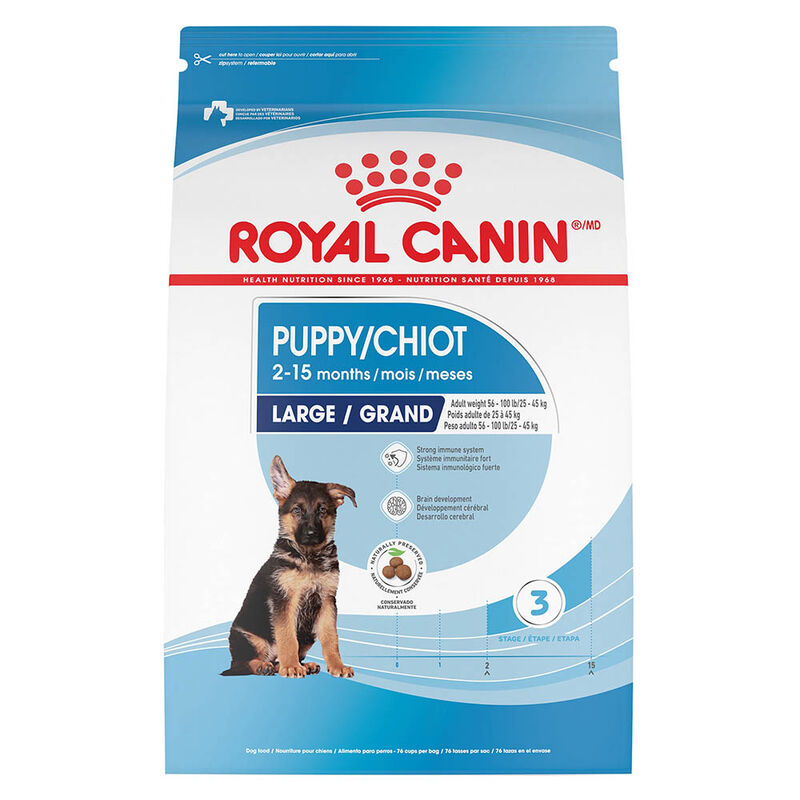
Credit: www.renspets.com
Differences Between Puppy And Adult Dog Food
Understanding the differences between puppy and adult dog food is essential to give your furry friend the right fuel at each stage of life. Puppies have unique needs that adult dogs simply do not, which means feeding them the wrong type of food can affect their growth and health. Let’s break down what sets these foods apart so you can make the best choice for your puppy’s diet.
Nutritional Needs Of Puppies
Puppies require more calories and nutrients than adult dogs because they are growing rapidly. Their bodies need extra protein and fat to build strong muscles and support brain development.
Calcium and phosphorus are crucial for healthy bone growth. Without the right balance, your puppy could develop skeletal problems later on.
Have you ever noticed how much energy puppies have? Their food must keep up with that energy demand, which is why they get more vitamins and minerals compared to adults.
Key Ingredients In Adult Dog Food
Adult dog food is designed to maintain health rather than promote growth. It usually has fewer calories and a different balance of nutrients to prevent weight gain.
Ingredients like fiber help with digestion, and controlled protein levels support muscle maintenance without excess strain on organs.
Adult formulas often include supplements for joint health and antioxidants to support the immune system as dogs age. Does your dog’s food list glucosamine or omega-3s?
Why Formulation Matters
The difference in formulation between puppy and adult dog food is not just about ingredients but their proportions and how they interact in the body.
Feeding your puppy adult food could mean missing out on essential nutrients needed for development. Conversely, adult dogs eating puppy food might gain unhealthy weight.
Choosing the right food helps avoid nutritional gaps and supports your dog’s overall well-being. Are you confident your dog’s current food matches their life stage?
Potential Risks Of Feeding Adult Food To Puppies
Feeding adult dog food to puppies can cause several health problems. Puppies have special needs for growth and energy. Adult food often lacks the right balance of nutrients for young dogs. Using adult food too soon can harm a puppy’s health and development.
Nutrient Deficiencies
Puppies require higher levels of protein, fat, and vitamins. Adult dog food has fewer nutrients needed for puppy growth. This can lead to weak muscles and poor immune function. Essential vitamins like calcium and phosphorus may be too low. Nutrient gaps slow down bone and organ development.
Digestive Issues
Puppy digestive systems are sensitive and still maturing. Adult food has more fiber and less fat than puppy food. This difference can cause stomach upset, diarrhea, or constipation. Puppies may refuse to eat adult food due to taste or texture. Digestive distress reduces nutrient absorption and energy.
Impact On Growth And Development
Proper growth depends on specific nutrients in puppy food. Feeding adult food risks stunting a puppy’s height and weight. Bone formation can weaken, increasing injury risk. Brain and organ development may also slow down. Long-term health problems can result from early diet mistakes.
When Adult Dog Food Might Be Appropriate
Switching your puppy to adult dog food can seem confusing. Puppies have unique nutritional needs. Yet, there are moments when adult food suits them.
Transitioning To Adult Food
Puppies grow fast. As they mature, their dietary needs change. Usually, by one year, they’re ready for adult food. Larger breeds may take longer. Always check your puppy’s breed and growth rate. Start by mixing adult food with their current diet. Gradually increase the adult food portion. This helps avoid digestive issues.
Special Cases And Vet Recommendations
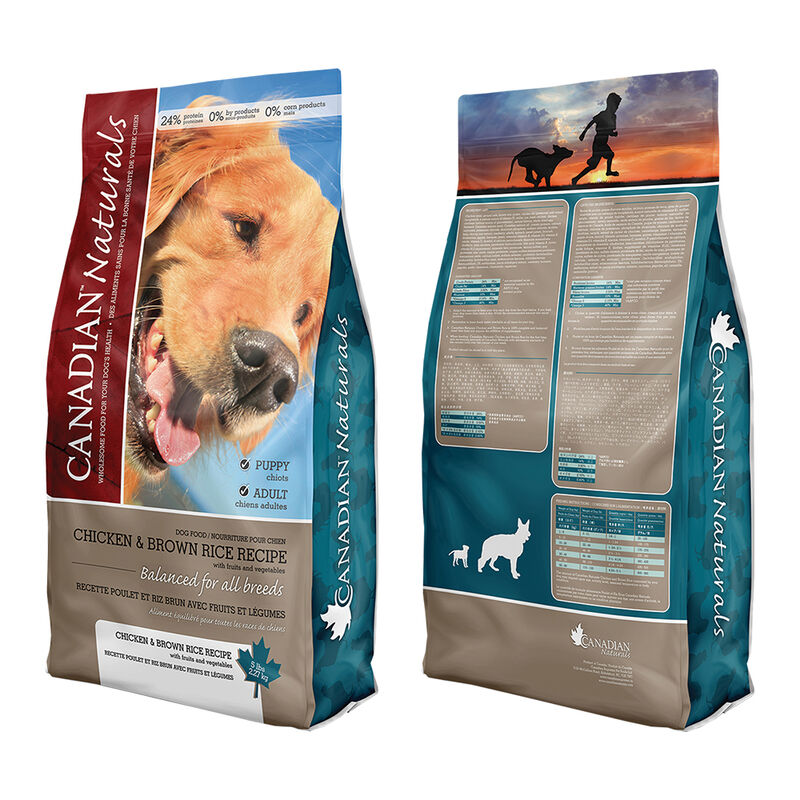
Some puppies may need adult food earlier. For instance, if a puppy gains too much weight. Vets sometimes suggest adult food for overweight puppies. Puppies with specific health issues might also need adult food. Always consult your vet before making changes. They know what’s best for your puppy’s health.
Credit: www.renspets.com
Choosing The Right Food For Your Puppy
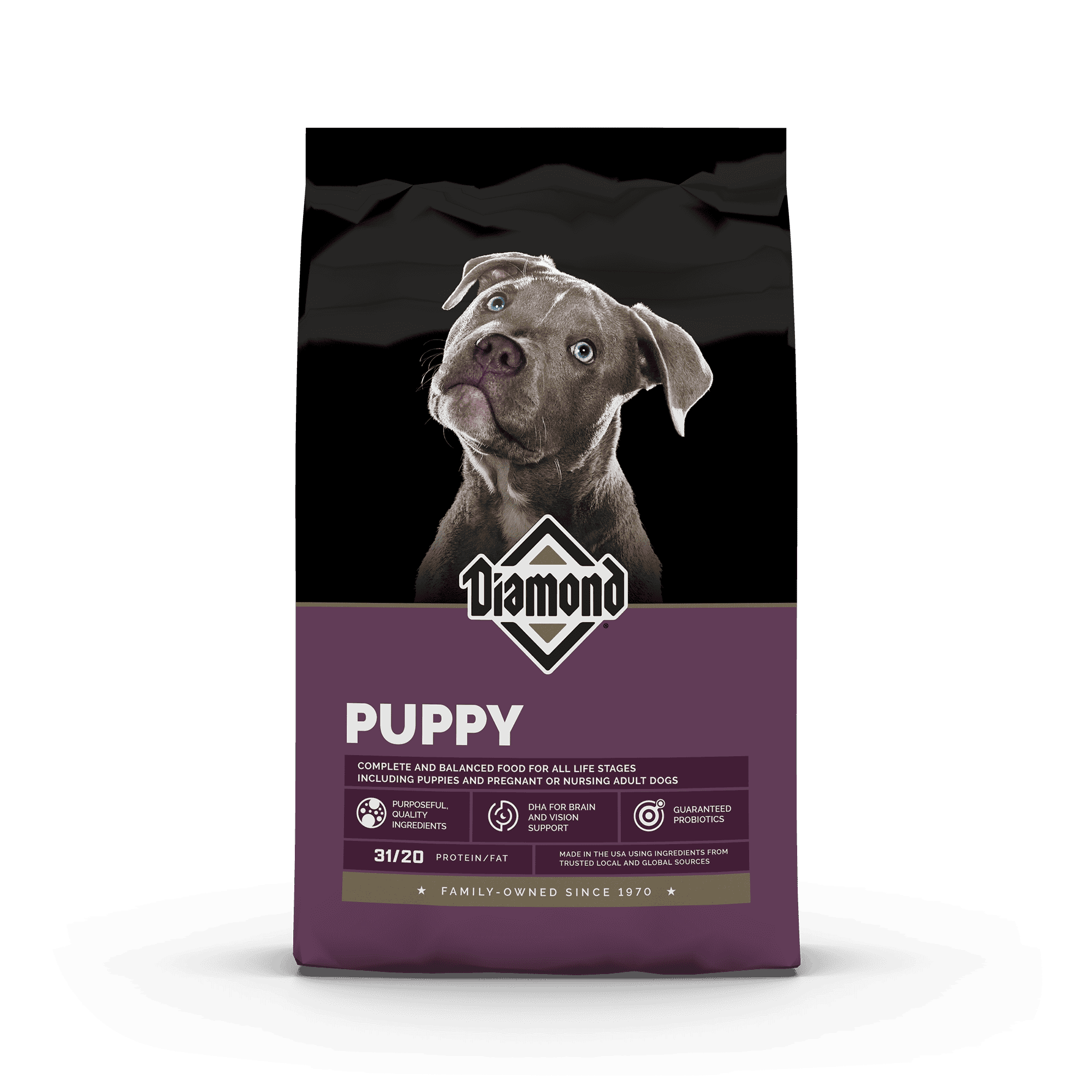
Choosing the right food for your puppy is important for their growth and health. Puppies need more nutrients than adult dogs. Their food should support strong bones, muscles, and a healthy immune system.
Adult dog food may not have enough nutrients for puppies. Feeding the right food helps your puppy develop properly and stay active.
Reading Dog Food Labels
Check the label to see if the food is made for puppies. Look for words like “growth” or “puppy formula.”
Important nutrients include:
- Protein for muscle development
- Calcium for strong bones
- Fat for energy
- Vitamins and minerals
Make sure the food meets the standards set by AAFCO (Association of American Feed Control Officials). This ensures the food has balanced nutrition.
Consulting Your Veterinarian
Talk to your vet about the best food for your puppy. They know your puppy’s breed, size, and health needs.
Your vet can recommend brands and formulas that fit your puppy’s life stage. They also help with special diets if your puppy has allergies or health issues.
Tips For Safely Switching Dog Food
Switching your puppy’s food requires care and patience. A sudden change can upset their stomach and cause digestive issues. Follow simple tips to make the switch smooth and safe. This helps your puppy adjust well to the new diet without stress.
Gradual Transition Techniques
Start by mixing a small amount of adult dog food with your puppy’s current food. Increase the new food portion slowly over 7 to 10 days. This allows the puppy’s digestive system to adapt. Avoid changing the food too fast to prevent diarrhea or vomiting.
- Day 1-3: 25% new food, 75% old food
- Day 4-6: 50% new food, 50% old food
- Day 7-9: 75% new food, 25% old food
- Day 10: 100% new food
Keep feeding your puppy at the same times daily. Avoid giving extra treats during the transition. This helps maintain a healthy routine and appetite.
Monitoring Your Puppy’s Health
Watch your puppy closely during the food change. Check for any signs of upset stomach like vomiting, diarrhea, or loss of appetite. Look for changes in energy and behavior. A happy puppy eats well and stays active.
Contact your vet if problems last more than two days. Keep track of your puppy’s weight and stool quality. Healthy digestion means the new food suits your puppy well.
Credit: www.diamondpet.com
Frequently Asked Questions
Can I Feed Adult Dog Food To My Puppy?
Adult dog food lacks essential nutrients for puppies. Puppies need more protein, fat, and calories to grow. Feeding adult food can slow their development and harm health. Always choose puppy-specific food for balanced growth and energy.
What Are The Risks Of Adult Dog Food For Puppies?
Adult dog food may cause nutrient deficiencies in puppies. It can lead to weak bones, poor immune function, and slow growth. Puppies require higher levels of calcium and protein, which adult food usually lacks.
When Should I Switch My Puppy To Adult Dog Food?
Switch your puppy to adult food around 12 months. Large breeds may need more time, up to 18 months. Consult your vet for the best timing based on breed and health.
Can Adult Dog Food Meet My Puppy’s Energy Needs?
Adult dog food typically has fewer calories than puppy food. Puppies need more energy for growth and play. Feeding adult food can result in low energy and poor development.
Conclusion
Feeding adult dog food to a puppy can cause health problems. Puppies need special nutrients to grow strong and healthy. Adult dog food lacks important vitamins and minerals for puppies. Choosing the right puppy food supports their development and energy.
Always ask your vet before changing your puppy’s diet. Keep your puppy happy with proper nutrition every day. Good food helps them grow into healthy adult dogs. Take care of your puppy by feeding food made just for them.