Imagine if your dog could tell you exactly what they want with just a simple press of a button. Sounds amazing, right?
Training your dog to use buttons can transform the way you communicate, making life easier and more fun for both of you. You’ll discover easy steps to teach your dog this clever skill. Whether you want your pup to ask for a walk, a treat, or playtime, this guide will help you get there quickly.
Ready to unlock a whole new level of connection with your furry friend? Let’s dive in!
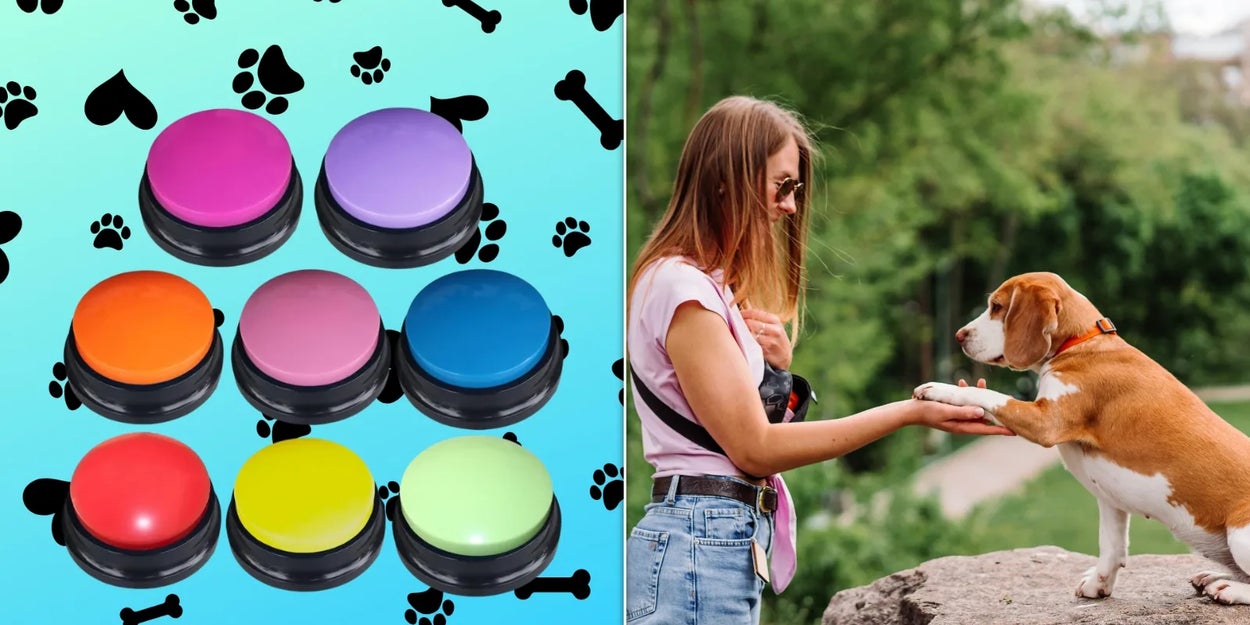
Credit: www.buzzfeed.com
Choosing The Right Buttons
Choosing the right buttons is key to teaching your dog to communicate. The perfect button fits your dog’s size, hearing, and learning style. Buttons come in many shapes and sounds. Picking the best ones helps your dog use them with ease and interest. Safe, durable buttons last through lots of training sessions. Let’s explore how to find the right buttons for your furry friend.
Types Of Communication Buttons
Communication buttons come with different features. Some have recorded words or short phrases. Others play simple sounds or tones. Choose buttons with clear, easy-to-understand messages. Your dog learns better when sounds are distinct. Buttons with pictures or symbols can also help. They guide your dog to press the right one for each need.
Selecting Button Size And Sound
Size matters for your dog’s comfort and accuracy. Small dogs need smaller buttons, large dogs need bigger ones. Buttons should be easy to press with a paw or nose. The sound must be loud enough for your dog to hear. Avoid very high or low tones that might confuse or scare your dog. Test different sounds and sizes to see what works best.
Durability And Safety Considerations
Buttons must be strong enough to handle rough play. Choose buttons made from sturdy materials like hard plastic. Avoid buttons with small parts that could break or cause choking. Make sure buttons have smooth edges to prevent injury. Water-resistant buttons can last longer, especially outdoors. Safety and durability keep training fun and worry-free.
Introducing Buttons To Your Dog
Introducing buttons to your dog is an exciting way to boost communication between you and your furry friend. It allows your dog to express needs and feelings clearly, reducing frustration on both sides. The key is to start simple and build positive associations right from the beginning.
Familiarizing With The Buttons
Begin by placing the buttons where your dog can easily see and reach them. Let your dog explore the buttons without pressure—just encourage gentle interaction. Watch how your dog reacts; some may paw or sniff, while others might show hesitation.
Keep sessions short to avoid overwhelming your dog. You can even place the buttons near their food or favorite toys to create curiosity. Have you noticed how your dog interacts with new objects? Use those natural tendencies to guide your approach.
Associating Buttons With Actions
Next, connect each button to a specific action or word your dog already knows. For example, if you have a button for “outside,” press it every time before opening the door. This repetition helps your dog link the button press with the result.
Consistency is crucial. Always use the same button for the same action and give your dog time to make the connection. Remember, dogs learn through patterns, so the clearer the link, the faster they understand.
Using Treats And Praise
Treats are powerful motivators during this training phase. Reward your dog immediately after they press the correct button. This positive reinforcement encourages them to repeat the behavior.
Don’t forget to offer enthusiastic praise along with treats. Your voice and body language can make a big difference. Have you ever noticed how your dog’s tail wags faster when you cheer them on? Use that energy to make training enjoyable and effective.
Teaching Basic Commands
Teaching your dog to use buttons helps them communicate needs clearly. Begin by associating each button with a specific command or word. Practice regularly to build your dog’s confidence and understanding.
Training your dog to use buttons to communicate involves teaching basic commands. This exciting process fosters understanding between you and your pet. Start with patience and clear communication. Focus on encouraging your dog’s curiosity and interaction with the buttons. This foundational stage paves the way for more advanced learning.Starting With Simple Words
Begin with easy, daily words like “food,” “walk,” or “play.” Use buttons that speak these words. Encourage your dog to press them. Show your dog the button, then say the word and perform the action. This creates a link between the button, the word, and the action.Reinforcing Button Presses
Reinforcement is key in teaching button use. Every time your dog presses the button, reward them. Use treats or verbal praise to encourage them. Make sure they understand the connection between the button and the outcome. Over time, they’ll learn pressing the button leads to positive results.Consistency In Training Sessions
Consistency builds understanding. Set aside time daily for button training. Keep sessions short and engaging to maintain your dog’s interest. Repetition helps reinforce learning. Be patient and persistent. Consistent practice strengthens your dog’s button-pressing skills.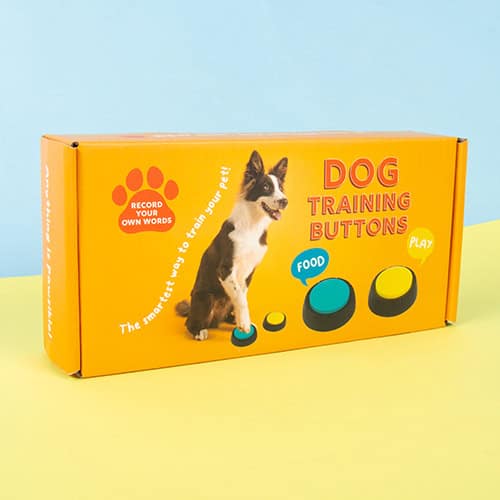
Credit: www.fizzcreations.com
Building Vocabulary
Building your dog’s vocabulary with buttons is a rewarding process that deepens communication between you and your pet. It requires patience and thoughtful pacing to ensure your dog understands each button’s meaning before moving on to the next. Expanding their vocabulary gradually helps avoid confusion and keeps training fun and effective.
Adding New Buttons Gradually
Introduce one new button at a time to keep your dog focused and reduce overwhelm. Start with words your dog already understands, like “play” or “treat,” before moving to new concepts like “outside” or “water.”
Place the new button next to familiar ones and show your dog how to press it during relevant activities. Watch their reactions closely—are they making the connection? If not, spend more time reinforcing the button with clear rewards and repetition.
Encouraging Spontaneous Use
Encourage your dog to press buttons without prompting to see if they’re truly grasping the vocabulary. Create opportunities in daily life where your dog might naturally want to communicate, such as wanting to go outside or asking for a toy.
Celebrate spontaneous button presses with enthusiastic praise and treats. This positive feedback motivates your dog to use buttons more independently and creatively. Have you noticed your dog surprising you with a new button during playtime?
Tracking Your Dog’s Progress
Keep a simple journal or chart to record which buttons your dog uses confidently and which still need work. Note the context and frequency of button presses to identify patterns or challenges.
| Date | Button | Context | Success Level | Notes |
|---|---|---|---|---|
| April 10 | Play | During fetch | High | Pressed without prompt |
| April 11 | Outside | Before door walks | Medium | Needs more repetition |
Tracking progress keeps you focused and helps tailor your training to your dog’s needs. What surprising button has your dog mastered recently?
Troubleshooting Common Issues
Training a dog to use buttons can be rewarding but sometimes tricky. Problems may arise that slow progress or cause frustration. Understanding common issues helps keep training on track and enjoyable for both you and your dog.
Addressing Lack Of Interest
Dogs may ignore buttons if they seem boring or confusing. Try these tips to spark curiosity:
- Choose buttons with bright colors or fun textures.
- Use high-value treats or favorite toys as rewards.
- Keep training sessions short and fun to avoid boredom.
- Show excitement and praise to encourage your dog’s participation.
- Place buttons where your dog naturally spends time.
Correcting Incorrect Button Presses
Pressing the wrong button is normal during training. Guide your dog gently toward the right choice:
- Use clear commands and point to the correct button.
- Reward only correct presses to reinforce learning.
- Ignore or redirect incorrect presses without scolding.
- Practice one button at a time before adding more.
- Repeat training often with patience and consistency.
Maintaining Engagement Over Time
Dogs can lose interest after repeated sessions. Keep motivation high with these ideas:
- Vary rewards to stay exciting and appealing.
- Introduce new buttons or phrases gradually.
- Shorten sessions to prevent fatigue.
- Mix button training with other fun activities.
- Celebrate small successes with plenty of praise.
Advanced Communication Tips
Once your dog is comfortable pressing individual buttons, you can enhance their ability to communicate in more detailed ways. Advanced communication tips focus on helping your dog combine sounds, express feelings, and connect button use with other training techniques. This deepens the bond and creates more meaningful interactions.
Combining Buttons For Phrases
Encourage your dog to press multiple buttons in a row to form simple phrases. Start with two-button combinations like “want food” or “go outside.”
Use consistent button orders and always respond to the phrase, so your dog understands the meaning behind the sequence.
Try gradually increasing the length of these sequences to build your dog’s ability to express more complex ideas. Have you noticed your dog trying to string sounds together naturally during play or walks? That’s a great sign to practice this.
Using Buttons For Emotional Expression
Dogs feel emotions deeply, but they rarely get to tell us how they feel. Teaching buttons for emotions like “happy,” “sad,” “scared,” or “excited” gives your dog a voice for their feelings.
Observe your dog’s body language and match it with the appropriate button. For example, if your dog seems anxious, encourage them to press the “scared” button and respond with comfort or reassurance.
This practice can prevent misunderstandings and help you meet your dog’s emotional needs more effectively. What emotions do you wish your dog could tell you about right now?
Integrating With Other Training Methods
Combine button training with commands your dog already knows. For example, after teaching the “sit” command, add a button press for “sit” to reinforce the word and action.
You can also use buttons alongside leash training, crate training, or reward-based methods. This multi-layered approach strengthens learning and keeps your dog engaged.
Try pairing button presses with treats or affection immediately to build a clear cause-and-effect connection. Have you tried mixing different training styles to see what clicks best with your dog’s personality?
Tools And Resources
Training a dog to use buttons requires the right tools and resources. These help your pet learn faster and make the process enjoyable. Using quality button kits, helpful apps, and joining supportive communities can guide you through each step. The right tools create clear communication between you and your dog.
Recommended Button Kits
- SimplePress by FluentPet – Durable buttons with clear sounds
- Learning Buttons by TalkingPets – Easy to program and press
- GoTalk Pocket – Portable and user-friendly with multiple buttons
- Recordable Sound Buttons – Allow custom voice recordings
Choose kits with large buttons and clear sounds for your dog. Buttons that are easy to press encourage your dog to use them often. Durable materials withstand enthusiastic presses and bites.
Useful Apps And Devices
- FluentPet App – Helps program buttons and track progress
- Pet Tutor – Offers training tips and schedules
- Dog Communication Apps – Provide sound libraries and customization
- Voice Recorders – For recording personalized messages
Apps simplify button programming and keep training organized. Devices that record voices make buttons more personal and engaging for dogs. Regular use of these tools improves training consistency.
Online Communities And Support
- Facebook Groups – Share tips and success stories
- Reddit Forums – Ask questions and find advice
- Training Blogs – Learn new techniques and strategies
- YouTube Channels – Watch demonstrations and tutorials
Joining online groups offers encouragement and shared experiences. Trainers and pet owners exchange advice to solve challenges quickly. Videos and blogs provide visual learning and inspiration.

Credit: www.ahimsamilk.org
Frequently Asked Questions
How Do I Start Training My Dog To Use Buttons?
Begin by introducing one button with a clear command. Reward your dog immediately when they press it. Use treats and praise to reinforce the behavior. Keep training sessions short and consistent. Gradually add more buttons as your dog learns.
What Types Of Buttons Are Best For Dogs?
Choose large, colorful buttons with distinct sounds. Buttons that are easy to press with a nose or paw work best. Durable and non-toxic materials ensure safety. Interactive buttons designed for pets are ideal. Avoid small or complicated devices.
How Long Does It Take For Dogs To Learn Button Use?
Training time varies by dog breed and age. Most dogs learn basic button use within 2-4 weeks. Regular daily practice speeds up progress. Patience and positive reinforcement are key. Some dogs may take longer depending on their motivation.
Can Any Dog Learn To Communicate With Buttons?
Yes, most dogs can learn if trained consistently. Intelligence and temperament affect learning speed. Dogs with strong desire to please learn faster. Training should be tailored to your dog’s needs. Consult a professional if you face challenges.
Conclusion
Training your dog to use buttons takes time and patience. Start with simple words and clear sounds. Praise your dog often to encourage learning. Practice every day in short sessions. Watch your dog’s progress and adjust as needed. This method helps improve communication with your pet.
Keep training fun and positive for best results. Soon, your dog will express needs clearly through buttons. Enjoy the new connection you build together. Consistency is key to success in this training.