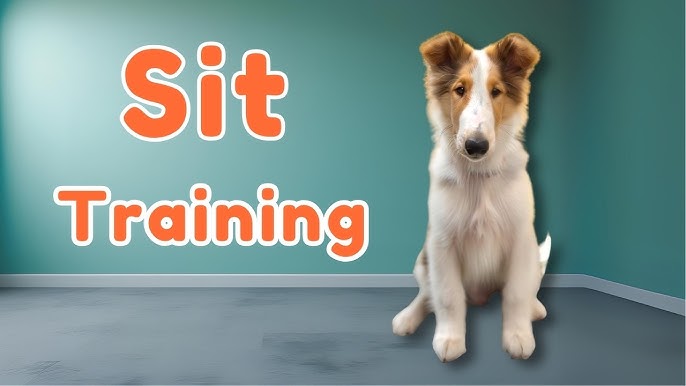

Teaching your dog to sit and stay is one of the most important skills you can give your furry friend. Imagine having a calm, well-behaved dog who listens to you every time.
It makes walks easier, keeps your dog safe, and strengthens the bond between you both. If you’ve ever felt frustrated when your dog won’t obey, this guide is made for you. Keep reading, and you’ll discover simple, effective steps to train your dog to sit and stay — without stress or confusion.
Your dog is ready to learn. Are you ready to lead?

Credit: m.youtube.com
Prepare For Training
Preparing your dog for training sets the stage for success. A calm, focused environment helps your dog learn faster and better. Preparation also helps you stay patient and consistent during sessions. Clear steps make training easier for both you and your dog.
Choose The Right Location
Select a quiet place with few distractions. Avoid noisy or crowded areas where your dog might lose focus. A familiar spot at home or in the yard works well. Soft surfaces like grass or carpet help your dog feel comfortable. Keep the area safe and free from hazards.
Gather Necessary Supplies
Bring treats your dog loves to reward good behavior. Use small, soft treats that your dog can eat quickly. Have a clicker ready if you use clicker training. Carry a leash and collar to keep control if needed. Prepare a comfortable mat or blanket for your dog to sit on.
Set A Training Schedule
Choose regular times for training sessions to build routine. Keep sessions short, about 5 to 10 minutes, to hold attention. Train at times when your dog is calm and not too hungry. Consistency helps your dog understand what to expect. Take breaks between sessions to avoid overloading your dog.
Teach The Sit Command
Teaching your dog to sit is the foundation of many good behaviors. It helps your dog learn to listen and follow commands. This simple skill keeps your dog calm and controlled in many situations. Starting with a clear, easy command sets up success for future training. Patience and consistency make learning easier for your dog.
Use Treats As Motivation
Treats catch your dog’s attention quickly. Choose small, tasty treats your dog loves. Hold a treat close to your dog’s nose. Let your dog smell it but don’t give it yet. This keeps your dog focused and eager to learn.
Guide Your Dog Into Position
Move the treat slowly above your dog’s head. This will make your dog look up and naturally sit down. Keep the treat steady and close to your dog’s face. As soon as your dog’s bottom touches the floor, praise softly. Give the treat right away to reward the action.
Add The Verbal Cue
Say the word “sit” clearly just before your dog sits. Use a calm and firm voice. Repeat the word every time your dog sits on command. Soon, your dog will connect the word with the action. Practice this several times in short sessions.
Introduce The Stay Command
Teaching your dog the stay command helps build patience and control. Begin with short stays, rewarding calm behavior. Gradually increase the time to strengthen their focus.
Introducing the “Stay” command is a crucial part of dog training. It builds discipline and enhances the bond with your pet. This command helps in managing your dog’s behavior during various situations. Let’s explore effective ways to teach your dog to “Stay.”Start With Short Durations
Begin training in a quiet space without distractions. Ask your dog to sit. Once seated, say “Stay” in a calm voice. Wait a few seconds before releasing them with a word like “Okay.” Repeat this process several times daily. Gradually increase the duration as your dog becomes comfortable. Consistency is key to success.Use Hand Signals
Incorporate hand signals to reinforce the command. Extend your palm facing towards your dog. Use this signal each time you say “Stay.” Dogs often respond well to visual cues. They help your pet understand expectations. Repeat this step until your dog associates the signal with the command.Gradually Increase Distance
Once your dog masters short durations, increase the distance. Step back a few feet while commanding “Stay.” If your dog remains still, reward them with praise or treats. Slowly increase the distance over time. This teaches your dog to stay even when you’re away. Remember to practice regularly for consistent results.
Credit: www.youtube.com
Reinforce Positive Behavior
Reinforcing positive behavior is key to teaching your dog to sit and stay. Positive reinforcement helps your dog understand what you want. It builds trust and encourages good habits. Training becomes easier and more enjoyable for both you and your dog.
Reward Consistency
Always reward your dog immediately after they sit or stay. Use treats, toys, or affection as rewards. Consistency helps your dog connect their action to the reward. Give rewards every time at first. Then, slowly reduce treats but keep praising.
Avoid Punishments
Never punish your dog for mistakes during training. Punishments can cause fear and confusion. Focus on guiding your dog gently instead. Ignore bad behavior and reward good actions. This approach encourages learning without stress.
Use Praise Effectively
Use a happy, calm voice to praise your dog. Simple words like “good” or “yes” work well. Combine praise with petting or a gentle pat. This shows your dog they did the right thing. Praise helps your dog feel safe and motivated.
Troubleshoot Common Issues
Training a dog to sit and stay can bring many rewards. Sometimes, challenges arise that slow progress. Troubleshooting common issues helps keep training on track. Understanding the root of problems improves results. Patience and consistency remain key throughout the process.
Dealing With Distractions
Distractions often cause dogs to lose focus during training. Start training in a quiet, calm space with few distractions. Gradually add distractions as your dog improves. Use treats or toys to hold their attention. Keep training sessions short and positive. Praise your dog for even small successes despite distractions.
Handling Lack Of Focus
Dogs may lose focus for many reasons, such as boredom or tiredness. Use high-value treats to motivate your dog. Change training activities often to keep interest alive. Train when your dog feels energetic and alert. Avoid long sessions that may overwhelm your dog. Break training into short, fun segments.
Addressing Slow Progress
Slow progress can frustrate both owner and dog. Review your training routine and make it simpler. Ensure commands are clear and consistent. Reward your dog immediately after the correct behavior. Avoid rushing to the next step too soon. Celebrate small victories to stay motivated.

Credit: stationerypal.com
Maintain Training Progress
Maintaining your dog’s training progress is key to long-term success. Consistency helps your dog understand expectations clearly. Without regular practice, your dog might forget commands or lose focus. Training should become a part of daily life. This keeps the skills sharp and reliable.
Practice Regularly
Daily practice strengthens your dog’s memory. Short, frequent sessions work best. This helps your dog stay interested and motivated. Repeating commands in different ways boosts learning. Praise and treats encourage good behavior. Regular practice builds a strong habit.
Vary Training Environments
Training in different places tests your dog’s focus. Try indoors, outdoors, quiet parks, or busy streets. Changing environments helps your dog learn to obey anywhere. This prevents distractions from breaking your dog’s attention. It also builds confidence and reliability.
Keep Sessions Short And Fun
Dogs learn better in short bursts. Aim for 5 to 10 minutes per session. End sessions on a positive note. Use play and treats to keep training fun. A happy dog learns faster and stays eager. Avoid boredom or frustration by mixing up activities.
Frequently Asked Questions
How Long Does It Take To Train A Dog To Sit?
Training a dog to sit usually takes a few days to a week. Consistency and short daily sessions speed up learning. Positive reinforcement, like treats and praise, helps dogs understand and remember the command quickly.
What Is The Best Method To Teach “stay” Command?
The best method involves starting with short durations and gradually increasing time. Use treats and clear verbal commands. Always reward your dog for staying in place. Patience and repetition are key to success with the “stay” command.
Can All Dog Breeds Learn To Sit And Stay?
Yes, all dog breeds can learn to sit and stay. Training techniques may vary slightly based on breed temperament. Consistent practice and positive reinforcement work well for all dogs, regardless of size or breed.
How Often Should I Practice Sit And Stay Commands?
Practice sit and stay commands several times daily in short sessions. Frequent repetition improves your dog’s understanding and response. Keep training positive and avoid overdoing it to maintain your dog’s interest.
Conclusion
Training your dog to sit and stay builds trust and good behavior. Practice each step patiently and keep sessions short. Use treats and praise to encourage your dog. Repeat often to help your dog remember commands. Stay calm and consistent for the best results.
Training takes time but is very rewarding. Your dog will learn to follow commands safely. Enjoy the bond that grows through training. Keep practicing, and success will come.