
Are you worried about your dog’s health and wondering if a grain free diet could make a difference? You might have heard about grain free dog food, but do you really know why it’s becoming so popular?
The right food can change how your dog feels every day—from more energy to a shinier coat and fewer tummy troubles. Keep reading to discover why choosing a grain free diet could be the best decision for your furry friend’s well-being.
Your dog deserves the best, and understanding this simple change might be the key.
Benefits Of Grain Free Diet
A grain free diet offers many benefits for dogs. Many dogs digest grain poorly. Removing grains can improve their overall health. This diet focuses on proteins and vegetables, which are often easier to digest. It helps reduce common health issues and supports a more active lifestyle.
Improved Digestion
Grains can be hard to digest for some dogs. A grain free diet uses ingredients that are gentle on the stomach. This helps reduce bloating and gas. Dogs may have fewer tummy upsets and more regular bowel movements. Better digestion means your dog feels more comfortable.
Reduced Allergies
Grains often cause allergic reactions in dogs. Symptoms include itchy skin, redness, and ear infections. Removing grains helps lower these allergic responses. Dogs on grain free diets often show clearer skin and less scratching. This diet can improve your dog’s quality of life.
Enhanced Energy Levels
Grain free foods provide high-quality protein and healthy fats. These nutrients fuel your dog’s body and brain. Many dogs on this diet have more energy and stay active longer. Enhanced energy helps dogs enjoy playtime and exercise more. It supports better overall vitality and happiness.

Credit: goofytails.com
Common Grains In Dog Food
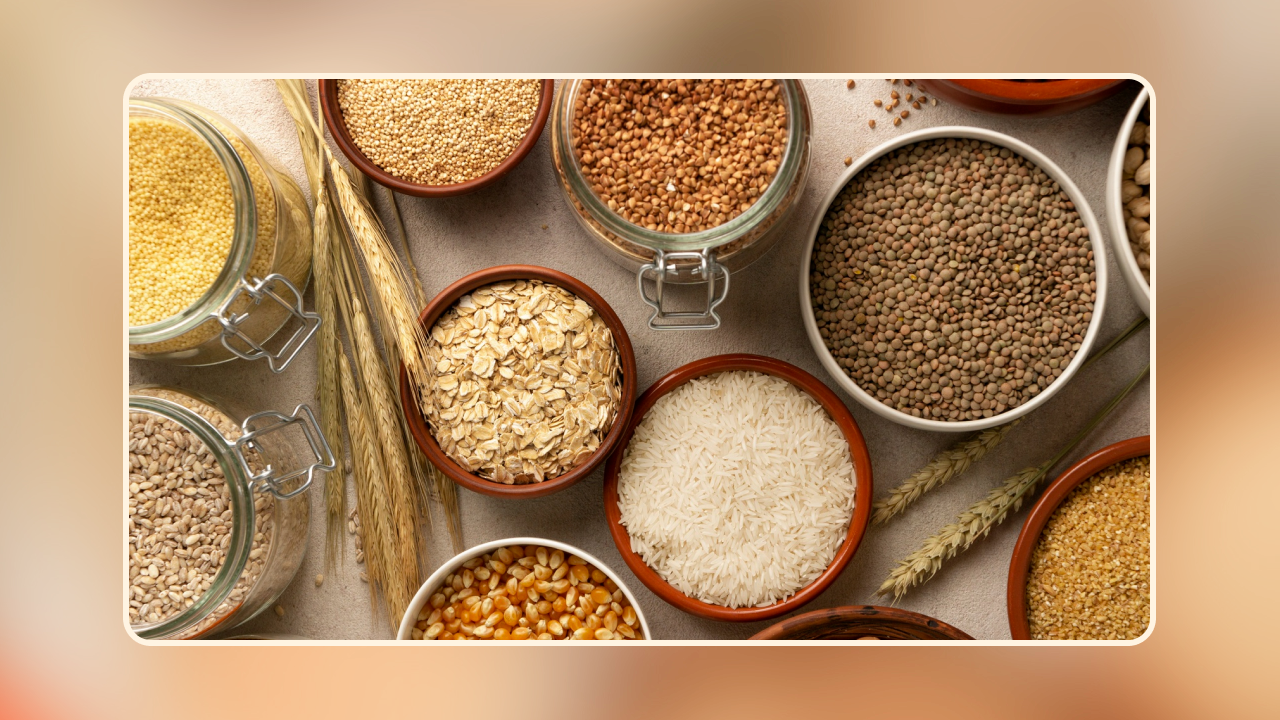
Dog foods often contain grains to provide energy and nutrients. These grains are common fillers that add carbohydrates. Some dogs may have trouble digesting certain grains or develop allergies. Understanding common grains in dog food helps explain why some owners choose grain-free diets.
Wheat And Corn
Wheat and corn are frequent ingredients in dog food. They offer a cheap source of carbohydrates. These grains can cause allergies in some dogs. Wheat contains gluten, which may upset sensitive stomachs. Corn is often genetically modified, raising concerns for some pet owners.
Rice And Barley
Rice and barley appear in many dog food recipes. Rice is easily digestible and generally safe for dogs. Barley adds fiber and nutrients but may be harder to digest for some pets. Both grains provide energy but may not suit dogs with grain sensitivities.
Oats And Sorghum
Oats and sorghum are less common in dog food. Oats contain soluble fiber that supports digestion. Sorghum is a gluten-free grain used as a wheat alternative. These grains offer nutrients but can still trigger allergies in some dogs. They are often included in grain-free labeled foods as substitutes.
Grain Free Ingredients To Look For
Grain-free dog foods often include ingredients like sweet potatoes, peas, and lentils. These provide energy without common allergens found in grains. Choosing these ingredients supports dogs with sensitivities and promotes better digestion.
Grain Free Ingredients to Look For Choosing a grain-free diet for dogs involves selecting the right ingredients. This ensures your pet receives balanced nutrition. Let’s explore essential grain-free ingredients to consider.Protein Sources
Protein is vital for your dog’s growth and energy. Look for high-quality protein sources like chicken, beef, and fish. Lamb and turkey are also excellent choices. These proteins provide essential amino acids. Eggs are another great protein source for dogs. They offer a complete amino acid profile.Vegetables And Fruits
Vegetables and fruits add vitamins and minerals to your dog’s diet. Sweet potatoes are rich in fiber and beta-carotene. Carrots offer vitamin A for healthy eyes. Blueberries provide antioxidants that boost the immune system. Spinach is packed with iron and calcium. Apples, without seeds, offer fiber and vitamin C.Alternative Carbohydrates
Alternative carbohydrates replace grains in your dog’s diet. Potatoes and peas are common choices. They provide energy and fiber. Chickpeas and lentils are also excellent options. They offer protein and carbohydrates. Tapioca is another alternative, offering a gluten-free carbohydrate source.Signs Your Dog Needs Grain Free Diet
Knowing the signs that your dog may need a grain free diet helps improve their health. Some dogs react poorly to grains in their food. This reaction can show up in different ways. Watch closely for changes in your dog’s body and behavior. These signs might mean it’s time to switch their diet.
Skin Irritations
Grains can cause allergic reactions in some dogs. These allergies often show as itchy skin or redness. You might notice hot spots or rashes. Constant scratching or licking is also a warning sign. Grain free diets can reduce these skin problems. They help calm inflammation and improve coat health.
Digestive Issues
Grains sometimes upset a dog’s stomach. Symptoms include vomiting, diarrhea, or gas. Some dogs have trouble digesting grains properly. This leads to bloating or stomach pain. Switching to a grain free diet can ease digestion. It can also reduce tummy troubles and improve nutrient absorption.
Low Energy
Grains can affect some dogs’ energy levels. Dogs may seem tired or less playful than usual. Low energy can indicate poor nutrient absorption or food sensitivity. A grain free diet offers a cleaner source of fuel. This helps boost energy and keeps dogs active and happy.
Transitioning To Grain Free Food
Switching your dog to a grain free diet needs care and patience. Sudden changes can upset their stomach or cause refusal to eat. A smooth transition helps your dog adjust to new food comfortably. Watch their reactions closely and support them through the change.
Gradual Switch Tips
- Mix a small amount of grain free food with current food.
- Increase grain free portion slowly over 7 to 10 days.
- Observe your dog’s appetite and stool quality every day.
- Keep fresh water available at all times.
- Maintain regular feeding times to build routine.
Monitoring Health Changes
Check your dog’s energy levels and coat condition regularly. Look for signs like itching, diarrhea, or vomiting. Note any changes in weight or behavior. Keep a journal to track progress and spot issues early. Early detection helps prevent bigger health problems.
Consulting A Veterinarian
Talk to your vet before starting a grain free diet. Share your dog’s health history and current concerns. Ask about suitable grain free brands and nutritional balance. Schedule follow-ups to review your dog’s adaptation. Professional advice ensures a safe and healthy diet change.

Credit: headsupfortails.com
Potential Concerns And Myths
Switching to a grain free diet for dogs raises many questions. Some pet owners worry about nutrition, cost, and common beliefs about grains. It’s important to clear up these points for better choices. Understanding these concerns helps avoid confusion and make informed decisions for your dog’s health.
Nutritional Balance
Grains provide energy and nutrients in many dog foods. Removing grains means other ingredients must fill the gap. Proteins, fats, and vegetables help keep meals balanced. Poorly planned grain free diets can lack vitamins and minerals. Always check if the food meets AAFCO standards. A balanced diet supports your dog’s growth and vitality.
Cost Factors
Grain free dog food often costs more than regular food. Special ingredients like sweet potatoes or peas are pricier. This can affect your monthly budget for pet care. Consider the long-term benefits against higher prices. Some brands offer grain free options at various price points. Choose one that fits your budget without sacrificing quality.
Misconceptions About Grains
Many believe grains cause allergies or weight gain in dogs. True grain allergies are rare compared to protein allergies. Grains are not the enemy; they provide fiber and nutrients. Weight gain usually comes from overfeeding or lack of exercise. Avoid blaming grains for all health problems. Understanding facts helps prevent unnecessary diet changes.
Credit: wefeedraw.com
Frequently Asked Questions
What Is A Grain Free Diet For Dogs?
A grain free diet excludes wheat, corn, and rice. It uses alternative carbs like sweet potatoes or peas. This diet may benefit dogs with allergies or sensitivities to grains.
Why Choose Grain Free Food For Dogs?
Grain free food can reduce digestive issues and skin allergies. It often contains higher protein from meat sources. Many owners find it improves their dog’s energy and coat health.
Are Grain Free Diets Safe For All Dogs?
Most dogs tolerate grain free diets well. However, consult your vet before switching. Some dogs may need grains for balanced nutrition and energy.
How Does Grain Free Diet Affect Dog Allergies?
Grain free diets reduce exposure to common allergens like wheat. This may lessen itching, redness, or ear infections. It’s a useful option for dogs with grain sensitivities.
Conclusion
Choosing a grain free diet can help dogs with allergies and digestion. It often leads to healthier skin and shinier coats. Dogs may have more energy and better overall health. Always watch your dog’s reaction to new food. Consult your vet for the best diet plan.
Grain free is not for every dog, but it can be a good choice. Simple changes can make a big difference in your dog’s life. Consider trying grain free to see if it suits your pet. Healthy food means a happy dog.