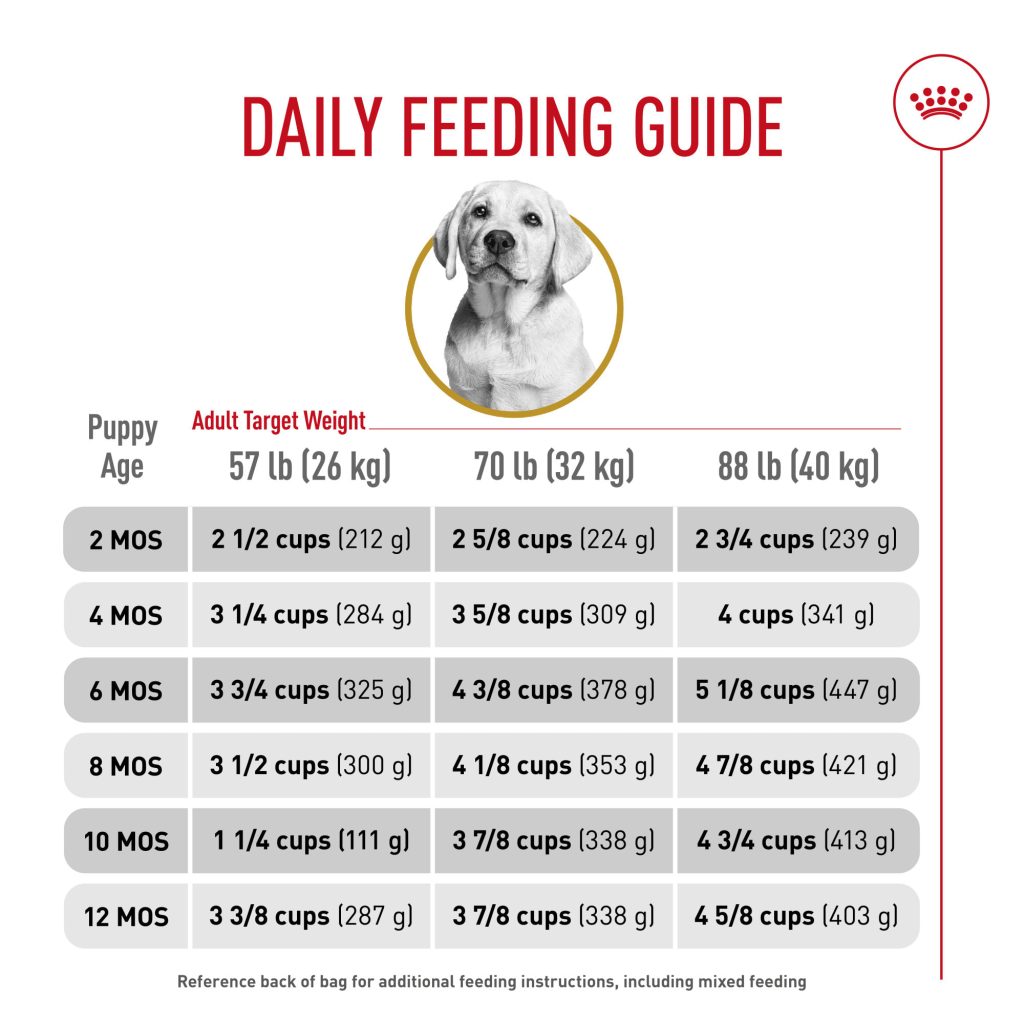

You want the best for your Lab, especially when it comes to their food. Knowing exactly when to switch from puppy to adult dog food can make a big difference in their health and happiness.
But how do you know the right time? If you switch too early or too late, it could affect your dog’s growth and energy levels. Keep reading to discover clear signs and simple tips that will help you make the switch at the perfect moment for your furry friend.
Your Lab deserves it!
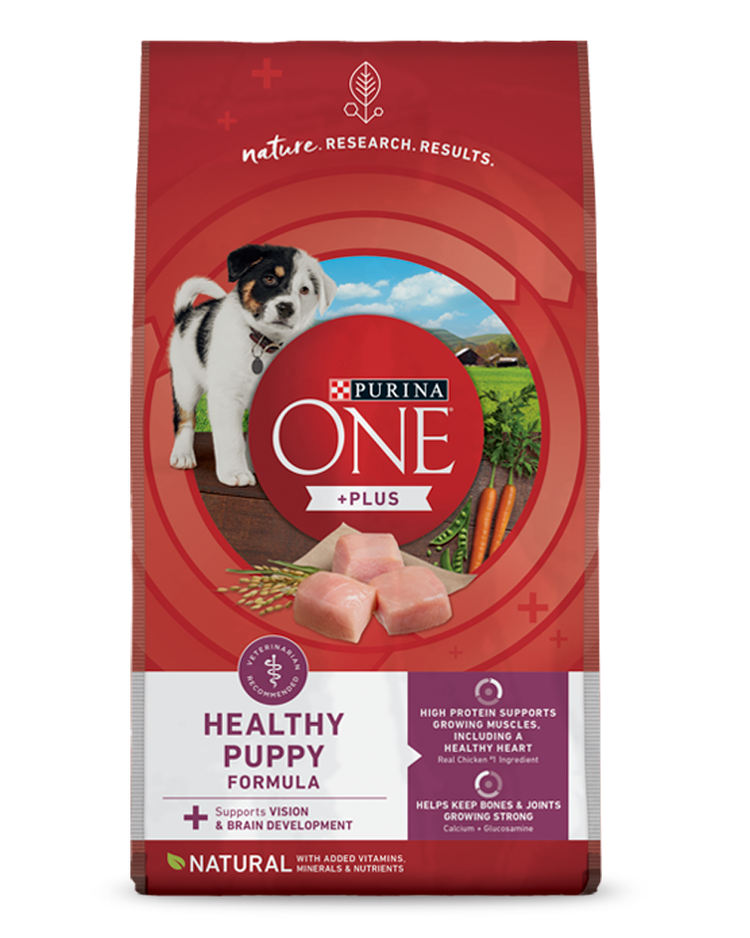
Credit: www.purina.com
Signs Your Lab Is Ready
Knowing when to switch your Lab from puppy to adult dog food is key to supporting their health and growth. Signs that your Lab is ready are often clear if you know what to watch for. Paying attention to physical changes, behavior shifts, and expert advice helps you make the right choice at the right time.
Physical Growth Milestones
Your Lab’s body is a strong clue. Most Labs reach about 80% of their adult size between 9 and 12 months. You might notice their puppy fluff turning into a sleeker adult coat and their energy shifting from hyperactive bursts to more steady play.
Does your Lab’s weight and height seem stable over a few weeks? This stability often means their rapid growth phase is ending. Check their teeth, too—adult teeth usually replace puppy teeth by this age, signaling they’re moving into adulthood.
Behavioral Changes
Behavior can tell you a lot about your Lab’s development. Puppies are curious and sometimes clumsy, but as they mature, they become more focused and less impulsive. You might see your Lab settling into regular eating and sleeping patterns.
Have you noticed less chewing on everything or fewer sudden bursts of energy? These calmer traits suggest they’re leaving puppyhood behind. Watching how your dog interacts with you and other pets can also reveal readiness for a diet change.
Veterinarian Recommendations
Your vet is the best source for personalized advice. They consider your Lab’s breed, size, health, and activity level when suggesting the right time to switch foods. Don’t hesitate to ask them about signs specific to your dog’s growth and nutritional needs.
Regular check-ups provide chances to discuss your Lab’s diet transition. Your vet can help you choose adult food formulas that match your dog’s current condition and lifestyle. Have you scheduled a vet visit recently to review your Lab’s diet plan?
Nutritional Needs Shift
The shift from puppy to adult dog food happens as your Labrador grows. Nutritional needs change during this time. The food must match their new energy levels and health requirements. Feeding the right nutrients supports healthy growth and maintains their well-being. Understanding these changes helps you choose the best diet.
Calorie Adjustments
Puppies burn more energy than adult dogs. They need more calories to support rapid growth. Adult Labs require fewer calories to avoid weight gain. Overfeeding can cause obesity and joint problems. Adjust portion sizes and calorie content based on your dog’s activity level.
Protein And Fat Requirements
Puppies need high protein and fat for muscle and brain development. Adult Labs require moderate protein and fat to maintain muscle and energy. Too much fat can lead to weight issues in adults. Balanced protein supports muscle tone and overall health.
Essential Vitamins And Minerals
Puppy food contains vitamins and minerals for bone growth and immune support. Adult dog food adjusts these levels for maintenance and long-term health. Calcium and phosphorus ratios change to protect adult bones. Vitamins like E and C help keep their coat shiny and skin healthy.
Choosing The Right Adult Food
Labs usually switch to adult food around one year old to meet changing nutritional needs. Watch for size and activity changes to decide the best time. Proper food supports healthy growth and energy levels.
Choosing the right adult food for your Labrador is crucial. Their nutritional needs change as they grow. Adult dog food provides the nutrients needed for their health. Selecting the right food involves careful consideration.Ingredients To Look For
Quality ingredients are vital for your Lab’s diet. Look for real meat as the first ingredient. Chicken, beef, or fish are great protein sources. Whole grains like brown rice and oats offer energy. Fruits and vegetables provide essential vitamins. Omega-3 and omega-6 fatty acids support skin health.Avoiding Common Additives
Some additives can harm your dog. Avoid artificial preservatives, colors, and flavors. These can cause allergies or digestive issues. Check for natural preservatives like Vitamin E. Sweeteners like corn syrup should be avoided. They can lead to obesity and diabetes.Special Formulas For Labs
Labradors have unique dietary needs. Some foods cater specifically to them. These formulas support joint health, a common concern for Labs. They often contain glucosamine and chondroitin. High protein and low fat help maintain a healthy weight. Special formulas can also improve coat health.Transitioning Smoothly
Switching your Lab from puppy food to adult dog food requires care and patience. A smooth transition helps avoid stomach upset and keeps your dog happy. Gradual changes give your Lab time to adjust to new nutrients and flavors. Watch your dog’s behavior and health closely during this period. This approach ensures a healthy shift without stress for your furry friend.
Gradual Food Mixing
Start by mixing a small amount of adult food with puppy food. Slowly increase the adult food portion over 7 to 10 days. This helps your Lab get used to the new taste and texture. Sudden changes can cause digestive issues or refusal to eat. Keep the portions balanced until your dog fully switches to adult food.
Monitoring Digestive Health
Check for signs of digestive problems like diarrhea or vomiting. Soft stools or constipation may indicate your dog needs more time. Keep water available at all times to help digestion. If issues persist, slow down the transition process. Healthy digestion means your dog is adjusting well to the new diet.
Managing Picky Eating
Some Labs may reject adult food at first. Try warming the food slightly to bring out the aroma. Mix in small amounts of tasty, safe toppers like plain chicken or broth. Keep mealtimes consistent to build a routine. Patience and persistence can help your Lab accept adult food happily.
Common Mistakes To Avoid
Switching your Labrador from puppy to adult dog food requires care. Many owners make mistakes that affect their dog’s health and growth. Avoiding these errors helps your Lab stay healthy and happy. Understanding common mistakes can guide you in making the right choice at the right time.
Switching Too Early Or Late
Changing food too early can cause missing nutrients needed for growth. Too late means your dog may get extra calories and gain weight. Labs grow at different speeds. Watch your dog’s size and energy, not just age. Follow vet advice for the best timing.
Ignoring Individual Differences
Every Lab is unique. Some need more protein or calories than others. Some have allergies or sensitive stomachs. Do not rely only on general guidelines. Observe your dog’s reaction to new food. Adjust the diet based on their needs and health.
Overfeeding And Weight Gain
Adult dog food is richer in calories. Feeding the same amount as puppy food can cause weight gain. Overfeeding leads to obesity and health problems. Measure portions carefully. Monitor your Lab’s weight and body condition regularly.

Credit: zigly.com
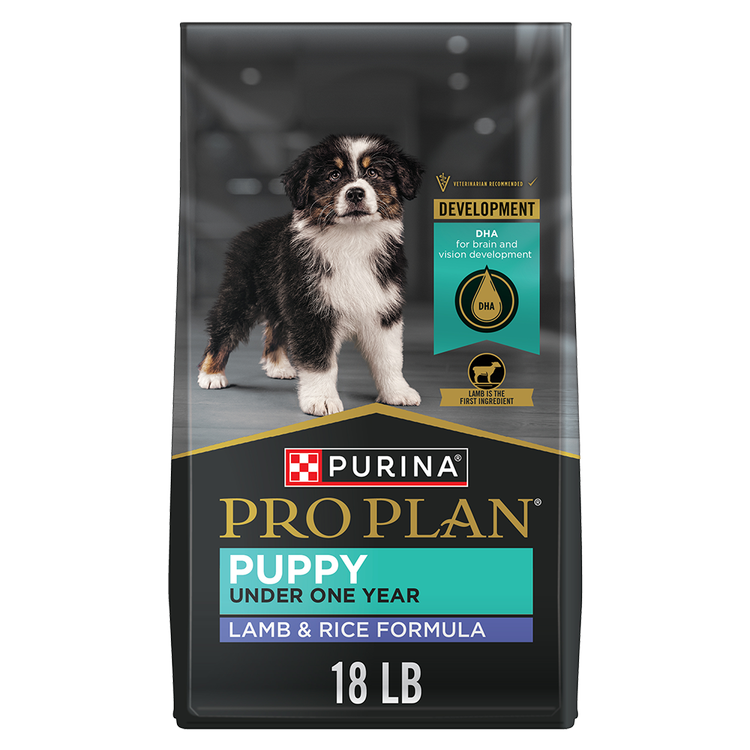
Credit: www.purina.com
Frequently Asked Questions
When Should I Switch My Puppy To Adult Dog Food?
Switch to adult dog food when your puppy reaches 12 months. Large breeds may need to switch between 12-18 months. This change supports their growth and energy needs.
How Do I Know If My Puppy Is Ready For Adult Food?
Signs include slowed growth, stable weight, and reduced energy. Consult your vet to confirm the best time based on breed and health.
Can Switching Too Early Harm My Puppy’s Health?
Yes, switching too early can cause nutritional gaps. Puppies need higher protein and fat levels for growth that adult food lacks.
What Are The Benefits Of Adult Dog Food For Mature Dogs?
Adult dog food supports maintenance of weight, muscle, and energy. It contains balanced nutrients suited for less active, fully grown dogs.
Conclusion
Switching your Lab from puppy to adult food is a key step. Watch their growth and energy levels closely. Most Labs need adult food around one year old. Choose a diet that matches their size and activity. This helps keep your dog healthy and strong.
Always consult your vet for the best advice. Remember, good nutrition supports a happy, active Lab. Take your time with the change to avoid stomach upset. Your careful choice makes a big difference in your dog’s life.