
Is your dog’s constant whining driving you crazy? You’re not alone.
Whining can be frustrating and stressful for both you and your furry friend. But here’s the good news: you can teach your dog to stop this behavior. Imagine peaceful walks, calm car rides, and quiet evenings at home. This guide will show you simple, effective steps to help your dog feel happy and secure without the whining.
Keep reading, and you’ll discover how to bring calm back to your daily life with your dog.
Why Dogs Whine
Understanding why dogs whine is key to helping them stop. Whining is a natural way dogs communicate. It can show many feelings or needs. Recognizing these reasons helps you respond correctly. This improves your dog’s behavior and your bond.
Common Reasons For Whining
- Attention seeking: Dogs may whine to get your focus.
- Hunger or thirst: Whining signals they need food or water.
- Need to go outside: They use whining to ask for a walk.
- Discomfort or pain: Whining can mean something hurts.
- Excitement: Some dogs whine when they are happy or eager.
- Stress or anxiety: New places or loud noises may cause whining.
Emotional And Physical Causes
Whining can come from emotions or health issues. Dogs feel scared, lonely, or frustrated. These feelings often lead to whining sounds.
Physical causes include illness or injury. If whining lasts long, check for pain or sickness. A vet visit might be needed.
Signs To Watch For
Recognizing the signs of whining helps address the behavior early. Dogs use whining to communicate many feelings. Knowing what the whining means makes training easier. Observe your dog’s body language and sounds closely. This helps you understand when to act and how.
When Whining Becomes A Problem
Whining becomes a problem if it happens too often. Constant whining can stress both you and your dog. It can interrupt your daily life and rest. Watch for whining that lasts long or starts suddenly. This might signal anxiety, boredom, or a medical issue. Ignoring frequent whining can make it worse over time.
Distinguishing Between Needs And Attention-seeking
Dogs whine to meet real needs or get attention. Needs include hunger, thirst, or needing to go outside. Attention-seeking whining happens when basic needs are met. It tries to get you to play or pet them. Look at the timing and situation of whining. Is your dog calm after you respond to needs? If not, it might be attention-seeking.
Creating A Calm Environment
A calm space helps your dog feel safe and less anxious. Soft lighting, gentle sounds, and cozy bedding create a peaceful spot. This quiet area can reduce whining and encourage relaxation.
Creating a calm environment is key to helping your dog stop whining. Dogs, much like humans, thrive in peaceful settings. A serene environment can significantly reduce anxiety and stress, which are common triggers for whining. Here, you’ll learn how to create a space where your furry friend feels safe and content.Reducing Stress Triggers
Identify what sets off your dog’s whining. Is it loud noises, unfamiliar faces, or being left alone? Observing your dog’s behavior can provide clues. Once you know the triggers, take steps to minimize them. Consider using white noise machines to mask disruptive sounds. If your dog gets anxious around strangers, create a quiet room they can retreat to. This simple change can make a world of difference.Setting A Comfortable Space
Your dog’s personal space should be a sanctuary. Choose a quiet corner of your home where they can relax. Add a cozy bed or blanket they love. Make sure this space is free from foot traffic and noise. You might even place a few toys or chews there to keep them occupied. The goal is to make this area a haven they associate with comfort and security. A question to ponder: How would you feel if your home was filled with constant noise and chaos? Your dog feels the same way. They deserve a tranquil space to unwind.
Credit: www.dogsavvylosangeles.com
Training Techniques To Stop Whining
Training techniques to stop whining focus on clear communication and consistent actions. Dogs learn best through simple, steady signals from their owners. These techniques help dogs understand when whining is not needed. Patience and repetition play a big role in success. Combining different approaches often yields the best results.
Ignoring Unwanted Whining
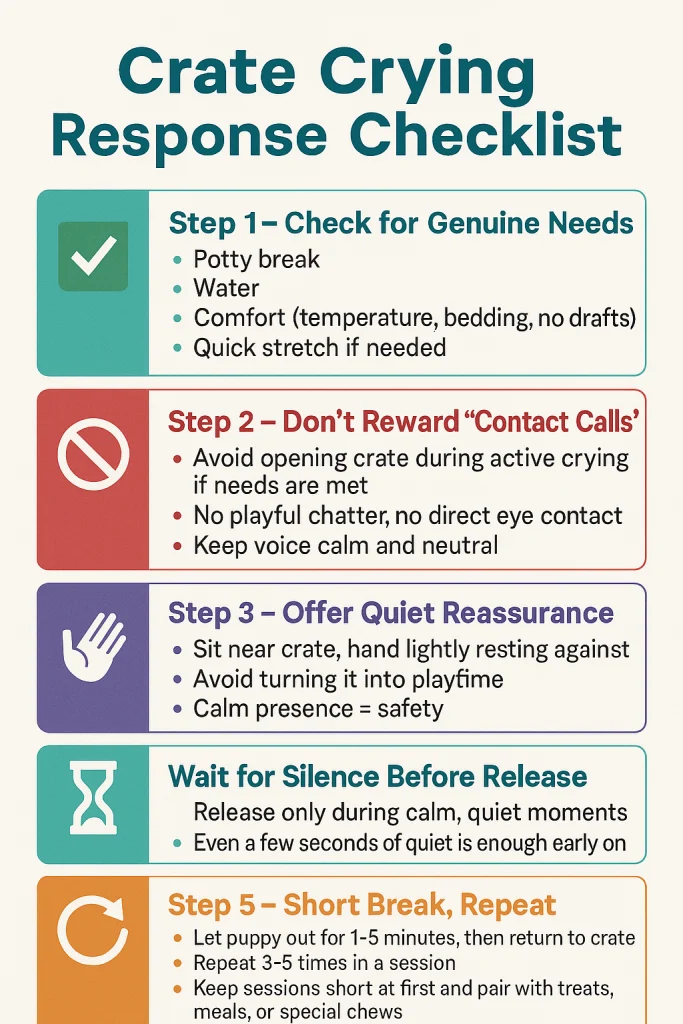
Ignoring whining removes the reward your dog seeks. Dogs often whine to get attention. If you respond, they learn whining works. Instead, stay calm and avoid looking at or speaking to your dog. Wait for quiet moments before giving attention. This teaches your dog that silence brings rewards.
Using Positive Reinforcement
Positive reinforcement encourages good behavior with treats or praise. Give a treat when your dog stops whining. Use clear, happy words like “good” or “yes.” This helps your dog link silence with rewards. Keep treats small and timely for the best effect. Over time, your dog will choose quiet to earn rewards.
Teaching Alternative Behaviors
Teaching alternative behaviors gives your dog a better way to communicate. Train your dog to sit or lie down instead of whining. Use treats and praise to reward these actions. Practice often and in different places. This helps your dog learn useful ways to get attention without whining.
Consistency In Training
Consistency in training is crucial when teaching your dog to stop whining. Dogs thrive on routine and clear expectations. If you’re inconsistent, your dog will get confused about what behavior is acceptable.
Establishing Clear Rules
Make sure your dog understands the rules from day one. Decide when whining is allowed, if ever, and stick to that rule without exceptions.
For example, if you don’t want your dog whining for attention, avoid giving in just once. Even a single reward for whining teaches your dog that this behavior works.
Clear rules help your dog know exactly what you expect. This reduces anxiety and the urge to whine.
Involving Family Members
Does everyone in your household follow the same training approach? If not, your dog will take advantage of mixed signals.
Talk with family members and agree on the rules for whining. Share the training methods and make sure everyone uses the same commands and responses.
When everyone is on the same page, your dog will learn faster. Imagine the confusion if one person ignores whining and another immediately responds. Consistency across the board is key to success.

Credit: pethelpful.com
When To Seek Professional Help
Knowing when to seek professional help can save your dog from stress and improve their behavior faster. Some whining is normal, but persistent or intense whining needs attention. Professionals can offer guidance tailored to your dog’s needs. Acting early prevents problems from worsening.
Recognizing Behavioral Issues
Whining may signal deeper problems beyond simple attention-seeking. Look for signs like:
- Excessive whining that lasts hours
- Whining combined with destructive behavior
- Sudden changes in your dog’s mood or appetite
- Signs of anxiety or fear when left alone
- Whining that worsens despite training efforts
Such signs suggest underlying behavioral issues. These often need expert evaluation.
Finding A Qualified Trainer Or Veterinarian
Start with a veterinarian to rule out medical causes. Pain or illness can cause whining. A vet can check your dog’s health thoroughly.
If no medical problem exists, seek a certified dog trainer. Look for trainers with:
- Positive reviews and proper certifications
- Experience with behavioral problems
- Clear training methods that use rewards, not punishment
Consulting the right professional ensures safe and effective help for your dog.

Credit: canna-pet.com
Frequently Asked Questions
Why Does My Dog Keep Whining Constantly?
Dogs whine to communicate discomfort, anxiety, or needs. Identifying the cause helps in addressing and reducing whining effectively.
How Can I Stop My Dog From Whining At Night?
Provide comfort, a cozy space, and regular exercise. Avoid reinforcing whining by not giving attention during it.
What Training Methods Help Reduce Dog Whining?
Use positive reinforcement, consistent commands, and ignore whining. Reward calm behavior to encourage quiet and reduce whining.
Can Anxiety Cause My Dog To Whine Excessively?
Yes, anxiety often triggers whining. Address stressors, offer calming aids, and consult a vet if whining persists.
Conclusion
Training your dog to stop whining takes time and patience. Stay calm and consistent with your approach. Reward quiet behavior and ignore whining. Give your dog enough exercise and attention daily. Understand the reasons behind the whining to address them better.
Small steps lead to big improvements. Keep practicing, and your dog will learn soon. A happy, quiet dog makes life easier for both of you. Remember, patience is key to success.