
You want the best for your puppy, especially when it comes to their food. But how do you know when it’s time to switch from puppy food to adult dog food?
Feeding your puppy the right food at the right time is crucial for their growth, health, and happiness. If you switch too early or too late, it could affect their energy, development, or even cause digestive issues. Keep reading to discover the exact signs and the perfect moment to make this important change for your furry friend.
Your puppy’s health depends on it!
Puppy Growth Stages
Understanding your puppy’s growth stages is key to knowing the right time to switch from puppy food to adult dog food. Each stage comes with different nutritional needs that support healthy development. Paying close attention to these phases helps you make informed decisions for your pet’s diet.
Newborn To Weaning
In the first few weeks, puppies rely entirely on their mother’s milk for nutrition. This milk contains the perfect balance of nutrients and antibodies needed for immunity and growth. You don’t need to worry about food during this phase, but ensure the mother is well-fed to support her puppies.
Transition To Solid Food
At about 3 to 4 weeks old, puppies begin exploring solid food. This transition is gradual—mixing puppy kibble with water or puppy formula creates a soft texture that’s easier to eat. Watch how your puppy reacts and adjust the consistency to make mealtime enjoyable.
Rapid Growth Phase
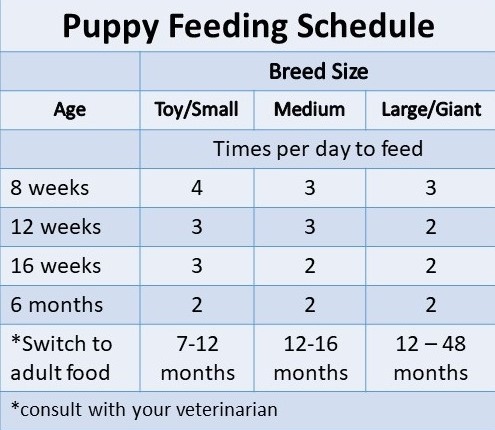
From around 8 weeks to 6 months, puppies experience rapid growth requiring higher calories and nutrients. Puppy food during this period supports bone development and muscle growth. Have you noticed your puppy’s energy levels or appetite changing? These signs can guide you on when to consider switching to adult food, typically after this growth phase.
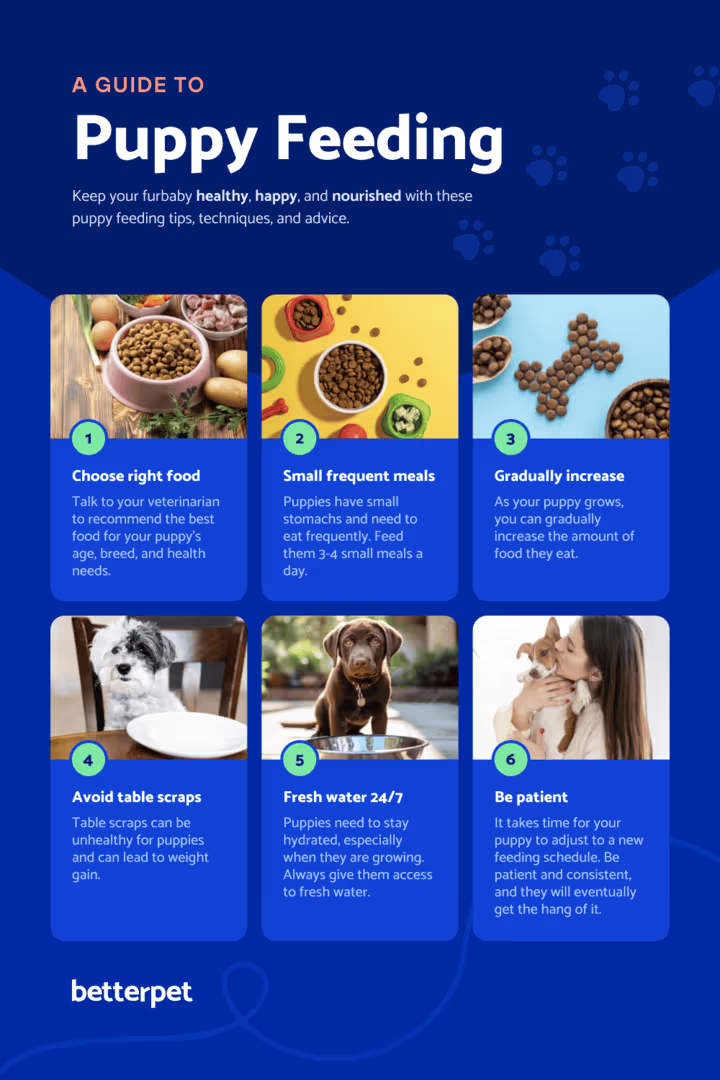
Credit: www.betterpet.com
Differences Between Puppy And Adult Food
Understanding the differences between puppy and adult dog food can help you decide the right time to switch your furry friend’s diet. These foods are specially designed to meet the unique needs of your dog at each stage of life. Knowing what sets them apart ensures your dog gets the right nutrients for healthy growth and long-term wellness.
Nutritional Needs
Puppies need more protein and fat than adult dogs to support their rapid growth and energy levels. Their food often contains extra vitamins and minerals like calcium and DHA, which help with bone development and brain function.
Adult dogs require a balanced diet that maintains their health without promoting weight gain. Their food focuses on sustaining muscle mass and supporting joint health, rather than fueling growth.
Calorie Content
Puppy food has a higher calorie content to match their active, developing bodies. This helps ensure they get enough energy throughout the day without needing to eat large amounts.
Adult dog food usually has fewer calories per serving to prevent obesity, especially if your dog is less active. Feeding your dog adult food too early could mean they miss out on the calories needed for healthy growth.
Ingredient Variations
- Puppy foodoften includes ingredients that are easier to digest and richer in nutrients.
- Adult foodmay contain more fiber to aid digestion and ingredients that support a healthy immune system.
- Some adult formulas also add supplements like glucosamine for joint care, which puppies don’t typically need.
Have you noticed how your puppy’s eating habits change as they grow? Paying attention to these differences in food can make a big impact on their health and happiness.
Signs Your Puppy Is Ready
Puppies are ready for adult food when they reach about one year old or show slower growth. Watch for changes in their energy and appetite. Teeth development and weight stability also signal the right time to switch.
When deciding to switch your puppy to adult dog food, watch for key signs. These indicators help ensure your puppy’s nutritional needs are met. Let’s explore the signs your puppy is ready.Physical Indicators
A puppy’s growth rate slows down as they approach adulthood. Check their weight and height regularly. Adult-size teeth also signal readiness. Observe your puppy’s coat. A shiny coat suggests good health.Behavioral Changes
Notice any shifts in energy levels. Puppies often display boundless energy. Adult dogs tend to be more relaxed. Changes in appetite can also be telling. Is your puppy losing interest in food? This might indicate readiness for adult food.Breed And Size Considerations
Different breeds mature at different rates. Small breeds mature faster. Large breeds take more time. Know your puppy’s breed specifics. Consult your vet for tailored advice. They can offer guidance based on breed and size. This ensures a smooth transition to adult food.
Credit: www.thinkjinx.com
Ideal Timing To Switch
Knowing the right time to switch your puppy to adult dog food helps support healthy growth. Puppies need different nutrients than adult dogs. Changing food too early or too late can affect their health and energy. The timing depends on your puppy’s breed size and growth rate. Watch their development carefully to choose the best moment to switch.
Small Breeds
Small breed puppies grow quickly and reach maturity faster. Most small breeds are ready for adult food around 9 to 12 months old. Their fast metabolism means they need high energy food as puppies. After one year, adult food supports their slower growth and maintains health.
Medium Breeds
Medium breed puppies grow steadily and mature at a moderate pace. The ideal switch time is usually between 12 and 14 months. Their bodies need balanced nutrition to support muscle and bone development. Transitioning at this age helps keep their weight steady and energy levels normal.
Large Breeds
Large breed puppies grow slower and take longer to mature. They need puppy food longer to support strong bones and joints. The best time to switch is around 14 to 18 months. Adult food after this stage helps prevent rapid weight gain and joint problems.
How To Transition Safely
Switching your puppy from puppy food to adult dog food requires care and attention. Abrupt changes can upset your dog’s stomach and lead to digestive issues. You want your furry friend to enjoy the new food without any discomfort or loss of appetite.
Gradual Food Mixing
Start by mixing a small amount of adult dog food into your puppy’s regular meals. Try a ratio of 25% adult food and 75% puppy food for the first few days.
Slowly increase the adult food portion over 7 to 10 days until the transition is complete. This slow change helps your puppy’s digestive system adjust comfortably.
Monitoring Digestive Health
Keep a close eye on your puppy’s stools and overall behavior during the switch. Soft stools, diarrhea, or vomiting can indicate the transition is too fast or the new food doesn’t agree with them.
If you notice any issues, slow down the transition and give your puppy more time to adapt. Remember, a healthy digestive system means a happier pup.
Adjusting Portion Sizes
Adult dog food often has different calorie content than puppy food, so you might need to change how much you feed. Pay attention to your puppy’s weight and energy levels as you adjust portions.
Ask yourself: Is your dog gaining too much weight or still hungry after meals? Adjust accordingly and consult your vet if you’re unsure. Feeding the right amount keeps your dog healthy and active.
Common Mistakes To Avoid
Feeding your puppy adult dog food is a key step in their growth. Mistakes during this switch can cause health problems or upset your puppy’s digestion. Avoiding common errors helps your puppy stay healthy and happy. Understanding these mistakes guides you to make the right choice.
Switching Too Early
Many owners start adult food before their puppy is ready. Puppies need special nutrients for growth that adult food lacks. Feeding adult food too soon can slow growth and cause nutrient gaps. Wait until your puppy reaches the right age and weight for the switch.
Abrupt Changes
Changing food suddenly can upset your puppy’s stomach. It may cause diarrhea, vomiting, or loss of appetite. A slow transition over 7-10 days helps your puppy adjust. Mix increasing amounts of adult food with puppy food gradually.
Ignoring Puppy’s Needs
Every puppy is unique and grows at a different pace. Watch your puppy’s weight, energy, and digestion closely. Adjust feeding times and amounts as needed. Consult a vet if your puppy shows signs of discomfort or poor growth.
Consulting Your Veterinarian
Consulting your veterinarian is key to deciding when to switch your puppy to adult dog food. Vets provide expert guidance tailored to your puppy’s unique needs. They ensure the transition supports healthy growth without risking nutrition gaps or digestive problems.
Regular vet visits give you a chance to discuss your puppy’s diet and progress. Your vet can help you spot signs that your puppy is ready for adult food. They also help avoid common mistakes, like changing food too soon or too late.
Personalized Advice
Every puppy grows at a different pace. Your vet considers your dog’s breed, size, and activity level. They create a feeding plan that fits your puppy’s lifestyle. This advice helps maintain energy and proper development.
Health Assessments
Vets check your puppy’s health during visits. They measure weight, check teeth, and monitor overall condition. These checks reveal if your puppy is physically ready for adult food. Healthy puppies can handle richer, less calorie-dense food.
Special Dietary Needs
Some puppies need unique diets due to allergies or medical issues. Your vet identifies these needs early. They recommend foods that support your dog’s health and comfort. Special diets improve quality of life and prevent complications.
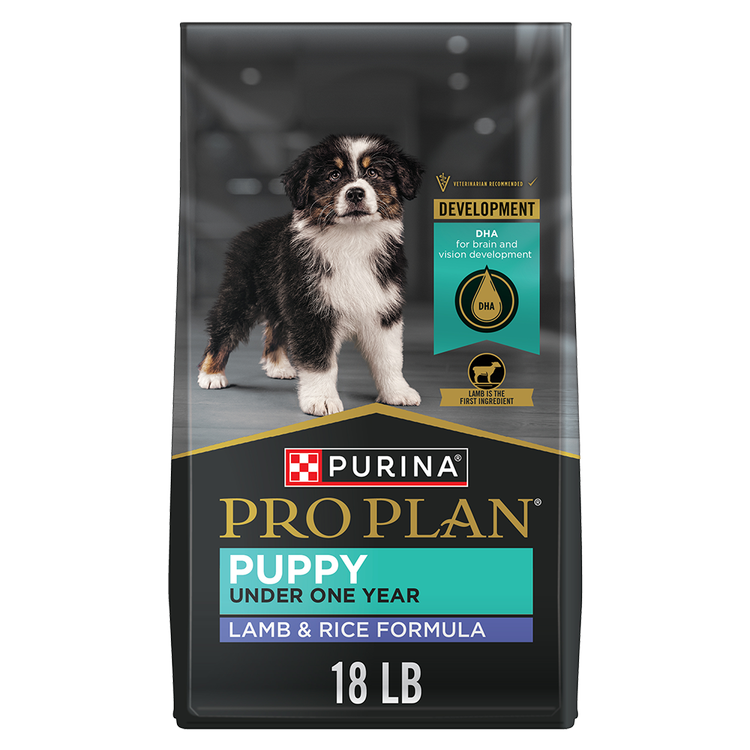
Credit: www.purina.com
Frequently Asked Questions
When Should I Switch My Puppy To Adult Dog Food?
Switch your puppy to adult dog food around 12 months old. Large breeds may transition later, around 18-24 months. Consult your vet for breed-specific advice to ensure proper nutrition during growth stages.
How To Know If Puppy Is Ready For Adult Food?
Look for signs like slowed growth, adult teeth development, and increased activity. Your vet can confirm readiness based on weight and health. Transition gradually over 7-10 days to avoid digestive upset.
Why Not Feed Adult Dog Food To Puppies?
Adult dog food lacks necessary nutrients for puppy growth. It may cause nutritional deficiencies and slow development. Puppies need higher protein, fat, and calories for healthy bone and muscle growth.
Can Feeding Adult Food Early Harm My Puppy?
Yes, early adult food feeding can lead to poor growth and health issues. Puppies require nutrient-rich formulas tailored to their development stage. Always follow vet recommendations for feeding schedules and food types.
Conclusion
Feeding your puppy the right food supports healthy growth. Switch to adult dog food around one year old. Watch your puppy’s size, energy, and health closely. Consult a vet for the best timing and food type. A smooth food change helps avoid stomach problems.
Remember, each dog grows at its own pace. Healthy eating now means a stronger, happier dog later. Choose the right moment and food with care. Your puppy will thank you with a long, active life.